Transinguinal Ultrasound versus Magnetic Resonance in Spica Cast after Closed Reduction of Unstable Hips in DDH
Nicola Guindani, Federico Chiodini, Maurizio De Pellegrin

TL;DR
This study compares ultrasound and MRI for checking hip position in spica casts after hip reduction in children with developmental hip dysplasia.
Contribution
The study demonstrates that transinguinal ultrasound is a reliable alternative to MRI for assessing hip reduction in spica casts.
Findings
Transinguinal ultrasound and MRI showed perfect agreement in 47 hip assessments.
The study found no discrepancies between the two imaging methods for detecting hip dislocation or reduction.
Abstract
Background. During the treatment of unstable hips in developmental hip dysplasia (DDH), the position of the femoral head must be assessed in spica cast (SC) after reduction. A transinguinal sonographic technique (TIT) to the hip joint has been previously described in the literature. The aim of this study is to evaluate the agreement among TIT and MR to identify hip reduction. Methods. From 2016 to 2019, 14 consecutive newborns (10 female, 4 males) with a mean age of 2.97 ± 1.29 months were treated with closed reduction in SC. A total of 4/14 children had bilateral unstable DDH. Out of 18 hips, there were 8 hips type IV and 10 hips type IIIA, according to Graf. SC were changed monthly and hips were checked both with TIT and MR, looking for persistent dislocation. Results. Overall, a mean of 2.61 SC/hip (mode = 3) was accomplished, accounting for 47 procedures, with 46 reduced hips and 1…
Genes, proteins, chemicals, diseases, species, mutations and cell lines named across the full text — each resolved to its canonical identifier and authoritative record.
Click any figure to enlarge with its caption.
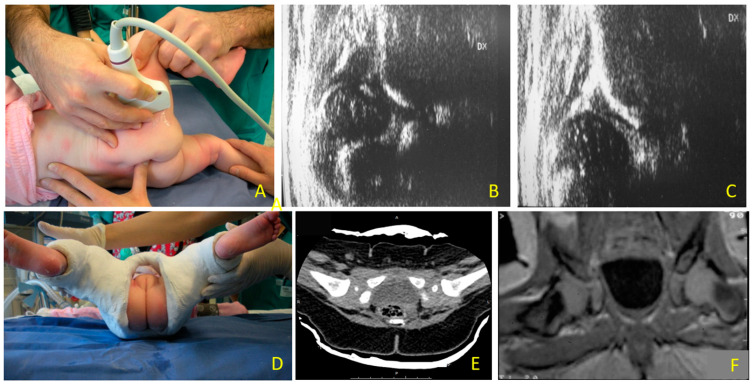 Figure 1
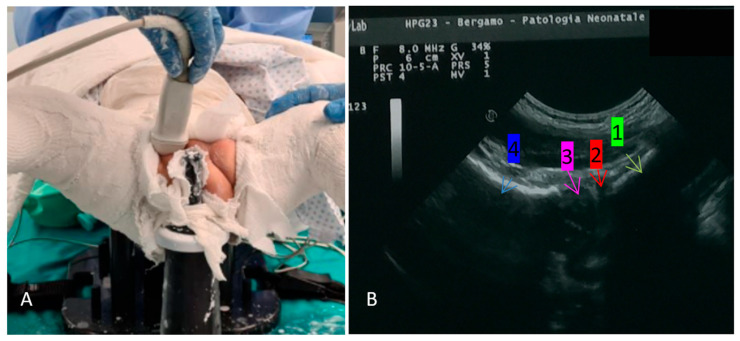 Figure 2
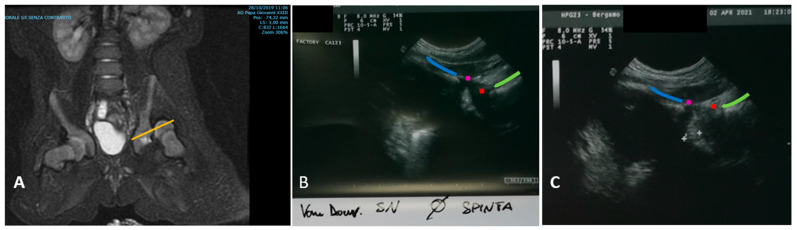 Figure 3
Peer Reviews
No public reviews on file for this paper yet. If you reviewed it on a platform where reviews are public (OpenReview, ICLR, NeurIPS, ICML), you can paste yours below so the community can read it here.
Videos
No videos yet. Explain this paper in a talk, walkthrough, or lecture? Add one.
Taxonomy
TopicsHip disorders and treatments · Hip and Femur Fractures · Orthopaedic implants and arthroplasty