Transgene-Free Cynomolgus Monkey iPSCs Generated under Chemically Defined Conditions
Yuliia Tereshchenko, Nesil Esiyok, Enrique Garea-Rodríguez, Daniele Repetto, Rüdiger Behr, Ignacio Rodríguez-Polo

TL;DR
Scientists created transgene-free cynomolgus monkey iPSCs that can become heart and nerve cells, aiding preclinical research.
Contribution
Generation of transgene- and feeder-free cynomolgus monkey iPSCs with differentiation potential into cardiomyocytes and neurons.
Findings
Transgene-free cynomolgus monkey iPSCs were successfully generated under chemically defined conditions.
The iPSCs can differentiate into cardiomyocytes and neurons, showing clinical relevance.
These cells provide a valuable resource for preclinical testing in non-human primates.
Abstract
Non-human primates (NHPs) are pivotal animal models for translating novel cell replacement therapies into clinical applications, including validating the safety and efficacy of induced pluripotent stem cell (iPSC)-derived products. Preclinical development and the testing of cell-based therapies ideally comprise xenogeneic (human stem cells into NHPs) and allogenic (NHP stem cells into NHPs) transplantation studies. For the allogeneic approach, it is necessary to generate NHP-iPSCs with generally equivalent quality to the human counterparts that will be used later on in patients. Here, we report the generation and characterization of transgene- and feeder-free cynomolgus monkey (Macaca fascicularis) iPSCs (Cyno-iPSCs). These novel cell lines have been generated according to a previously developed protocol for the generation of rhesus macaque, baboon, and human iPSC lines. Beyond their…
Genes, proteins, chemicals, diseases, species, mutations and cell lines named across the full text — each resolved to its canonical identifier and authoritative record.
Click any figure to enlarge with its caption.
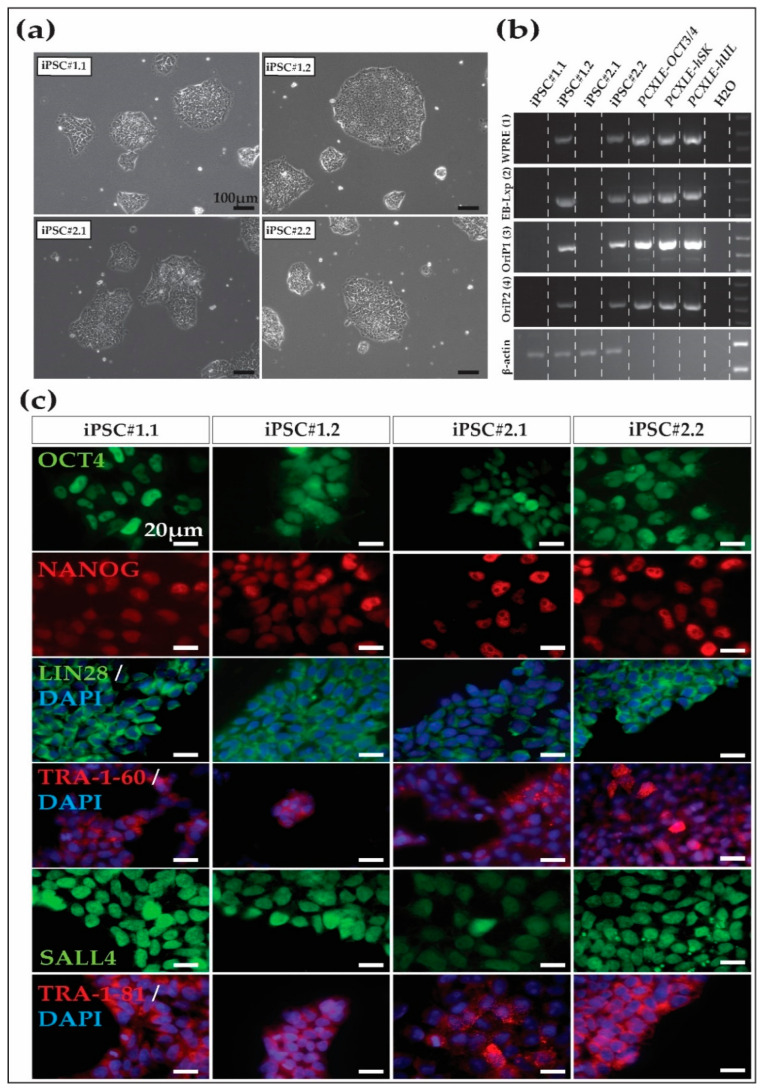 Figure 1
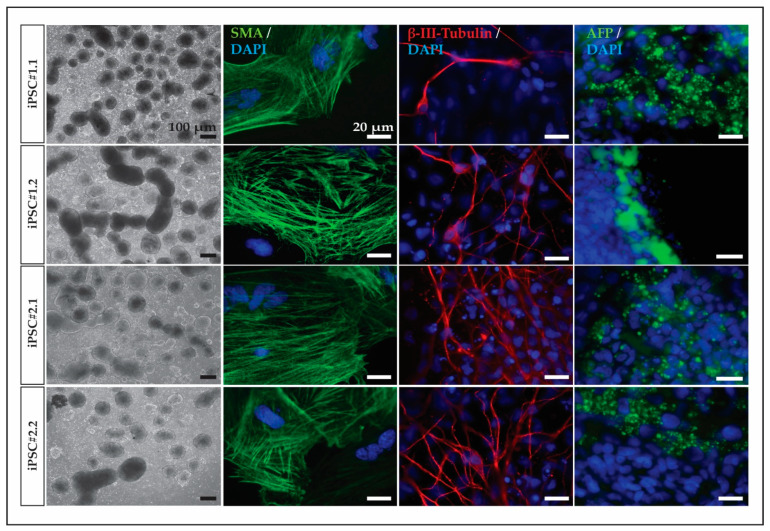 Figure 2
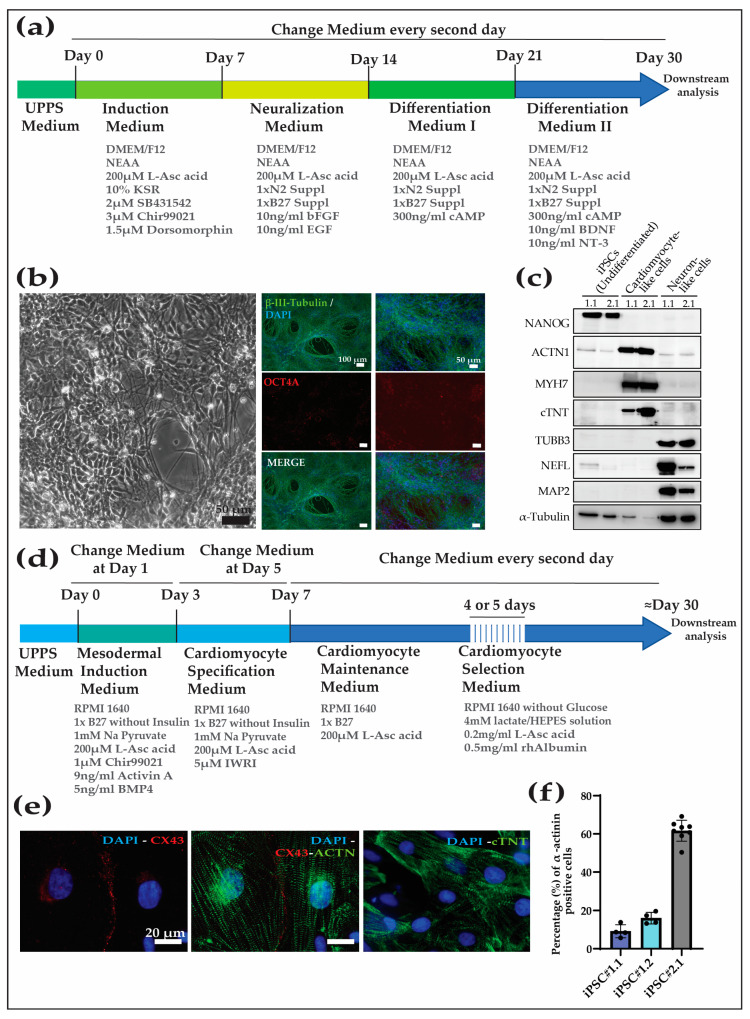 Figure 3
Peer Reviews
No public reviews on file for this paper yet. If you reviewed it on a platform where reviews are public (OpenReview, ICLR, NeurIPS, ICML), you can paste yours below so the community can read it here.
Videos
No videos yet. Explain this paper in a talk, walkthrough, or lecture? Add one.
Taxonomy
TopicsPluripotent Stem Cells Research · CRISPR and Genetic Engineering · Neuroscience and Neural Engineering