A Recombinant Peptide Device Combined with Adipose Tissue-Derived Stem Cells Enhances Subcutaneous Islet Engraftment
Takahiro Mizui, Akiko Inagaki, Yasuhiro Nakamura, Takehiro Imura, Satomi Suzuki Uematsu, Shigehito Miyagi, Takashi Kamei, Michiaki Unno, Kimiko Watanabe, Masafumi Goto

TL;DR
A new method using a recombinant peptide device and stem cells improves the success of islet transplantation in mice.
Contribution
Combining a recombinant peptide device with adipose-derived stem cells enhances subcutaneous islet engraftment and function.
Findings
Pre-implanting RCP devices with ADSCs improved islet graft survival and function in mice.
The RCP+ADSCs group showed enhanced collagen III expression and increased blood vessel formation in islets.
This combination led to better blood glucose control compared to other groups.
Abstract
Subcutaneous space has been considered an attractive site for islet graft transplantation; however, the oxygen tension and vascularization are insufficient for islet graft survival. We investigated whether subcutaneous pre-implantation of a recombinant peptide (RCP) device with adipose tissue-derived stem cells (ADSCs) enhanced subcutaneous islet engraftment. RCP devices with/without syngeneic ADSCs were pre-implanted into the subcutaneous space of C57BL/6 mice. Syngeneic islets (300 or 120 islet equivalents (IEQs)) were transplanted into the pre-treated space after diabetes induction using streptozotocin. The cure rates of groups in which RCP devices were implanted four weeks before transplantation were significantly better than the intraportal transplantation group when 300 IEQs of islets were transplanted (p < 0.01). The blood glucose changes in the RCP+ADSCs-4w group was…
Genes, proteins, chemicals, diseases, species, mutations and cell lines named across the full text — each resolved to its canonical identifier and authoritative record.
Click any figure to enlarge with its caption.
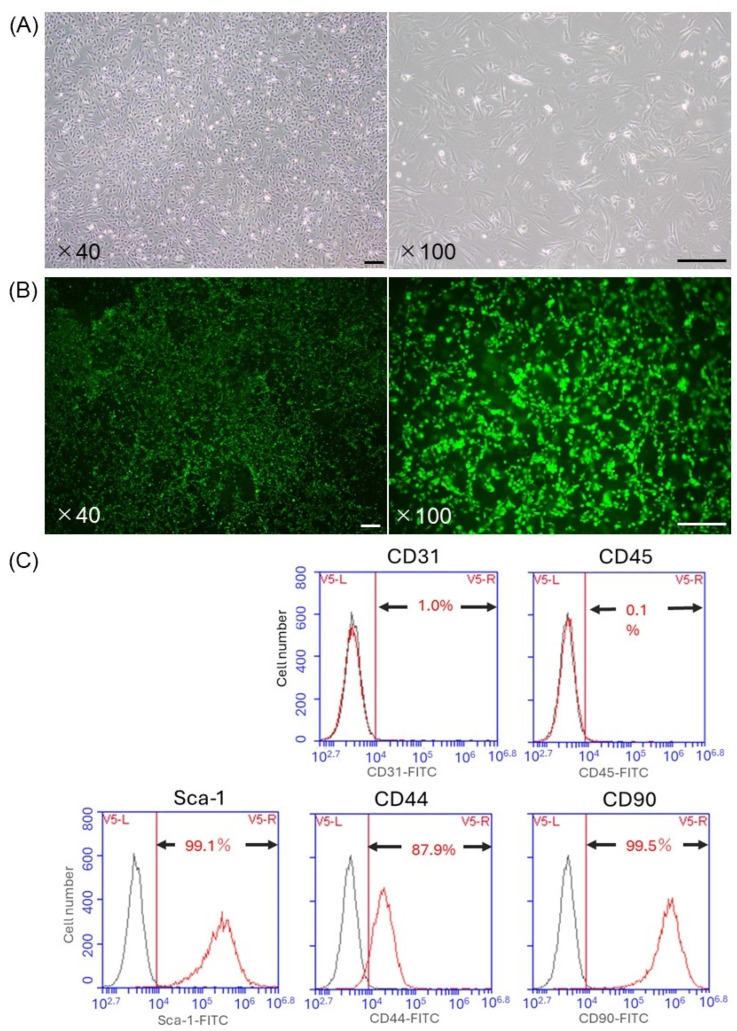 Figure 1
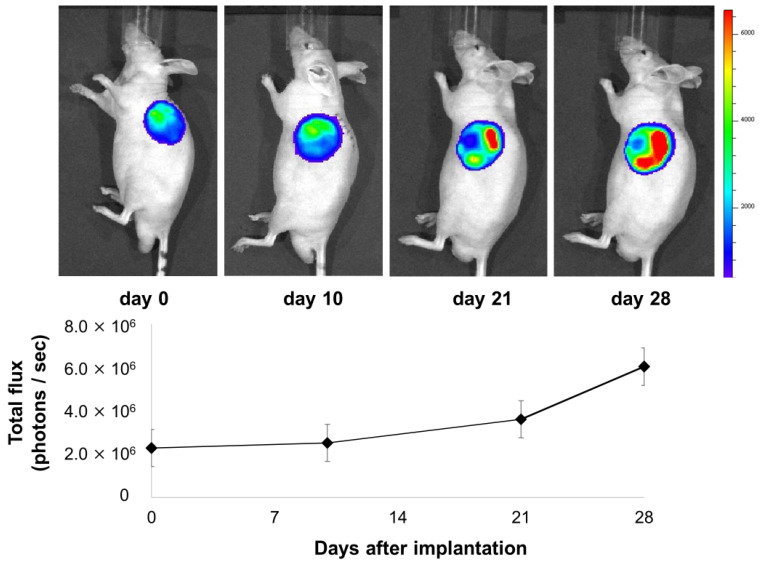 Figure 2
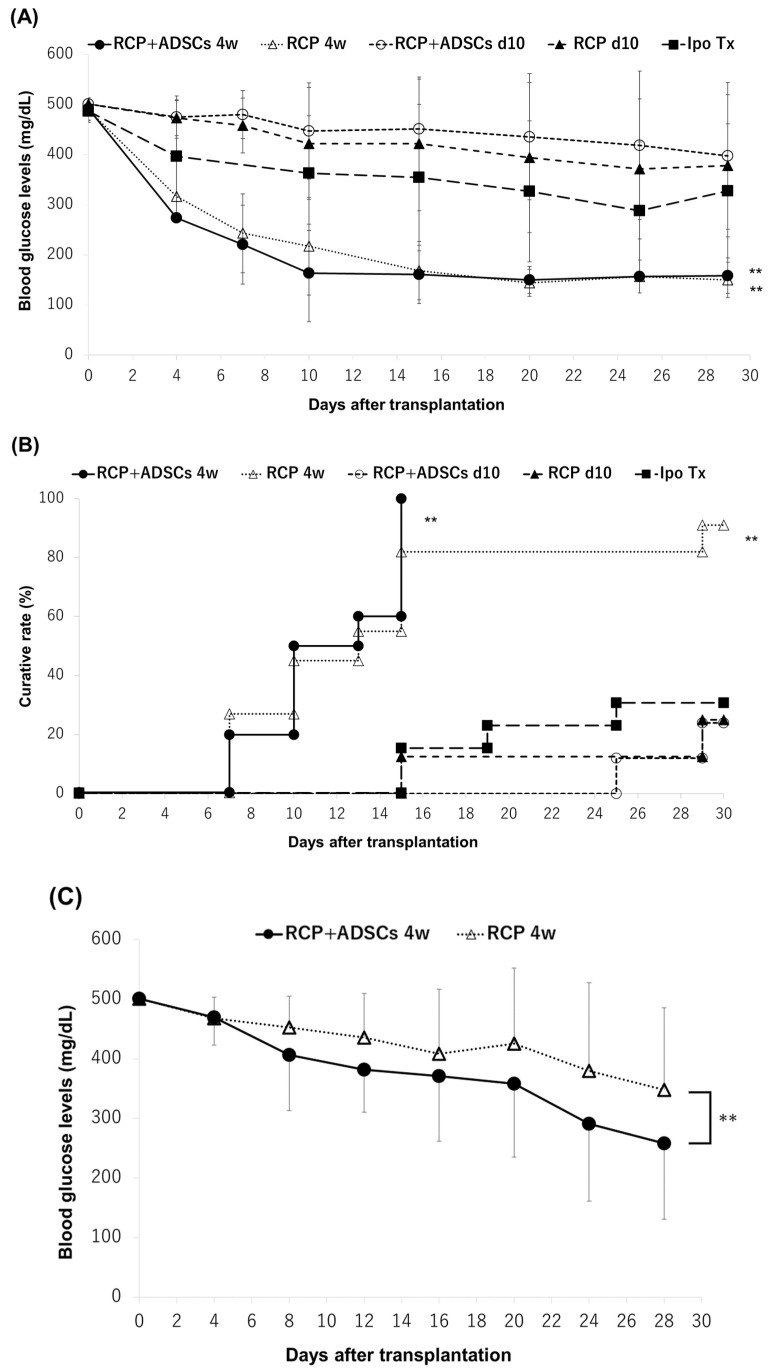 Figure 3
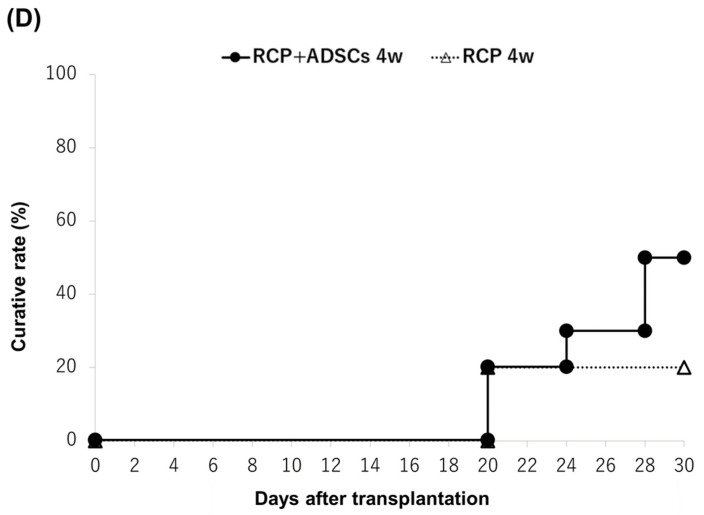 Figure 4
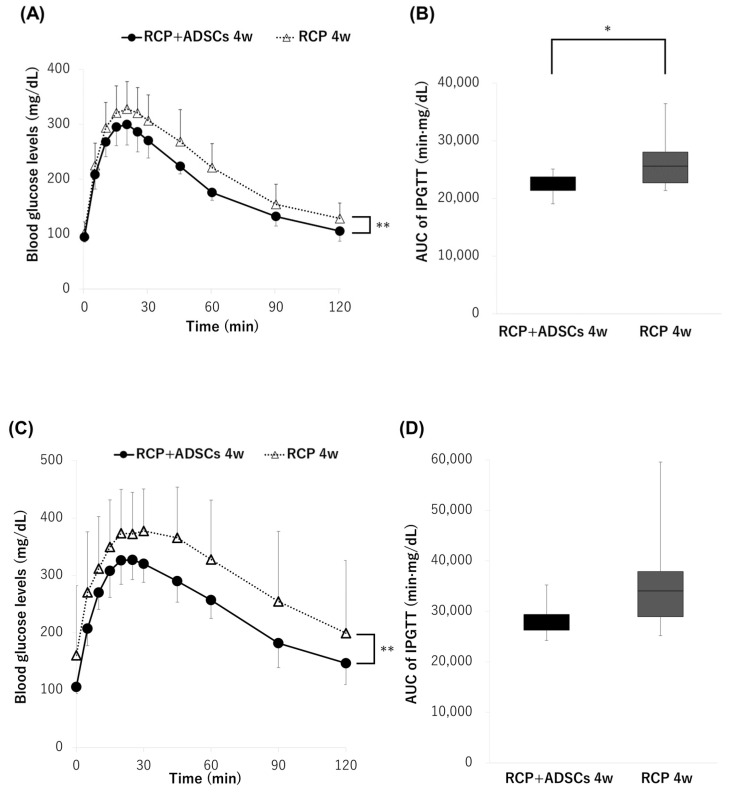 Figure 5
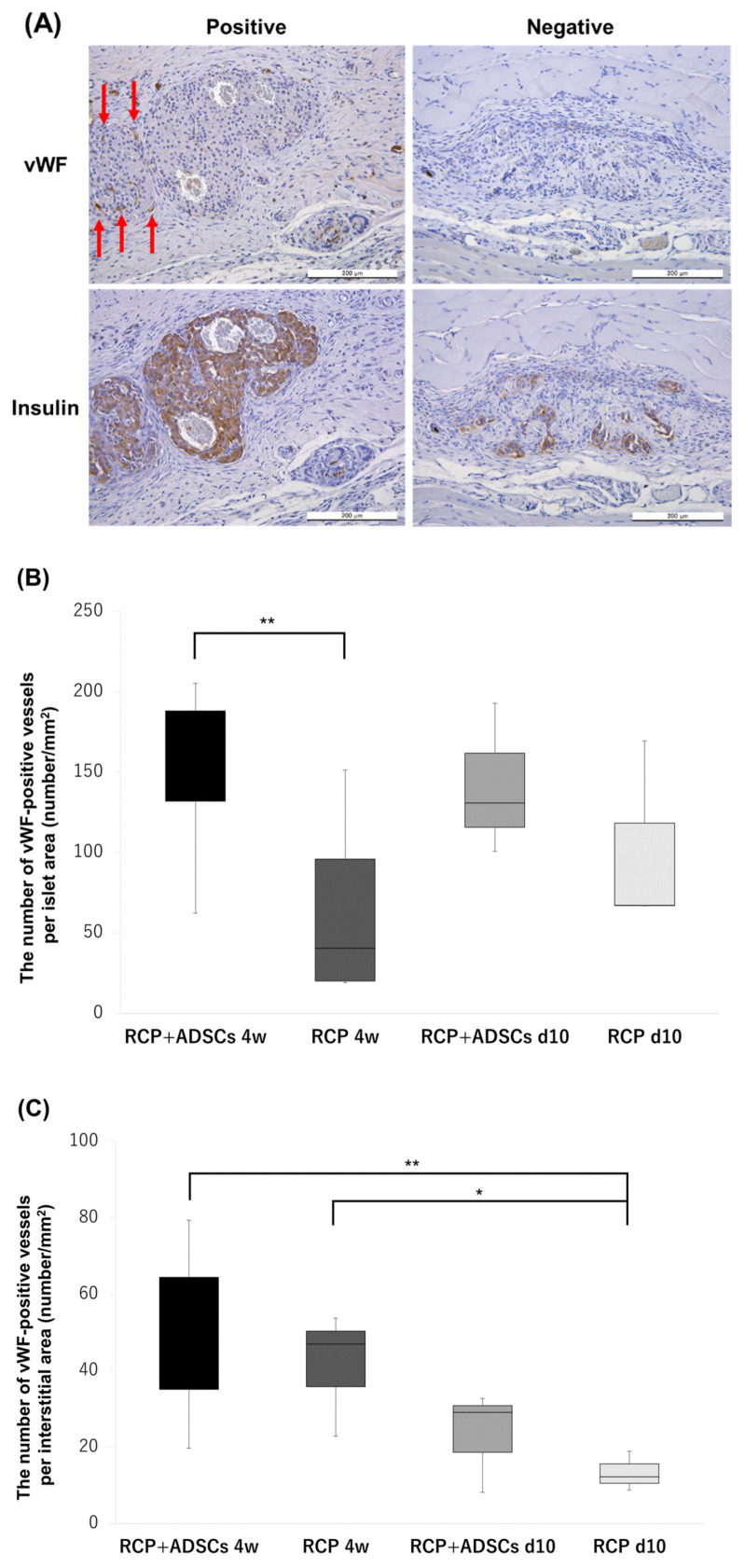 Figure 6
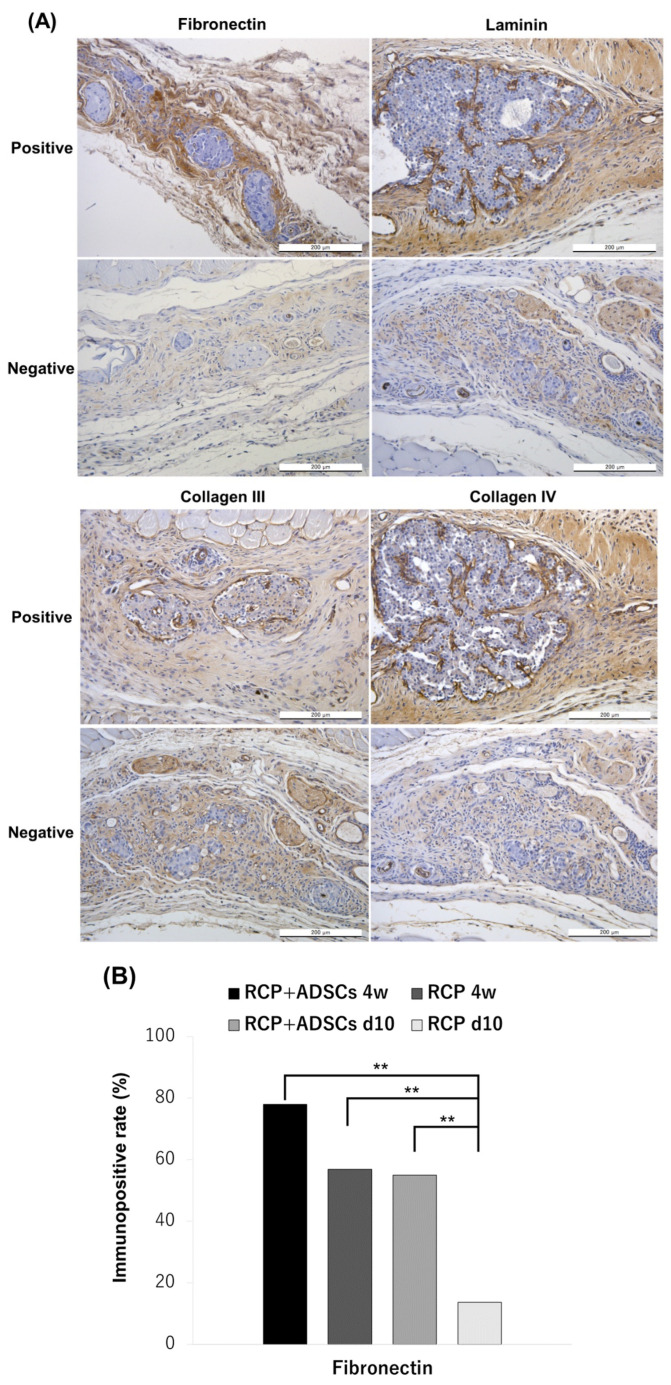 Figure 7
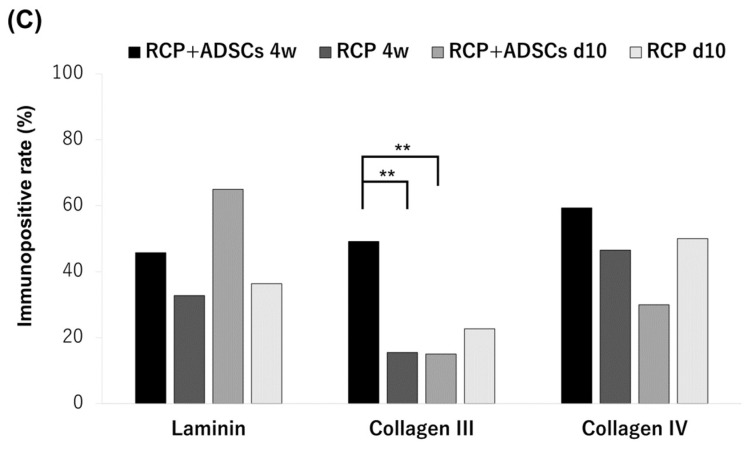 Figure 8
Peer Reviews
No public reviews on file for this paper yet. If you reviewed it on a platform where reviews are public (OpenReview, ICLR, NeurIPS, ICML), you can paste yours below so the community can read it here.
Videos
No videos yet. Explain this paper in a talk, walkthrough, or lecture? Add one.
Taxonomy
TopicsPancreatic function and diabetes · Genetics and Neurodevelopmental Disorders · Diabetes and associated disorders