Exploration of the Binding Mechanism of Cyclic Dinucleotide Analogs to Stimulating Factor Proteins and the Implications for Subsequent Analog Drug Design
Shu-Wei Yuan, Hong-Ling Shi, Mu-Ran Fu, Xi-Chuan Zhang, Xiao-Qi Xi, Yao Wang, Tai-Song Shen, Jin-Liang Ma, Cun-Duo Tang

TL;DR
This paper explores how cyclic dinucleotide analogs bind to proteins involved in immune responses, aiming to improve drug design for immunotherapy.
Contribution
The study provides new insights into the binding mechanisms of CDN analogs with STING proteins through simulations and experiments.
Findings
Computer simulations reveal specific interactions between CDN analogs and STING proteins.
Findings suggest ways to optimize CDN analogs for better immunotherapy applications.
The study combines computational and experimental approaches to guide future drug synthesis.
Abstract
Cyclic dinucleotides (CDNs) are cyclic molecules consisting of two nucleoside monophosphates linked by two phosphodiester bonds, which act as a second messenger and bind to the interferon gene stimulating factor (STING) to activate the downstream signaling pathway and ultimately induce interferon secretion, initiating an anti-infective immune response. Cyclic dinucleotides and their analogs are lead compounds in the immunotherapy of infectious diseases and tumors, as well as immune adjuvants with promising applications. Many agonists of pathogen recognition receptors have been developed as effective adjuvants to optimize vaccine immunogenicity and efficacy. In this work, the binding mechanism of human-derived interferon gene-stimulating protein and its isoforms with cyclic dinucleotides and their analogs was theoretically investigated using computer simulations and combined with…
Genes, proteins, chemicals, diseases, species, mutations and cell lines named across the full text — each resolved to its canonical identifier and authoritative record.
Click any figure to enlarge with its caption.
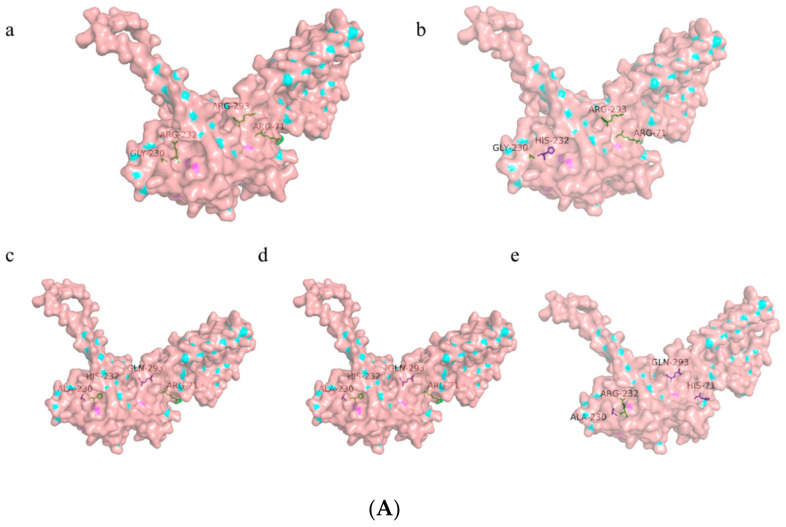 Figure 1
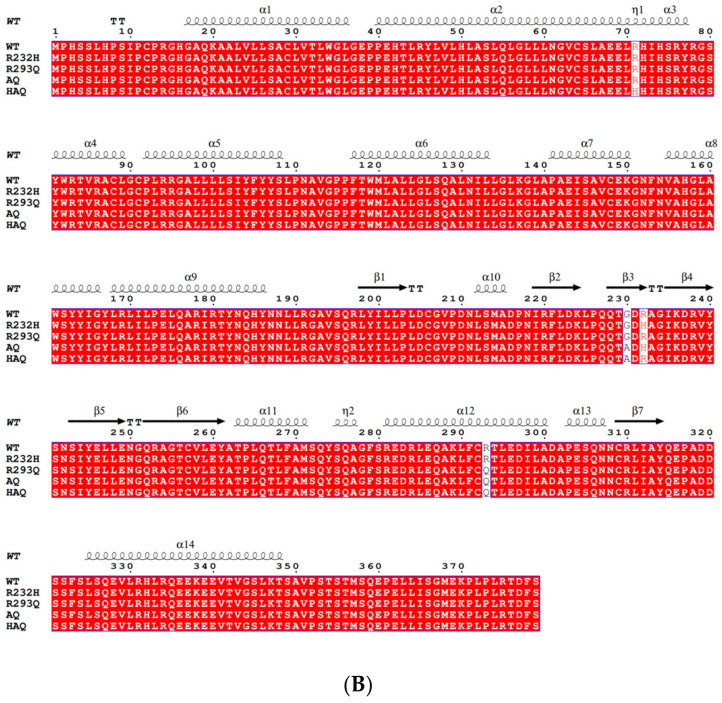 Figure 2
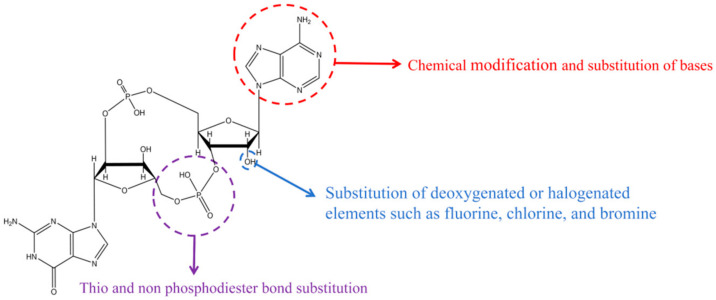 Figure 3
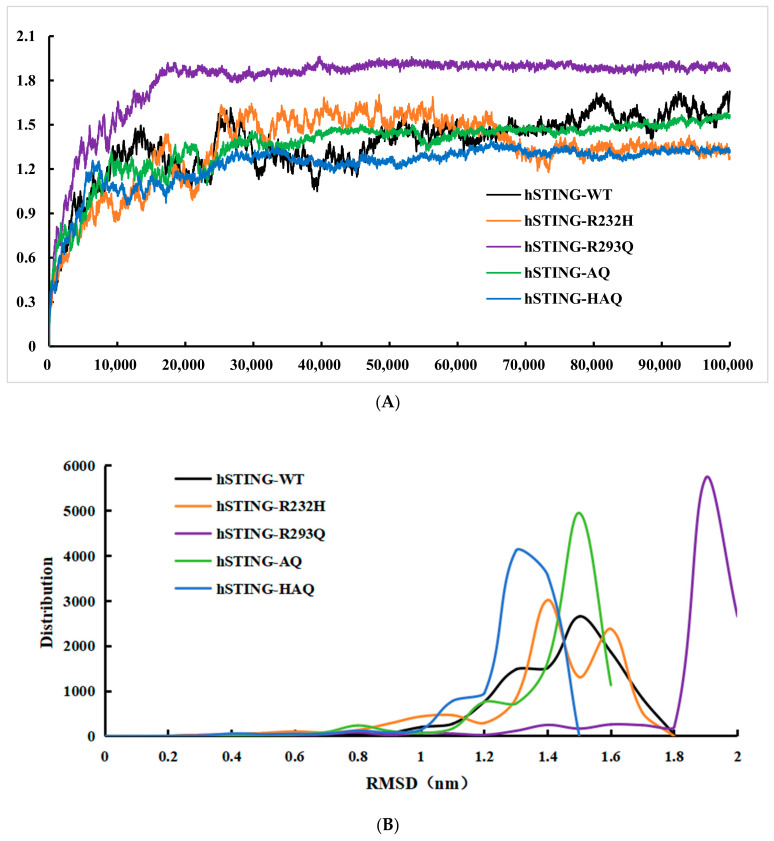 Figure 4
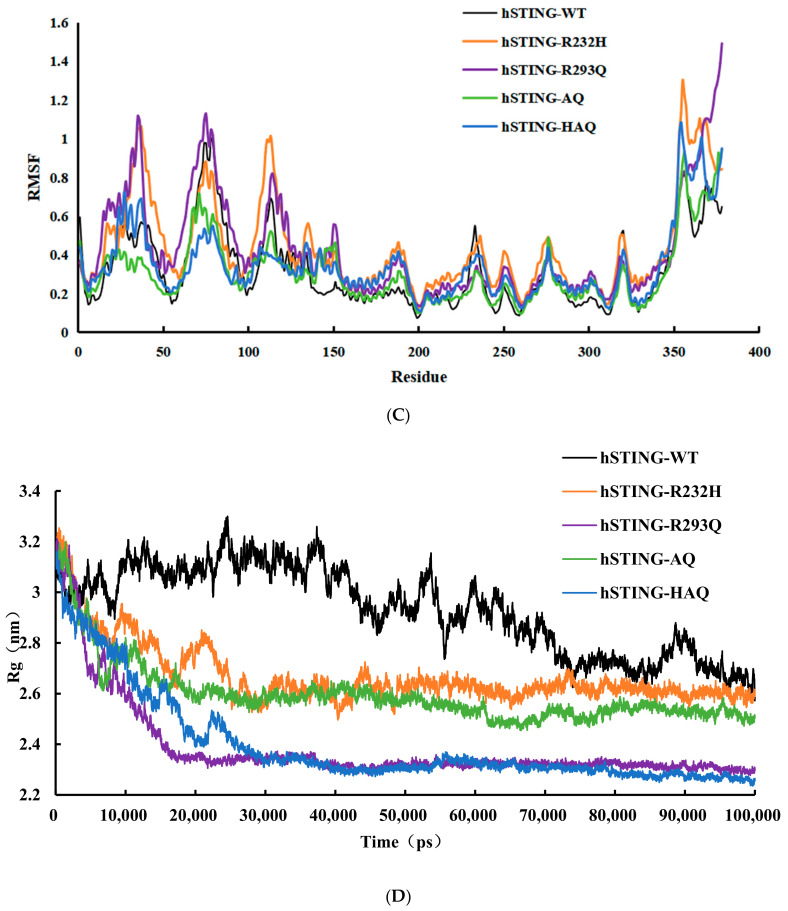 Figure 5
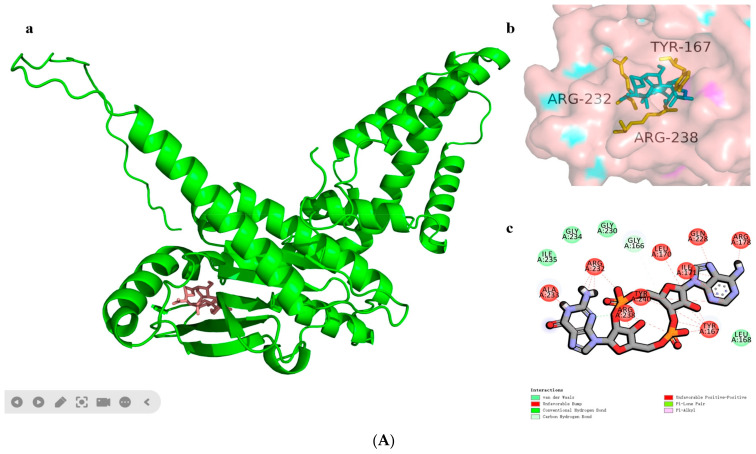 Figure 6
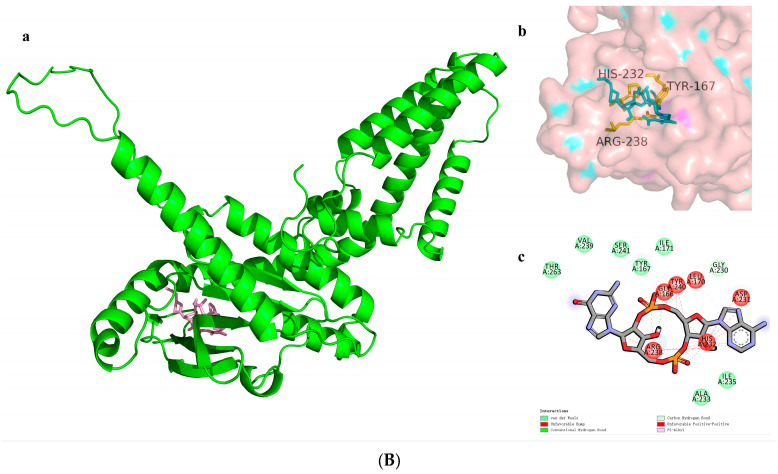 Figure 7
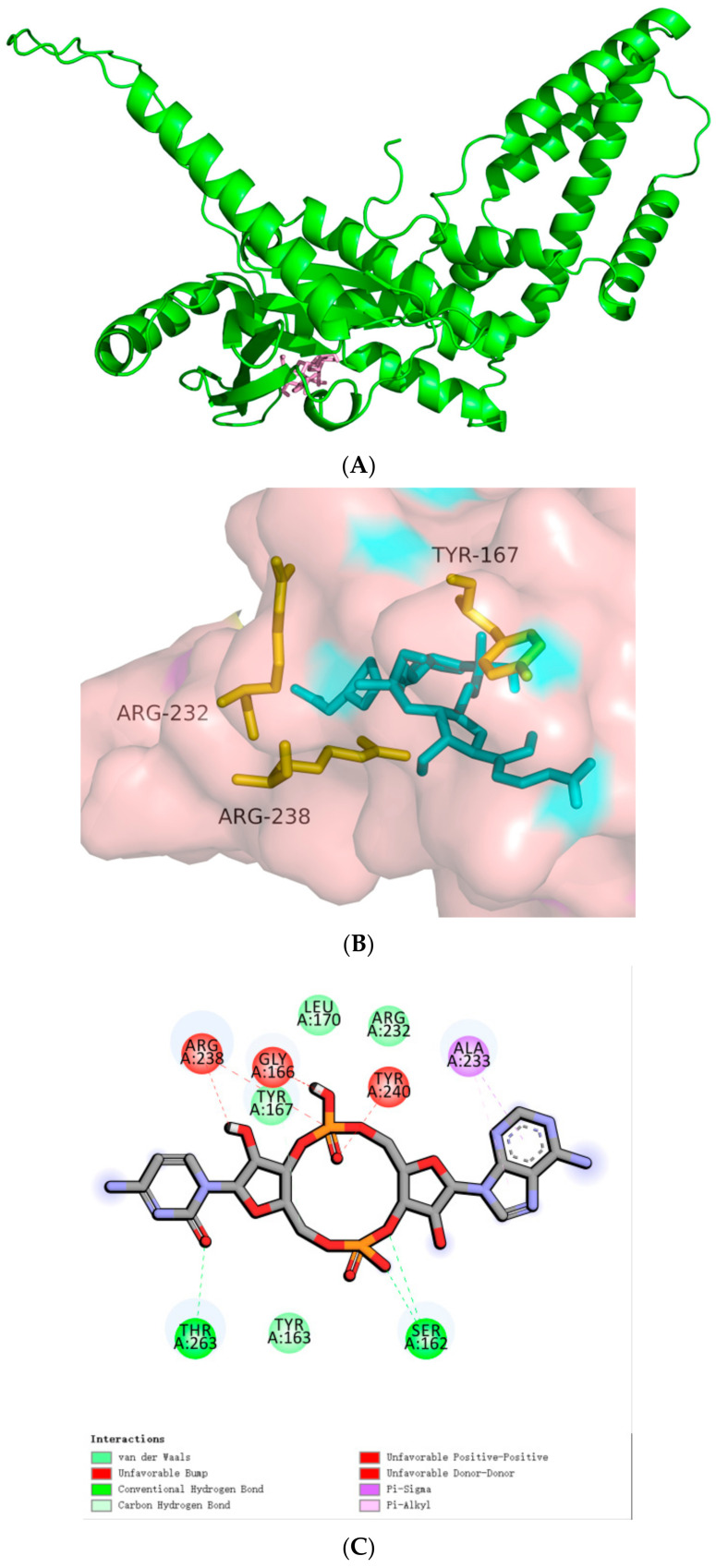 Figure 8
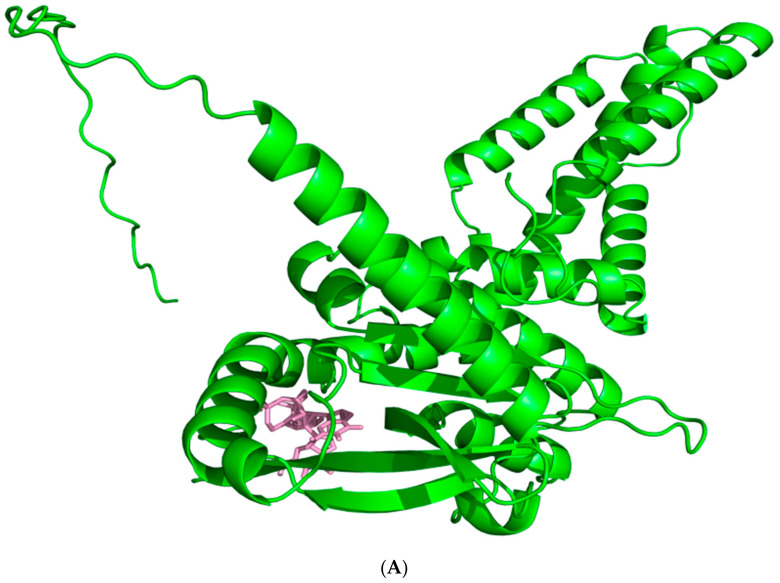 Figure 9
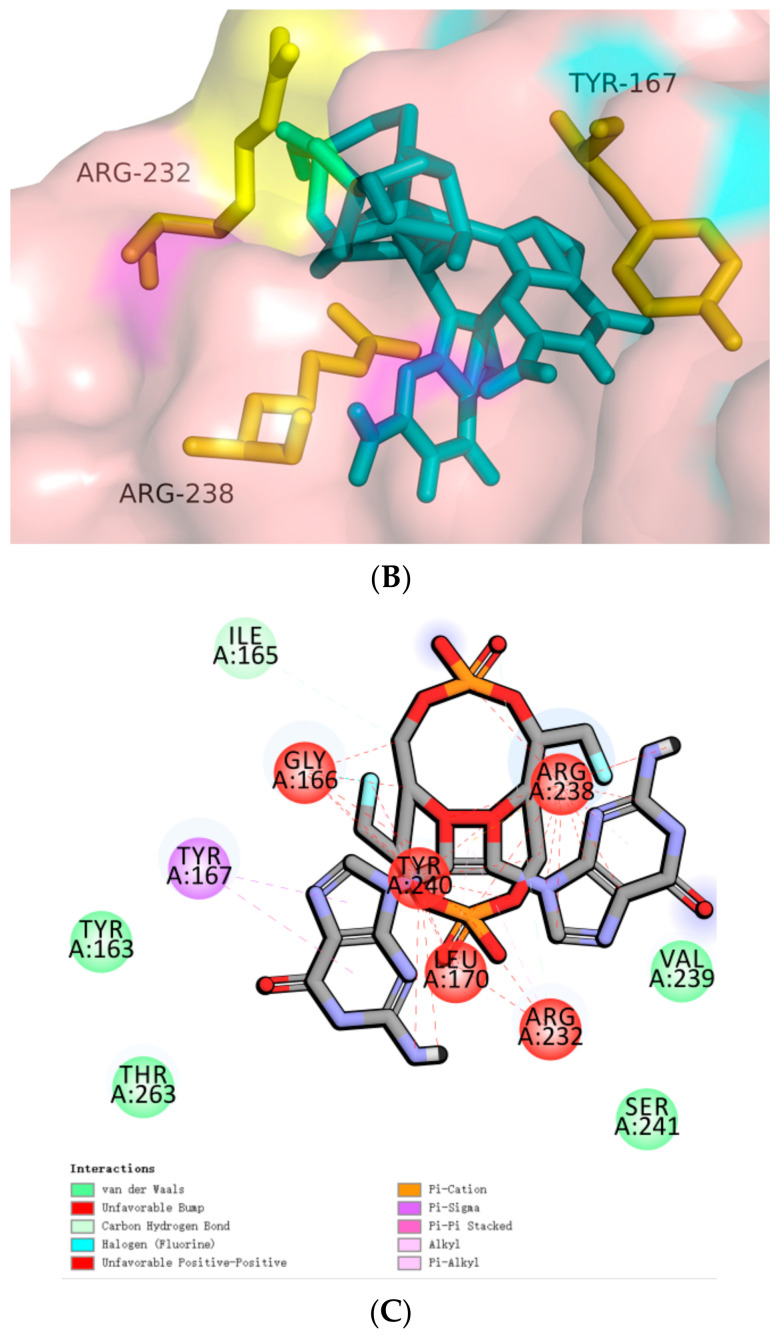 Figure 10
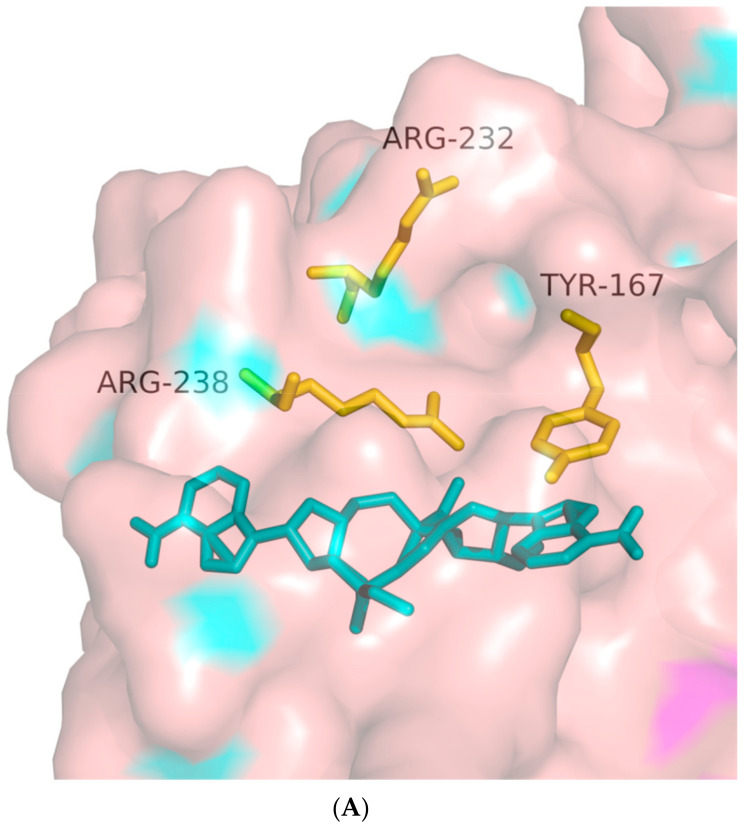 Figure 11
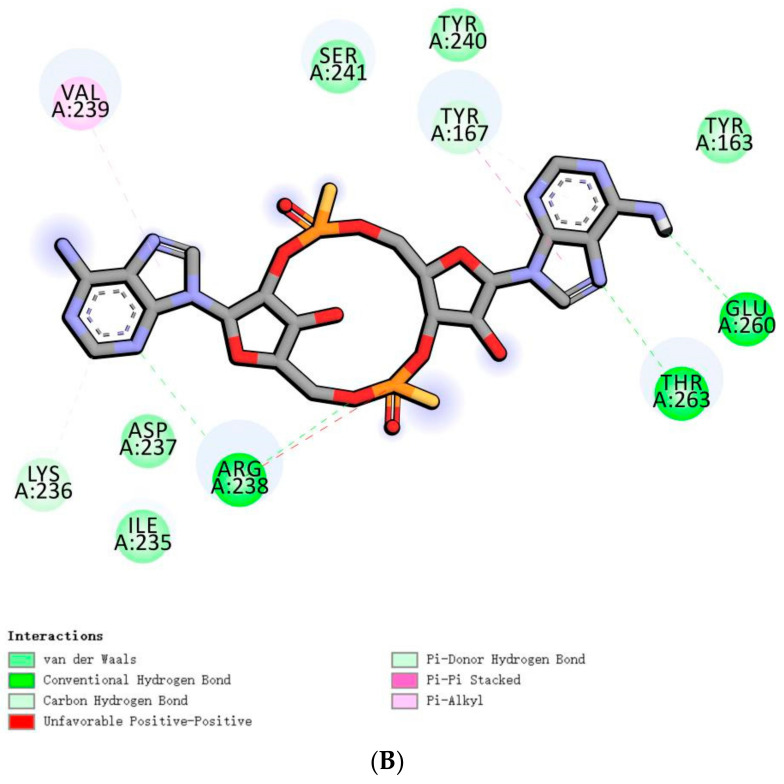 Figure 12
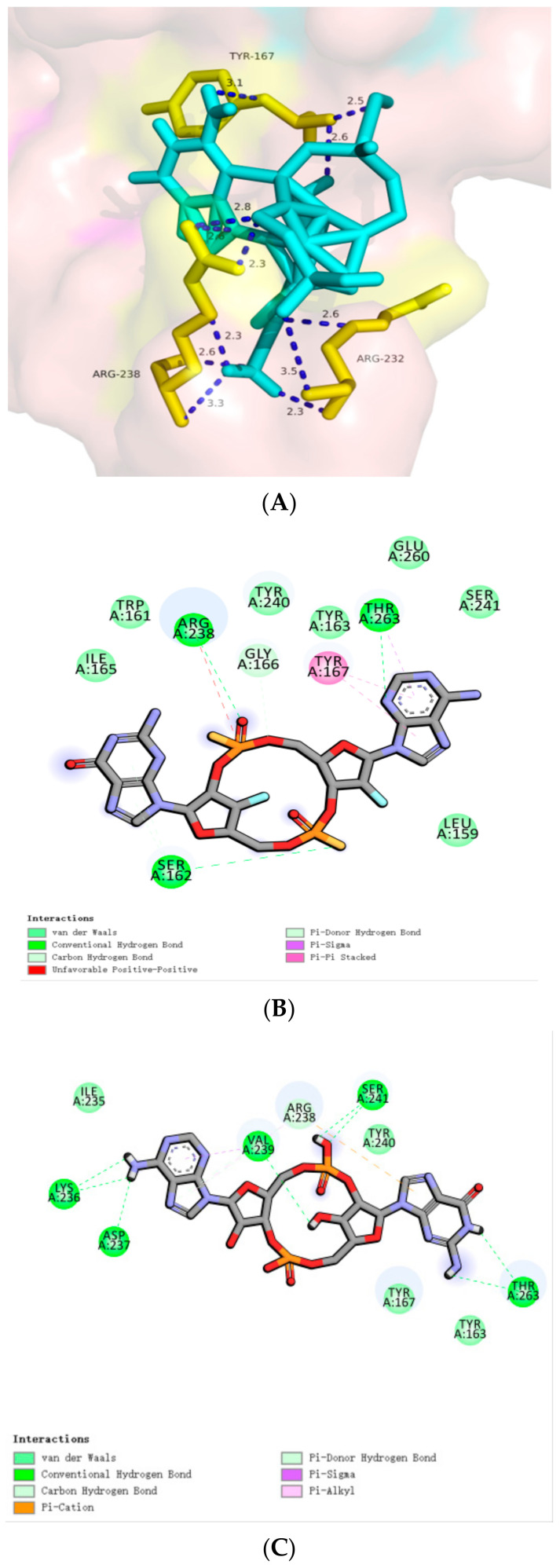 Figure 13
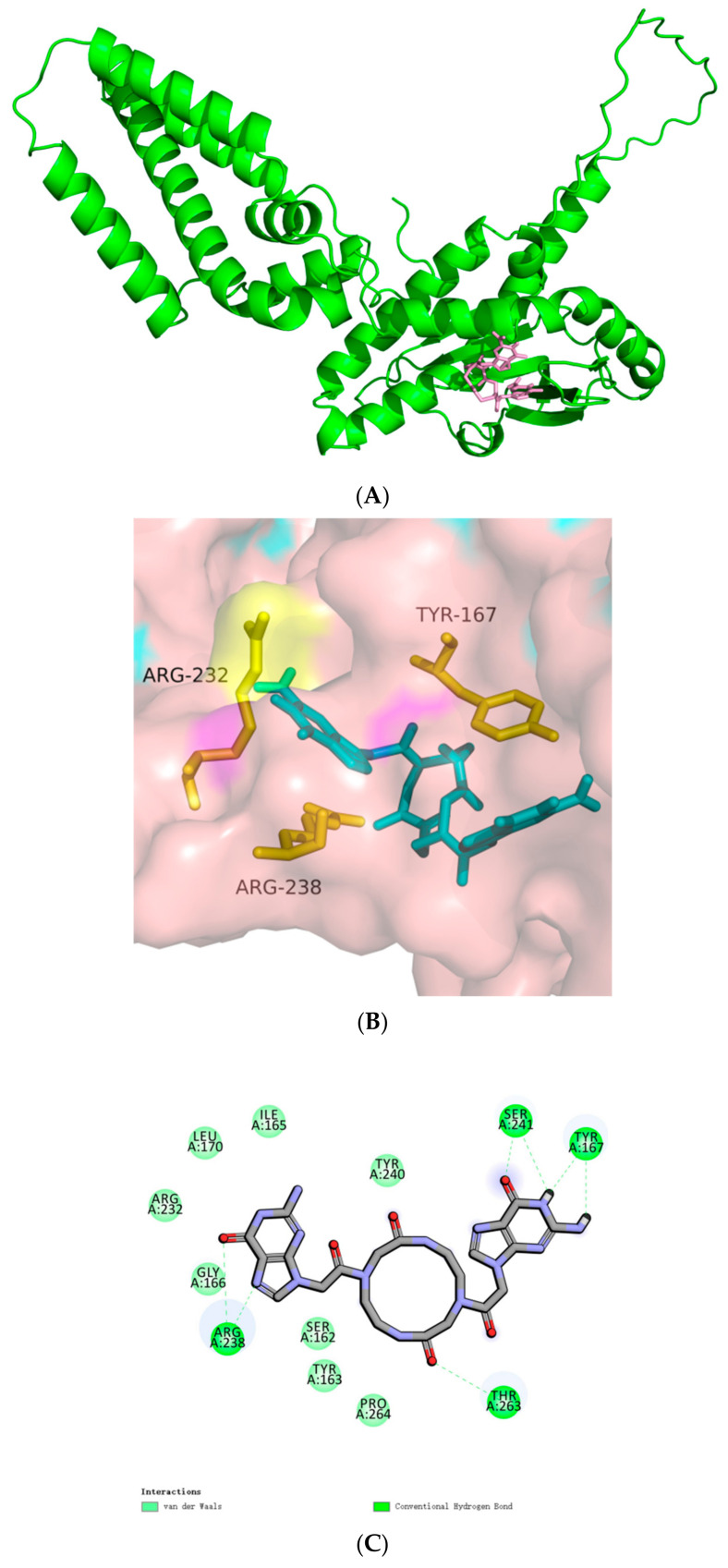 Figure 14
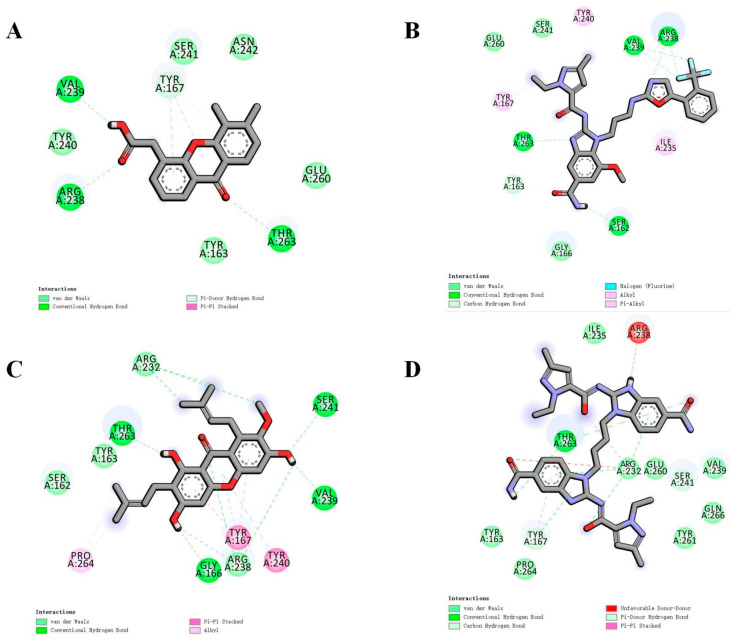 Figure 15
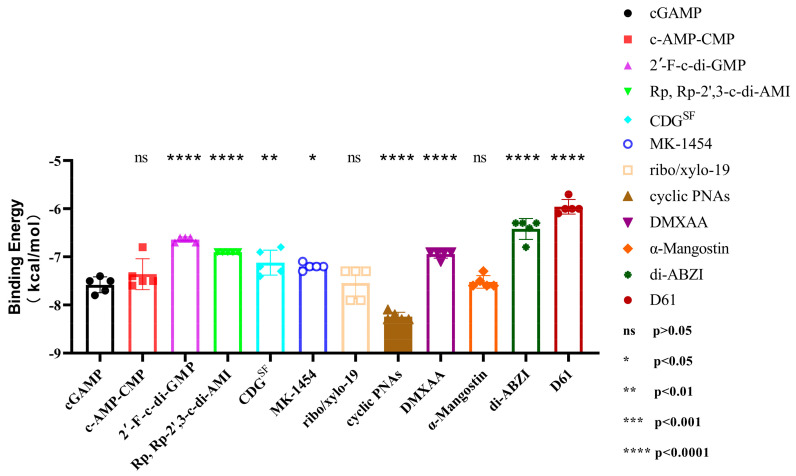 Figure 16
Peer Reviews
No public reviews on file for this paper yet. If you reviewed it on a platform where reviews are public (OpenReview, ICLR, NeurIPS, ICML), you can paste yours below so the community can read it here.
Videos
No videos yet. Explain this paper in a talk, walkthrough, or lecture? Add one.
Taxonomy
TopicsHistorical Art and Architecture Studies · Historical Studies on Spain · Early Modern Spanish Literature