Equine Headshaking Syndrome: Triggers, Seasonality, and Treatment Efficacy in Australia
Teagan Bell, Panoraia Kyriazopoulou, Camilla Mowbray, Barbara A. Murphy

TL;DR
This study explores equine headshaking syndrome in Australian horses, finding that bright light, wind, and pollen are common triggers, and that treatments are often ineffective.
Contribution
The study provides new insights into the triggers and treatment efficacy of equine headshaking syndrome in the Southern Hemisphere.
Findings
Geldings are more commonly affected and develop symptoms later than mares.
Bright sunlight, wind, and high pollen are the most reported triggers.
Most treatments are ineffective when used alone, and symptoms often occur seasonally.
Abstract
Equine headshaking syndrome is a painful condition causing the horse to shake or flick its head violently without any obvious reason. Treatments for the condition are poorly effective and information on the condition in Australian horses is lacking. An online survey was sent to owners of headshaking horses in Australia to gather more information on when headshaking occurs and what treatments have been used to address it. The results showed that more geldings were affected than mares, and geldings were older when they first started headshaking compared to mares. Bright sunlight, wind, and high pollen count were the most reported triggers, and more than half of the owners reported that headshaking occurred in a specific season each year. Most owners had used more than two types of treatment, but few treatments were reported effective when used alone. The finding that a large proportion of…
Genes, proteins, chemicals, diseases, species, mutations and cell lines named across the full text — each resolved to its canonical identifier and authoritative record.
Click any figure to enlarge with its caption.
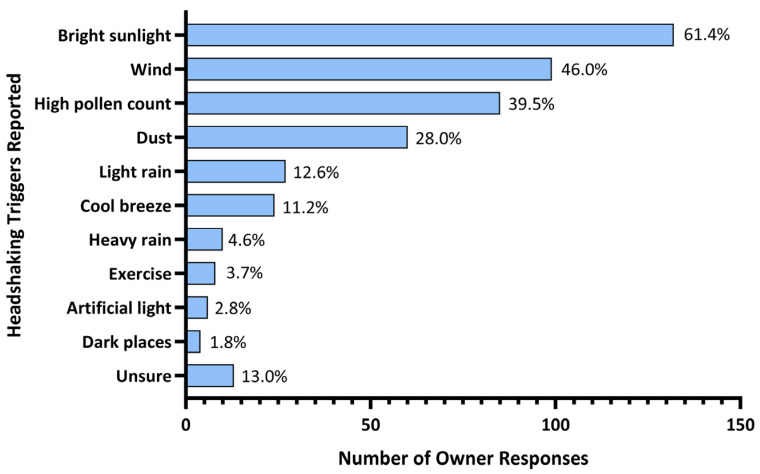 Figure 1
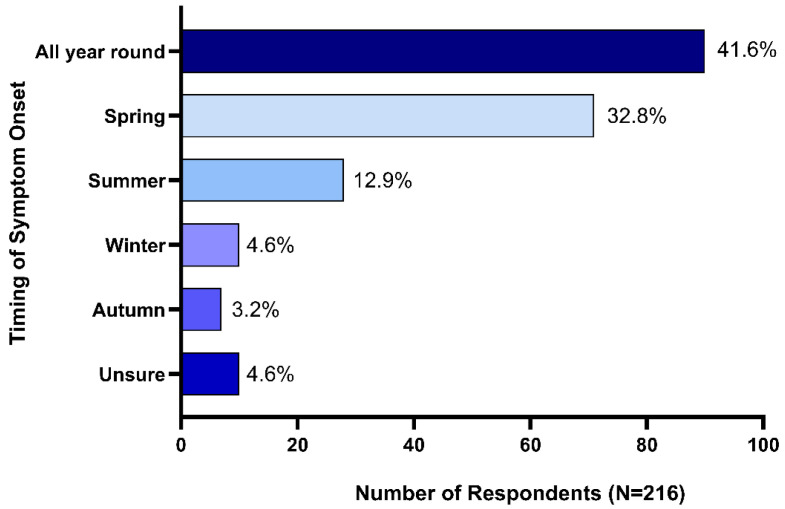 Figure 2
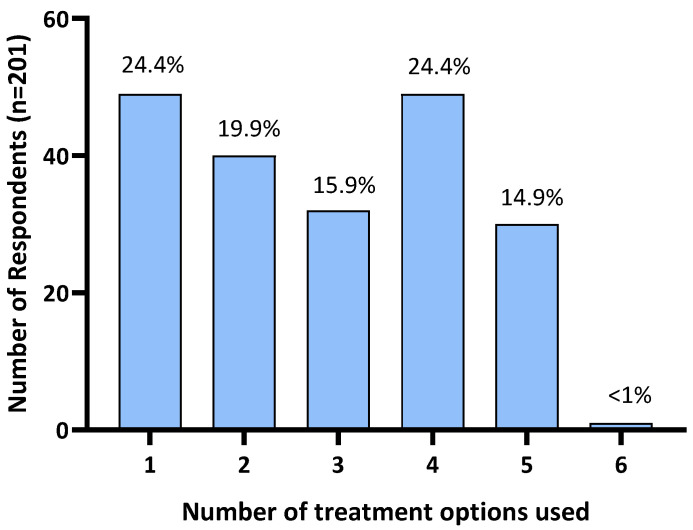 Figure 3
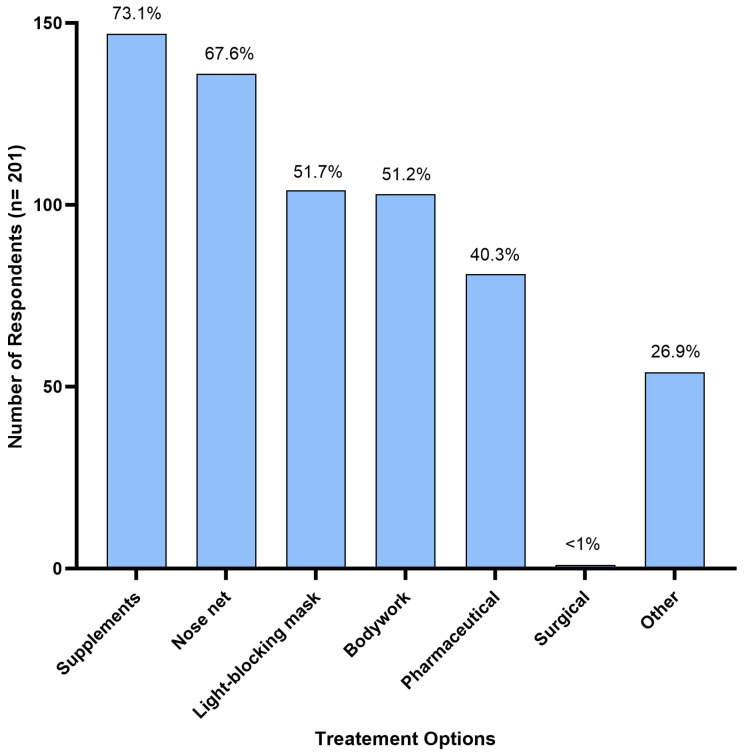 Figure 4
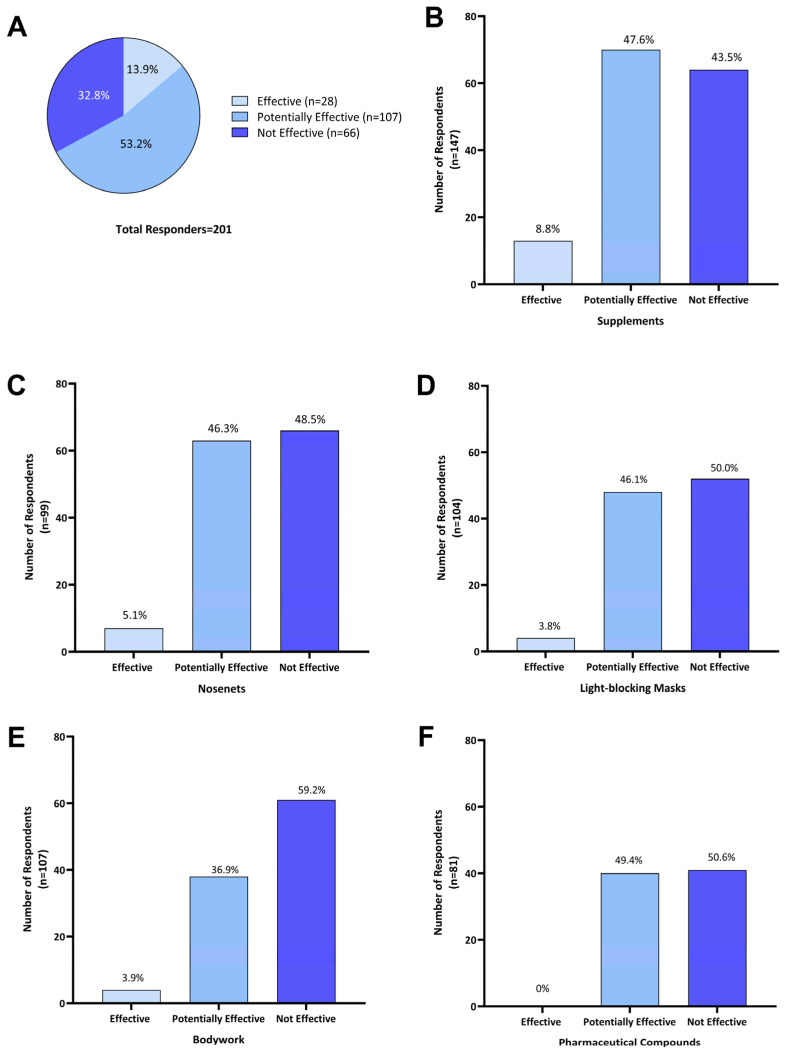 Figure 5
 Figure 6
 Figure 7
 Figure 8
Peer Reviews
No public reviews on file for this paper yet. If you reviewed it on a platform where reviews are public (OpenReview, ICLR, NeurIPS, ICML), you can paste yours below so the community can read it here.
Videos
No videos yet. Explain this paper in a talk, walkthrough, or lecture? Add one.
Taxonomy
TopicsVeterinary Equine Medical Research · Plant Toxicity and Pharmacological Properties · Musculoskeletal pain and rehabilitation