Syntaxin1A overexpression and pain insensitivity in individuals with 7q11.23 duplication syndrome
Michael J. Iadarola, Matthew R. Sapio, Amelia J. Loydpierson, Carolyn B. Mervis, Jill C. Fehrenbacher, Michael R. Vasko, Dragan Maric, Daniel P. Eisenberg, Tiffany A. Nash, J. Shane Kippenhan, Madeline H. Garvey, Andrew J. Mannes, Michael D. Gregory, Karen F. Berman

TL;DR
People with a rare genetic duplication are insensitive to pain due to overexpression of the STX1A gene, which disrupts pain signaling in nerve cells.
Contribution
This study identifies STX1A overexpression as a novel mechanism of pain insensitivity in 7q11.23 duplication syndrome.
Findings
Individuals with Dup7 show pain insensitivity despite serious injuries.
STX1A overexpression impairs neuropeptide exocytosis in nociceptive neurons.
Excess syntaxin1A leads to a 'genetic analgesia' mechanism in Dup7.
Abstract
Genetic modifications leading to pain insensitivity phenotypes, while rare, provide invaluable insights into the molecular biology of pain and reveal targets for analgesic drugs. Pain insensitivity typically results from Mendelian loss-of-function mutations in genes expressed in nociceptive (pain-sensing) dorsal root ganglion (DRG) neurons that connect the body to the spinal cord. We document a pain insensitivity mechanism arising from gene overexpression in individuals with the rare 7q11.23 duplication syndrome (Dup7), who have 3 copies of the approximately 1.5-megabase Williams syndrome (WS) critical region. Based on parental accounts and pain ratings, people with Dup7, mainly children in this study, are pain insensitive following serious injury to skin, bones, teeth, or viscera. In contrast, diploid siblings (2 copies of the WS critical region) and individuals with WS (1 copy) show…
Genes, proteins, chemicals, diseases, species, mutations and cell lines named across the full text — each resolved to its canonical identifier and authoritative record.
Click any figure to enlarge with its caption.
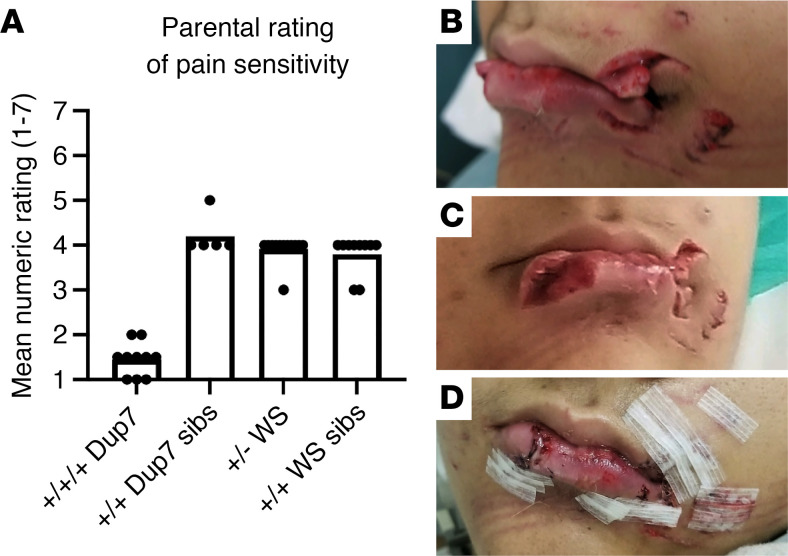 Figure 1
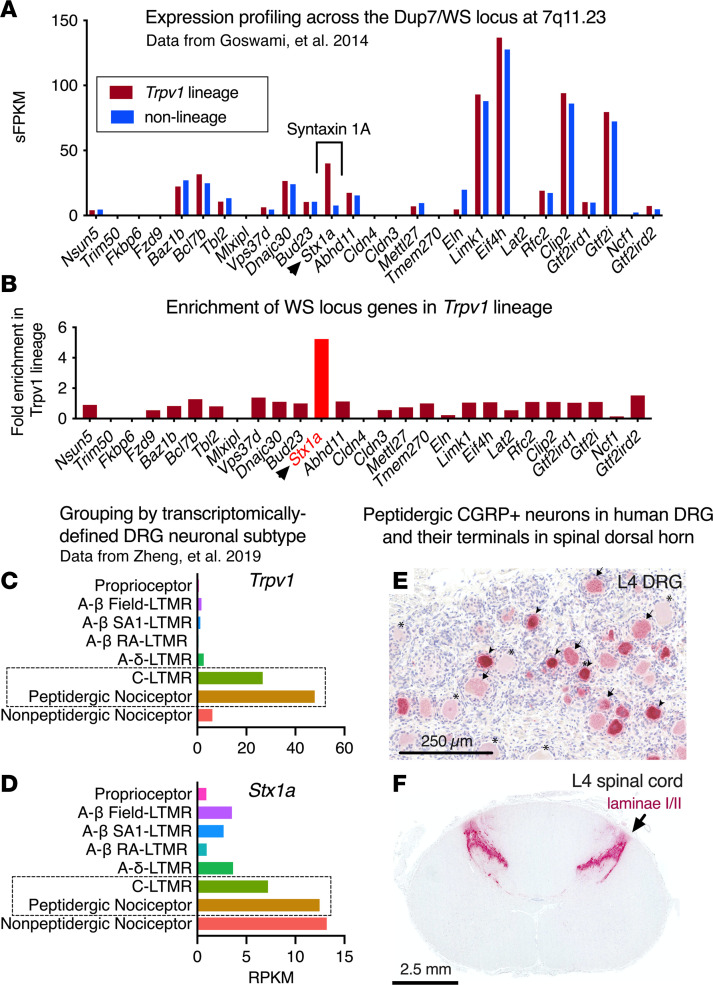 Figure 2
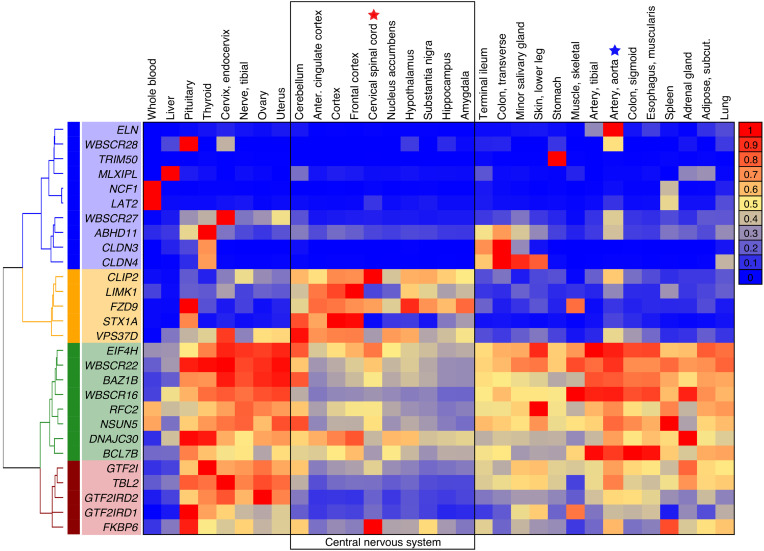 Figure 3
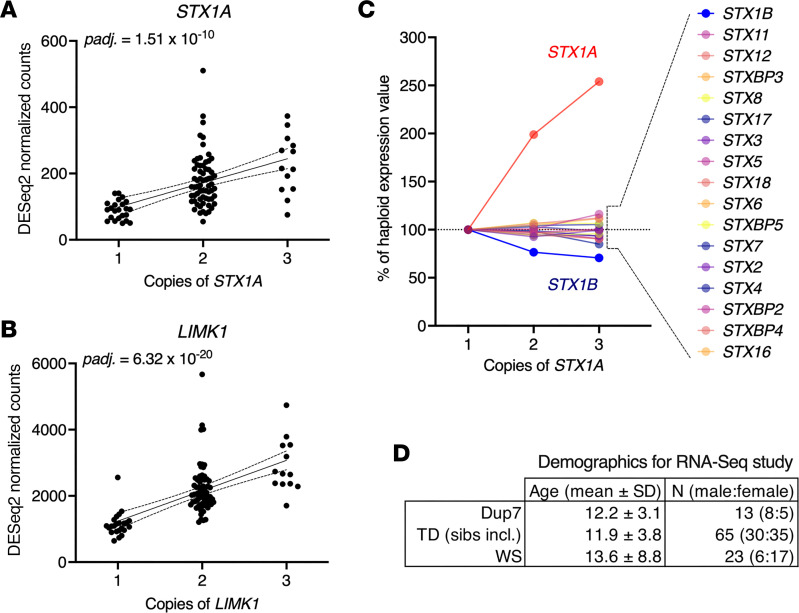 Figure 4
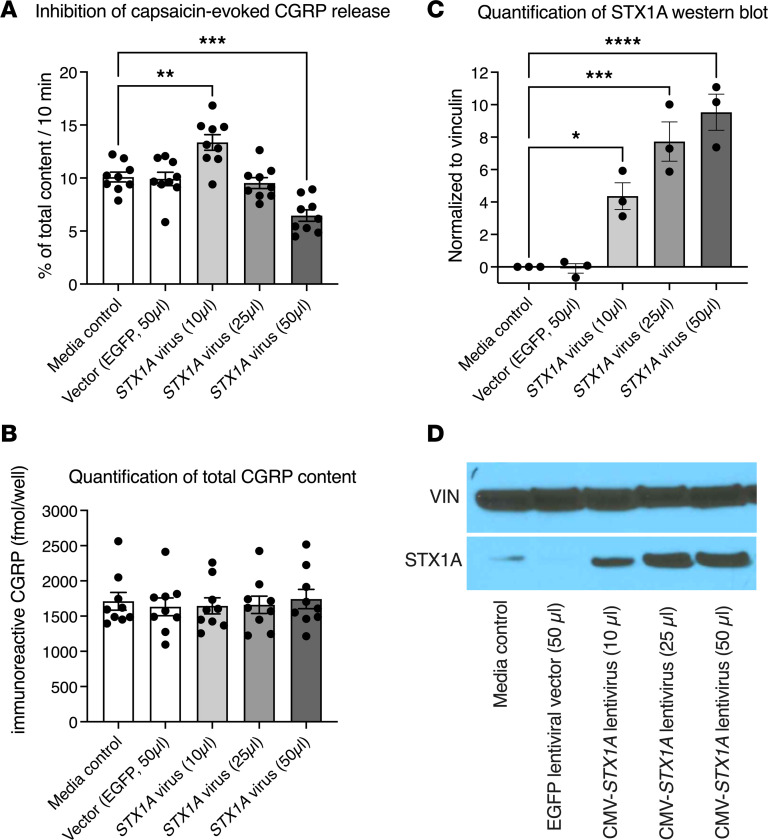 Figure 5
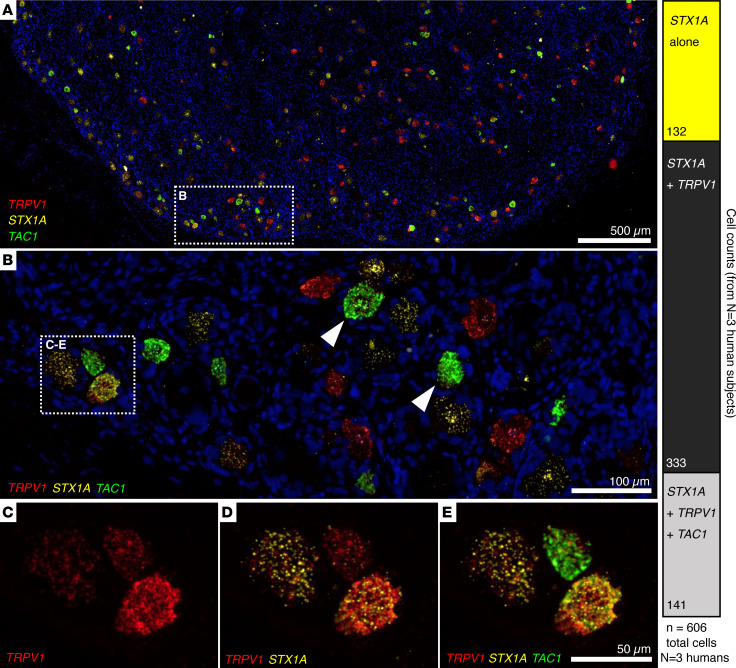 Figure 6
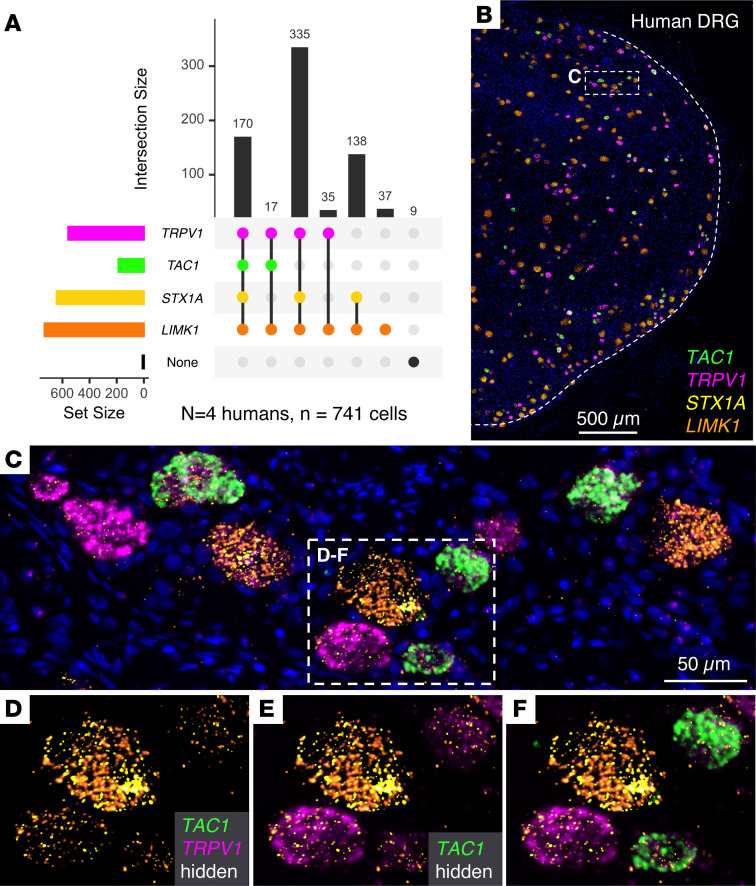 Figure 7
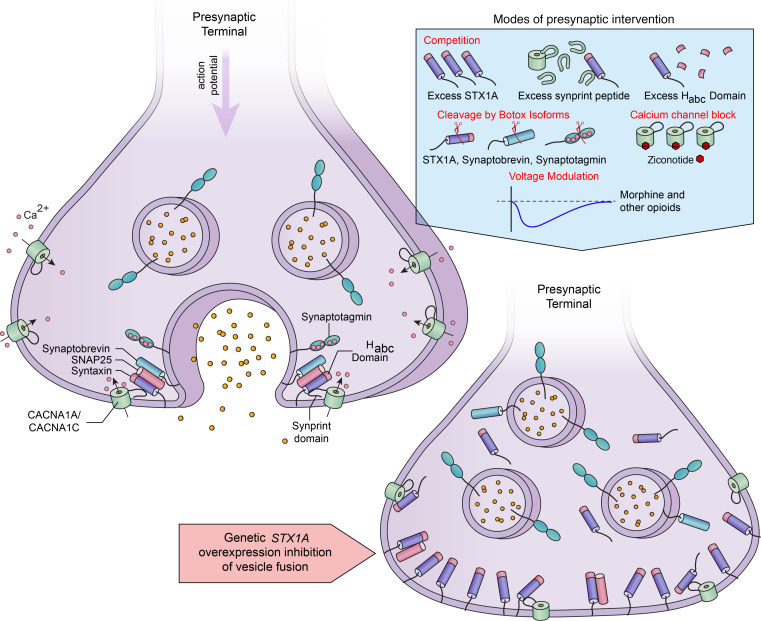 Figure 8
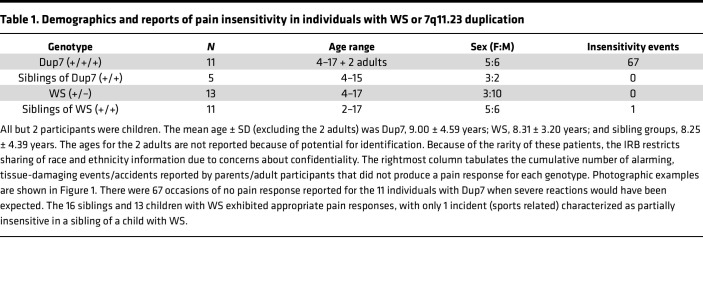 Figure 9
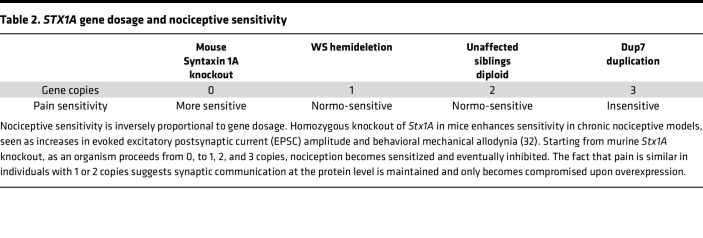 Figure 10
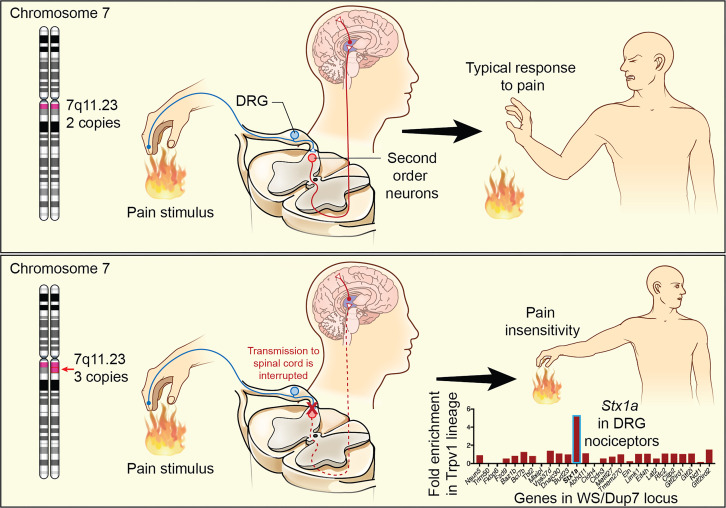 Figure 11
Peer Reviews
No public reviews on file for this paper yet. If you reviewed it on a platform where reviews are public (OpenReview, ICLR, NeurIPS, ICML), you can paste yours below so the community can read it here.
Videos
No videos yet. Explain this paper in a talk, walkthrough, or lecture? Add one.
Taxonomy
TopicsWilliams Syndrome Research