A novel homozygous variant (c.5876T > C: p. Leu1959Pro) in DYSF segregates with limb-girdle muscular dystrophy: a case report
Hamed Hesami, Serwa Ghasemi, Golnaz Houshmand, Yalda Nilipour, Mahshid Hesami, Alireza Biglari, Shahriar Nafissi, Majid Maleki, Samira Kalayinia

TL;DR
A new genetic variant in the DYSF gene is linked to limb-girdle muscular dystrophy in a young adult from a consanguineous family.
Contribution
A novel homozygous DYSF variant (c.5876T > C: p. Leu1959Pro) is identified and validated as pathogenic in LGMD.
Findings
A novel homozygous missense variant in DYSF was identified through whole-exome sequencing.
The variant was confirmed using Sanger sequencing and its impact on protein structure was analyzed computationally.
The study reinforces the role of DYSF in limb-girdle muscular dystrophy.
Abstract
Limb girdle muscular dystrophies (LGMDs) constitute a heterogeneous group of neuromuscular disorders with a very variable clinical presentation and overlapping traits. The clinical symptoms of LGMD typically appear in adolescence or early adulthood. Genetic variation in the dysferlin gene (DYSF) has been associated with LGMD. We characterized a recessive LGMD in a young adult from consanguineous Irani families using whole-exome sequencing (WES) technology. Sanger sequencing was performed to verify the identified variant. Computational modeling and protein-protein docking were used to investigate the impact of the variant on the structure and function of the DYSF protein. By WES, we identified a novel homozygous missense variant in DYSF (NM_003494.4: c.5876T > C: p. Leu1959Pro) previously been associated with LGMD phenotypes. The identification and validation of new pathogenic DYSF…
Genes, proteins, chemicals, diseases, species, mutations and cell lines named across the full text — each resolved to its canonical identifier and authoritative record.
Click any figure to enlarge with its caption.
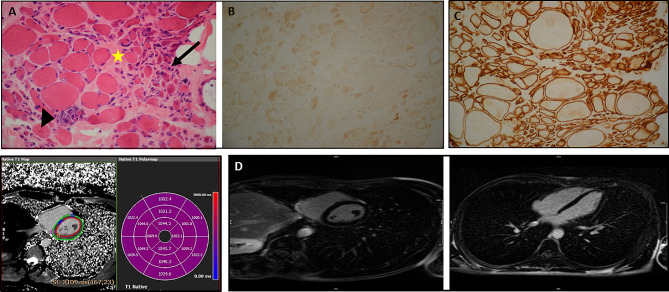 Figure 1
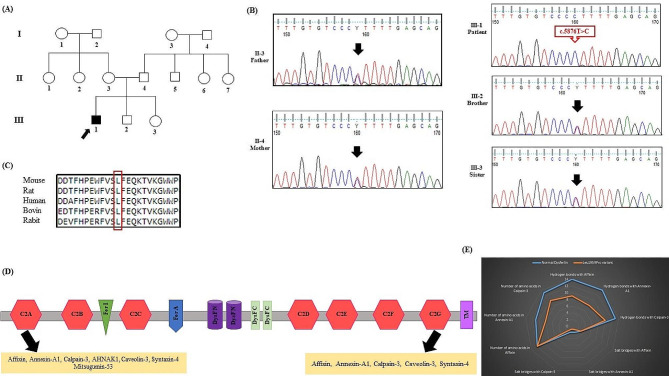 Figure 2
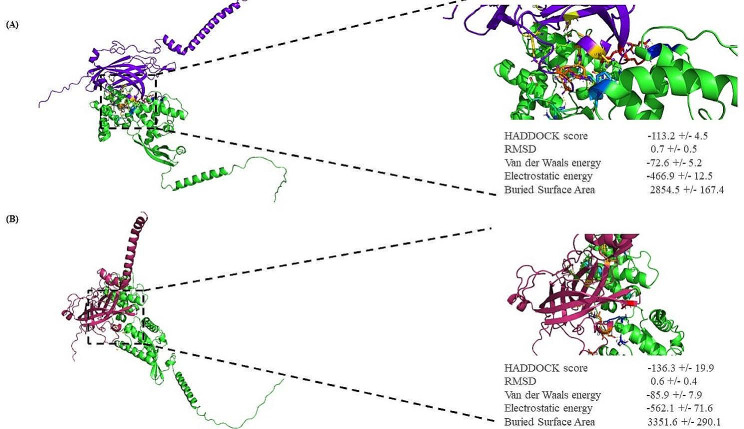 Figure 3
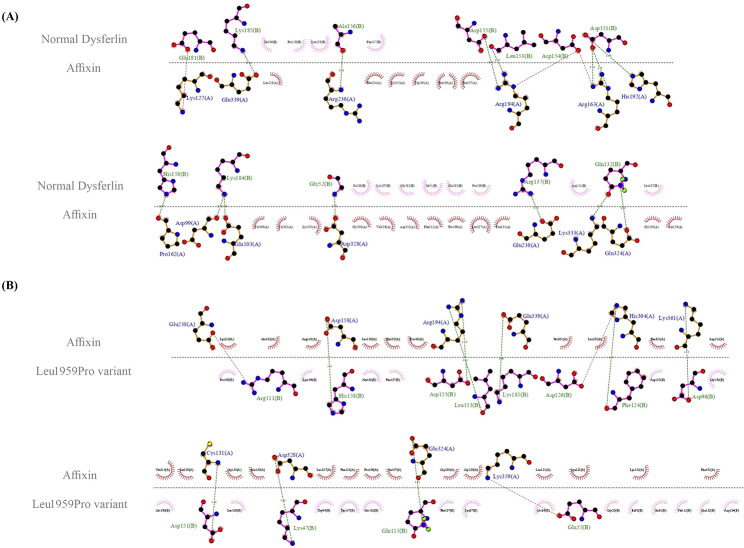 Figure 4
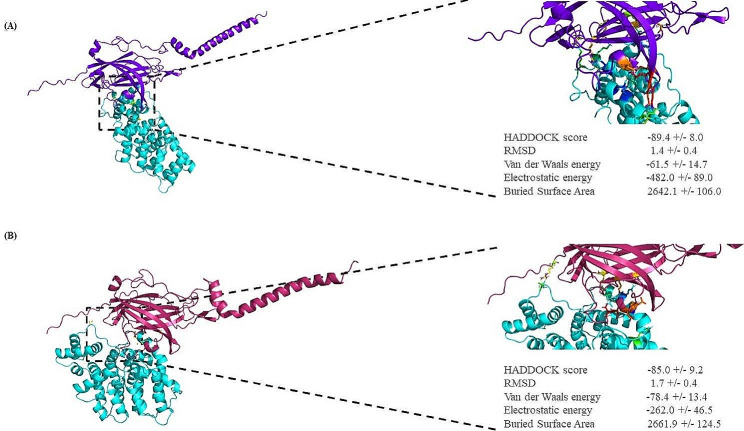 Figure 5
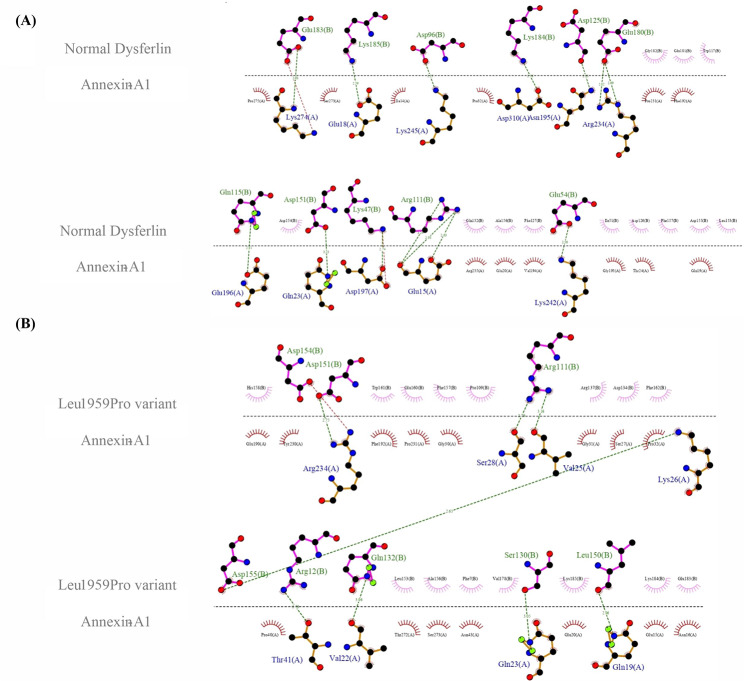 Figure 6
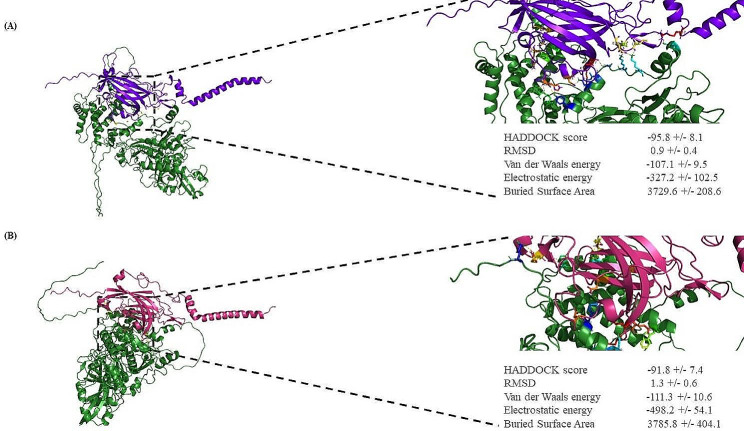 Figure 7
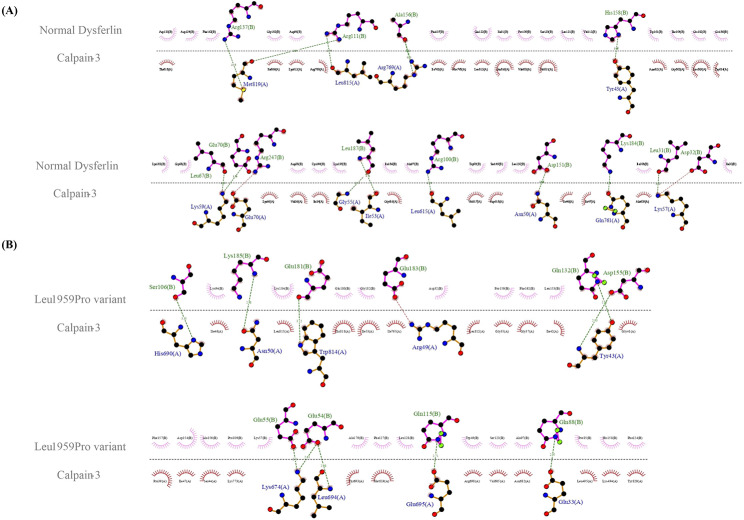 Figure 8
Peer Reviews
No public reviews on file for this paper yet. If you reviewed it on a platform where reviews are public (OpenReview, ICLR, NeurIPS, ICML), you can paste yours below so the community can read it here.
Videos
No videos yet. Explain this paper in a talk, walkthrough, or lecture? Add one.
Taxonomy
TopicsMuscle Physiology and Disorders · RNA modifications and cancer · RNA Research and Splicing