The Contribution of Multiple Pregnancies in Stillbirths in Greece: A Time-Trend Analysis
Nikolaos Vlachadis, Sofoklis Stavros, Nikolaos Machairiotis, Dionysios Vrachnis, Nikolaos Loukas, Nikolaos Antonakopoulos, Alexandros Fotiou, Georgios Maroudias, Petros Drakakis, Nikolaos Vrachnis

TL;DR
This study examines how multiple pregnancies in Greece have impacted stillbirth rates over 65 years, finding a significant but decreasing contribution in recent decades.
Contribution
The study provides a long-term time-trend analysis of stillbirth rates linked to multiple pregnancies in Greece, revealing historical patterns and recent improvements.
Findings
Multiple pregnancies accounted for 9.4% of stillbirths in Greece from 1957 to 2021.
Stillbirth rates in multiple births decreased significantly from 1976 to 2021.
The population attributable risk of stillbirths due to multiple pregnancies peaked in 2012 but dropped to 8.6% by 2021.
Abstract
Introduction Multiple pregnancy is an established risk factor for fetal death. This study aimed to examine the impact of multifetal pregnancies on stillbirth rates (SBRs) in the Greek population. Methods Data on live births and stillbirths by multiplicity were derived from the Hellenic Statistical Authority, covering a 65-year period from 1957 to 2021. The SBR for multiple and single gestations, and the population attributable risk (%) (PAR (%)) stillbirth attributable to multifetal gestations were calculated, and temporal trends were assessed using joinpoint regression analysis, with annual percentage changes (APC) and 95% confidence interval (95% CI). Results In the period 1957-2021, multiple pregnancies accounted for 9.4% of total stillbirths in Greece and the overall relative risk of fetal death among multifetal gestations was 3.34, in comparison with singletons. The SBR in…
Genes, proteins, chemicals, diseases, species, mutations and cell lines named across the full text — each resolved to its canonical identifier and authoritative record.
Click any figure to enlarge with its caption.
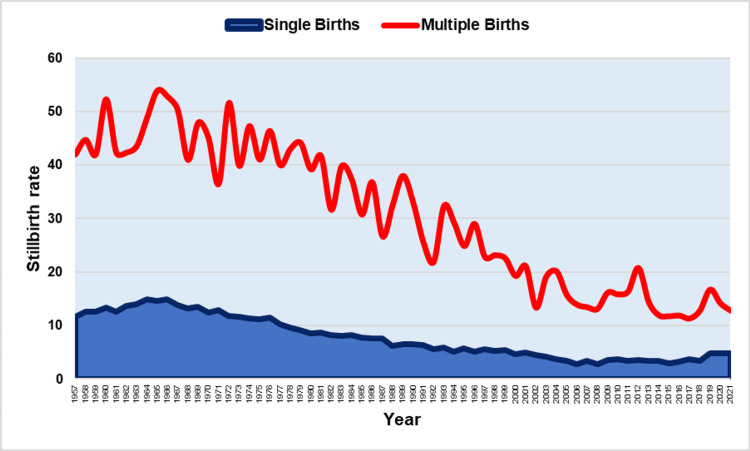 Figure 1
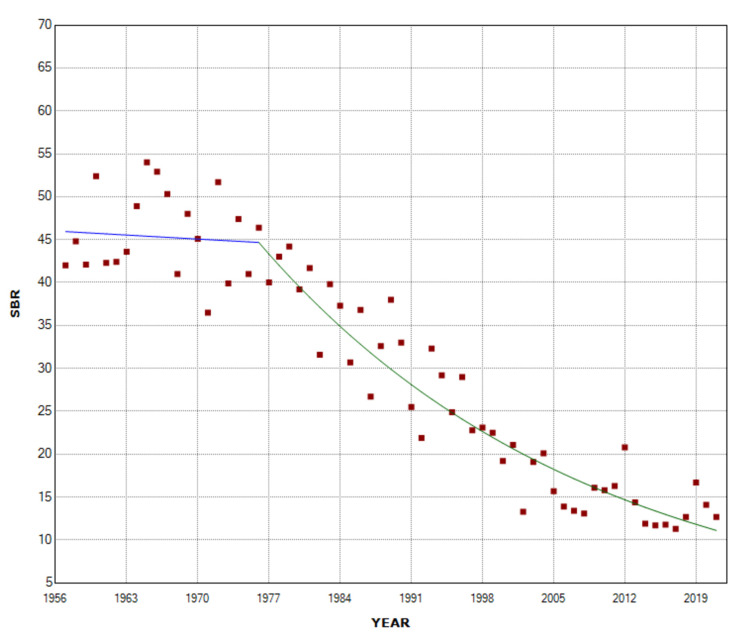 Figure 2
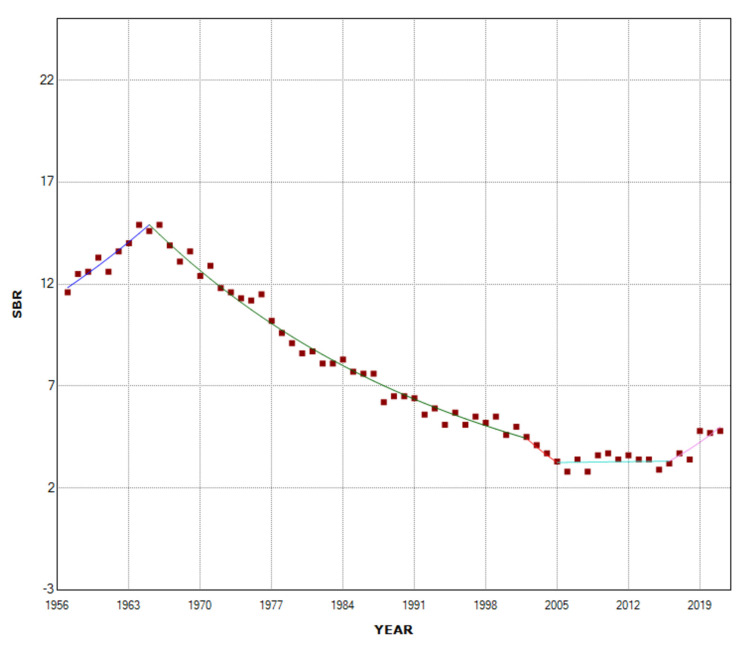 Figure 3
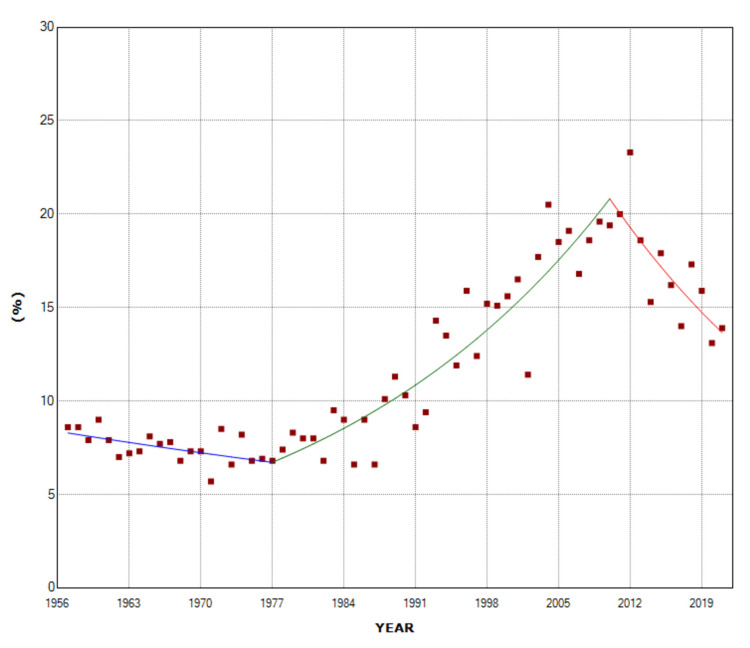 Figure 4
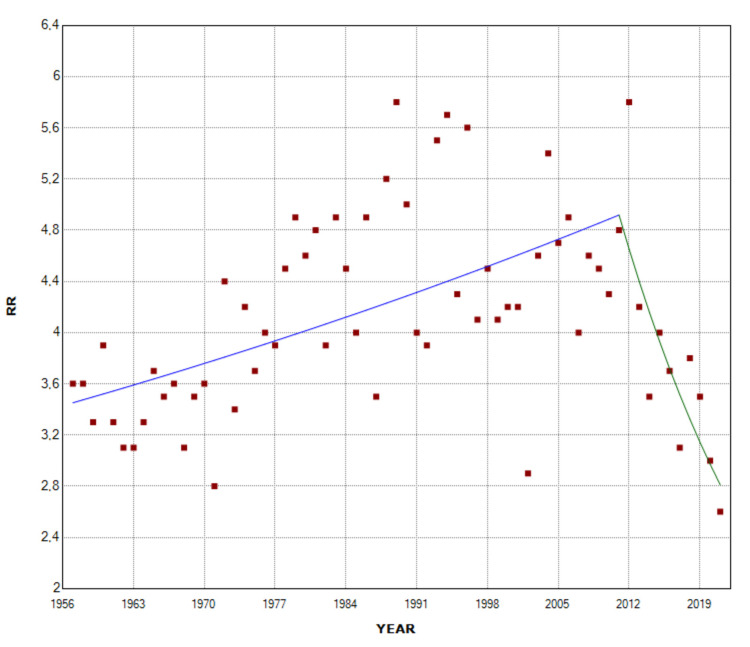 Figure 5
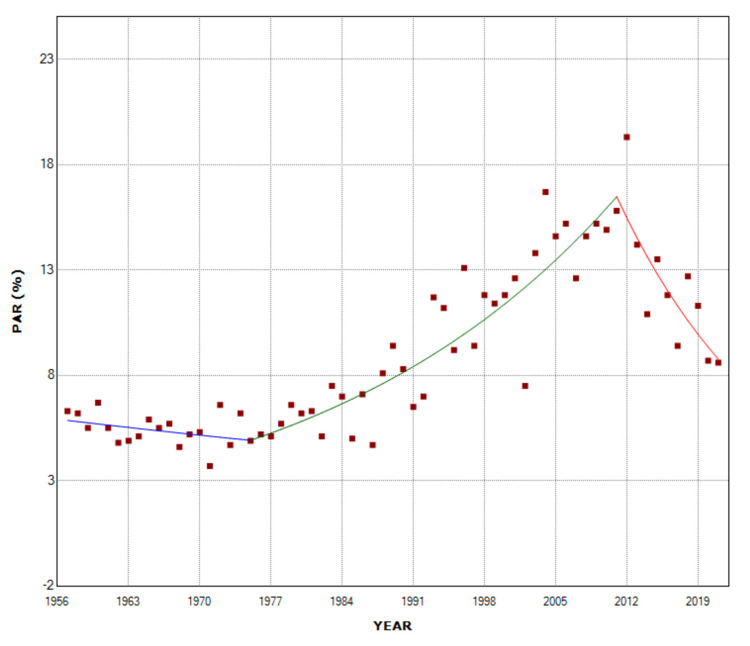 Figure 6
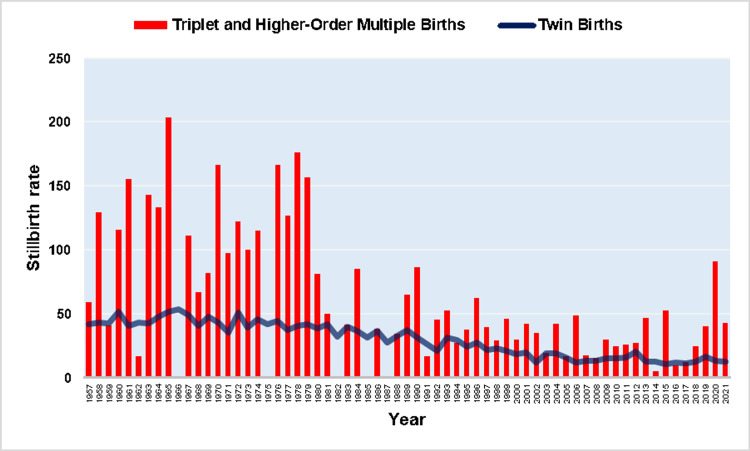 Figure 7
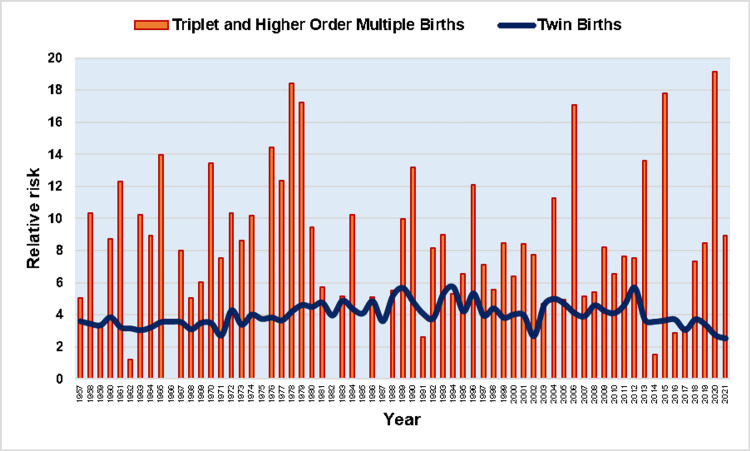 Figure 8
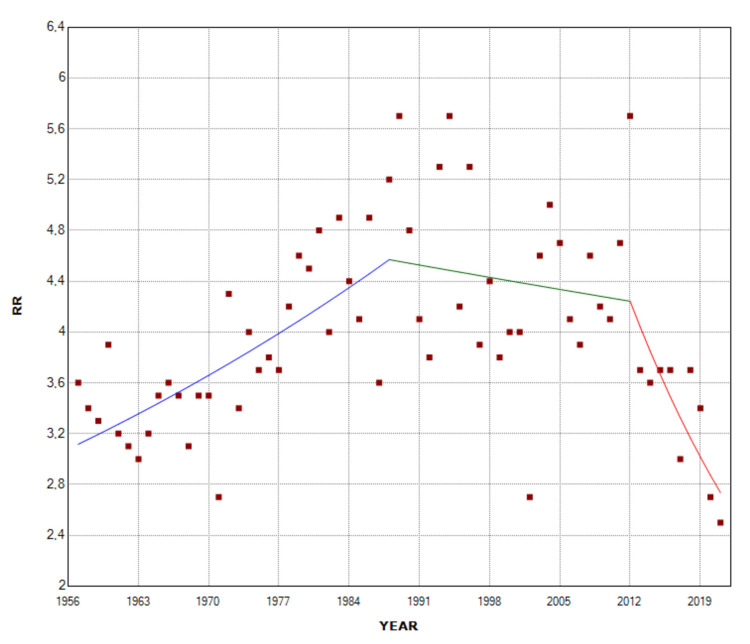 Figure 9
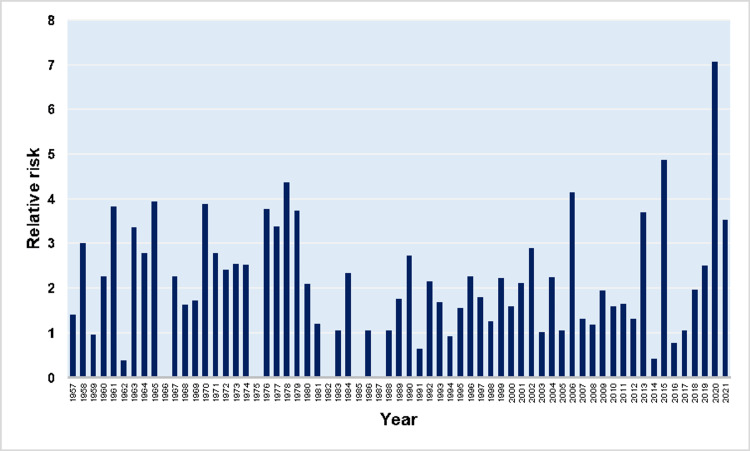 Figure 10
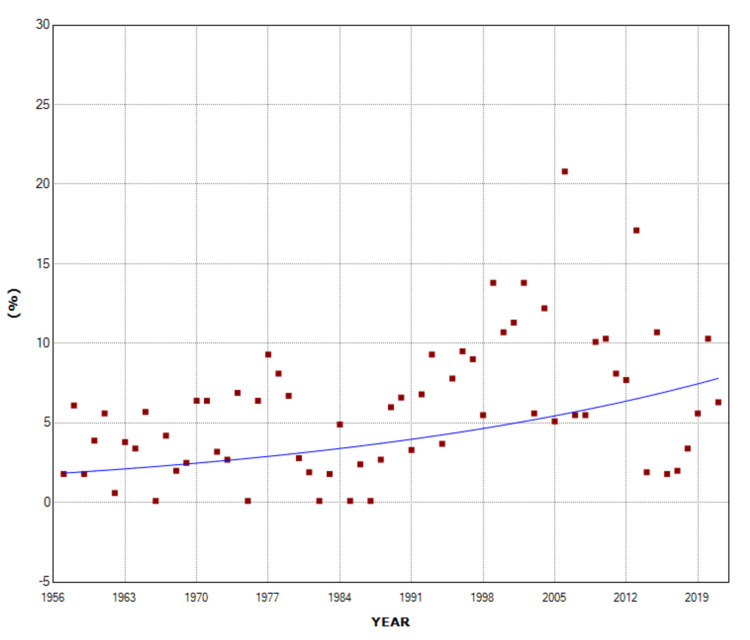 Figure 11
Peer Reviews
No public reviews on file for this paper yet. If you reviewed it on a platform where reviews are public (OpenReview, ICLR, NeurIPS, ICML), you can paste yours below so the community can read it here.
Videos
No videos yet. Explain this paper in a talk, walkthrough, or lecture? Add one.
Taxonomy
TopicsAssisted Reproductive Technology and Twin Pregnancy · Global Maternal and Child Health · Demographic Trends and Gender Preferences