In silico agent-based modeling approach to characterize multiple in vitro tuberculosis infection models
Alexa Petrucciani, Alexis Hoerter, Leigh Kotze, Nelita Du Plessis, Elsje Pienaar, Bhanwar Lal Puniya, Bhanwar Lal Puniya, Bhanwar Lal Puniya, Bhanwar Lal Puniya

TL;DR
This paper introduces a flexible in silico model to simulate and compare different in vitro tuberculosis infection models, helping to understand immune responses and drug screening outcomes.
Contribution
A novel agent-based model is introduced to simulate and compare traditional and spheroid in vitro tuberculosis models with calibrated parameters.
Findings
Simulations show heterogeneous bacterial counts and T cell infiltration in spheroid models.
Equivalent macrophage activation does not always lead to similar bacterial reductions.
STAT1 activation is a limiting factor in macrophage activation within spheroids.
Abstract
In vitro models of Mycobacterium tuberculosis (Mtb) infection are a valuable tool for examining host-pathogen interactions and screening drugs. With the development of more complex in vitro models, there is a need for tools to help analyze and integrate data from these models. To this end, we introduce an agent-based model (ABM) representation of the interactions between immune cells and bacteria in an in vitro setting. This in silico model was used to simulate both traditional and spheroid cell culture models by changing the movement rules and initial spatial layout of the cells in accordance with the respective in vitro models. The traditional and spheroid simulations were calibrated to published experimental data in a paired manner, by using the same parameters in both simulations. Within the calibrated simulations, heterogeneous outputs are seen for bacterial count and T cell…
Genes, proteins, chemicals, diseases, species, mutations and cell lines named across the full text — each resolved to its canonical identifier and authoritative record.
Click any figure to enlarge with its caption.
 Figure 1
 Figure 2
 Figure 3
 Figure 4
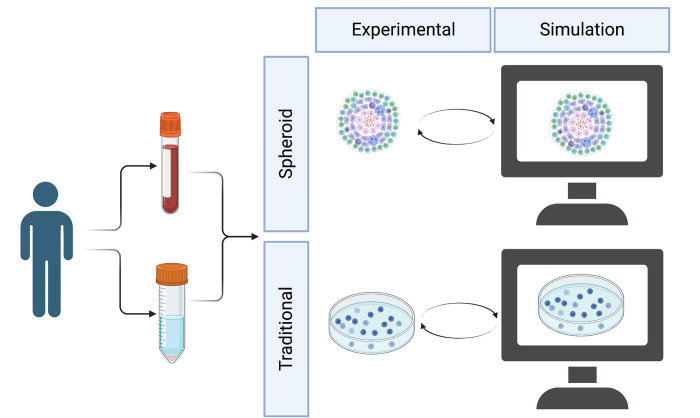 Figure 5
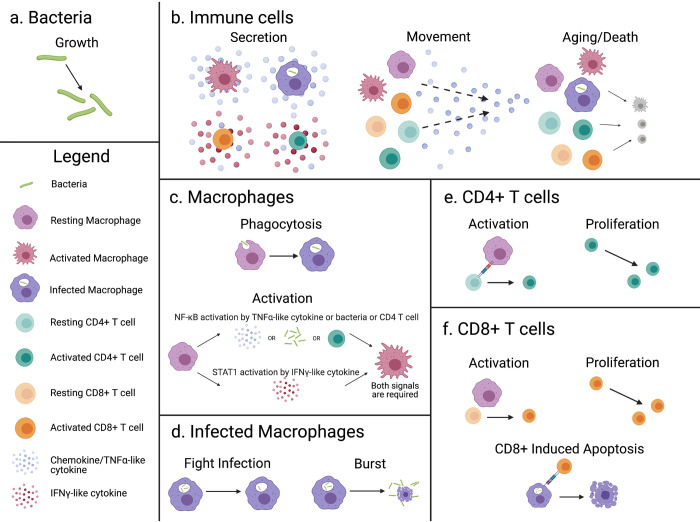 Figure 6
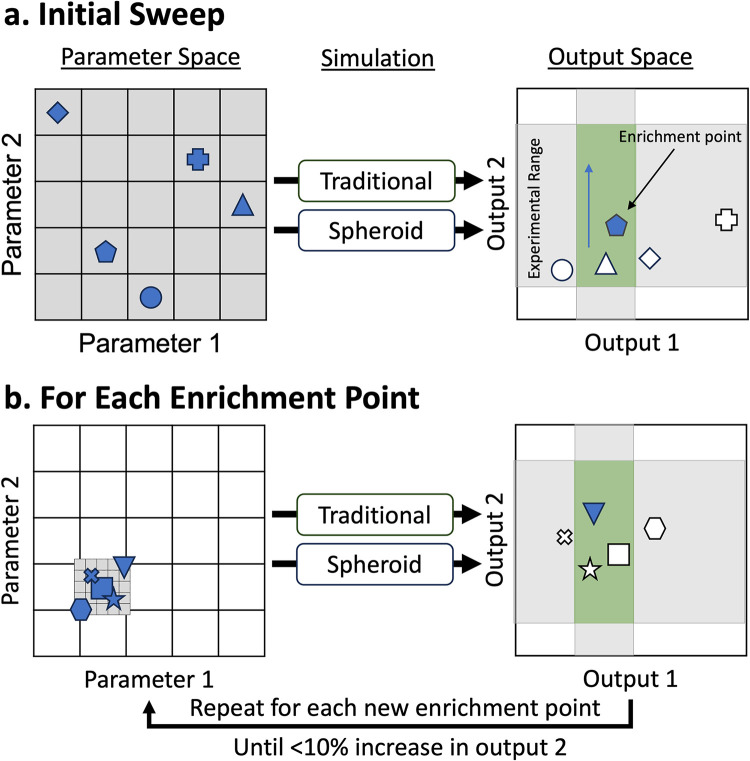 Figure 7
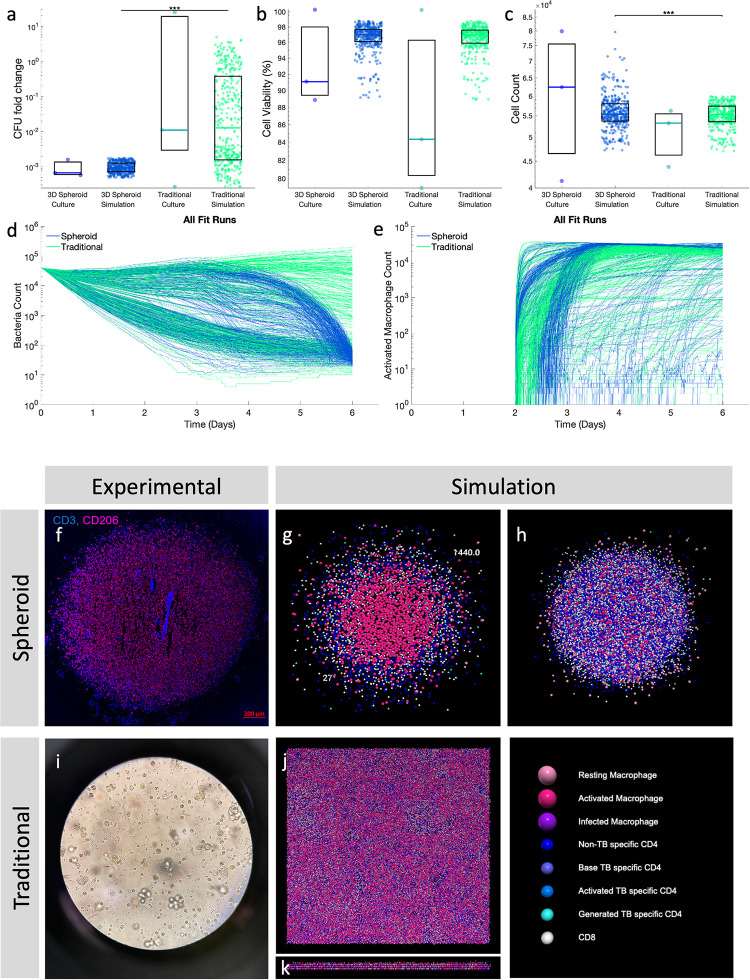 Figure 8
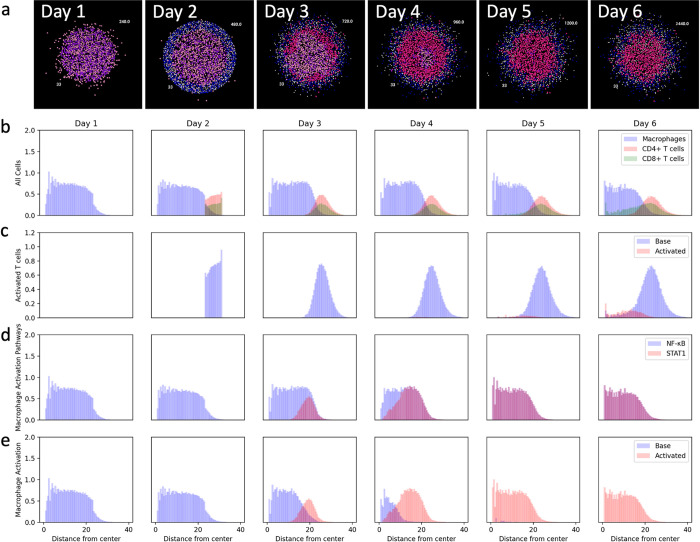 Figure 9
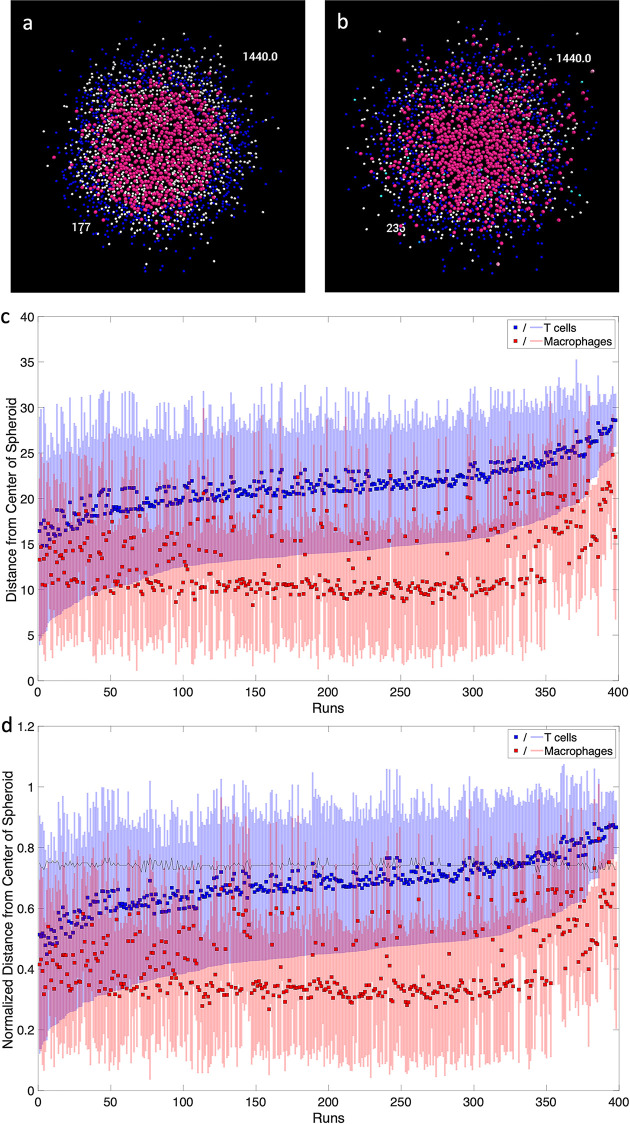 Figure 10
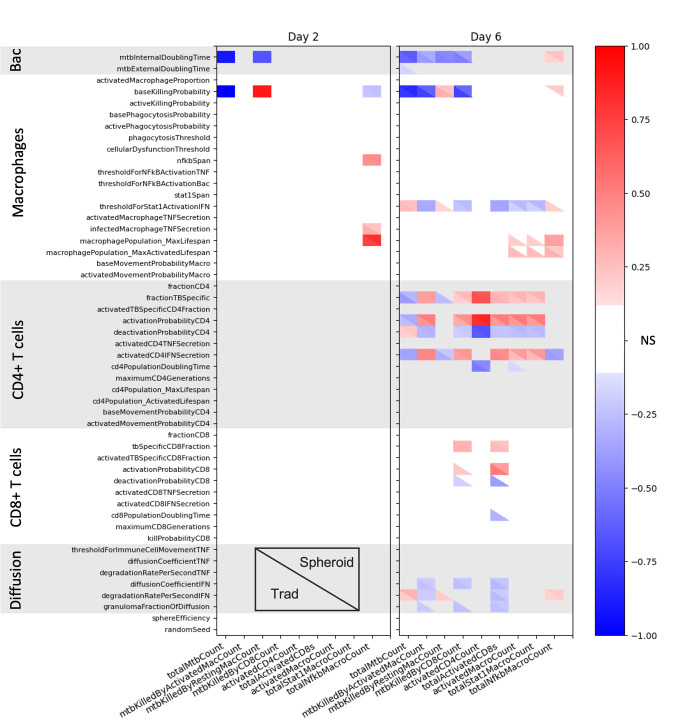 Figure 11
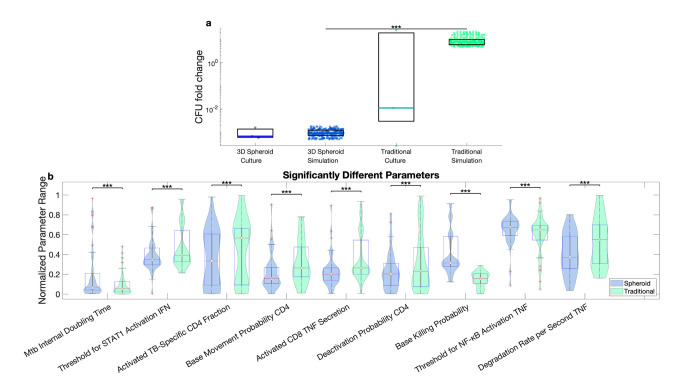 Figure 12
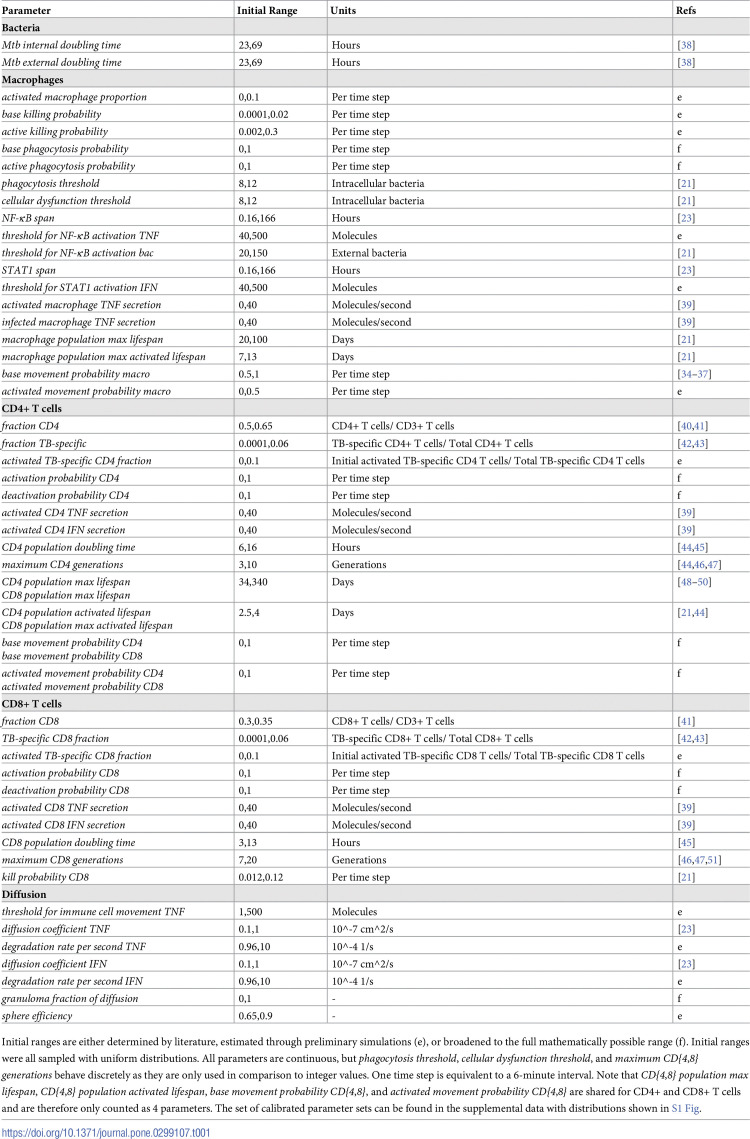 Figure 13
Peer Reviews
No public reviews on file for this paper yet. If you reviewed it on a platform where reviews are public (OpenReview, ICLR, NeurIPS, ICML), you can paste yours below so the community can read it here.
Videos
No videos yet. Explain this paper in a talk, walkthrough, or lecture? Add one.
Taxonomy
TopicsClassical Antiquity Studies