No evidence for adult smartphone use affecting attribution of communicative intention in toddlers: Online imitation study using the Sock Ball Task
Solveig Flatebø, Gabriella Óturai, Mikołaj Hernik, Laura Hannah Kelly, Giulia Ballarotto, Giulia Ballarotto, Giulia Ballarotto

TL;DR
This study investigated whether toddlers infer communicative intentions from adult smartphone use but found no evidence that it affects their imitation behavior.
Contribution
The study introduces the Sock Ball Task as a valid tool for examining toddler imitation of novel actions.
Findings
Toddlers did not show significant differences in imitation based on smartphone or wristwatch use by the model.
Toddlers imitated sub-efficient means significantly more after ostensive demonstrations compared to baseline.
The Sock Ball Task proved effective for studying toddler imitation of novel object actions.
Abstract
Adults infer others’ communicative intentions, or lack thereof, from various types of information. Young children may be initially limited to attributions based on a small set of ostensive signals. It is unknown when richer pragmatic inferences about communicative intentions emerge in development. We sought novel type of evidence for such inferences in 17-to-19-month-olds. We hypothesized that toddlers recognize adults’ smartphone use in face-to-face interactions as incongruous with ostension and would rely on this interpretation when inferring the communicative intention of a model in a new imitation task conducted entirely online, dubbed the Sock Ball Task. In Experiment 1 with a between-subject design, we tested the hypothesis by assessing toddlers’ (N = 48) imitation of sub-efficient means and the goal-outcome presented by a model, who interrupted her ostensive demonstration either…
Genes, proteins, chemicals, diseases, species, mutations and cell lines named across the full text — each resolved to its canonical identifier and authoritative record.
Click any figure to enlarge with its caption.
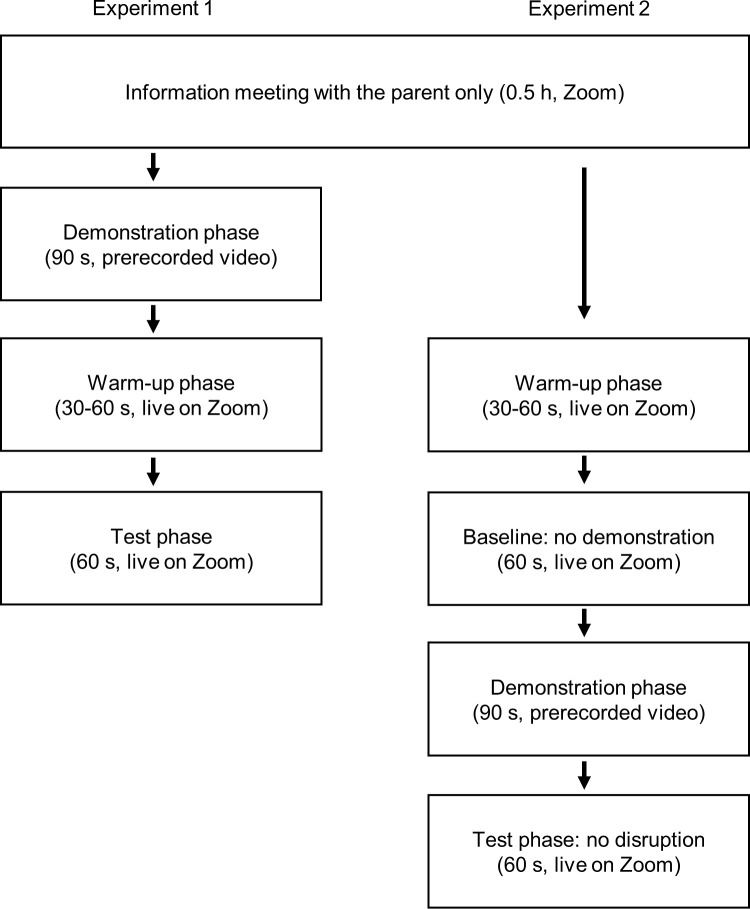 Figure 1
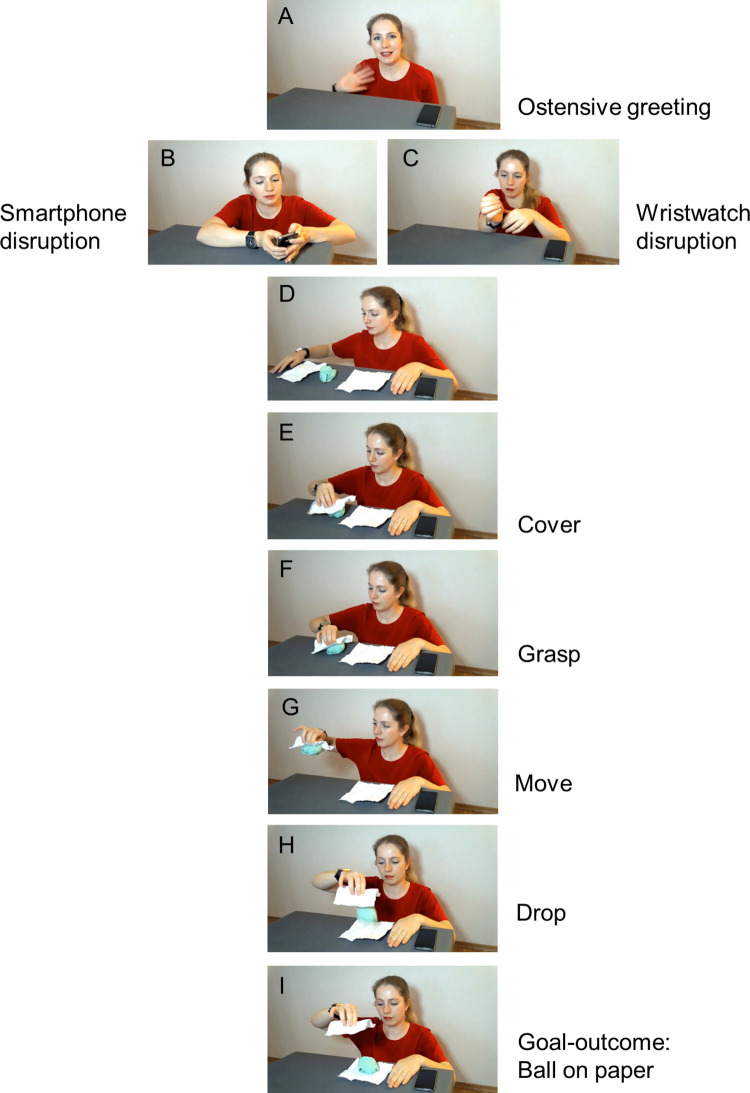 Figure 2
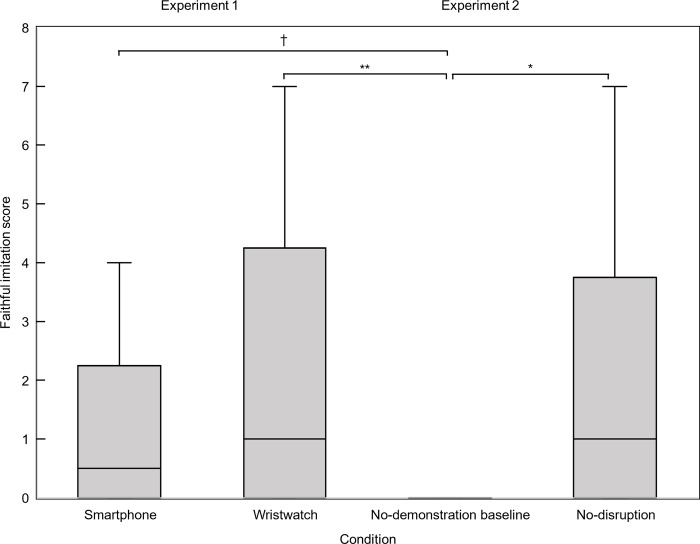 Figure 3
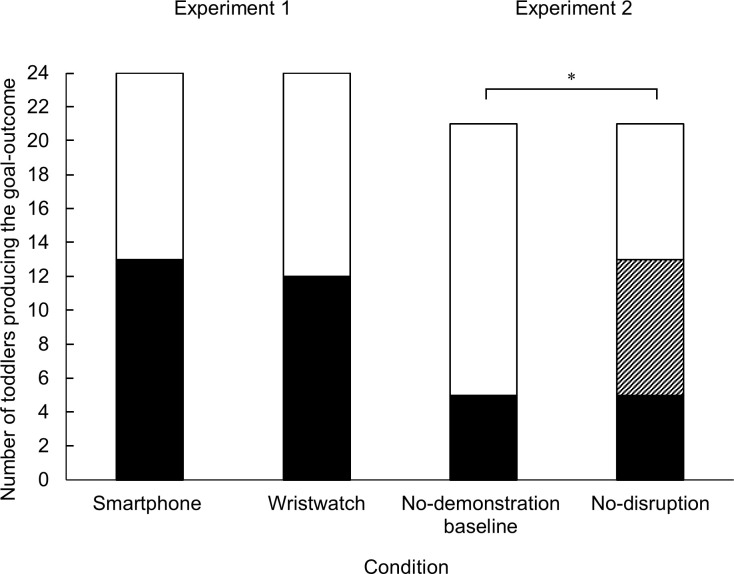 Figure 4
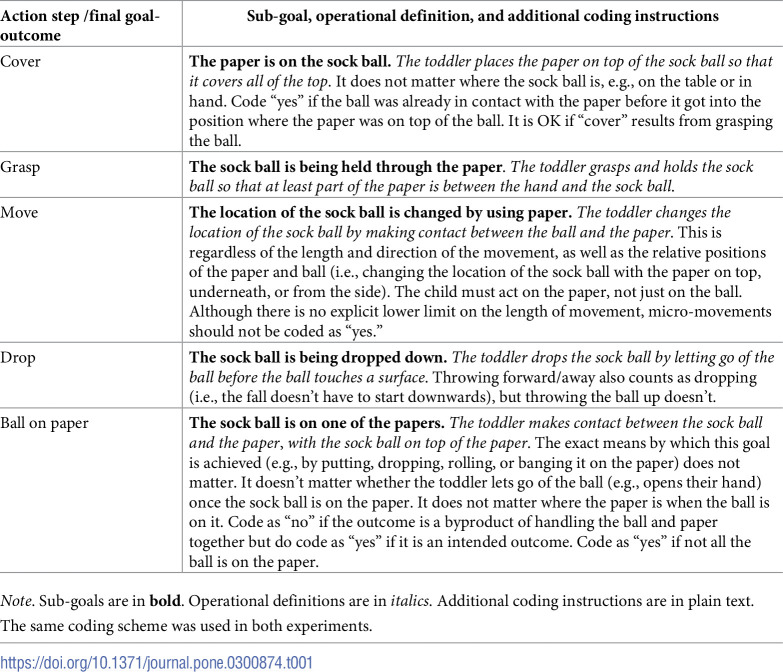 Figure 5
Peer Reviews
No public reviews on file for this paper yet. If you reviewed it on a platform where reviews are public (OpenReview, ICLR, NeurIPS, ICML), you can paste yours below so the community can read it here.
Videos
No videos yet. Explain this paper in a talk, walkthrough, or lecture? Add one.
Taxonomy
TopicsChild and Animal Learning Development · Child Development and Digital Technology · Autism Spectrum Disorder Research