Auranofin repurposing for lung and pancreatic cancer: low CA12 expression as a marker of sensitivity in patient-derived organoids, with potentiated efficacy by AKT inhibition
Christophe Deben, Laurie Freire Boullosa, Felicia Rodrigues Fortes, Edgar Cardenas De La Hoz, Maxim Le Compte, Sofie Seghers, Marc Peeters, Steve Vanlanduit, Abraham Lin, Krijn K. Dijkstra, Paul Van Schil, Jeroen M. H. Hendriks, Hans Prenen, Geert Roeyen, Filip Lardon

TL;DR
Auranofin, a drug originally used for rheumatism, may be effective against lung and pancreatic cancer, especially in patients with low CA12 levels, and works better when combined with AKT inhibitors.
Contribution
Identified CA12 as a biomarker for Auranofin sensitivity and demonstrated enhanced efficacy when combined with AKT inhibition in cancer organoids.
Findings
Auranofin shows selective cytotoxicity against NSCLC and PDAC cancer cells at low concentrations.
Low CA12 expression is associated with increased sensitivity to Auranofin treatment.
Combining Auranofin with AKT inhibitor MK2206 enhances therapeutic efficacy without harming healthy cells.
Abstract
This study explores the repurposing of Auranofin (AF), an anti-rheumatic drug, for treating non-small cell lung cancer (NSCLC) adenocarcinoma and pancreatic ductal adenocarcinoma (PDAC). Drug repurposing in oncology offers a cost-effective and time-efficient approach to developing new cancer therapies. Our research focuses on evaluating AF's selective cytotoxicity against cancer cells, identifying RNAseq-based biomarkers to predict AF response, and finding the most effective co-therapeutic agents for combination with AF. Our investigation employed a comprehensive drug screening of AF in combination with eleven anticancer agents in cancerous PDAC and NSCLC patient-derived organoids (n = 7), and non-cancerous pulmonary organoids (n = 2). Additionally, we conducted RNA sequencing to identify potential biomarkers for AF sensitivity and experimented with various drug combinations to…
Genes, proteins, chemicals, diseases, species, mutations and cell lines named across the full text — each resolved to its canonical identifier and authoritative record.
Click any figure to enlarge with its caption.
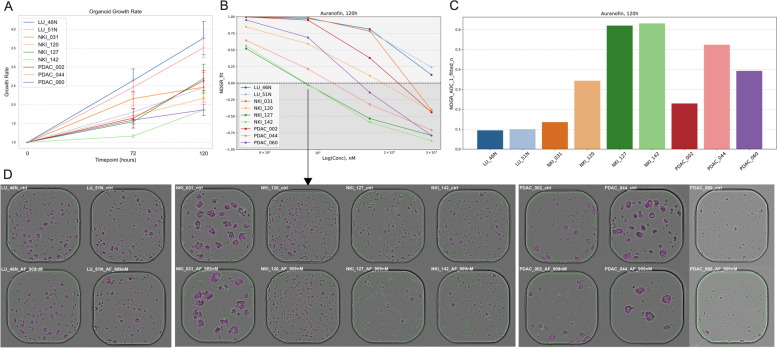 Figure 1
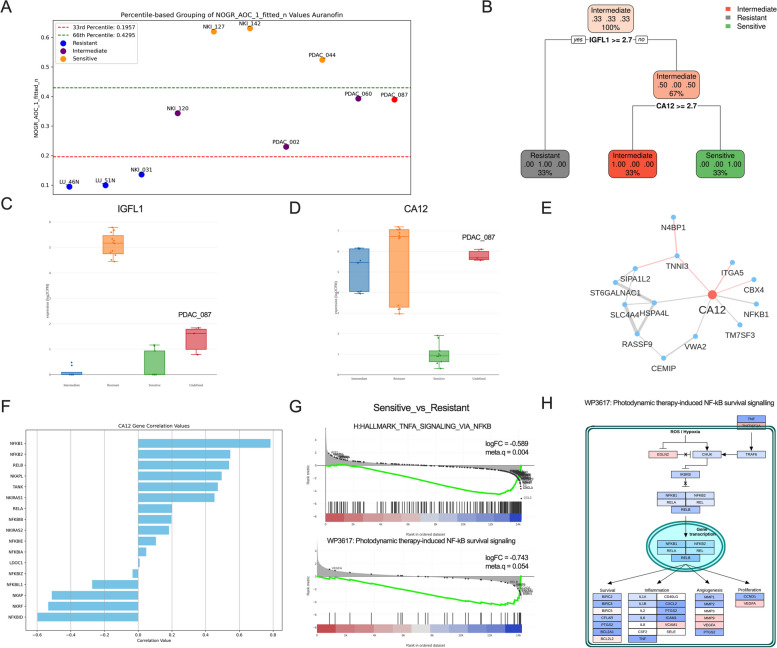 Figure 2
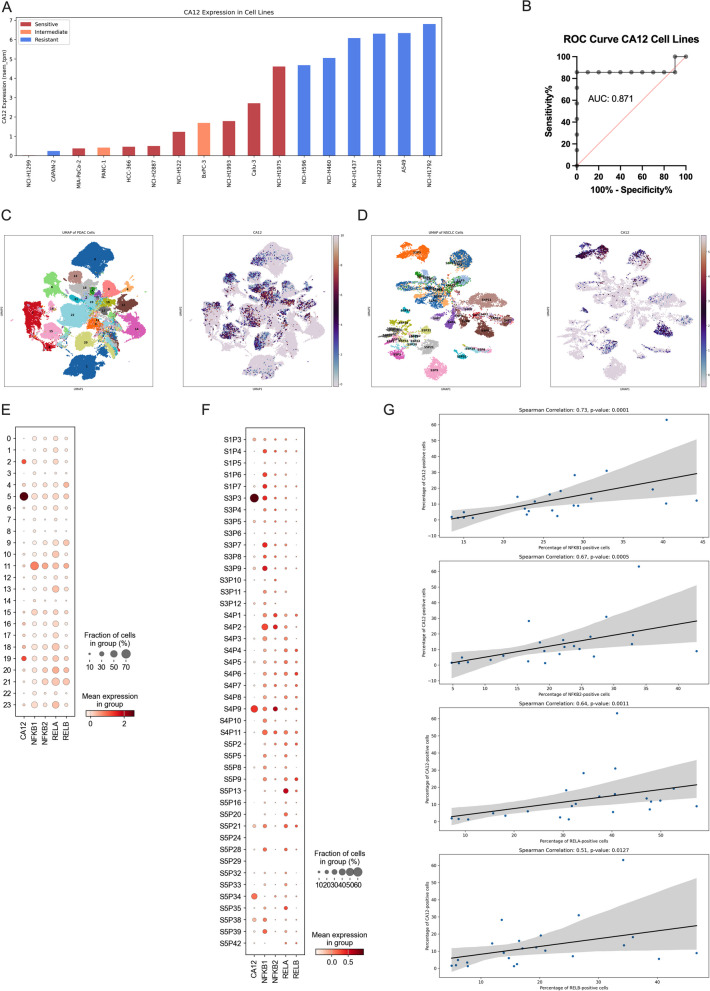 Figure 3
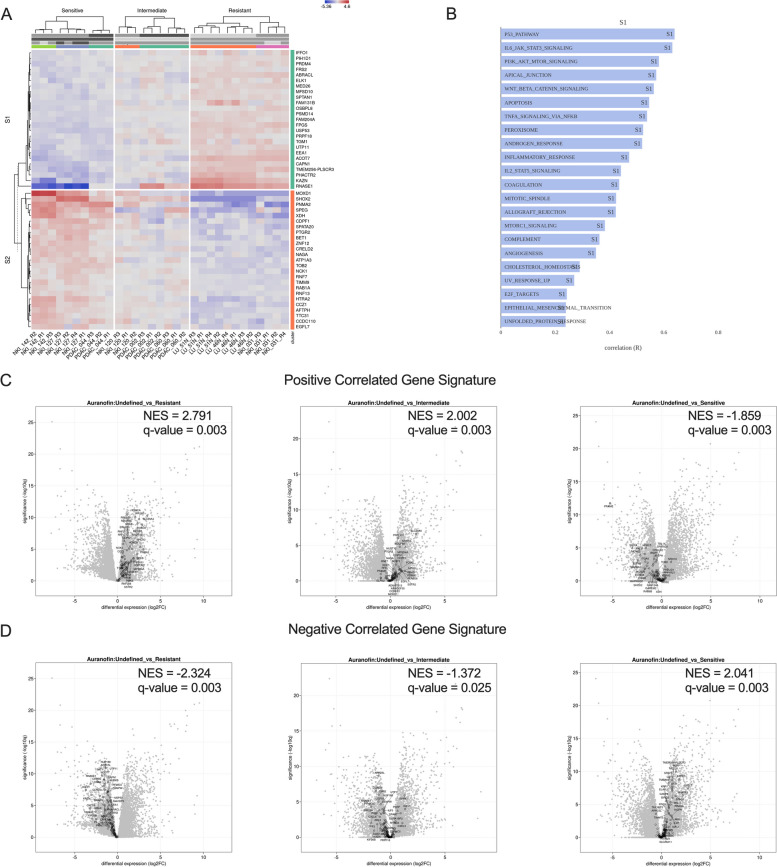 Figure 4
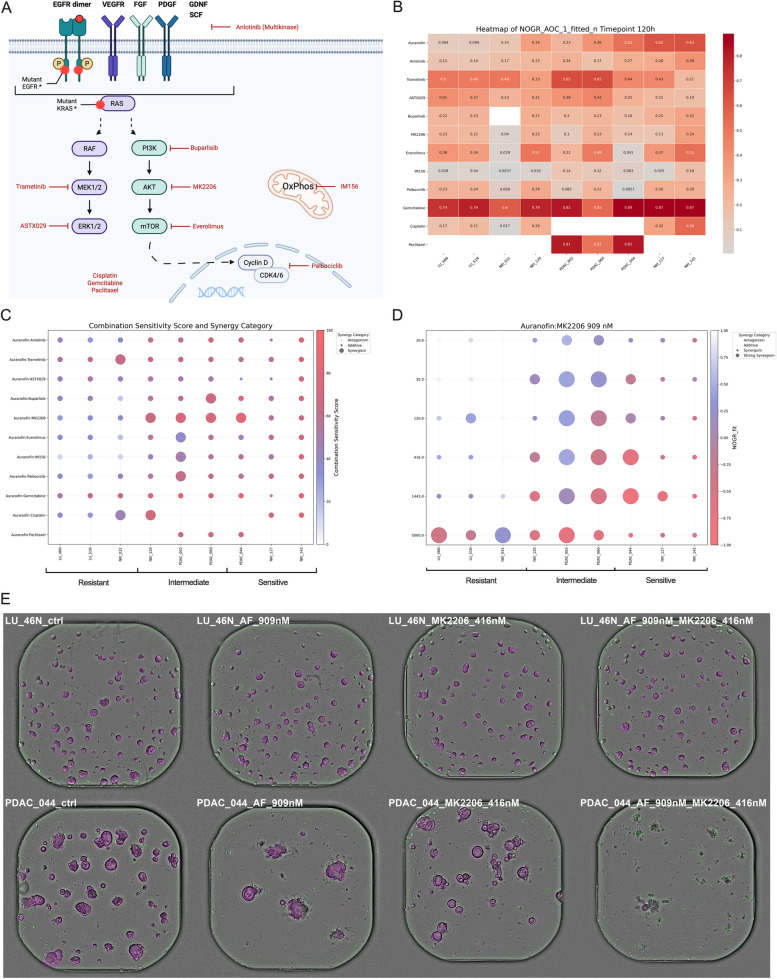 Figure 5
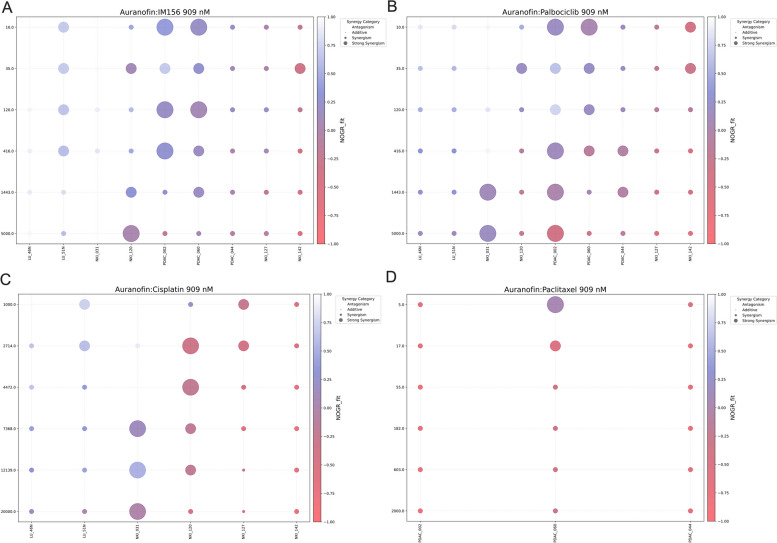 Figure 6
Peer Reviews
No public reviews on file for this paper yet. If you reviewed it on a platform where reviews are public (OpenReview, ICLR, NeurIPS, ICML), you can paste yours below so the community can read it here.
Videos
No videos yet. Explain this paper in a talk, walkthrough, or lecture? Add one.
Taxonomy
TopicsCrime, Illicit Activities, and Governance · Criminal Justice and Corrections Analysis · Wildlife Conservation and Criminology Analyses