Bionic Nanocoating of Prosthetic Grafts Significantly Reduces Bacterial Growth
Simon Pecha, Lukas Reuter, Shahabuddin Ohdah, Johannes Petersen, Christiane Pahrmann, Pinar Aytar Çelik, Ahmet Çabuk, Hermann Reichenspurner, Yalin Yildirim

TL;DR
A bionic nanocoating on prosthetic grafts reduces bacterial growth by 97%, using a superhydrophobic surface inspired by the Lotus effect.
Contribution
A novel bionic nanocoating using silicon dioxide nanoparticles significantly reduces bacterial colonization on vascular prostheses.
Findings
Coated prostheses showed a 97% reduction in bacterial colonization during artificial perfusion.
The nanocoating achieved superhydrophobic properties with a water contact angle of >150°.
SiO2 nanoparticles were non-toxic to various human cell types.
Abstract
Prosthetic materials are a source of bacterial infections, with significant morbidity and mortality. Utilizing the bionic “Lotus effect,” we generated superhydrophobic vascular prostheses by nanocoating and investigated their resistance to bacterial colonization. Nanoparticles were generated from silicon dioxide (SiO2), and coated vascular prostheses developed a nanoscale roughness with superhydrophobic characteristics. Coated grafts and untreated controls were incubated with different bacterial solutions including heparinized blood under mechanical stress and during artificial perfusion and were analyzed. Bioviability- and toxicity analyses of SiO2 nanoparticles were performed. Diameters of SiO2 nanoparticles ranged between 20 and 180 nm. Coated prostheses showed a water contact angle of > 150° (mean 154 ± 3°) and a mean water roll-off angle of 9° ± 2°. Toxicity and viability…
Genes, proteins, chemicals, diseases, species, mutations and cell lines named across the full text — each resolved to its canonical identifier and authoritative record.
Click any figure to enlarge with its caption.
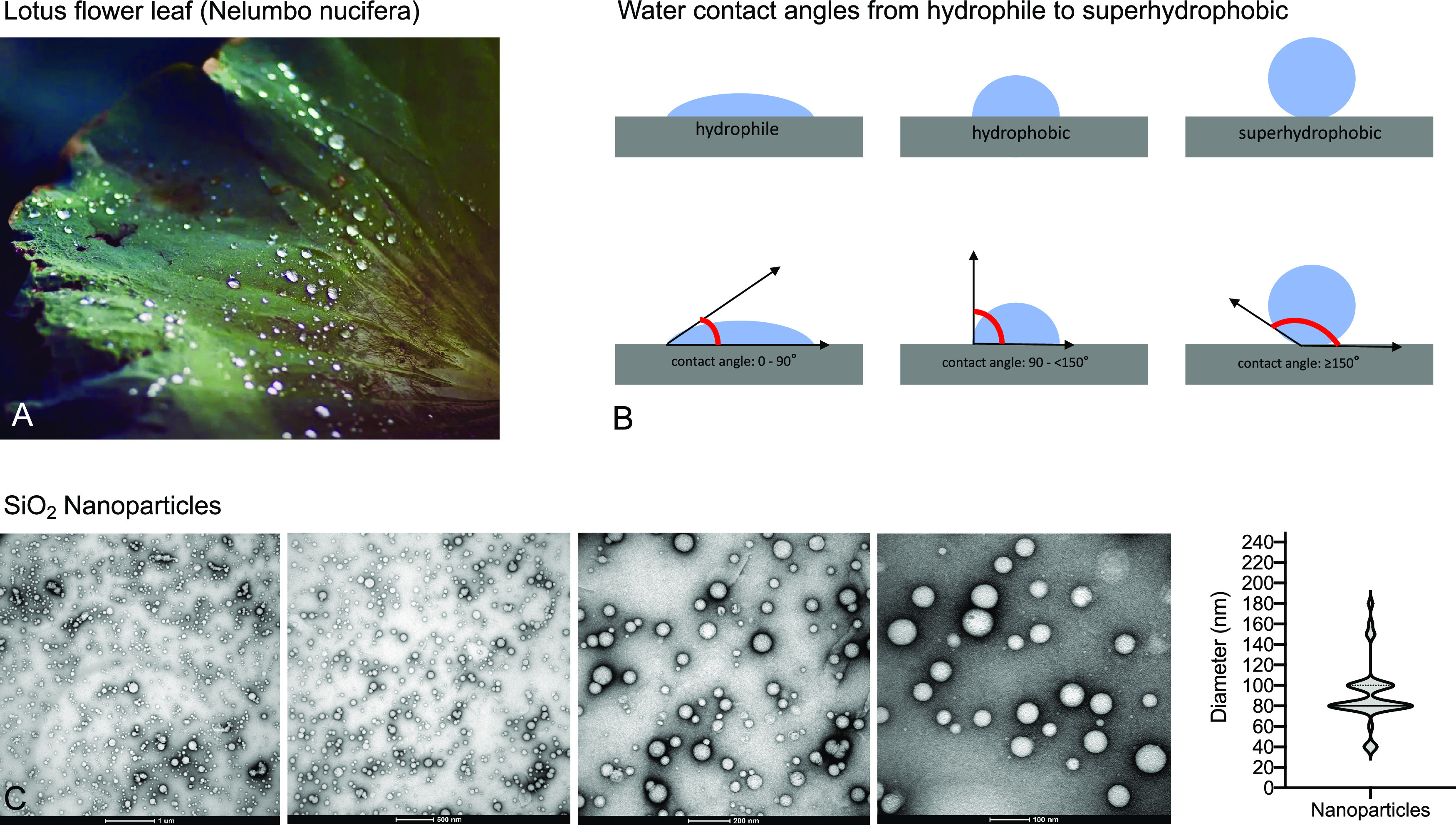 Figure 1
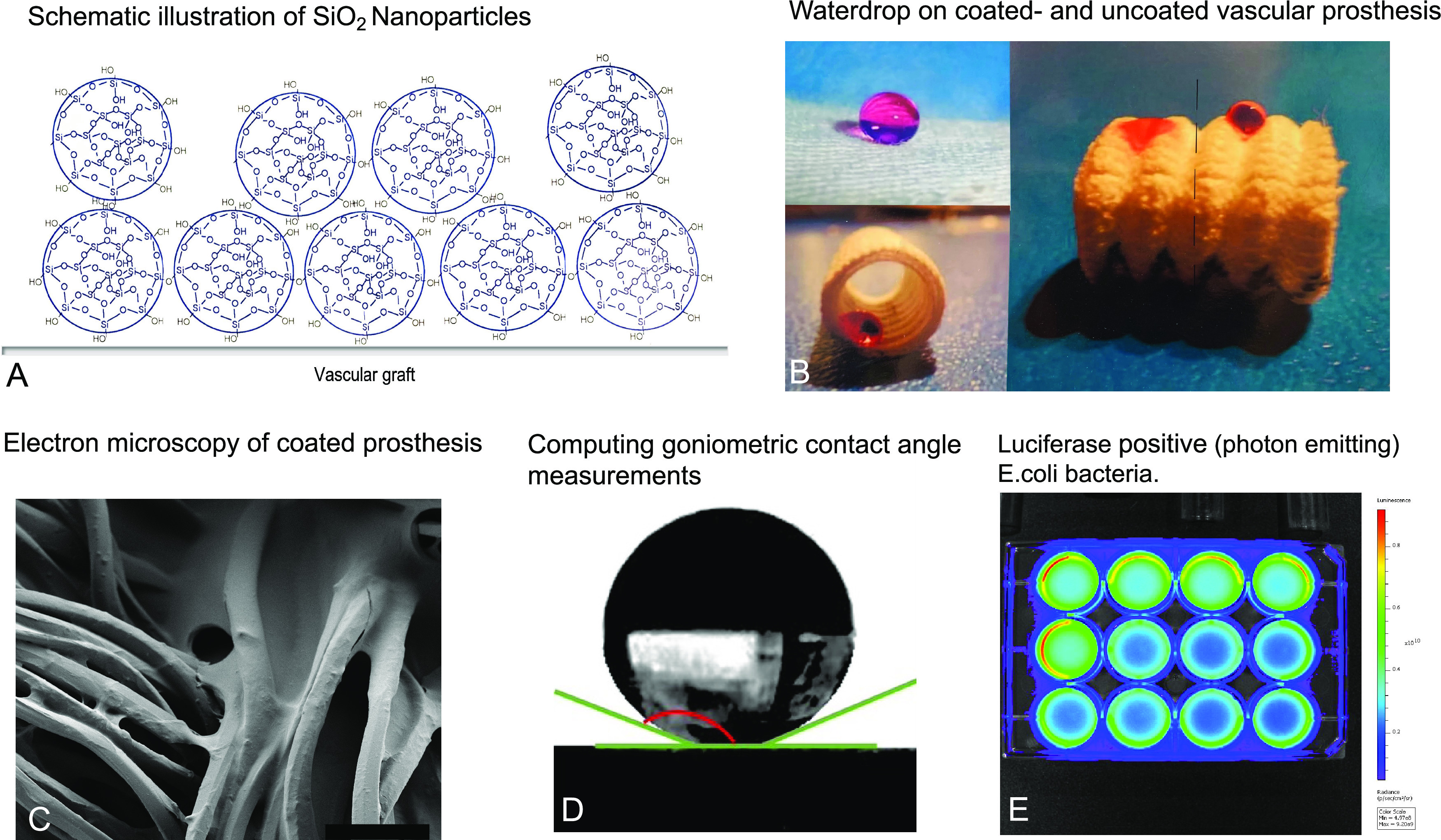 Figure 2
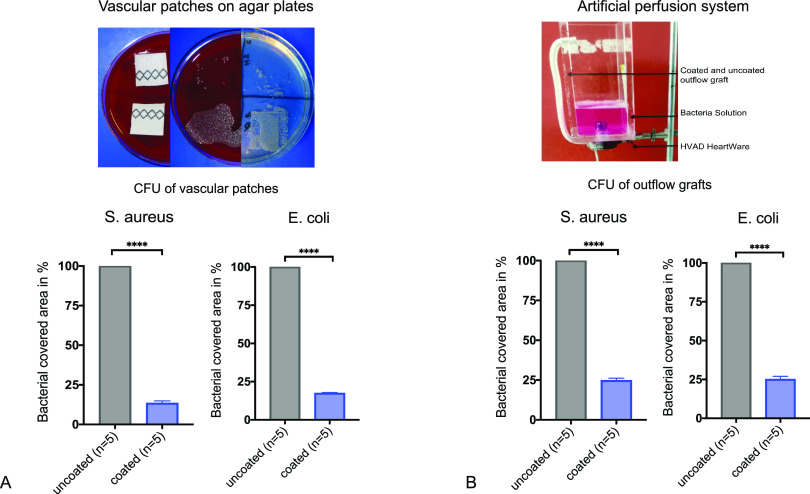 Figure 3
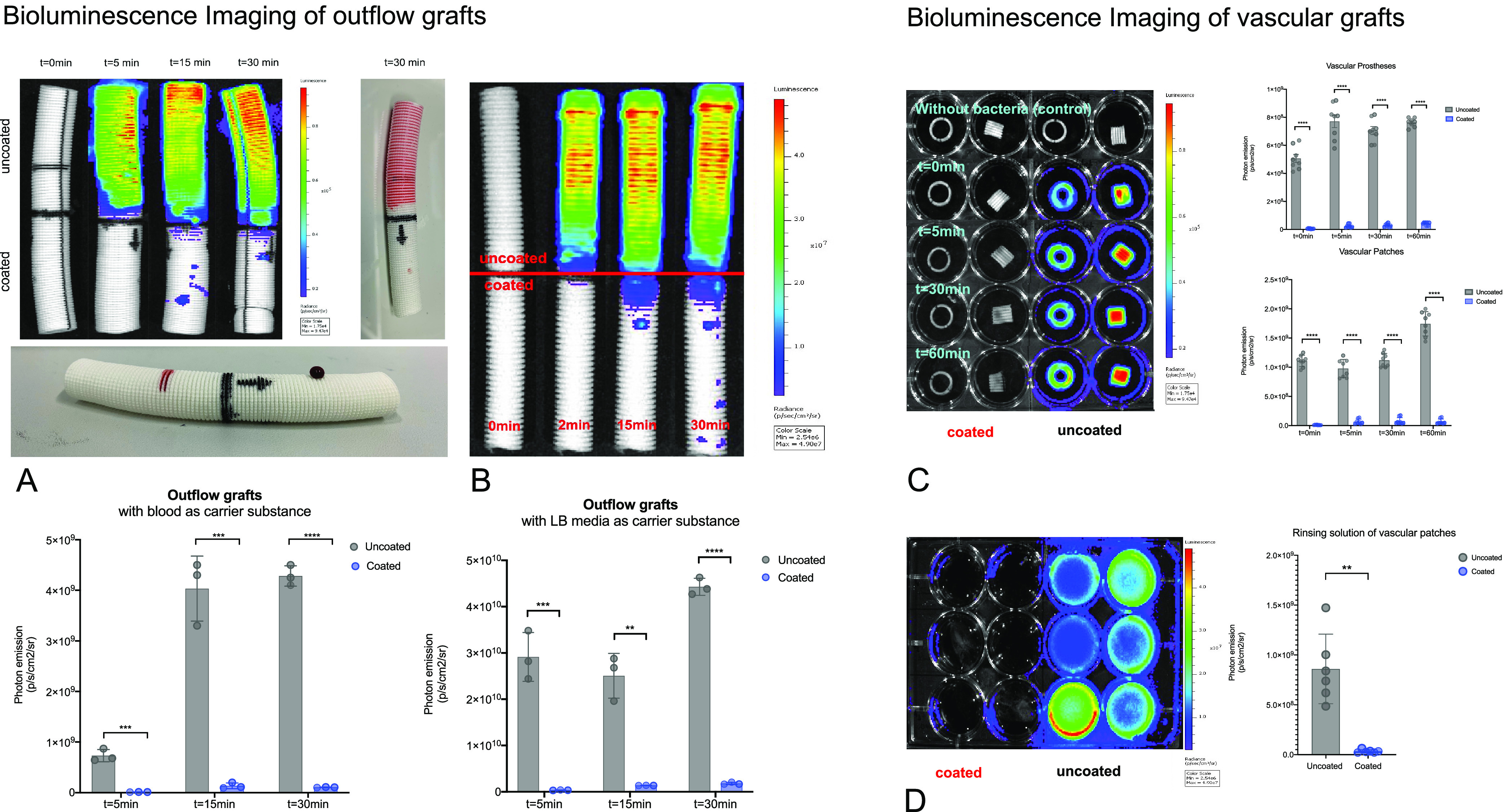 Figure 4
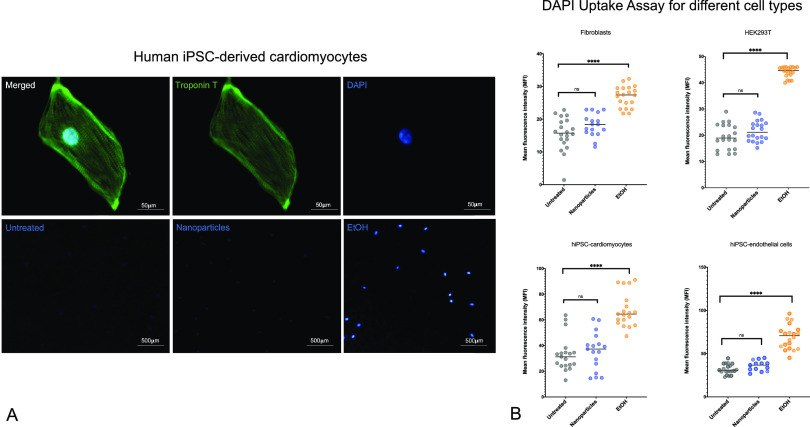 Figure 5
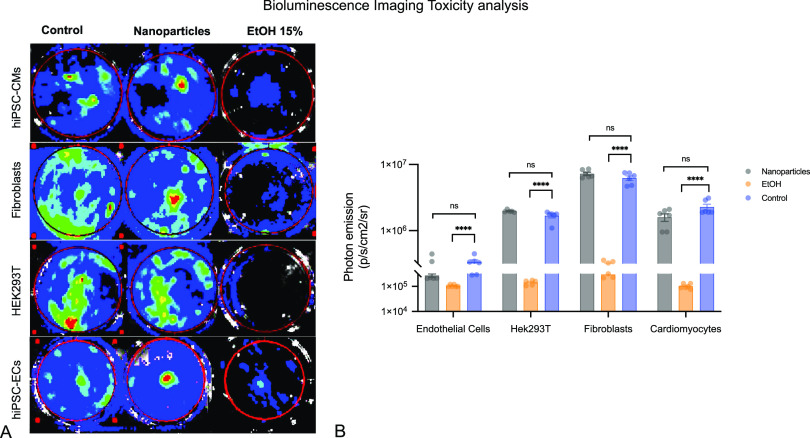 Figure 6
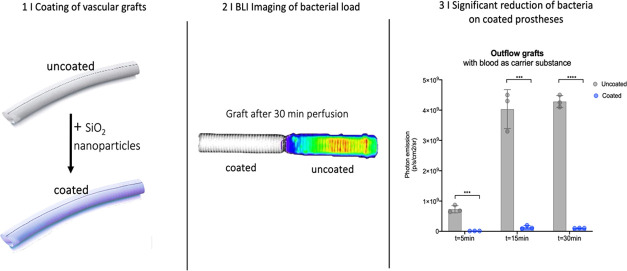 Figure 7
Peer Reviews
No public reviews on file for this paper yet. If you reviewed it on a platform where reviews are public (OpenReview, ICLR, NeurIPS, ICML), you can paste yours below so the community can read it here.
Videos
No videos yet. Explain this paper in a talk, walkthrough, or lecture? Add one.
Taxonomy
TopicsElectrospun Nanofibers in Biomedical Applications · Polymer Surface Interaction Studies · Bone Tissue Engineering Materials