The Rtf1/Prf1-dependent histone modification axis counteracts multi-drug resistance in fission yeast
Jennifer J Chen, Calvin Moy, Viviane Pagé, Cian Monnin, Ziad W El-Hajj, Daina Z Avizonis, Rodrigo Reyes-Lamothe, Jason C Tanny

TL;DR
A histone modification pathway involving Rtf1 and H2Bub1 helps fission yeast resist multiple drugs, suggesting a shared gene regulation mechanism with RNA polymerase II.
Contribution
Discovery of a conserved histone modification axis that counteracts drug resistance in fission yeast.
Findings
Mutations in the Rtf1/Prf1-dependent histone modification axis confer resistance to hydroxyurea and azole antifungals in fission yeast.
Defects in this axis correlate with reduced dNTP pool effects and blunted transcriptional responses to drug treatment.
Similar drug resistance phenotypes are observed with mutations in the Rpb1 C-terminal repeat domain.
Abstract
Mutations in a conserved histone modification axis confer a unique drug-tolerant phenotype in fission yeast, and suggest a mode of gene regulation shared with the Rpb1 C-terminal domain. RNA polymerase II transcription elongation directs an intricate pattern of histone modifications. This pattern includes a regulatory cascade initiated by the elongation factor Rtf1, leading to monoubiquitylation of histone H2B, and subsequent methylation of histone H3 on lysine 4. Previous studies have defined the molecular basis for these regulatory relationships, but it remains unclear how they regulate gene expression. To address this question, we investigated a drug resistance phenotype that characterizes defects in this axis in the model eukaryote Schizosaccharomyces pombe (fission yeast). The mutations caused resistance to the ribonucleotide reductase inhibitor hydroxyurea (HU) that correlated…
Genes, proteins, chemicals, diseases, species, mutations and cell lines named across the full text — each resolved to its canonical identifier and authoritative record.
Click any figure to enlarge with its caption.
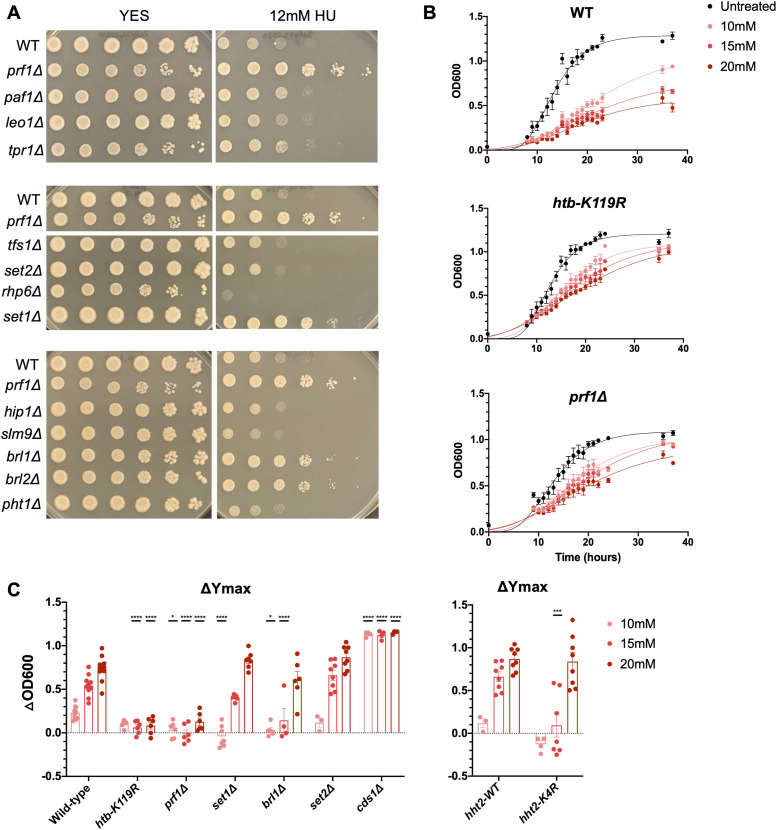 Figure 1
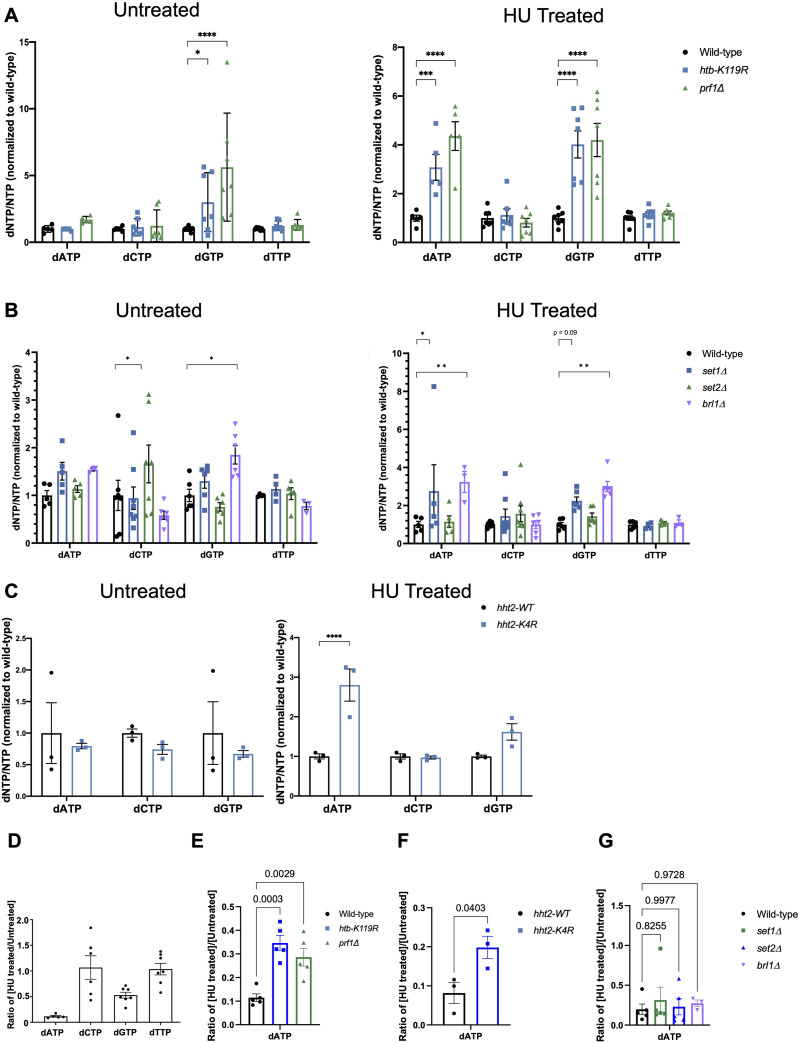 Figure 2
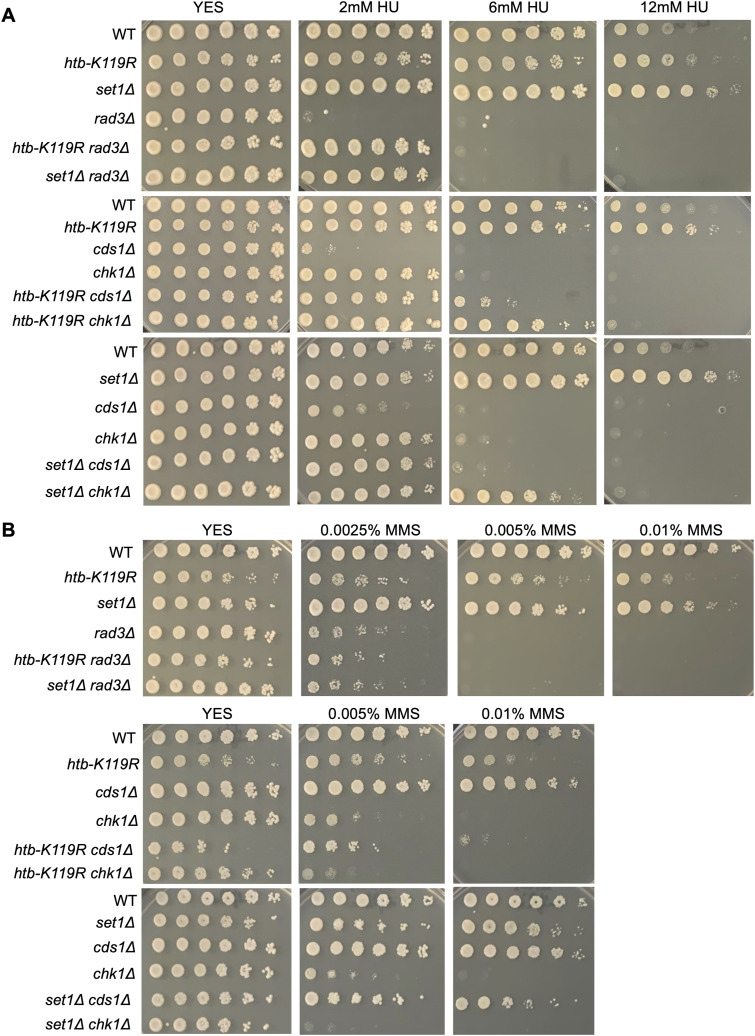 Figure 3
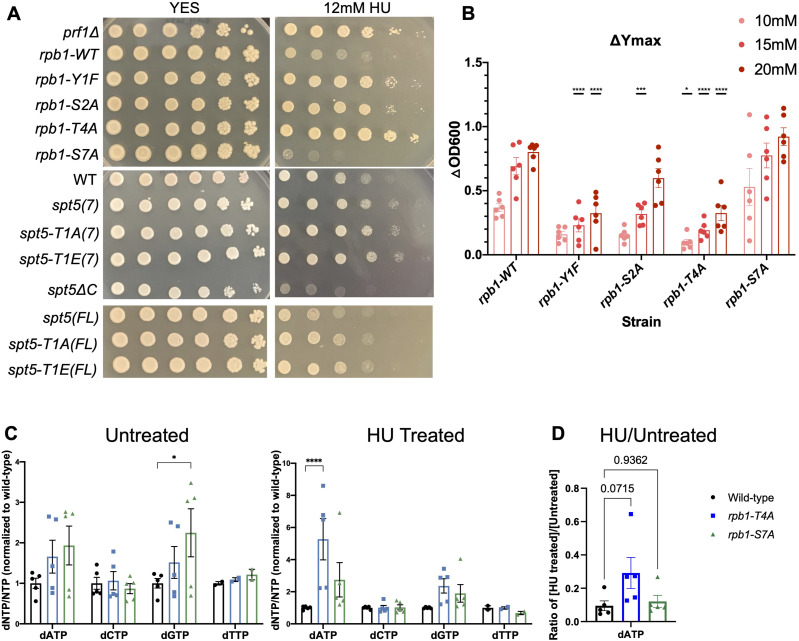 Figure 4
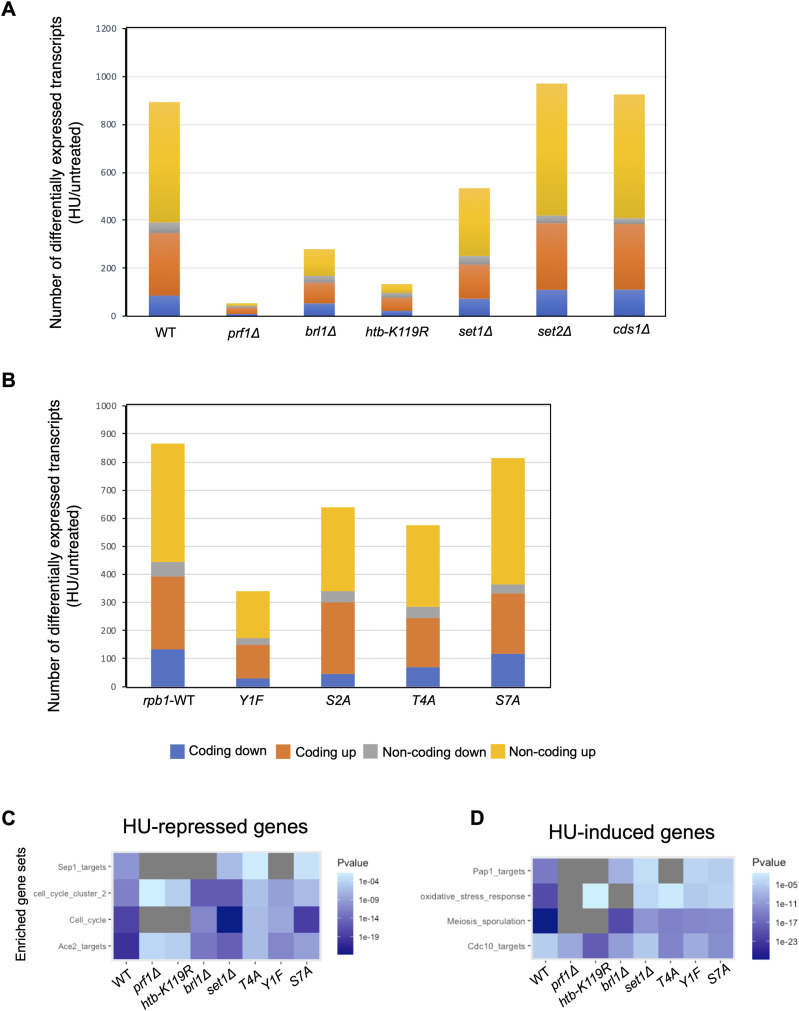 Figure 5
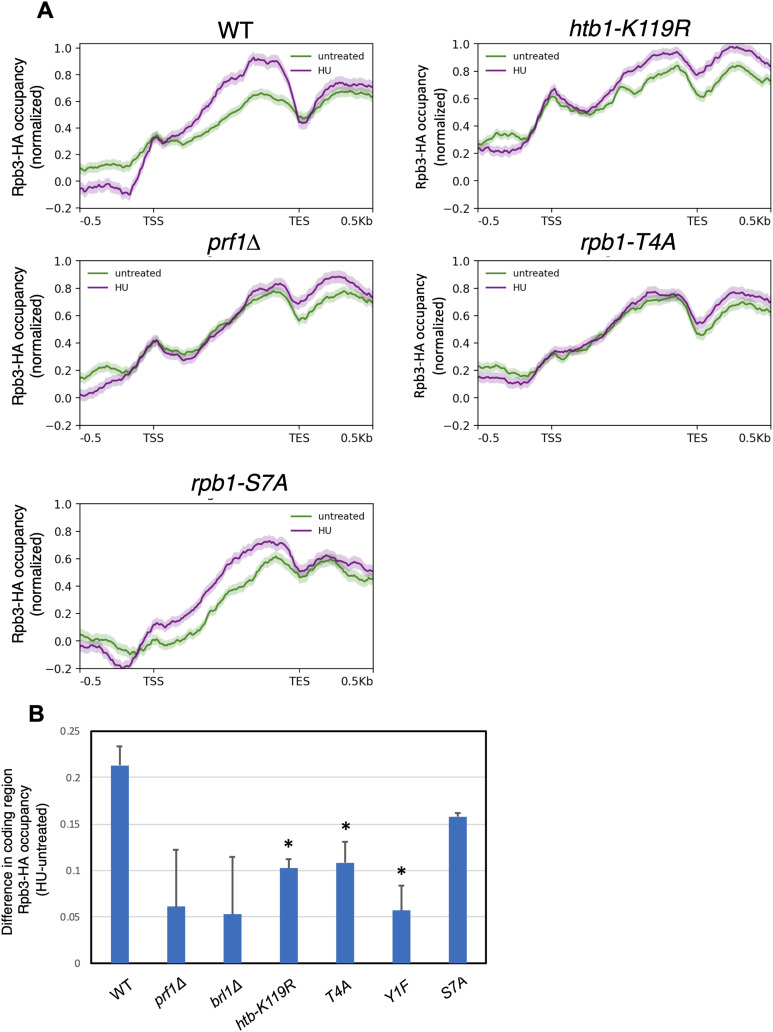 Figure 6
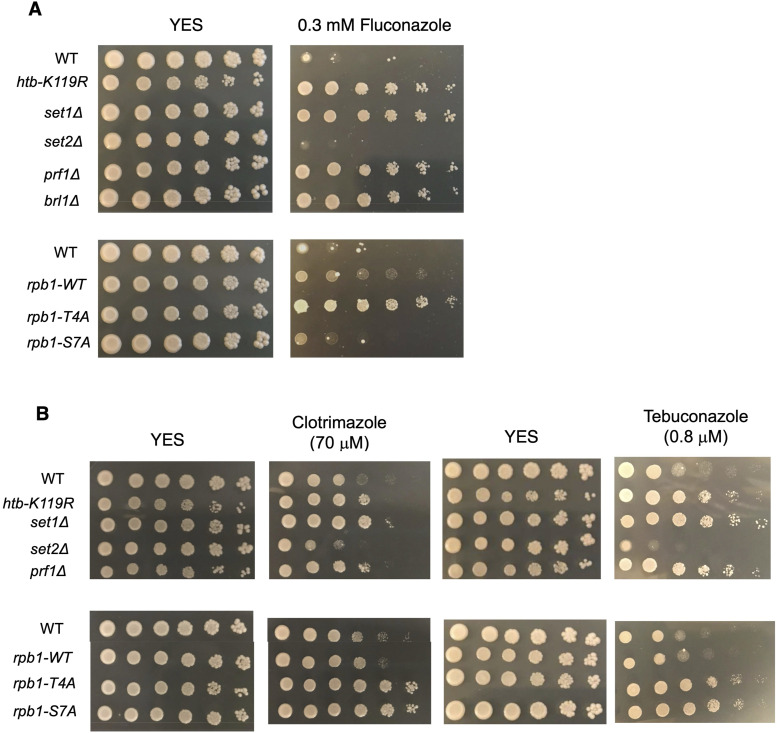 Figure 7
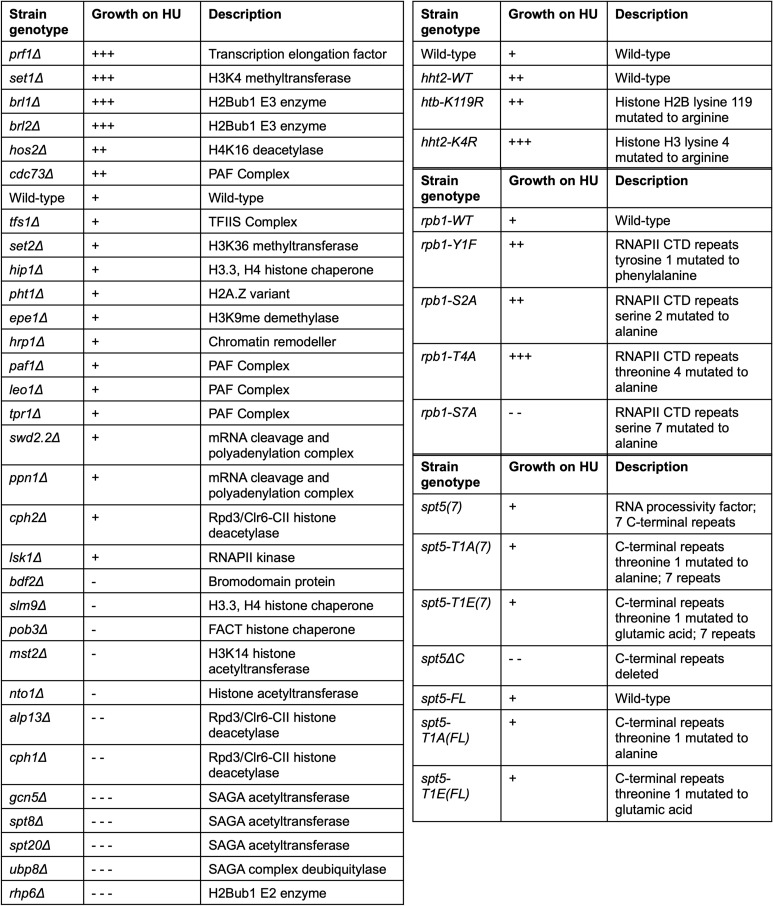 Figure 8
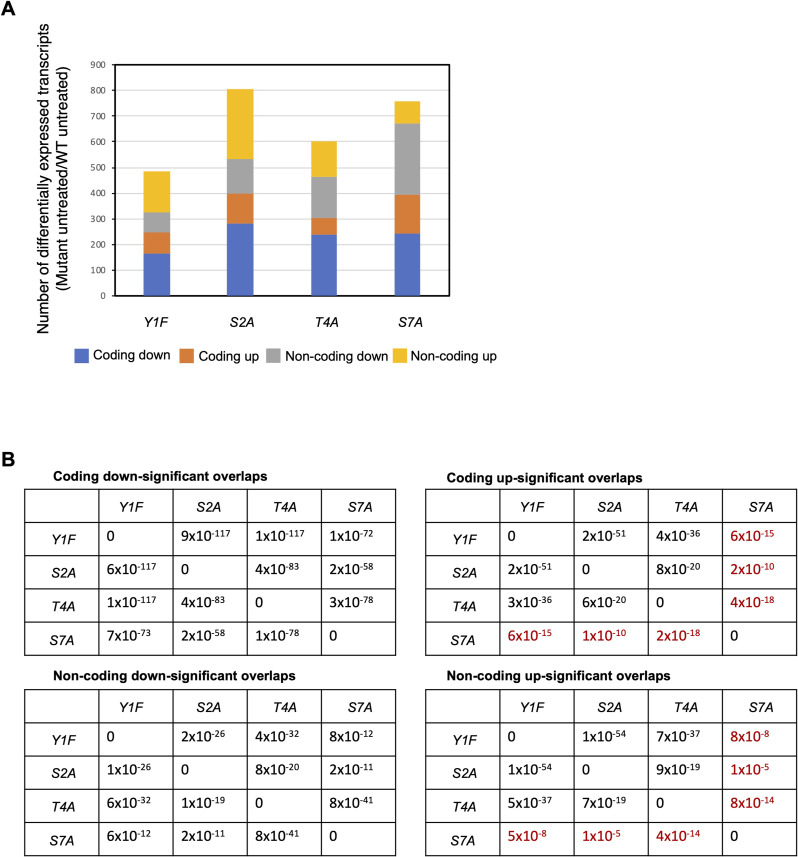 Figure 9
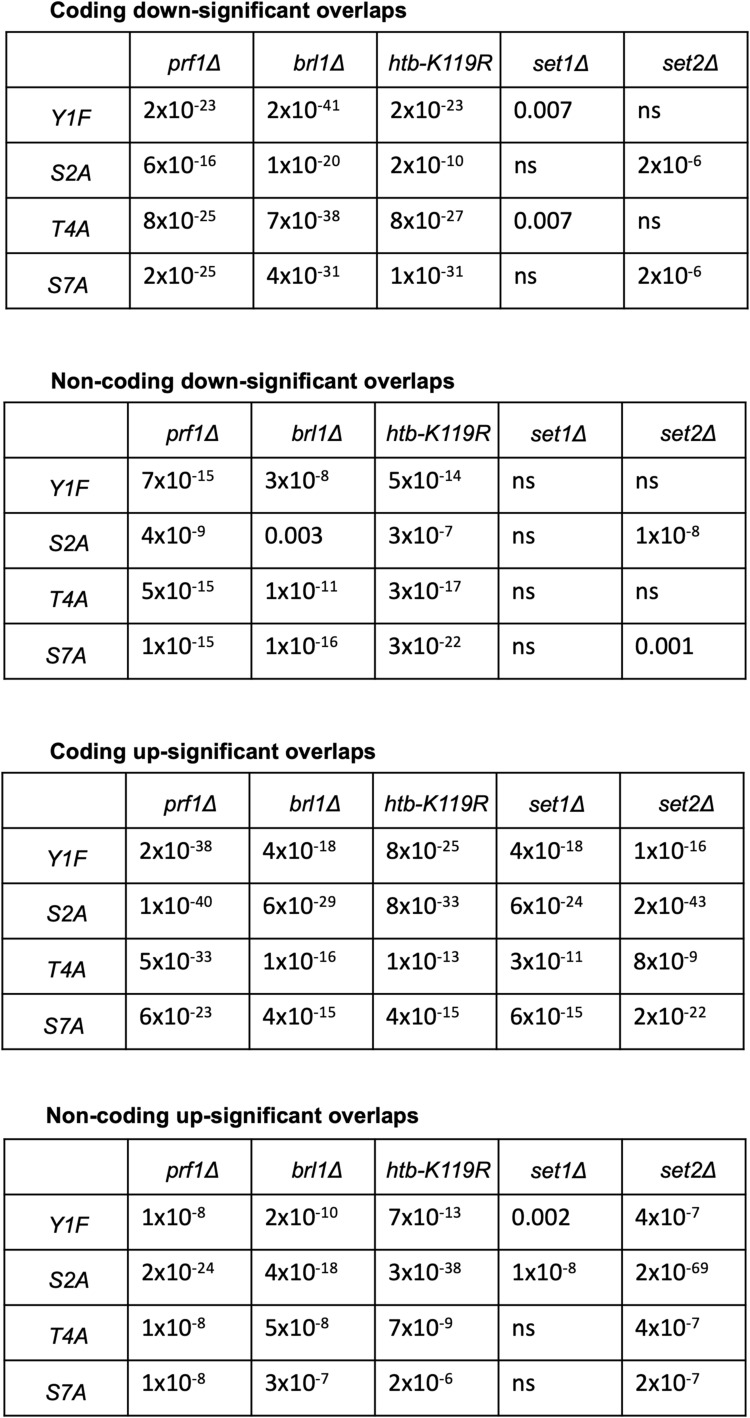 Figure 10
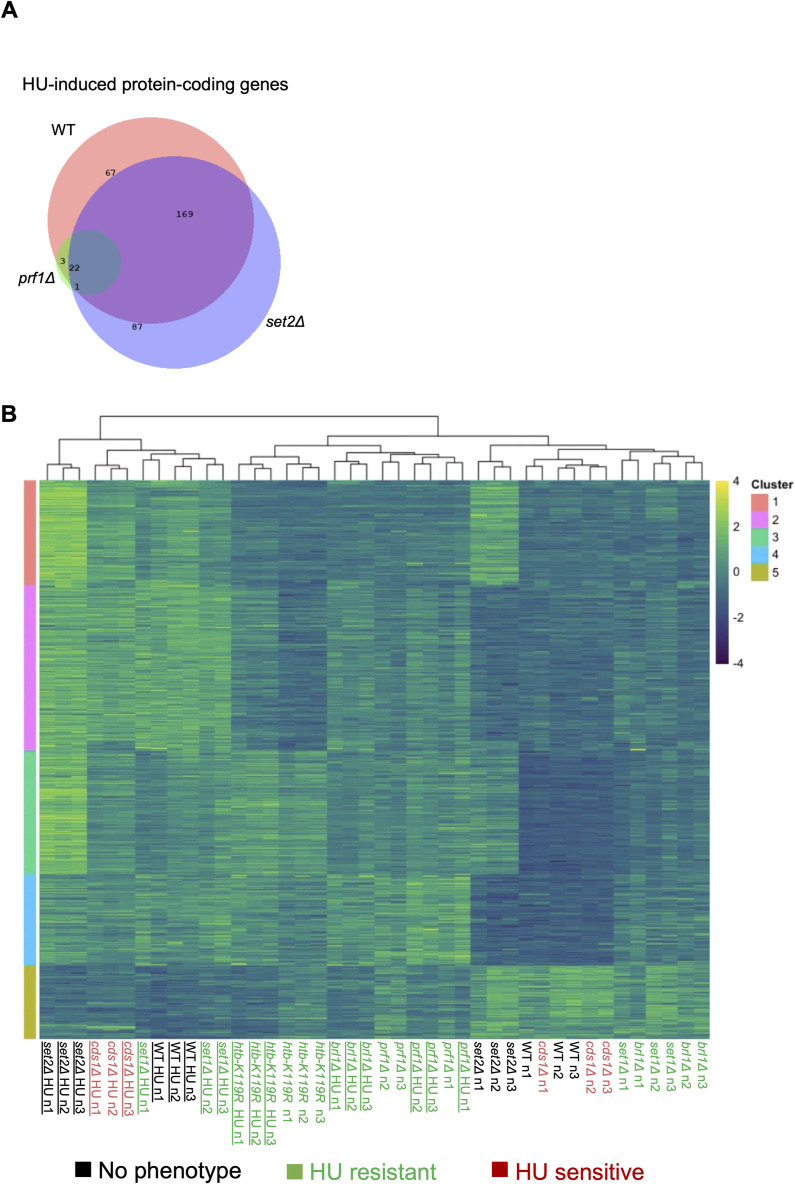 Figure 11
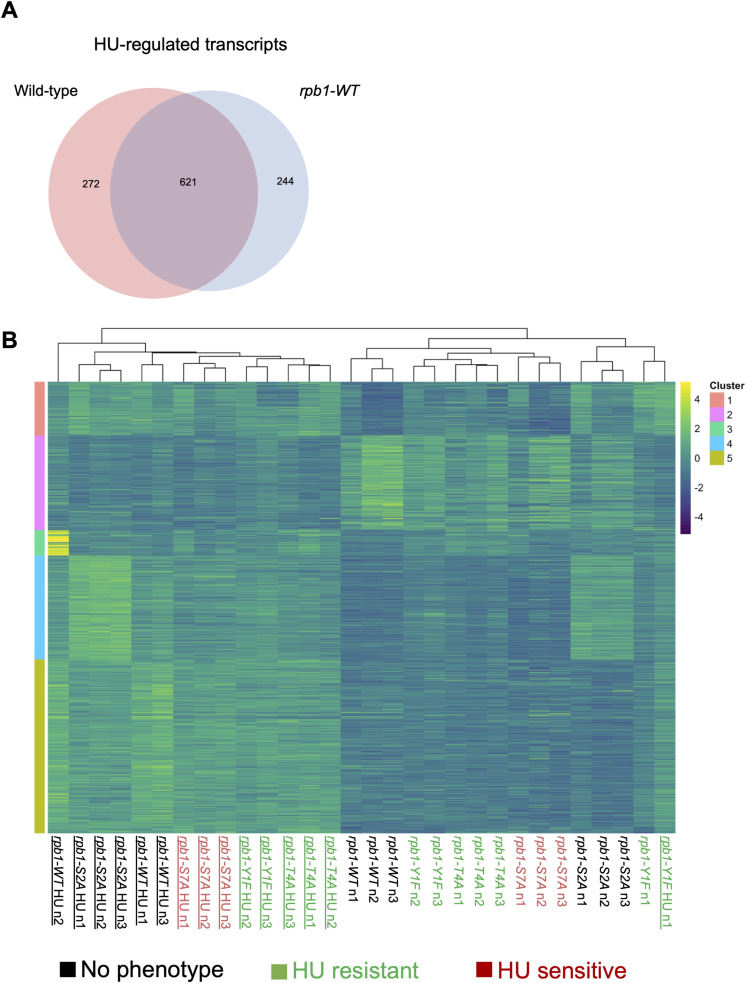 Figure 12
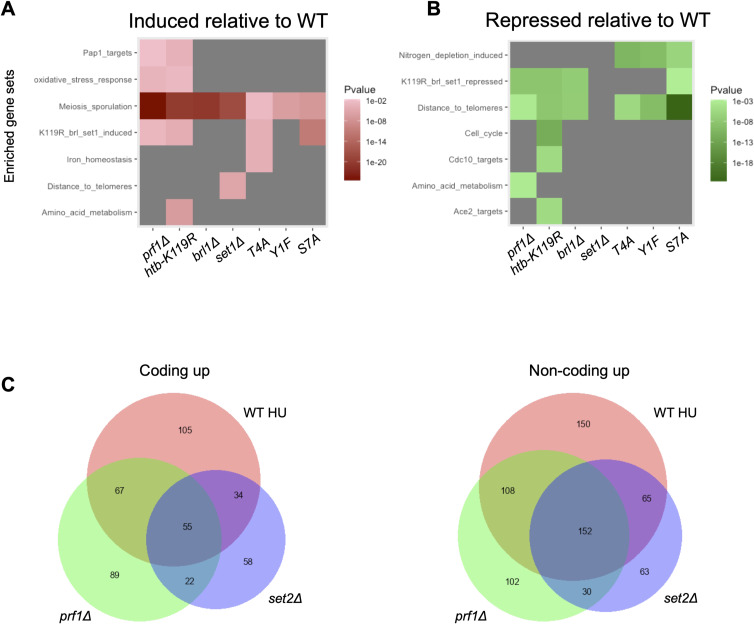 Figure 13
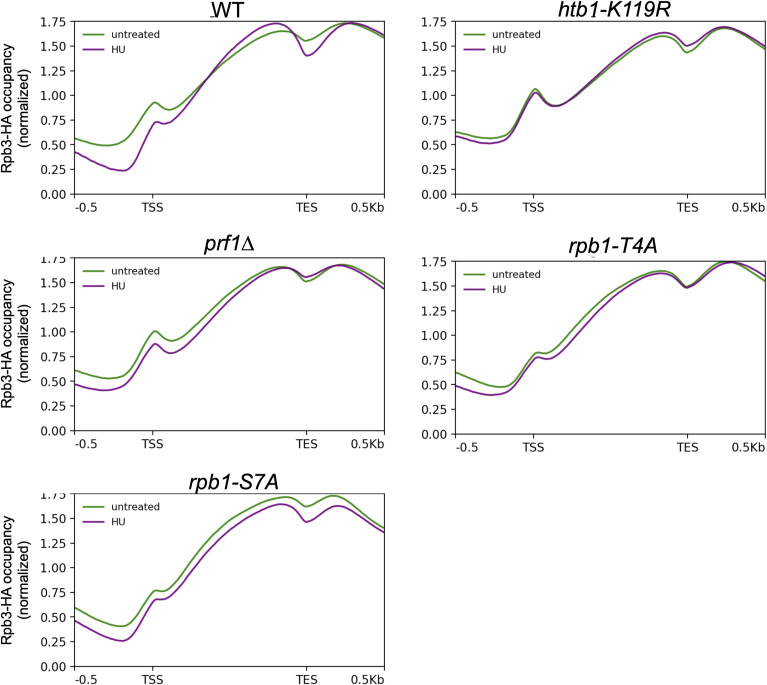 Figure 14
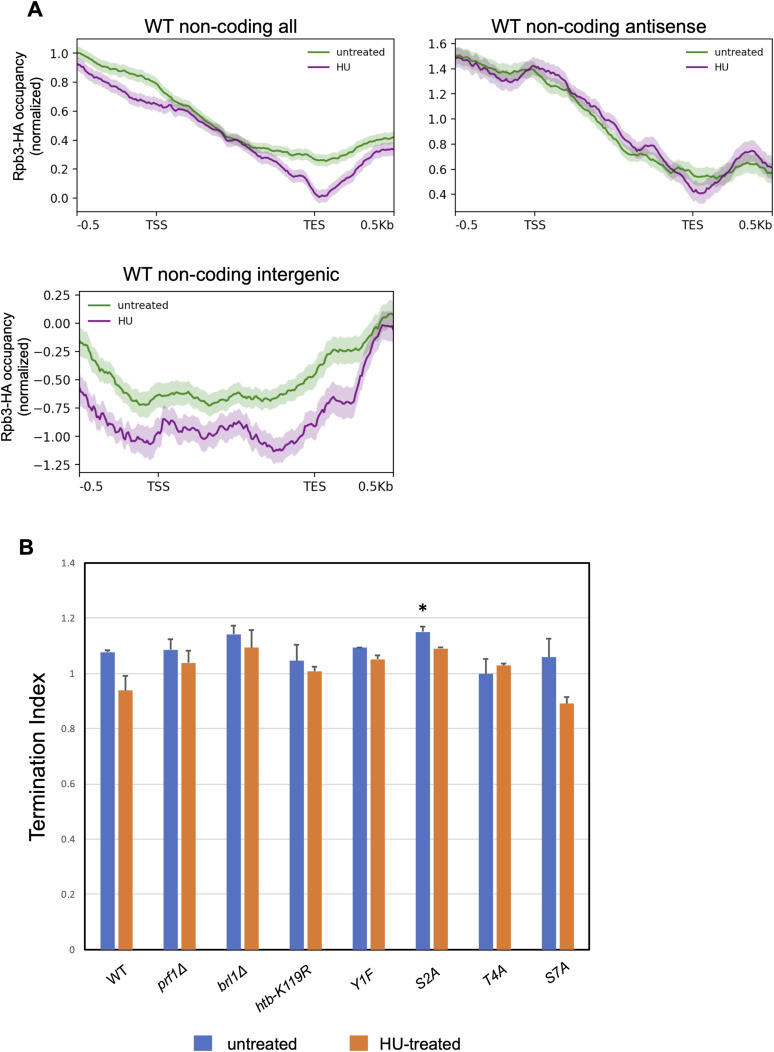 Figure 15
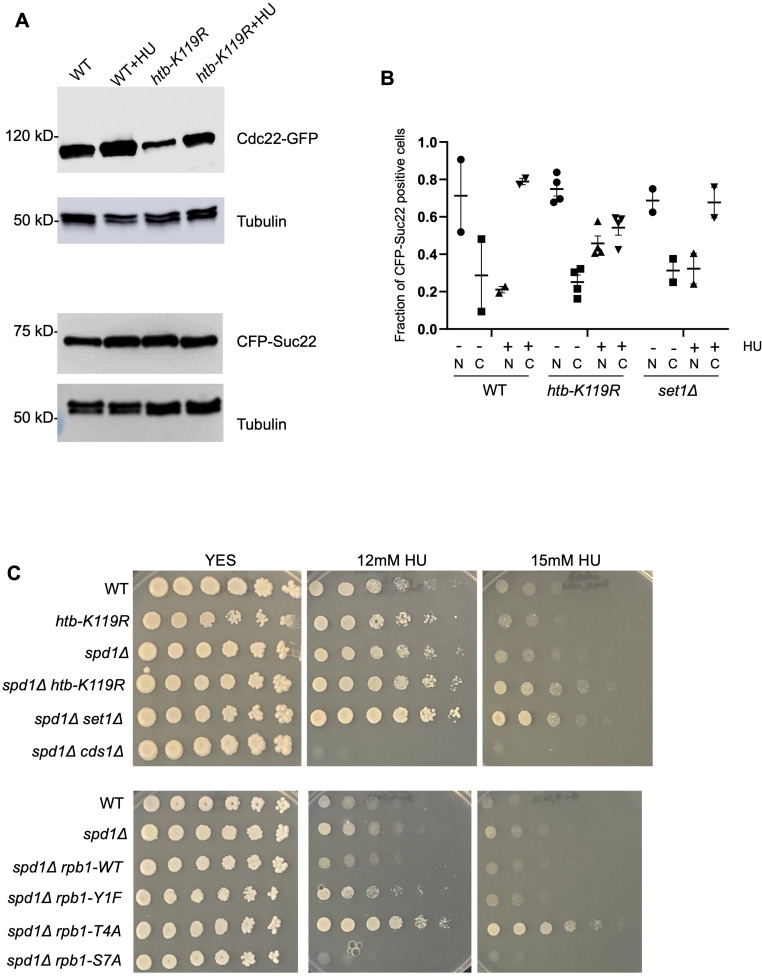 Figure 16
 Figure 17
 Figure 18
 Figure 19
 Figure 20
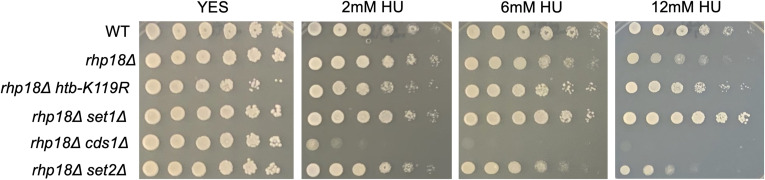 Figure 21
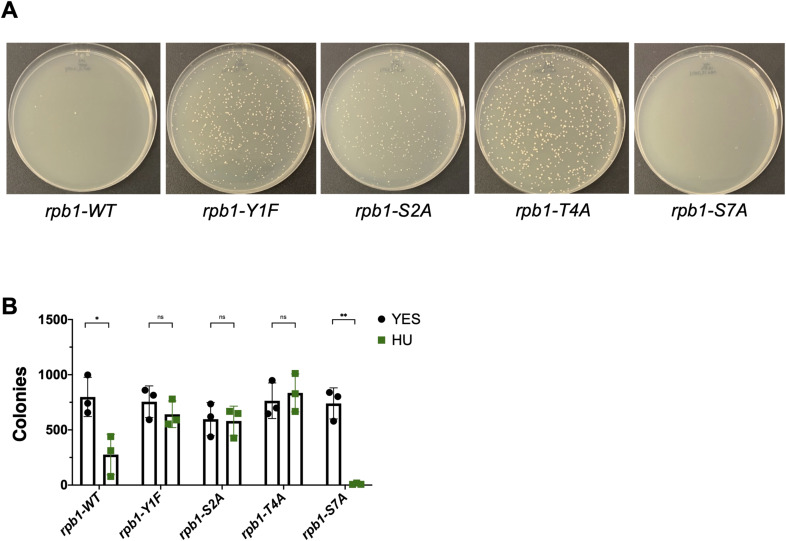 Figure 22
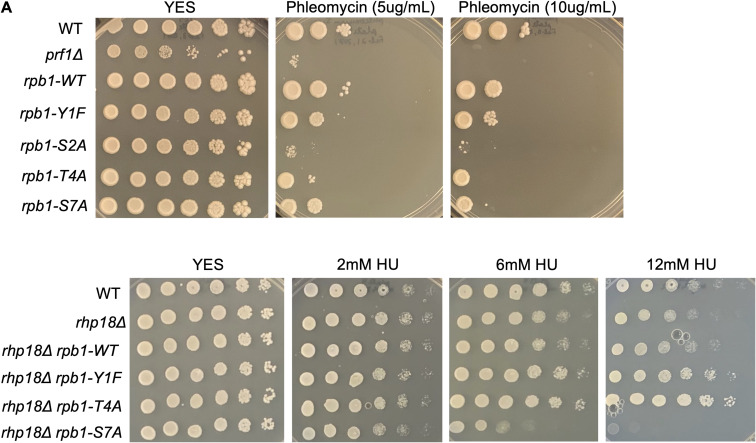 Figure 23
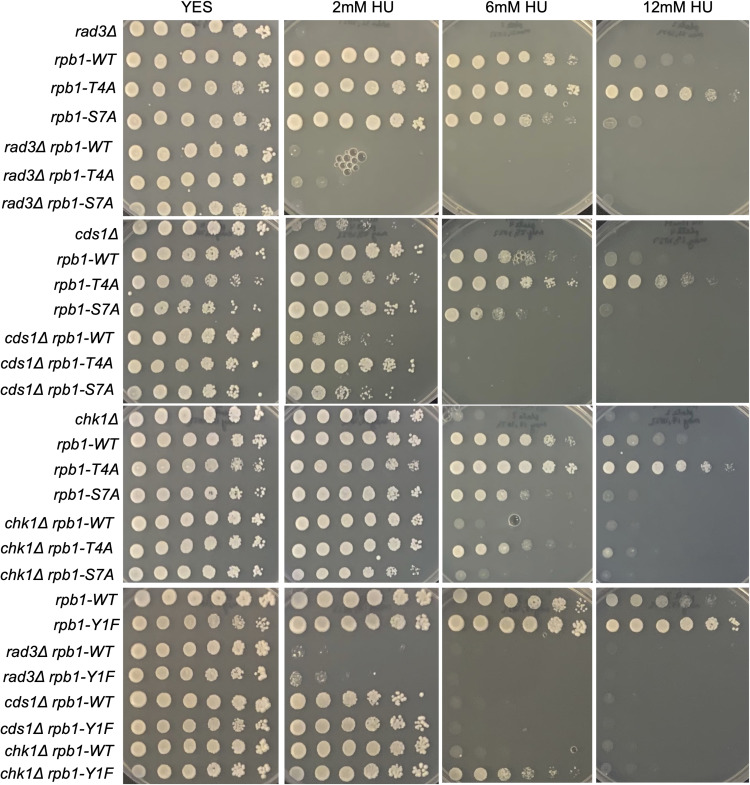 Figure 24
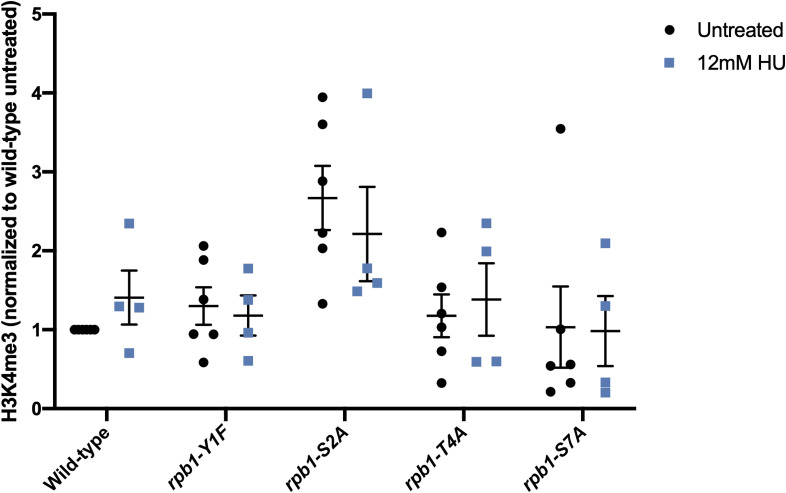 Figure 25
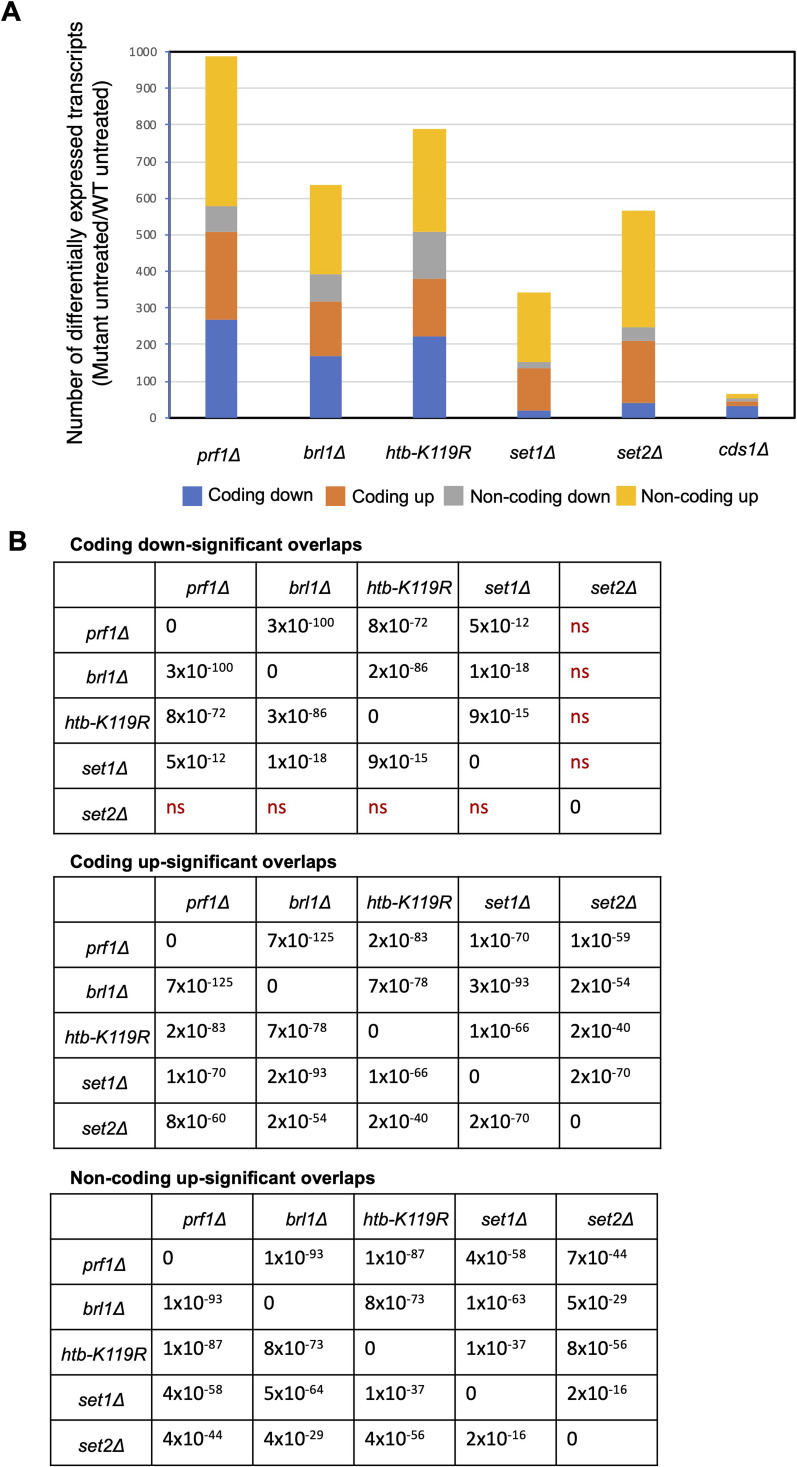 Figure 26
Peer Reviews
No public reviews on file for this paper yet. If you reviewed it on a platform where reviews are public (OpenReview, ICLR, NeurIPS, ICML), you can paste yours below so the community can read it here.
Videos
No videos yet. Explain this paper in a talk, walkthrough, or lecture? Add one.
Taxonomy
TopicsGenomics and Chromatin Dynamics · Fungal and yeast genetics research · Plant-Microbe Interactions and Immunity