Heterozygous missense variant in GLI2 impairs human endocrine pancreas development
Laura M. Mueller, Abigail Isaacson, Heather Wilson, Anna Salowka, Isabel Tay, Maolian Gong, Nancy Samir Elbarbary, Klemens Raile, Francesca M. Spagnoli

TL;DR
A missense variant in GLI2, a gene involved in the Hedgehog pathway, disrupts human pancreatic endocrine development and may cause early-onset diabetes.
Contribution
This study identifies a novel GLI2 missense variant linked to diabetes and reveals its role in human pancreatic differentiation.
Findings
iPSCs with the GLI2 missense variant show impaired differentiation into endocrine pancreatic cells.
The GLI2 variant alters transcriptional activity and disrupts Hedgehog-WNT crosstalk in pancreatic progenitors.
This is the first report linking Hedgehog pathway dysregulation to diabetes in humans.
Abstract
Missense variants are the most common type of coding genetic variants. Their functional assessment is fundamental for defining any implication in human diseases and may also uncover genes that are essential for human organ development. Here, we apply CRISPR-Cas9 gene editing on human iPSCs to study a heterozygous missense variant in GLI2 identified in two siblings with early-onset and insulin-dependent diabetes of unknown cause. GLI2 is a primary mediator of the Hedgehog pathway, which regulates pancreatic β-cell development in mice. However, neither mutations in GLI2 nor Hedgehog dysregulation have been reported as cause or predisposition to diabetes. We establish and study a set of isogenic iPSC lines harbouring the missense variant for their ability to differentiate into pancreatic β-like cells. Interestingly, iPSCs carrying the missense variant show altered GLI2 transcriptional…
Genes, proteins, chemicals, diseases, species, mutations and cell lines named across the full text — each resolved to its canonical identifier and authoritative record.
Click any figure to enlarge with its caption.
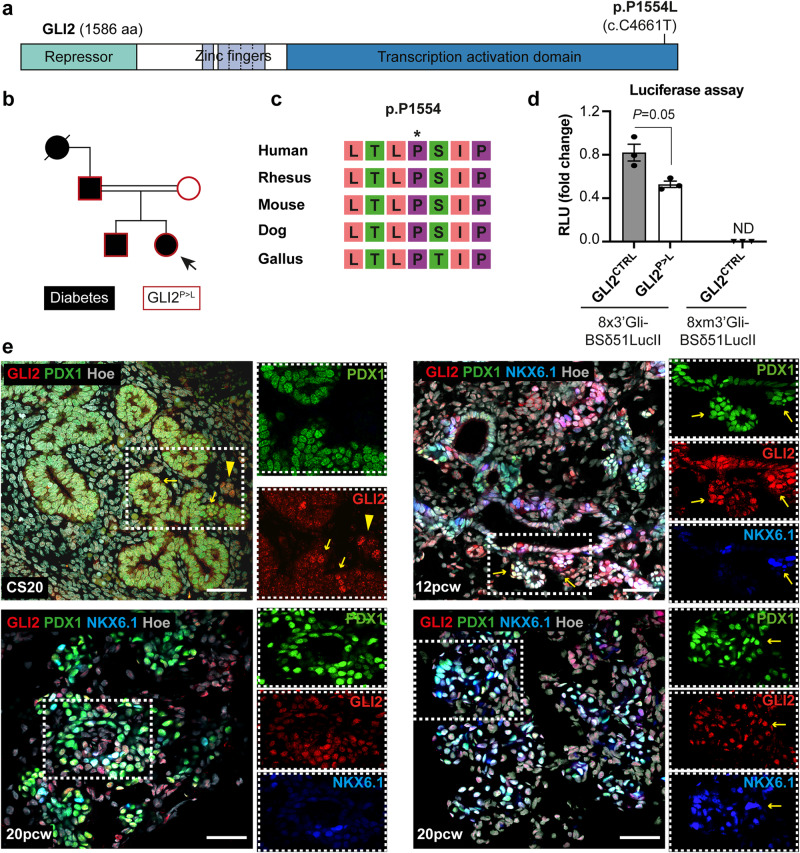 Figure 1
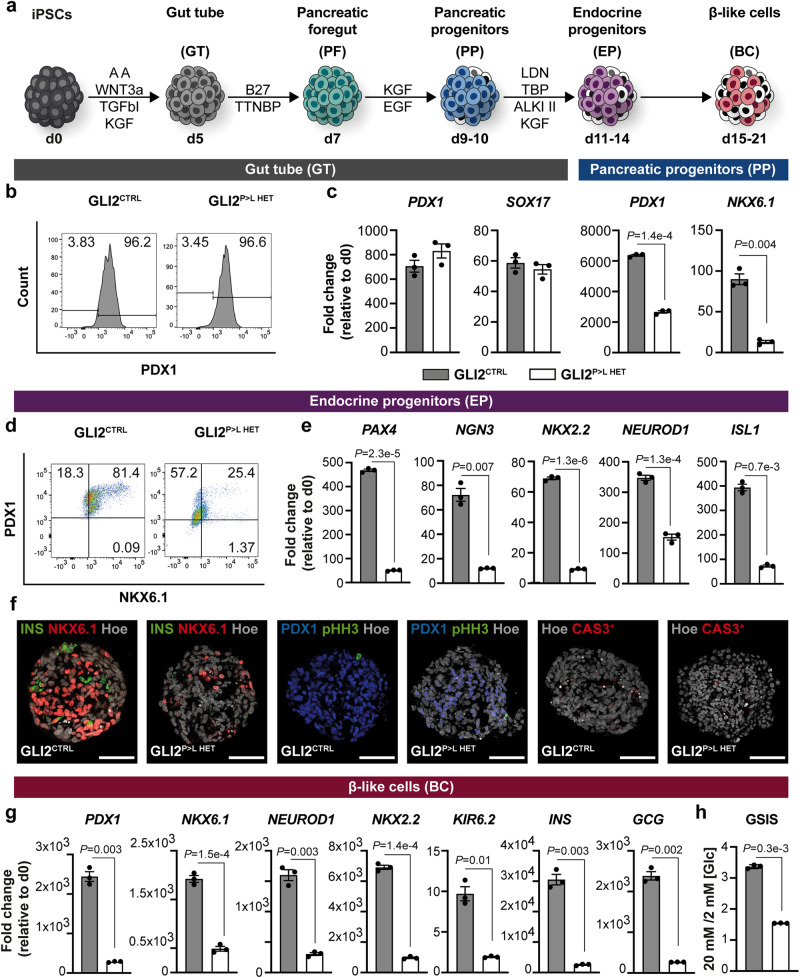 Figure 2
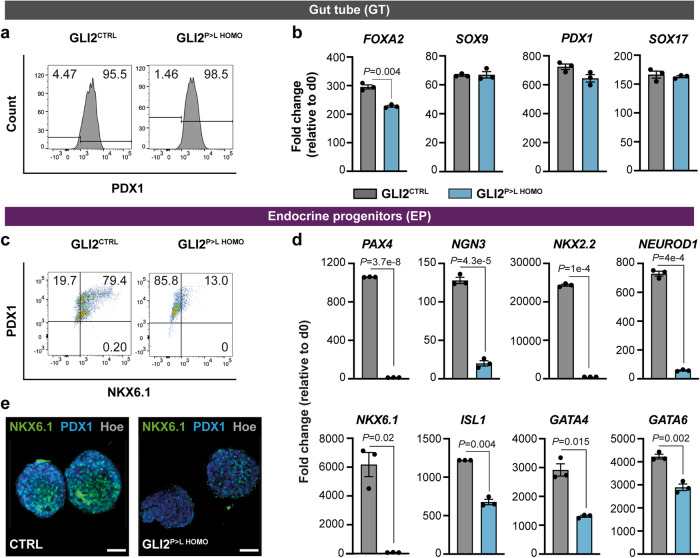 Figure 3
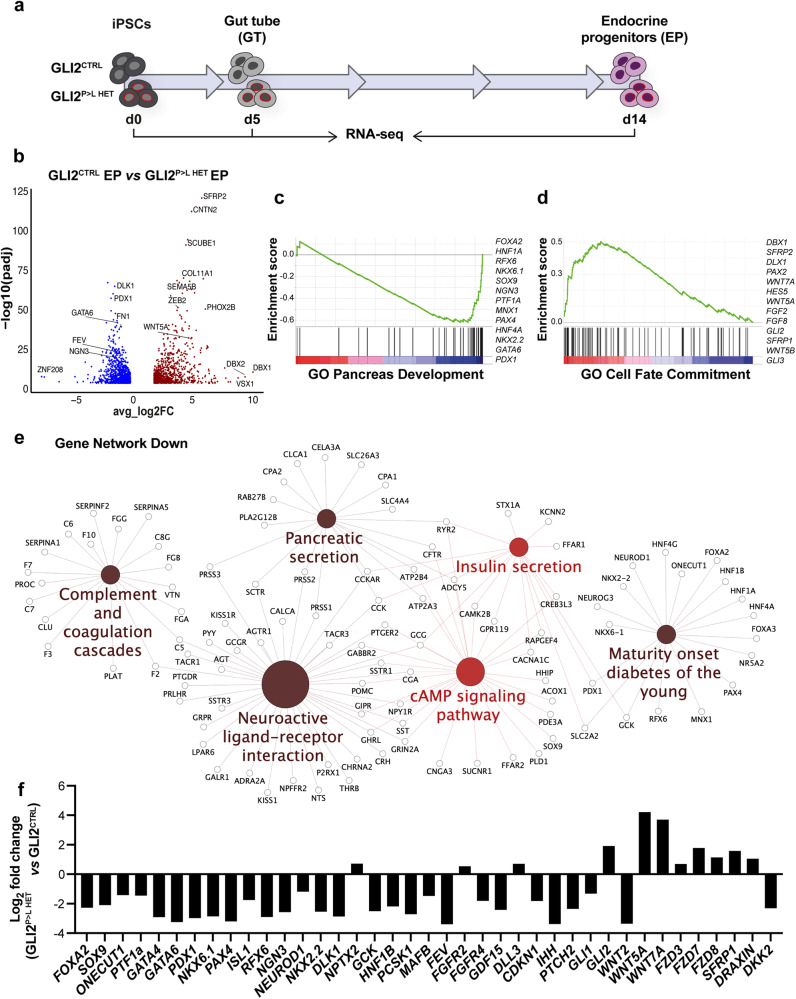 Figure 4
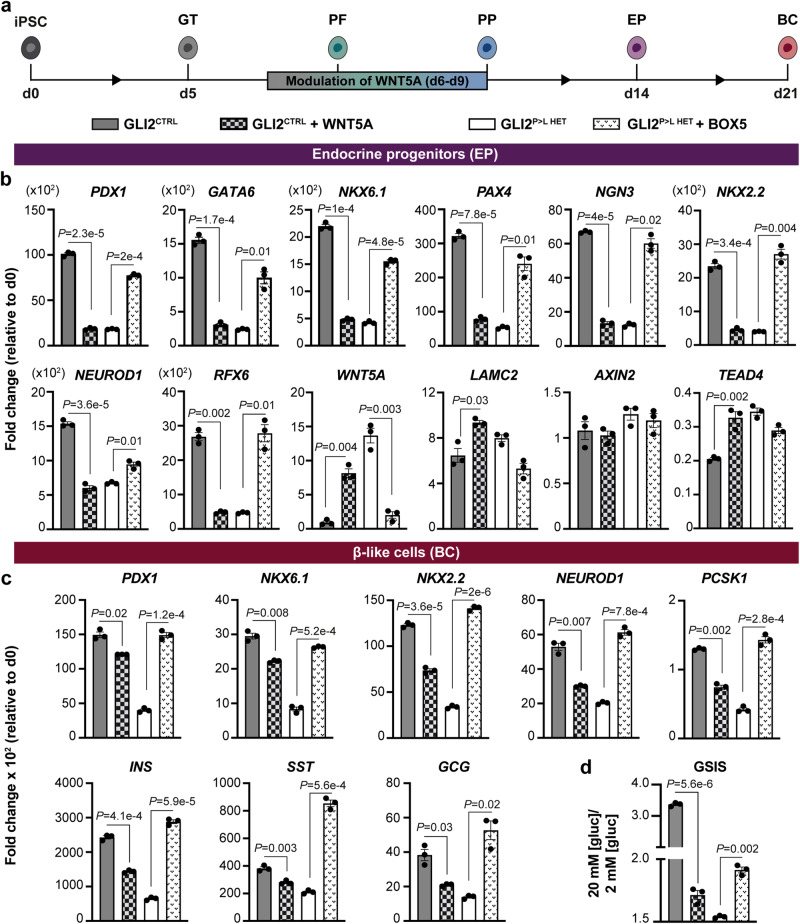 Figure 5
Peer Reviews
No public reviews on file for this paper yet. If you reviewed it on a platform where reviews are public (OpenReview, ICLR, NeurIPS, ICML), you can paste yours below so the community can read it here.
Videos
No videos yet. Explain this paper in a talk, walkthrough, or lecture? Add one.
Taxonomy
TopicsPancreatic function and diabetes · Genetics and Neurodevelopmental Disorders · Diabetes Treatment and Management