Congenital Absence of Sternum: A Surgical Technique for Successful Outcome
Nishit Santoki, Sunder Negi, Snigdha Kumari, Anmol Bhatia, Rupesh Kumar

TL;DR
This paper presents a surgical technique for correcting congenital absence of the sternum to prevent life-threatening complications.
Contribution
The paper introduces a specific surgical approach for treating congenital sternum absence with successful outcomes.
Findings
Early surgical repair yields the best results due to a compliant thoracic cage.
Computed tomography imaging is essential for planning the surgical procedure.
Congenital absence of sternum poses significant risks to mediastinal structures.
Abstract
Congenital absence of sternum is a rare malformation of the anterior chest wall that needs surgical correction to avoid life-threatening complications as a consequence of such defect. It results from either partial or complete failure of fusion of mesenchymal strip during in utero organogenesis. The absence of sternum entails the risk of trauma to the mediastinal structures and other life-threatening complications. This defect is evaluated by a thorough clinical examination and computed tomography imaging of the thoracic cage to plan the surgical procedure. Early repair of the defect when the thoracic cage is still compliant yields the best result.
Genes, proteins, chemicals, diseases, species, mutations and cell lines named across the full text — each resolved to its canonical identifier and authoritative record.
Click any figure to enlarge with its caption.
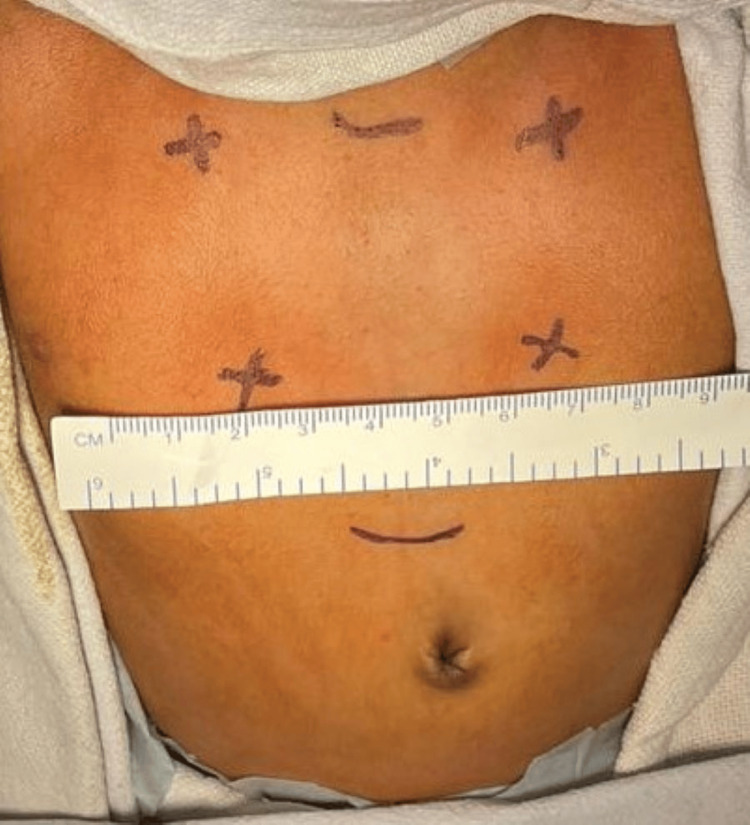 Figure 1
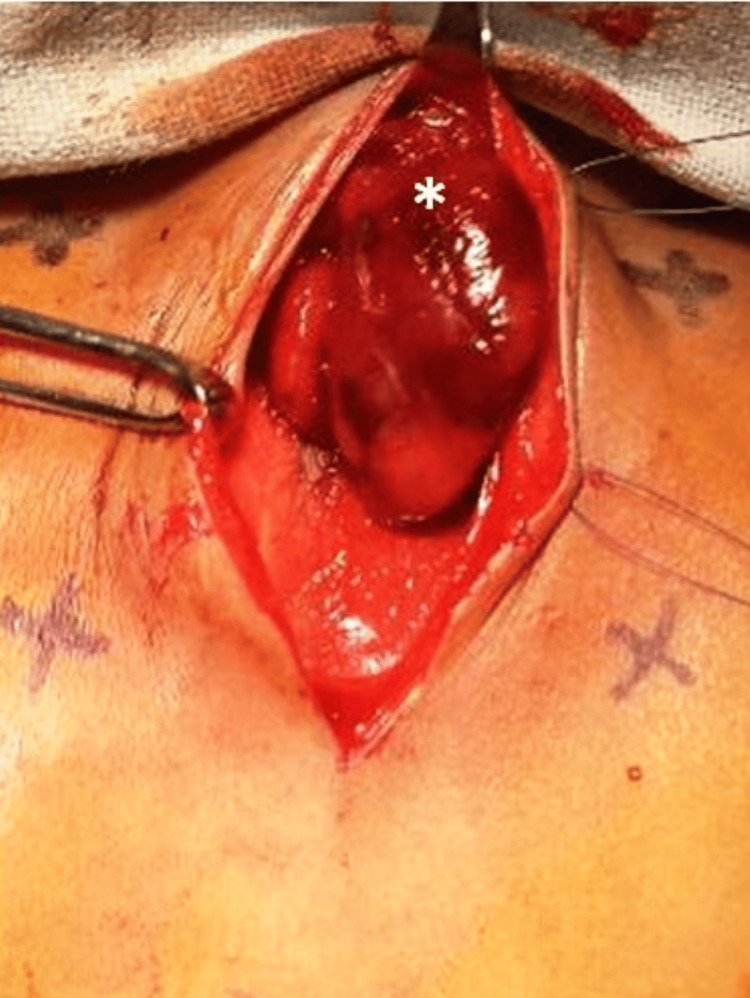 Figure 2
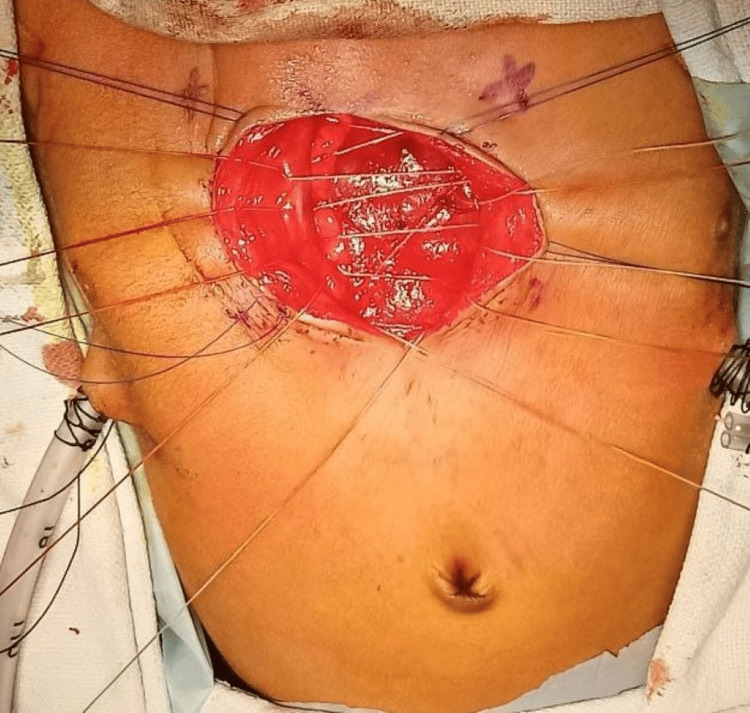 Figure 3
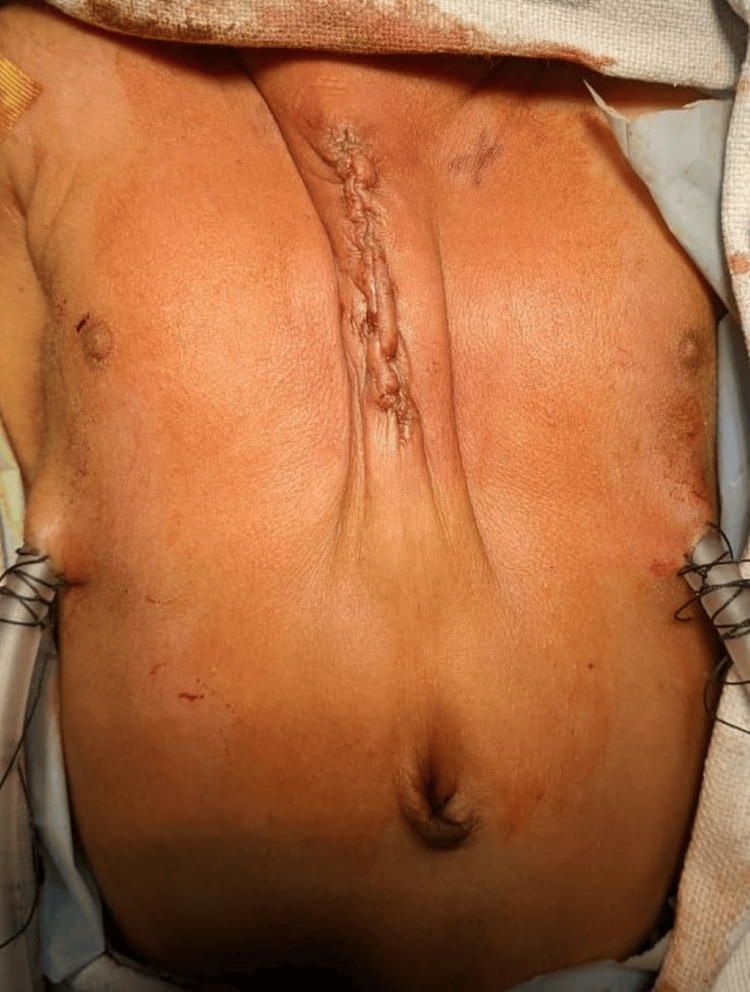 Figure 4
Peer Reviews
No public reviews on file for this paper yet. If you reviewed it on a platform where reviews are public (OpenReview, ICLR, NeurIPS, ICML), you can paste yours below so the community can read it here.
Videos
No videos yet. Explain this paper in a talk, walkthrough, or lecture? Add one.
Taxonomy
TopicsCongenital Anomalies and Fetal Surgery · Trauma Management and Diagnosis · Congenital Diaphragmatic Hernia Studies