The cutaneous beta human papillomavirus type 8 E6 protein induces CCL2 through the CEBPα/miR-203/p63 pathway to support an inflammatory microenvironment in epidermodysplasia verruciformis skin lesions
Luca Vella, Anna Sternjakob, Stefan Lohse, Alina Fingerle, Tanya Sperling, Claudia Wickenhauser, Michael Stöckle, Thomas Vogt, Klaus Roemer, Monika Ołdak, Sigrun Smola

TL;DR
This study shows how the HPV8 E6 protein causes inflammation in skin lesions of a rare disease by altering immune signals and promoting a cancer-friendly environment.
Contribution
The study identifies a novel pathway involving CCL2 induction via CEBPα/miR-203/p63 by HPV8 E6, linking inflammation to potential carcinogenesis in EV.
Findings
HPV8 E6 strongly induces CCL2, a monocyte-attracting chemokine, more effectively than TNF-α.
HPV8 E6 modulates the CEBPα/miR-203/p63 pathway to promote an inflammatory microenvironment.
Macrophages are prevalent in EV lesions, and CCL2 is co-expressed with p63 in infected skin.
Abstract
Human papillomavirus type 8 (HPV8), a cutaneous genus beta HPV type, has co-carcinogenic potential at sun-exposed sites in patients suffering from the inherited skin disease epidermodysplasia verruciformis (EV). We had previously shown that Langerhans cells responsible for epithelial immunosurveillance were strongly reduced at infected sites and that the HPV8 E7 protein interferes with the CCAAT/enhancer-binding protein (C/EBP)β to suppress the Langerhans cell chemokine CCL20. At the same time, however, we observed that EV lesions are heavily infiltrated with inflammatory immune cells, which is similar to the situation in HPV8 E6 transgenic mice. To identify critical inflammatory factors, we used a broad multiplex approach and found that the monocyte attracting chemokine CCL2 was significantly and strongly induced by HPV8 E6 but not E7-expressing HaCaT cells, which were used as a model…
Genes, proteins, chemicals, diseases, species, mutations and cell lines named across the full text — each resolved to its canonical identifier and authoritative record.
Click any figure to enlarge with its caption.
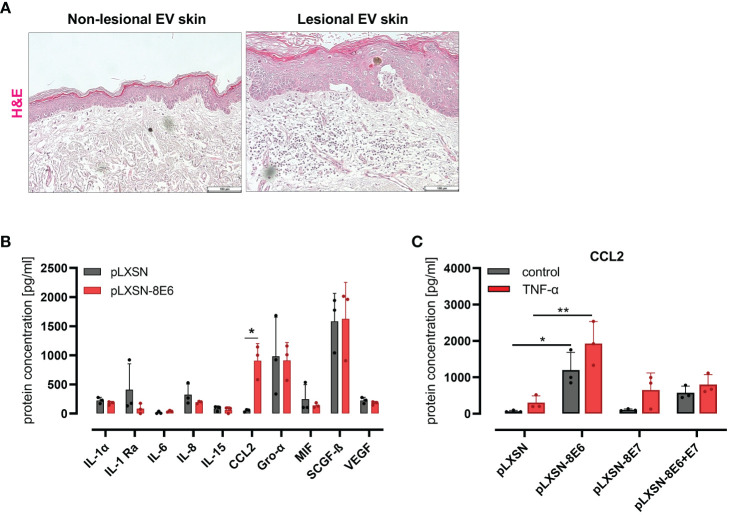 Figure 1
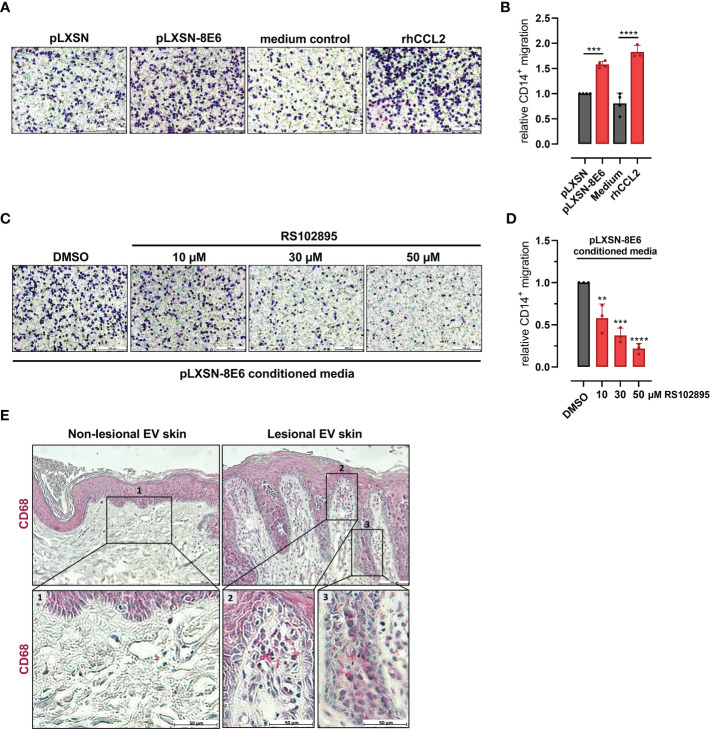 Figure 2
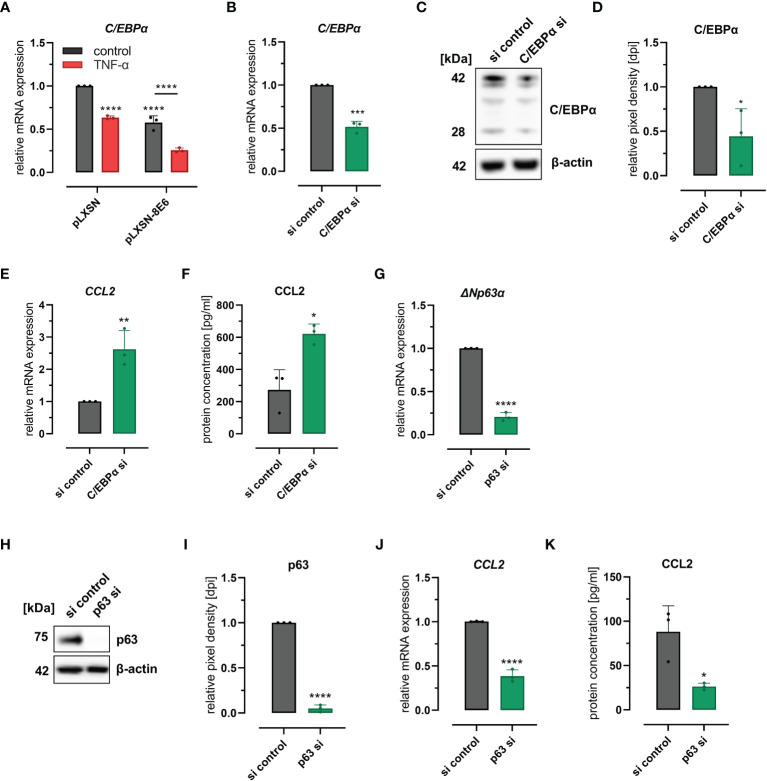 Figure 3
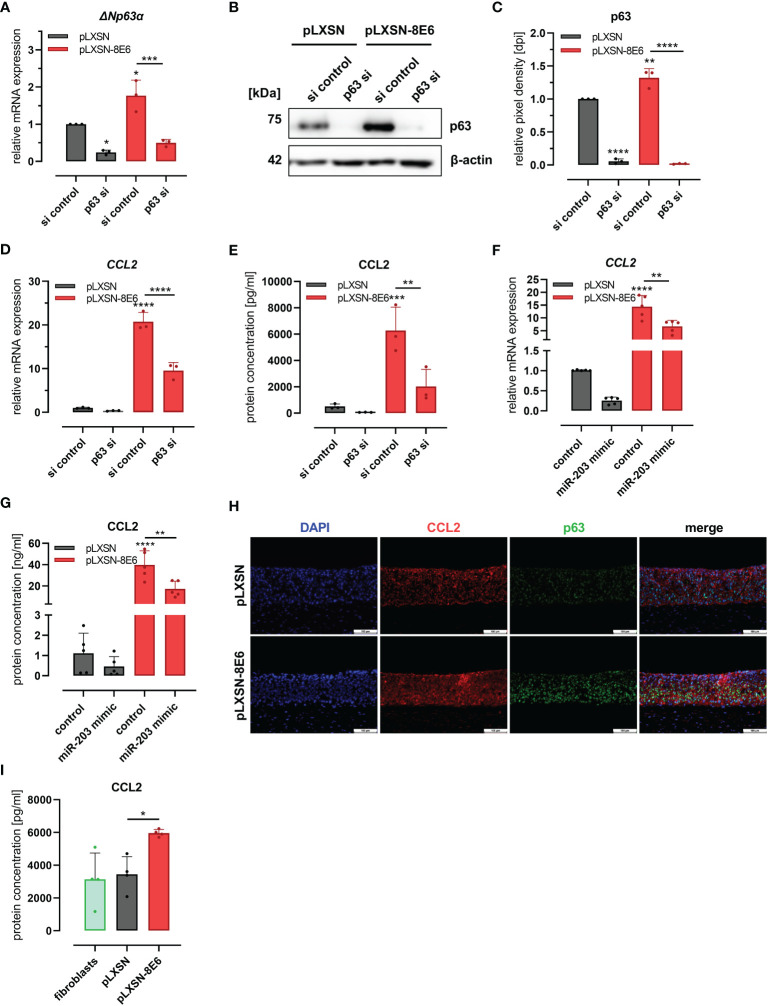 Figure 4
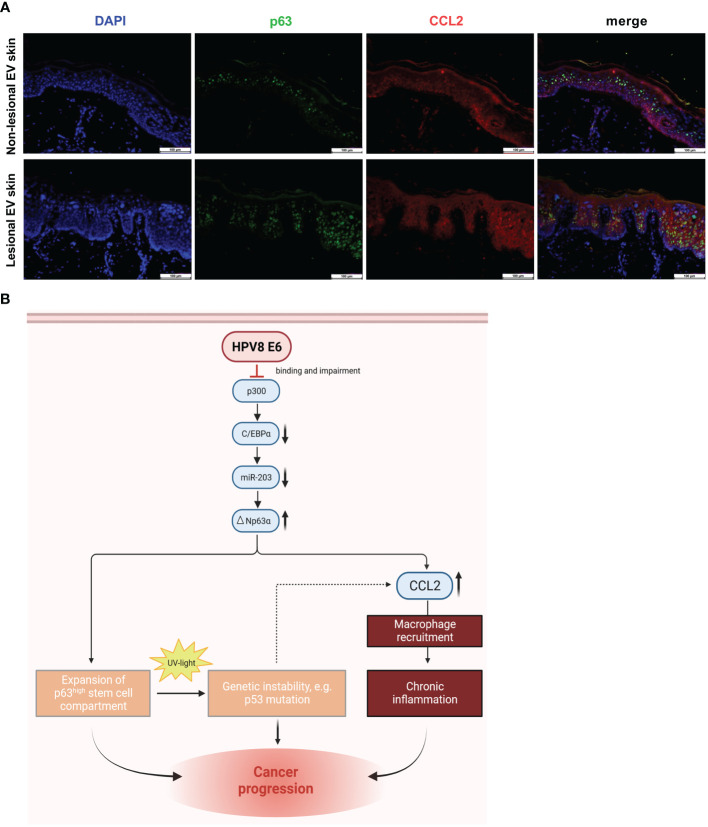 Figure 5
Peer Reviews
No public reviews on file for this paper yet. If you reviewed it on a platform where reviews are public (OpenReview, ICLR, NeurIPS, ICML), you can paste yours below so the community can read it here.
Videos
No videos yet. Explain this paper in a talk, walkthrough, or lecture? Add one.
Taxonomy
TopicsImmunotherapy and Immune Responses · Histiocytic Disorders and Treatments · Cervical Cancer and HPV Research