Molecular signatures of alternative reproductive strategies in a facultatively social hover wasp
Benjamin A. Taylor, Daisy Taylor, Alexandrina Bodrug‐Schepers, Francisco Câmara Ferreira, Nancy Stralis‐Pavese, Heinz Himmelbauer, Roderic Guigó, Max Reuter, Seirian Sumner

TL;DR
This study explores the molecular basis of reproductive roles in a hover wasp with flexible social behavior, revealing subtle gene expression patterns linked to social division of labor.
Contribution
The paper presents the first genome of a stenogastrine wasp and identifies molecular signatures of flexible social behavior in a facultatively social species.
Findings
Reproductive division of labor in Liostenogaster flavolineata is associated with subtle and variable transcriptomic signatures.
Gene expression among non-reproductives reflects foraging effort more than social rank.
Genes related to reproductive division of labor overlap with those in polistine wasps but explain only a small portion of variation.
Abstract
Social insect reproductives and non‐reproductives represent ideal models with which to understand the expression and regulation of alternative phenotypes. Most research in this area has focused on the developmental regulation of reproductive phenotypes in obligately social taxa such as honey bees, while relatively few studies have addressed the molecular correlates of reproductive differentiation in species in which the division of reproductive labour is established only in plastic dominance hierarchies. To address this knowledge gap, we generate the first genome for any stenogastrine wasp and analyse brain transcriptomic data for non‐reproductives and reproductives of the facultatively social species Liostenogaster flavolineata, a representative of one of the simplest forms of social living. By experimentally manipulating the reproductive ‘queues’ exhibited by social colonies of this…
Genes, proteins, chemicals, diseases, species, mutations and cell lines named across the full text — each resolved to its canonical identifier and authoritative record.
Click any figure to enlarge with its caption.
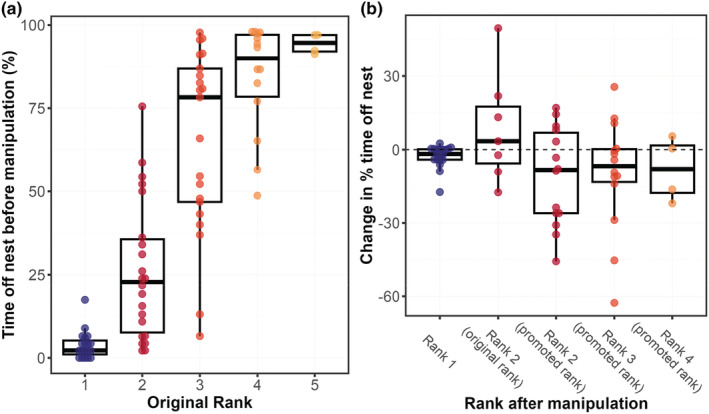 Figure 1
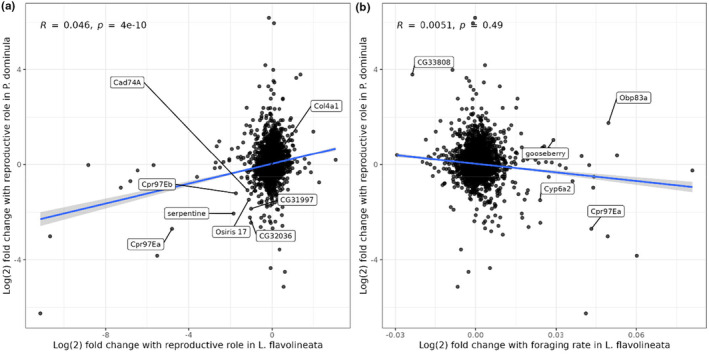 Figure 2
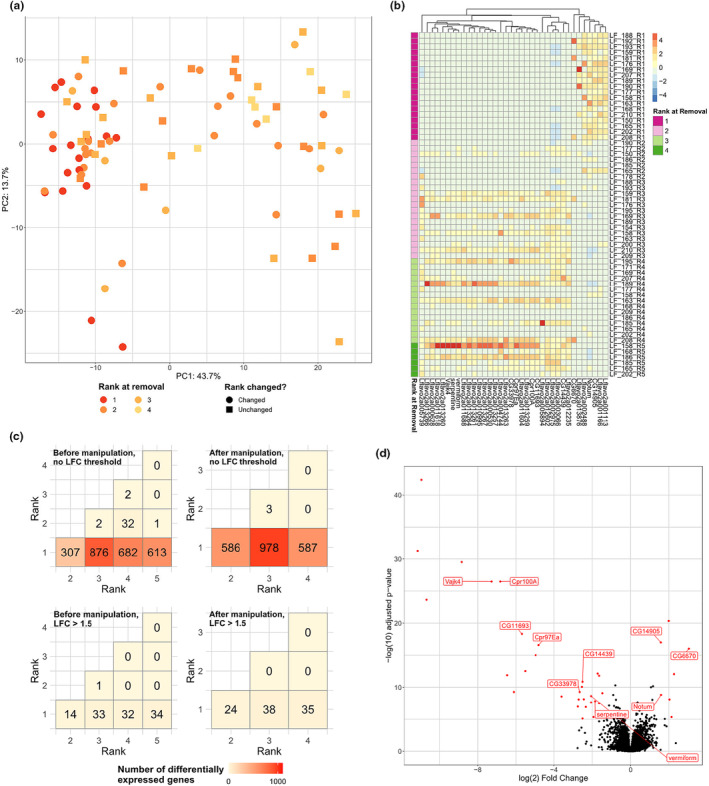 Figure 3
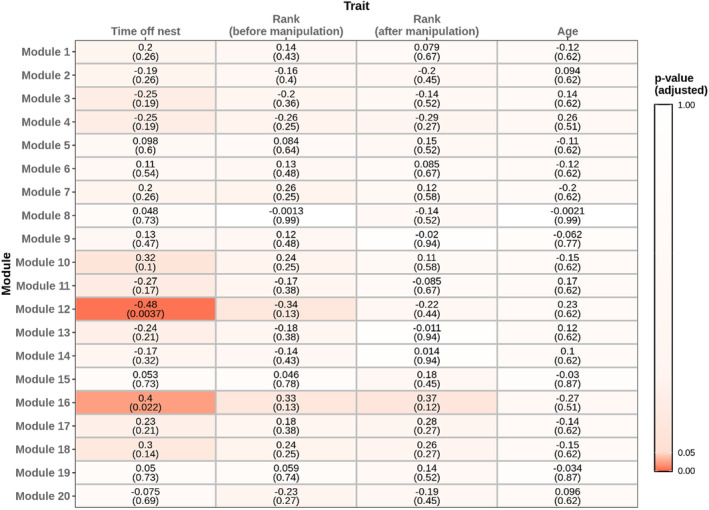 Figure 4
Peer Reviews
No public reviews on file for this paper yet. If you reviewed it on a platform where reviews are public (OpenReview, ICLR, NeurIPS, ICML), you can paste yours below so the community can read it here.
Videos
No videos yet. Explain this paper in a talk, walkthrough, or lecture? Add one.
Taxonomy
TopicsParticle physics theoretical and experimental studies · Particle Detector Development and Performance · High-Energy Particle Collisions Research