Incorporation of the histone variant H2A.Z counteracts gene silencing mediated by H3K27 trimethylation in Fusarium fujikuroi
Anna K. Atanasoff-Kardjalieff, Harald Berger, Katharina Steinert, Slavica Janevska, Nadia Ponts, Hans-Ulrich Humpf, Svetlana Kalinina, Lena Studt-Reinhold

TL;DR
This study explores how the histone variant H2A.Z in the rice pathogen Fusarium fujikuroi influences gene expression and chromatin structure, showing it promotes gene transcription independently of other histone marks.
Contribution
The study reveals that FfH2A.Z promotes gene transcription in euchromatin and facultative heterochromatin by stabilizing the +1-nucleosome, independent of H3K27me3 and H3K4me3.
Findings
FfH2A.Z is positioned at the +1-nucleosome and promotes gene transcription in facultative heterochromatin.
FfH2A.Z does not crosstalk with H3K27me3 or H3K4me3, as its depletion does not affect their establishment.
FfH2A.Z is essential for fungal development and secondary metabolism in Fusarium fujikuroi.
Abstract
Fusarium fujikuroi is a pathogen of rice causing diverse disease symptoms such as ‘bakanae’ or stunting, most likely due to the production of various natural products (NPs) during infection. Fusaria have the genetic potential to synthesize a plethora of these compounds with often diverse bioactivity. The capability to synthesize NPs exceeds the number of those being produced by far, implying a gene regulatory network decisive to induce production. One such regulatory layer is the chromatin structure and chromatin-based modifications associated with it. One prominent example is the exchange of histones against histone variants such as the H2A variant H2A.Z. Though H2A.Z already is well studied in several model organisms, its regulatory functions are not well understood. Here, we used F. fujikuroi as a model to explore the role of the prominent histone variant FfH2A.Z in gene expression…
Genes, proteins, chemicals, diseases, species, mutations and cell lines named across the full text — each resolved to its canonical identifier and authoritative record.
Click any figure to enlarge with its caption.
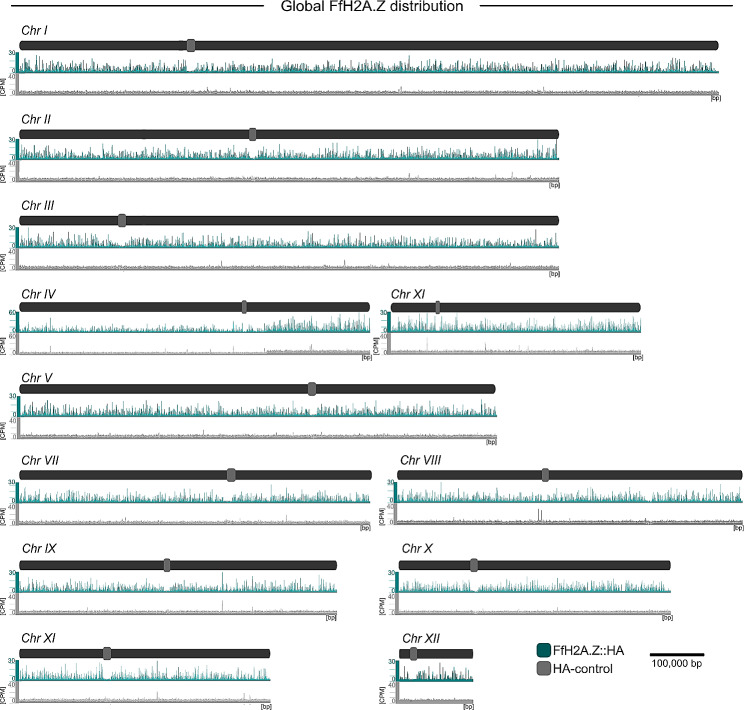 Figure 1
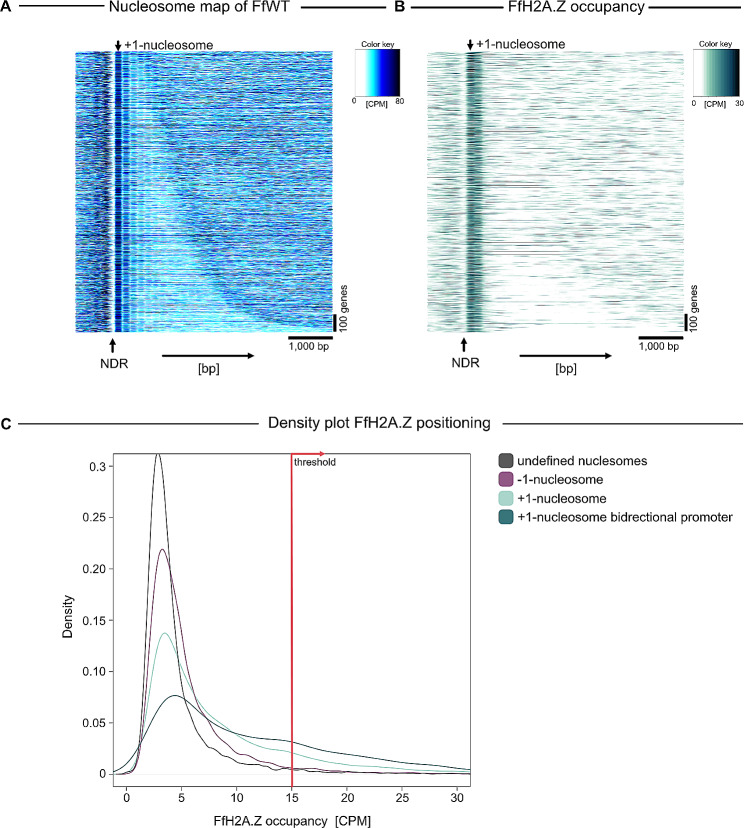 Figure 2
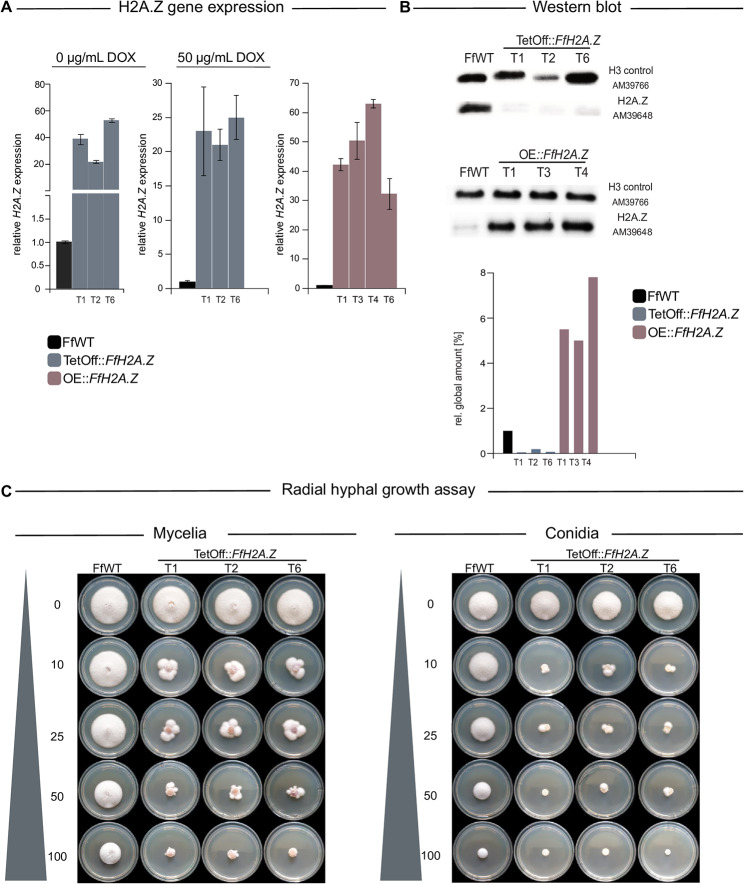 Figure 3
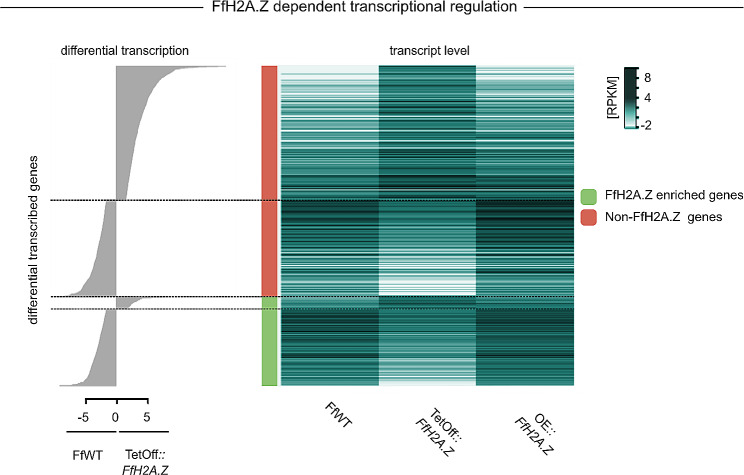 Figure 4
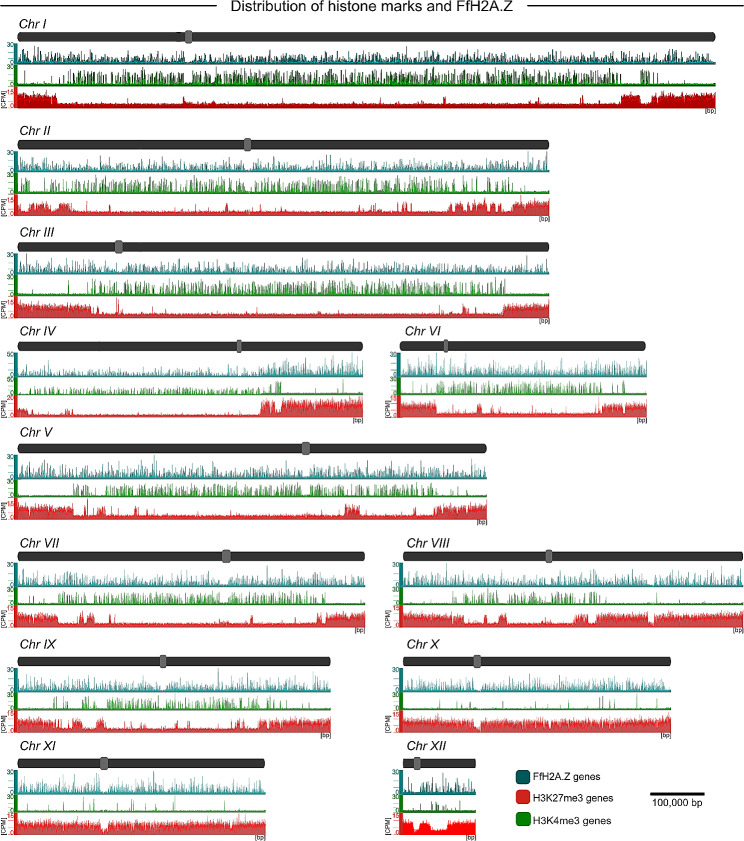 Figure 5
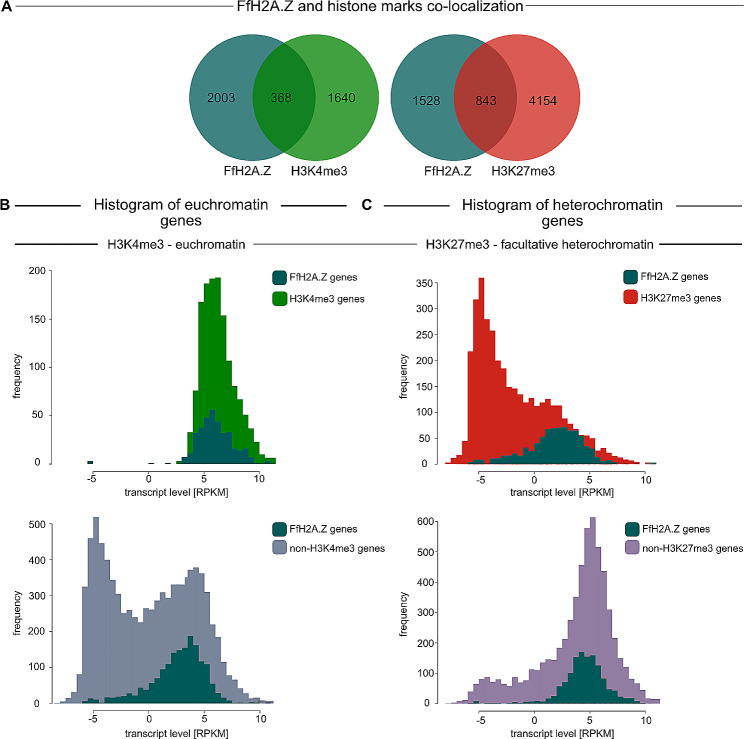 Figure 6
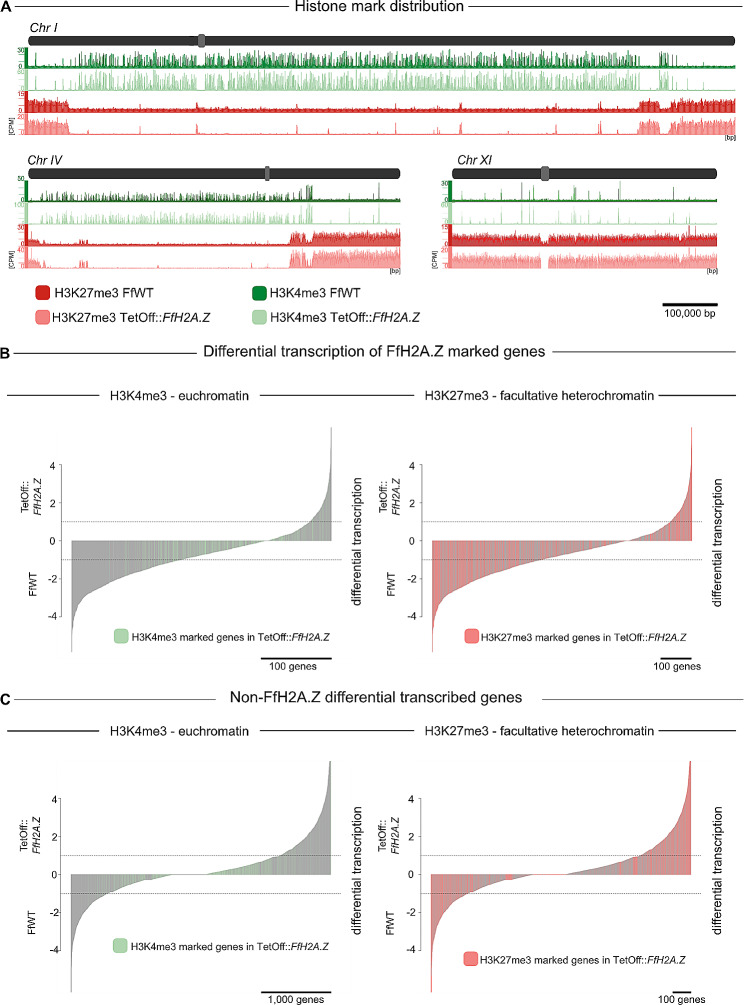 Figure 7
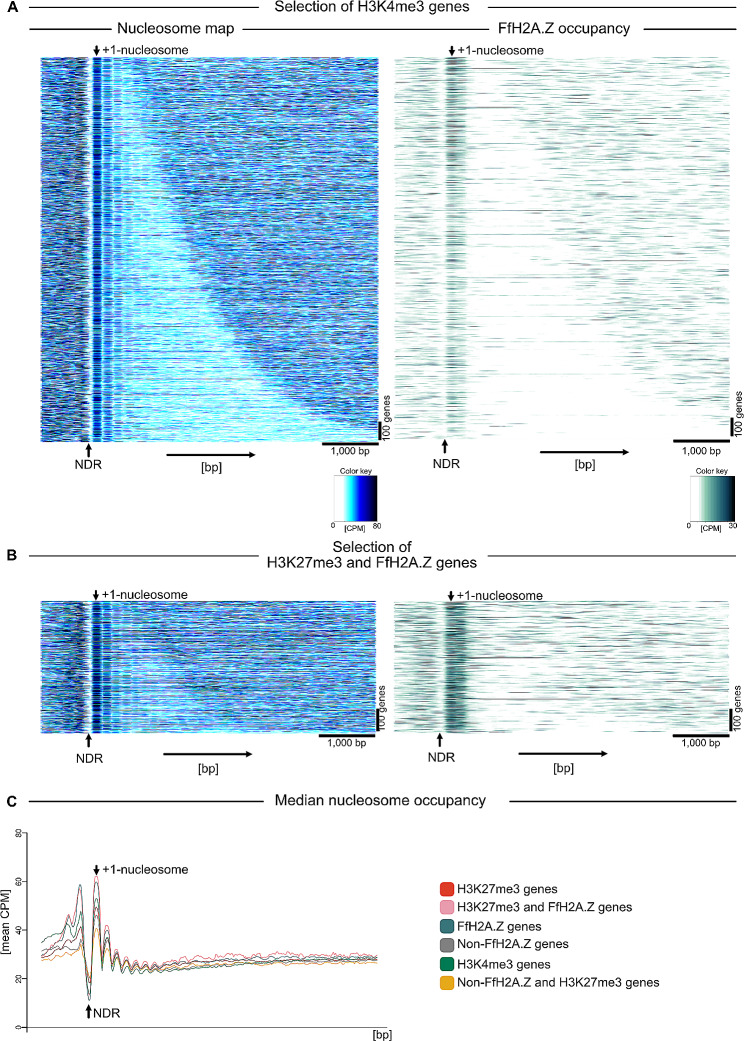 Figure 8
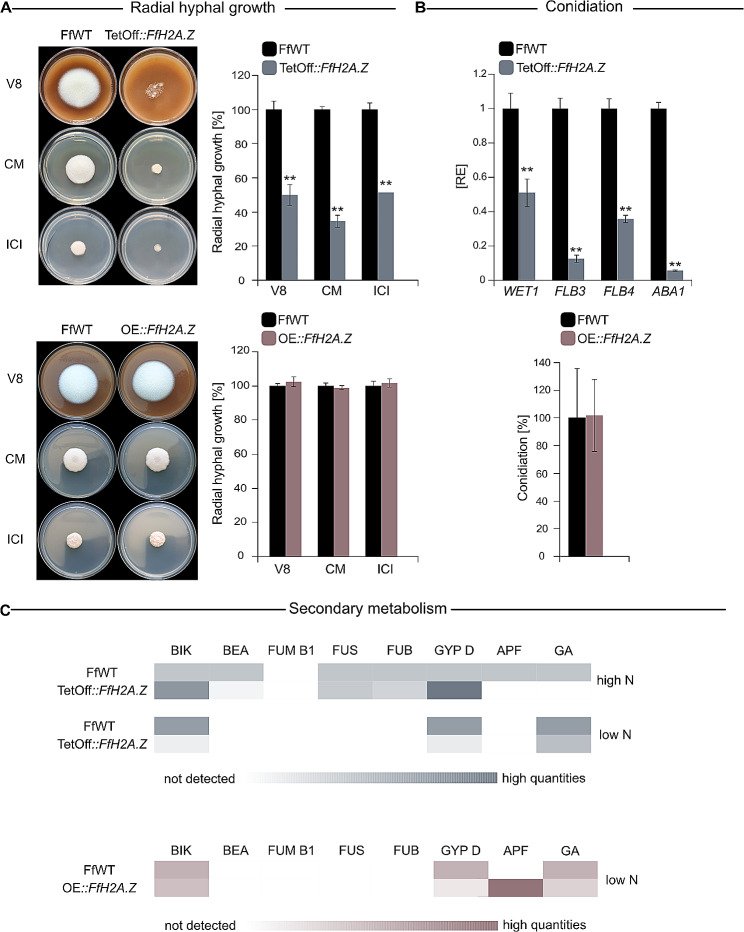 Figure 9
Peer Reviews
No public reviews on file for this paper yet. If you reviewed it on a platform where reviews are public (OpenReview, ICLR, NeurIPS, ICML), you can paste yours below so the community can read it here.
Videos
No videos yet. Explain this paper in a talk, walkthrough, or lecture? Add one.
Taxonomy
TopicsPlant Pathogens and Fungal Diseases · Plant-Microbe Interactions and Immunity · Microbial Natural Products and Biosynthesis