Bilateral vertebral artery injury leads to brain death following traumatic brain injury: a case report
Vera Irawany, Vizzi A. F. Nasution, Noorcahya Amalia

TL;DR
A woman's brain death after a traumatic injury was caused by vertebral artery damage, which could have been prevented with timely treatment and neck immobilization.
Contribution
This case report highlights brain death due to bilateral vertebral artery injury following traumatic brain injury and emphasizes the importance of early intervention.
Findings
Bilateral vertebral artery injury led to brain death due to cerebral hypoperfusion.
Cervical spine displacement and a carotid cavernous fistula were identified as contributing factors.
Early endovascular intervention and cervical immobilization could prevent such outcomes.
Abstract
Vertebral artery injury is a rare condition in trauma settings. In the advanced stages, it causes death. A 31-year-old Sundanese woman with cerebral edema, C2–C3 anterolisthesis, and Le Fort III fracture after a motorcycle accident was admitted to the emergency room. On the fifth day, she underwent arch bar maxillomandibular application and debridement in general anesthesia with a hyperextended neck position. Unfortunately, her rigid neck collar was removed in the high care unit before surgery. Her condition deteriorated 72 hours after surgery. Digital subtraction angiography revealed a grade 5 bilateral vertebral artery injury due to cervical spine displacement and a grade 4 left internal carotid artery injury with a carotid cavernous fistula (CCF). The patient was declared brain death as not improved cerebral perfusion after CCF coiling. Brain death due to cerebral hypoperfusion…
Genes, proteins, chemicals, diseases, species, mutations and cell lines named across the full text — each resolved to its canonical identifier and authoritative record.
Click any figure to enlarge with its caption.
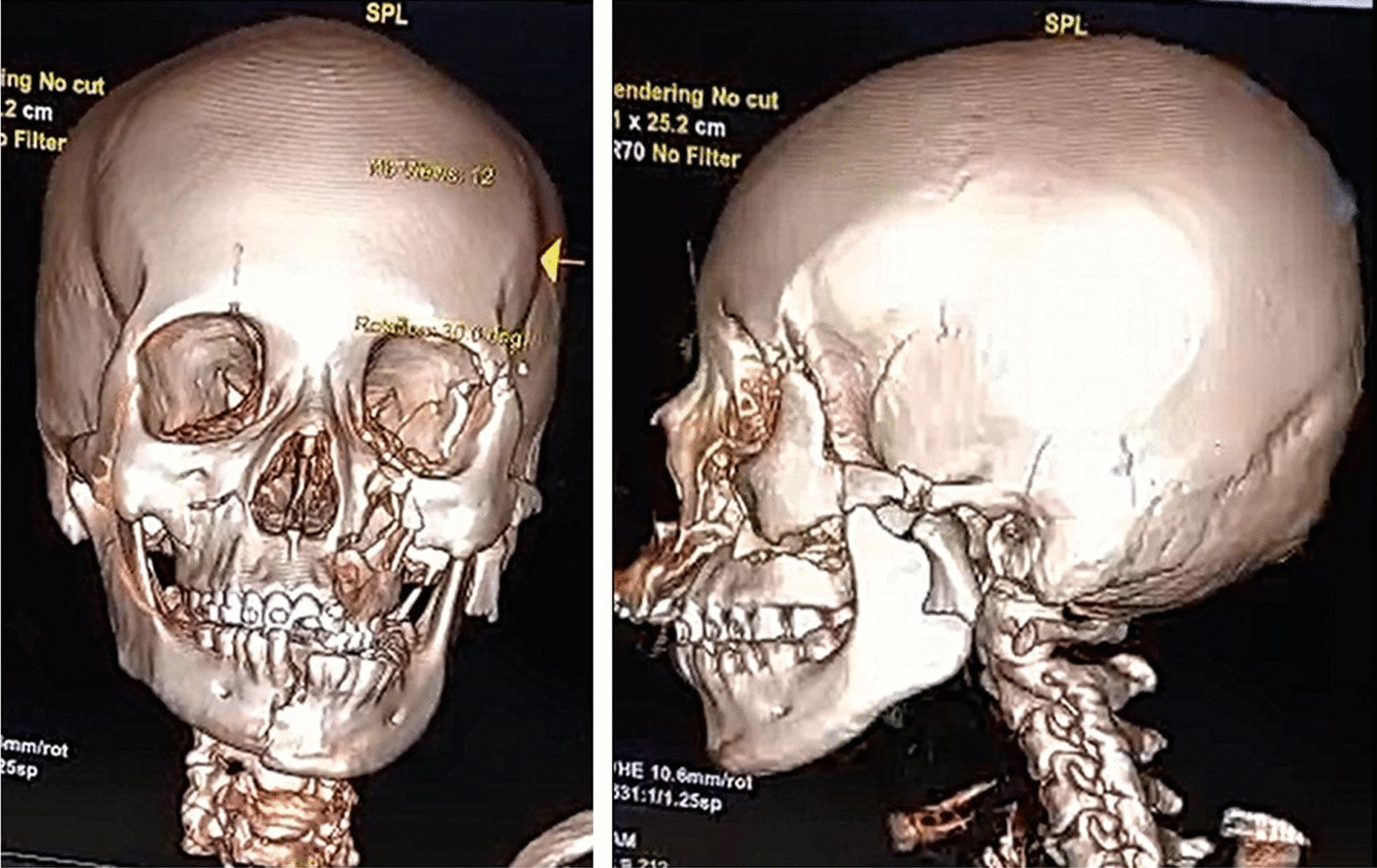 Figure 1
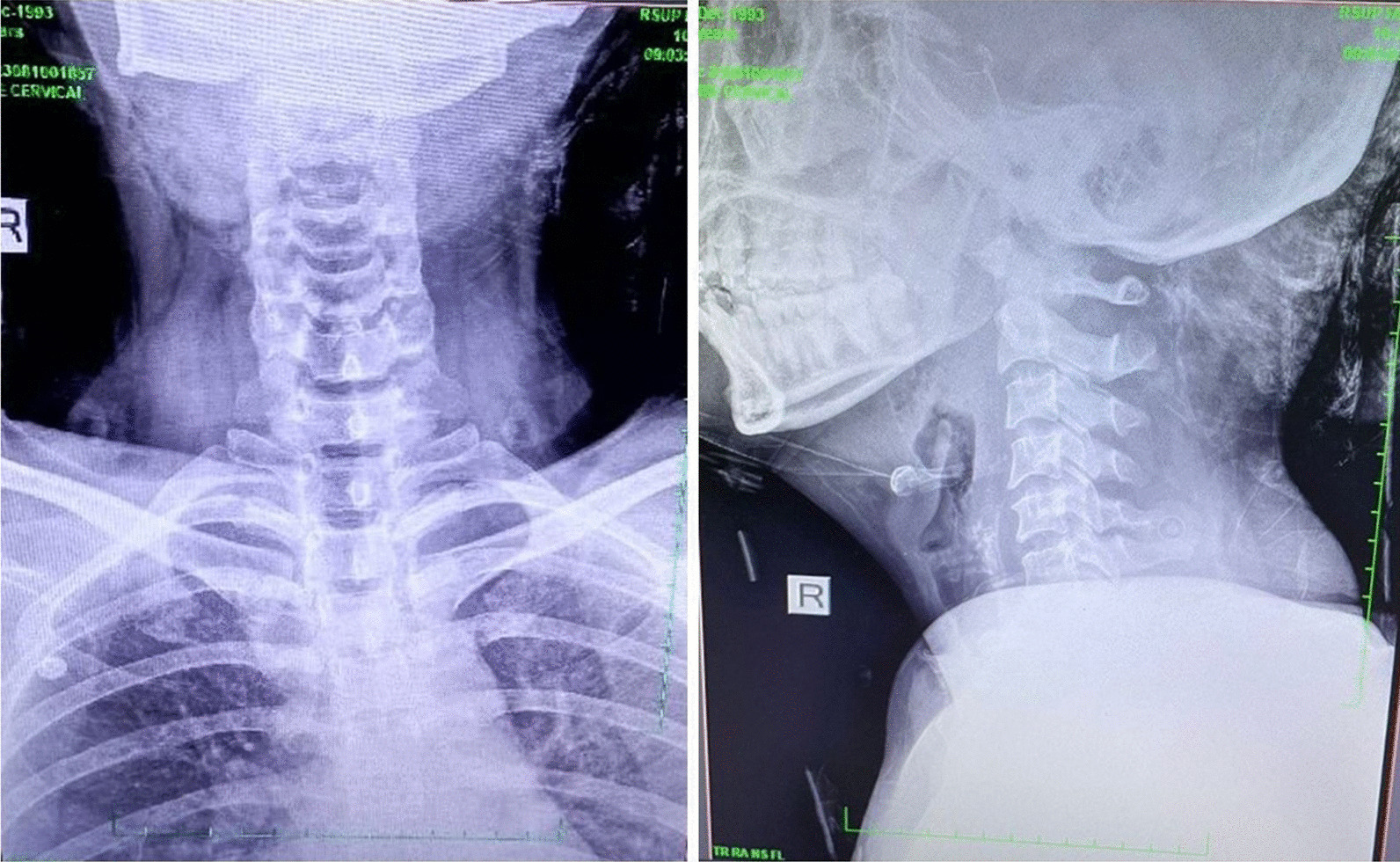 Figure 2
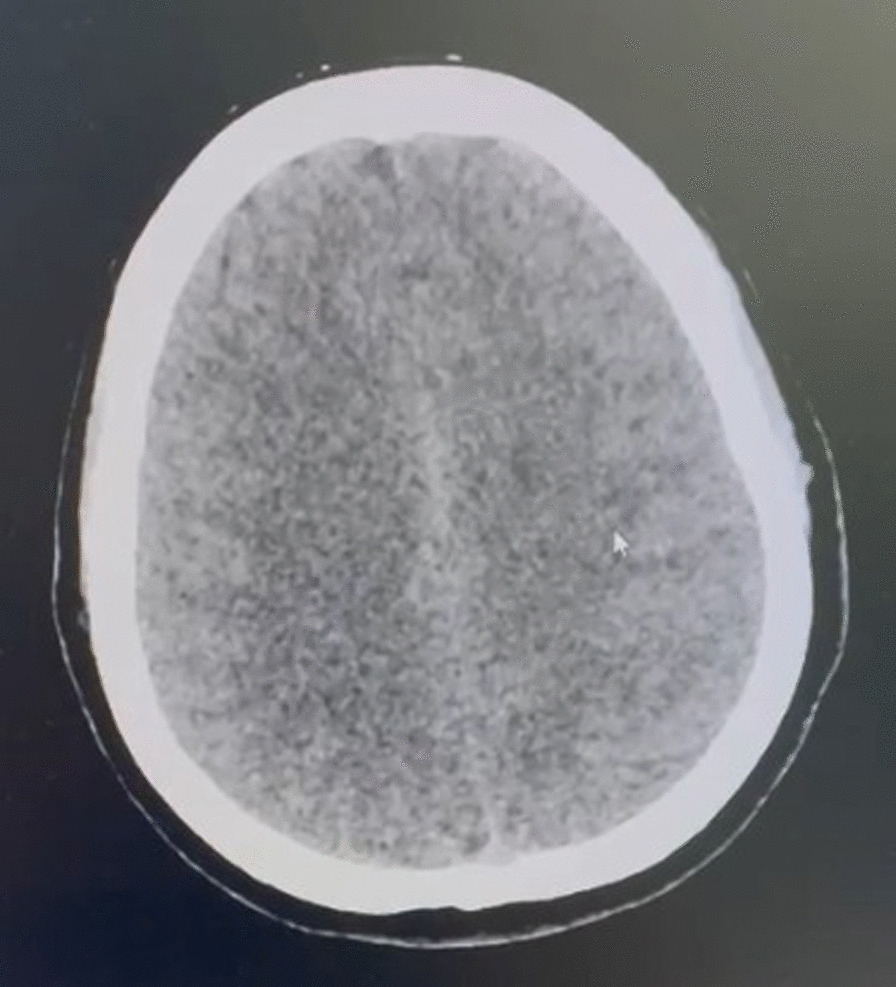 Figure 3
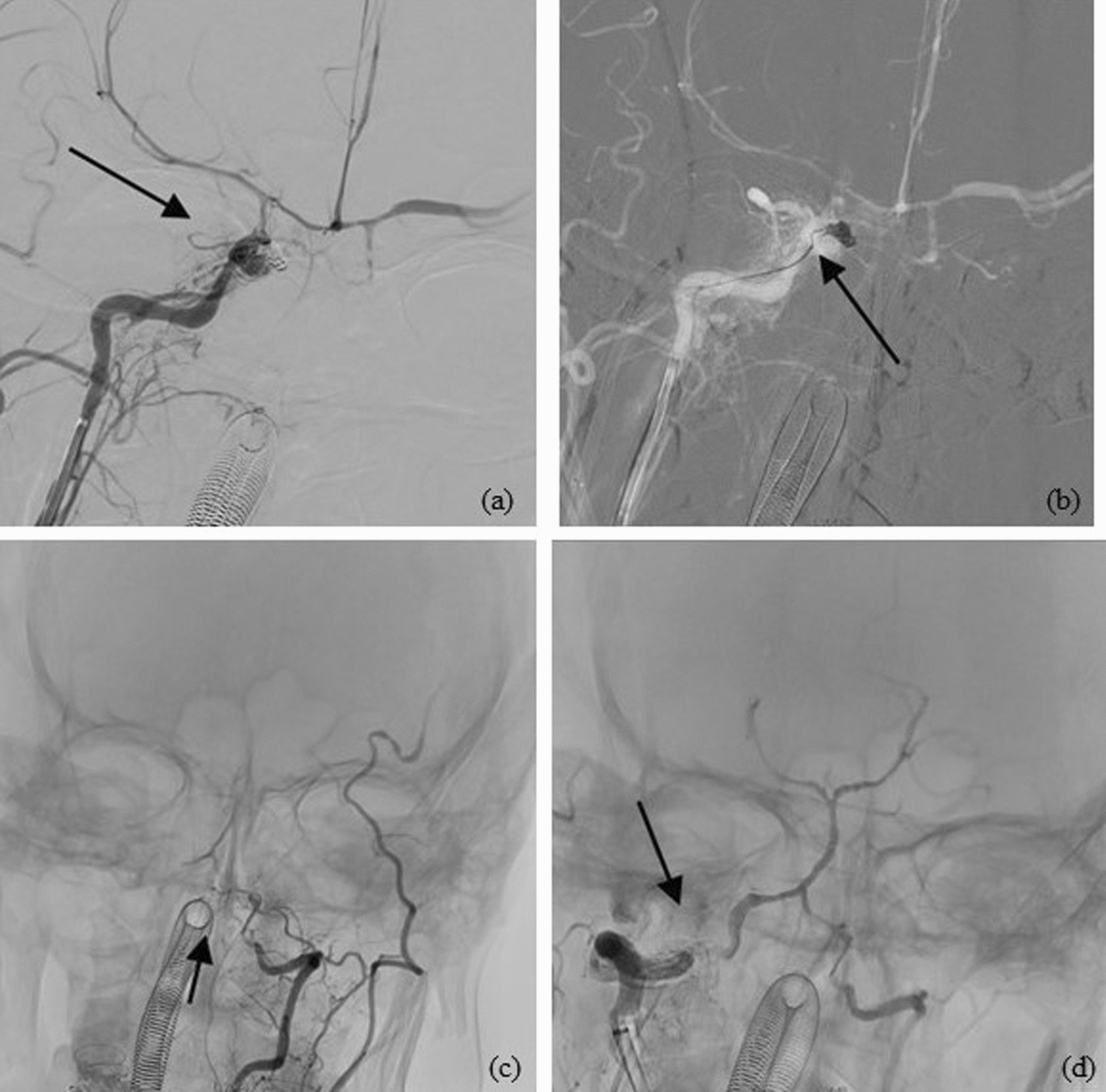 Figure 4
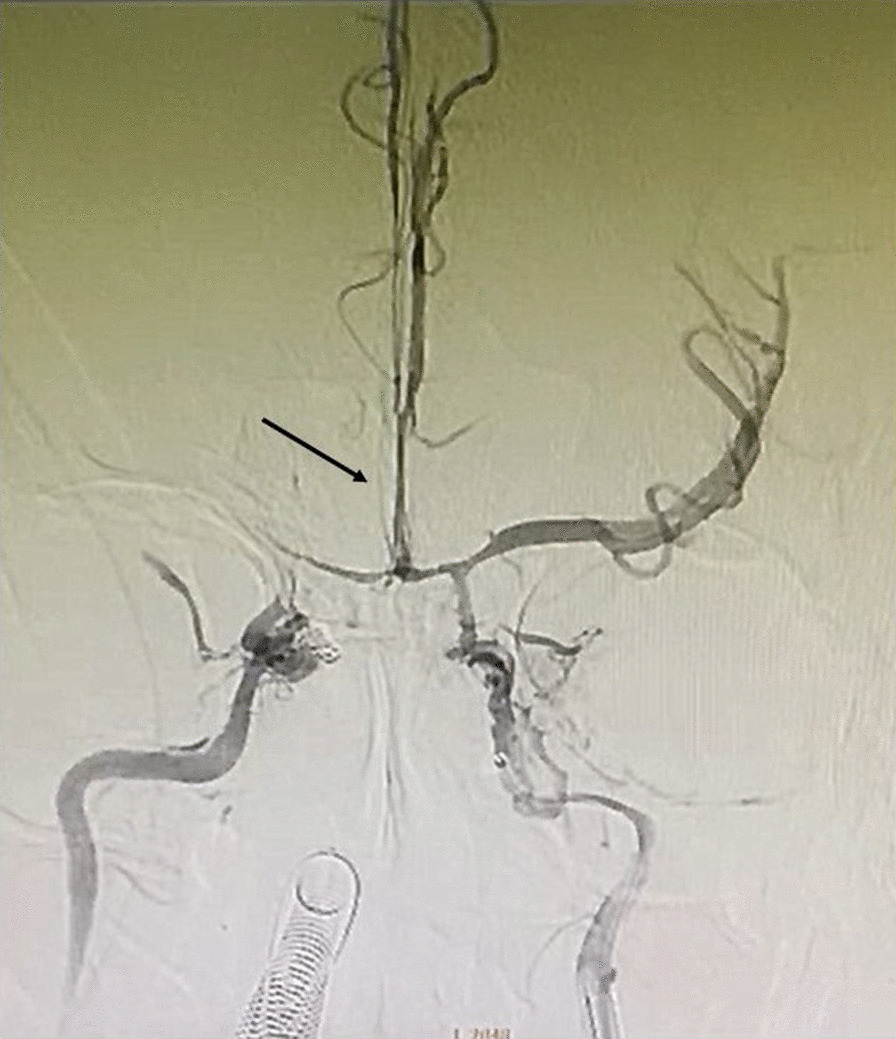 Figure 5
Peer Reviews
No public reviews on file for this paper yet. If you reviewed it on a platform where reviews are public (OpenReview, ICLR, NeurIPS, ICML), you can paste yours below so the community can read it here.
Videos
No videos yet. Explain this paper in a talk, walkthrough, or lecture? Add one.
Taxonomy
TopicsIntracranial Aneurysms: Treatment and Complications · Vascular Malformations Diagnosis and Treatment · Spinal Fractures and Fixation Techniques