Rare case of septic shock combined with meningitis caused by Pasteurella multocida without a history of cat and dog bites
Yijun Zhu, Fang Zhu, Xiaoyun Shan, Jingchao Shi

TL;DR
An 84-year-old man developed septic shock and meningitis from Pasteurella multocida without a history of animal bites, highlighting the need for broader clinical awareness.
Contribution
This is a rare report of P. multocida causing septic shock and meningitis without animal contact, expanding clinical understanding of its transmission routes.
Findings
P. multocida was detected in blood and wound samples but not in cerebrospinal fluid culture.
The patient recovered after treatment with penicillin G, doxycycline, and ceftriaxone.
The case occurred without a history of cat or dog bites, challenging existing assumptions about transmission.
Abstract
Pasteurella multocida is a zoonotic pathogen that mainly causes local skin and soft tissue infections in the human body through cat and dog bites. It rarely causes bacteraemia (or sepsis) and meningitis. We reported a case of septic shock and meningitis caused by P. multocida in a patient without a history of cat and dog bites. An 84-year-old male patient was urgently sent to the emergency department after he was found with unclear consciousness for 8 h, accompanied by limb tremors and urinary incontinence. In the subsequent examination, P. multocida was detected in the blood culture and wound secretion samples of the patient. However, it was not detected in the cerebrospinal fluid culture, but its DNA sequence was detected. Therefore, the patient was clearly diagnosed with septic shock and meningitis caused by P. multocida. The patient had no history of cat or dog contact or bite. The…
Genes, proteins, chemicals, diseases, species, mutations and cell lines named across the full text — each resolved to its canonical identifier and authoritative record.
Click any figure to enlarge with its caption.
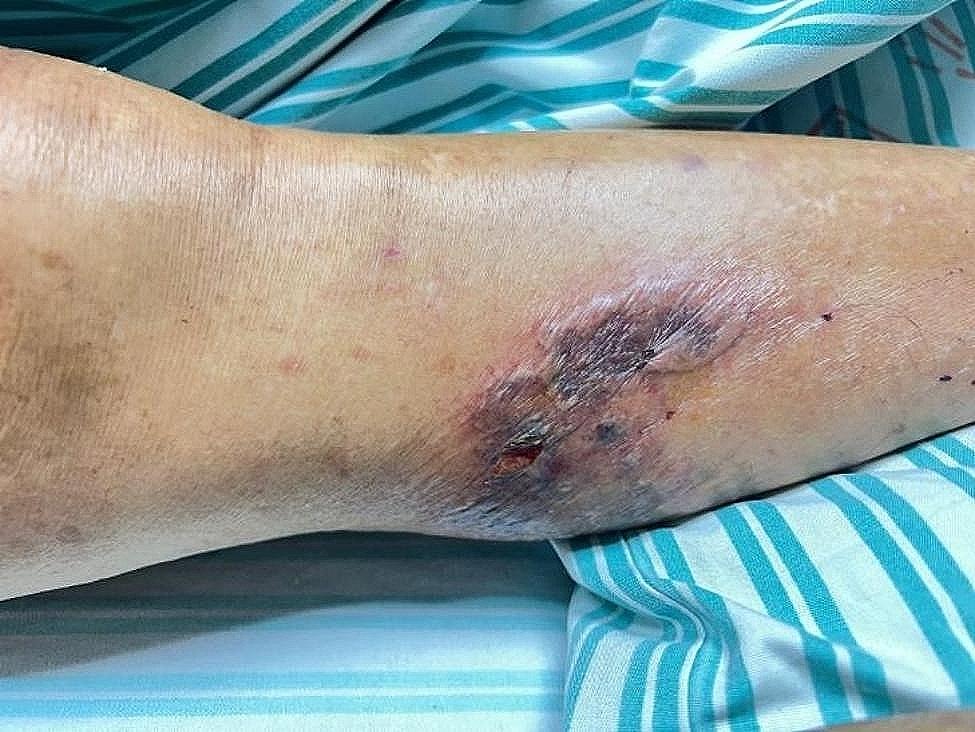 Figure 1
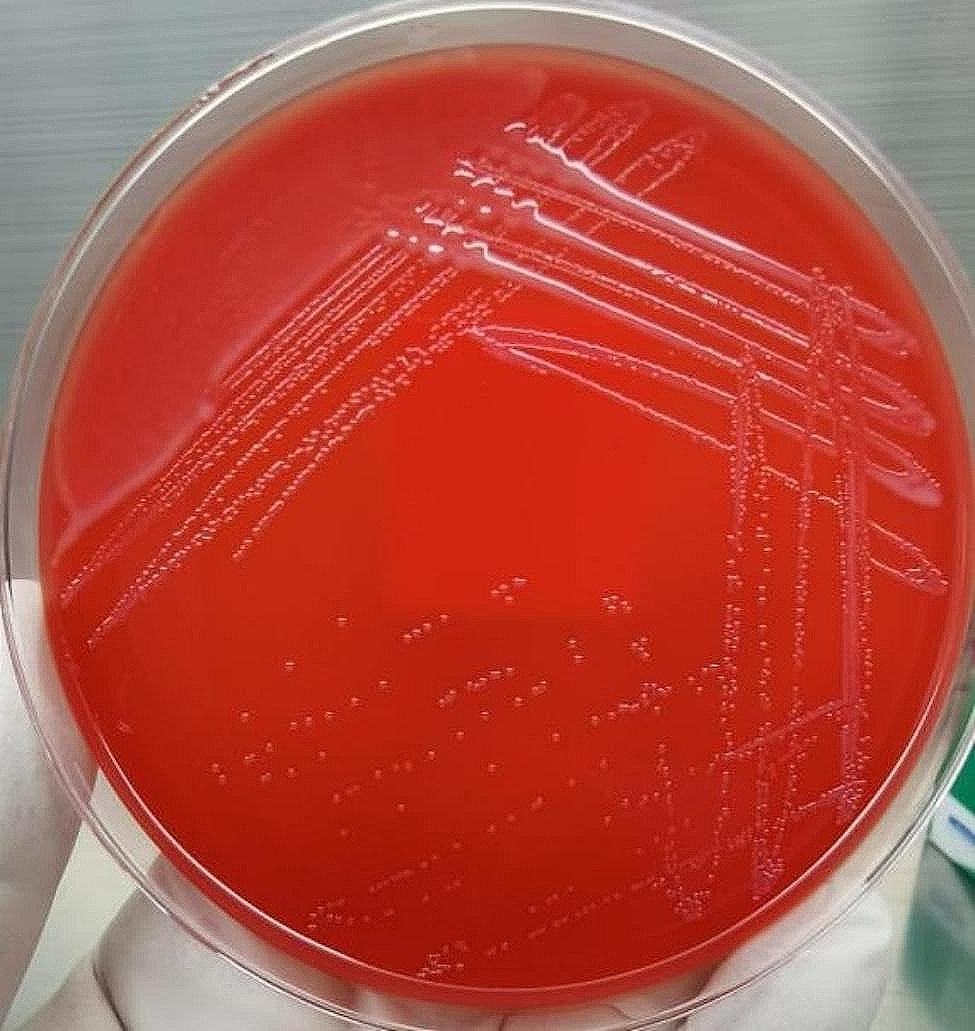 Figure 2
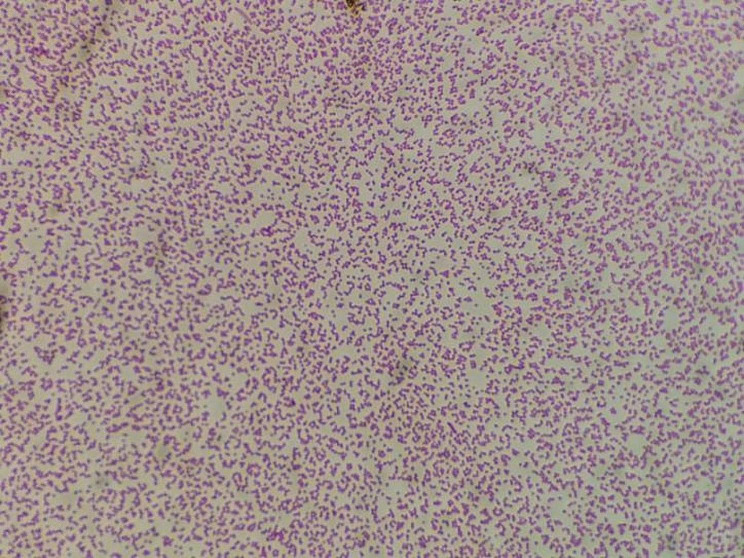 Figure 3
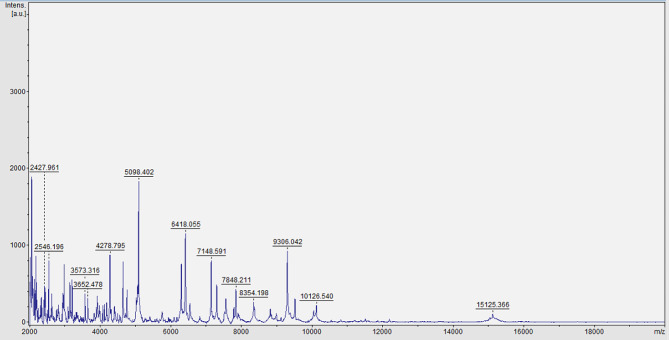 Figure 4
Peer Reviews
No public reviews on file for this paper yet. If you reviewed it on a platform where reviews are public (OpenReview, ICLR, NeurIPS, ICML), you can paste yours below so the community can read it here.
Videos
No videos yet. Explain this paper in a talk, walkthrough, or lecture? Add one.
Taxonomy
TopicsRabies epidemiology and control · Microbial infections and disease research · Streptococcal Infections and Treatments