Suppression of P2X4 and P2X7 by Lactobacillus rhamnosus vitaP1: effects on hangover symptoms
Jeong Eun Kwon, Woojae Hong, Hyelin Jeon, Cha Soon Kim, Hyunggun Kim, Se Chan Kang

TL;DR
This study shows that a natural product mix called free-panica can reduce hangover symptoms and protect the liver by suppressing genes linked to anxiety and liver damage.
Contribution
The study introduces free-panica as a novel natural product combination that alleviates hangover symptoms and protects liver function.
Findings
Free-panica reduced alcohol-induced emotional anxiety in both in vitro and in vivo models.
The product lowered blood levels of AST, ALT, alcohol, and acetaldehyde to normal levels.
Free-panica suppressed the upregulated expression of P2X4, P2X7, and SLC6A4 genes caused by alcohol.
Abstract
This study aimed to identify substances including Lactobacillus rhamnosus vitaP1 (KACC 92054P) that alleviate hangover-induced emotional anxiety and liver damage. The association between emotional anxiety caused by hangover and the genes P2X4, P2X7, SLC6A4 was investigated. In vitro and in vivo analyses were conducted to assess the influence of free-panica on alcohol-induced upregulated gene expression. Additionally, the concentration of AST, ALT, alcohol, and acetaldehyde in blood was measured. Free-panica, consisting of five natural products (Phyllanthus amarus, Phoenix dactylifera, Vitis vinifera, Zingiber officinale, and Lactobacillus rhamnosus), were evaluated for their regulatory effects on genes involved in alcohol-induced emotional anxiety and liver damage. The combination of these natural products in free-panica successfully restored emotional anxiety, and the concentration of…
Genes, proteins, chemicals, diseases, species, mutations and cell lines named across the full text — each resolved to its canonical identifier and authoritative record.
Click any figure to enlarge with its caption.
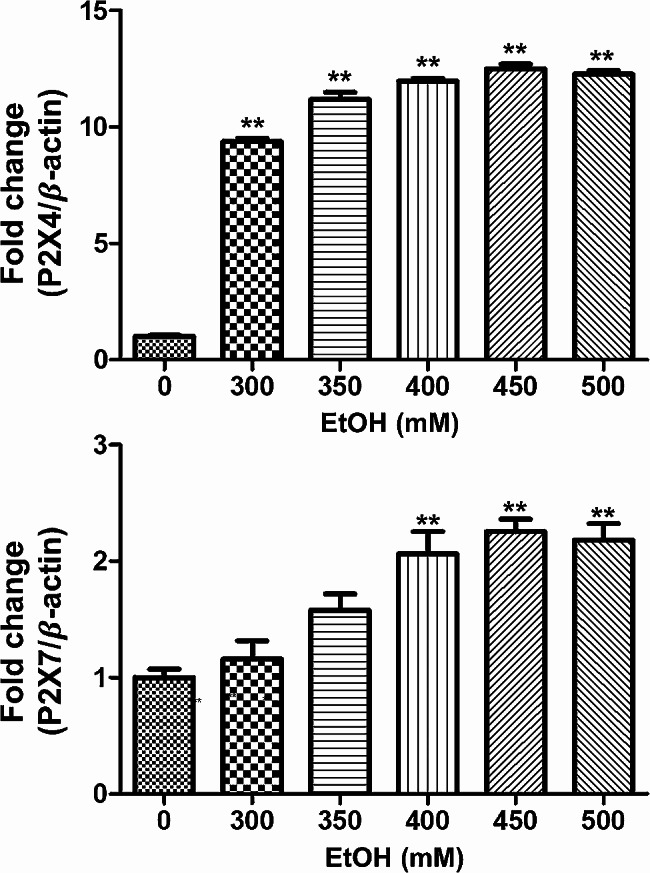 Figure 1
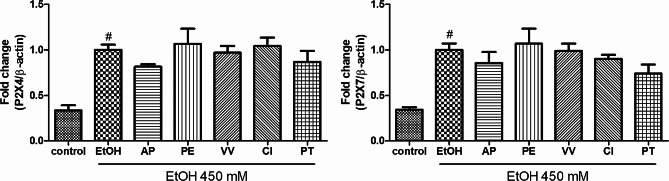 Figure 2
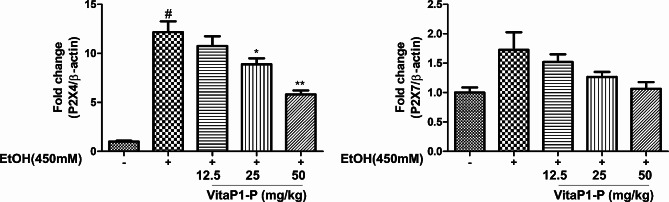 Figure 3
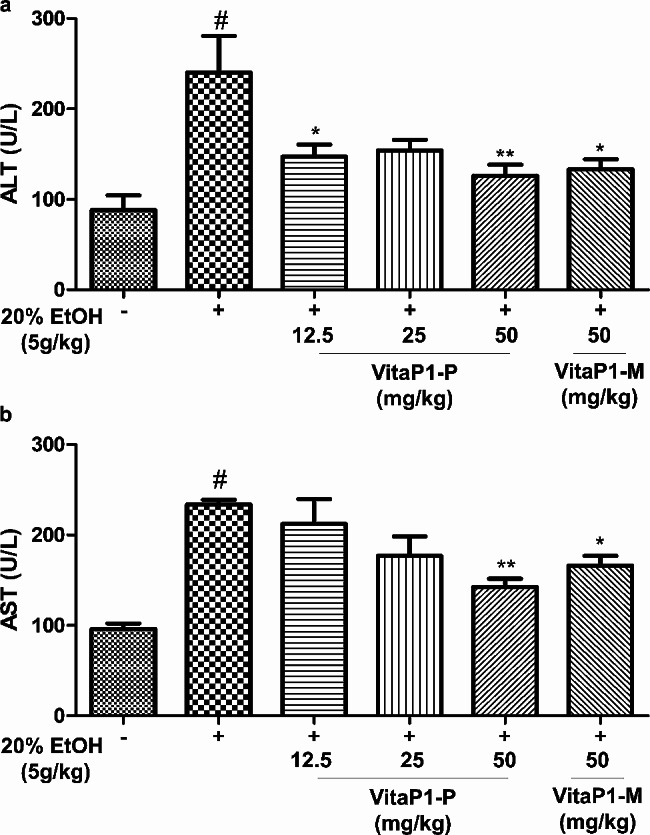 Figure 4
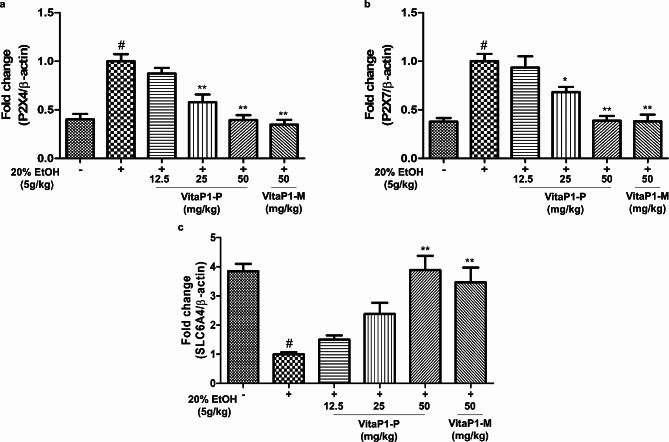 Figure 5
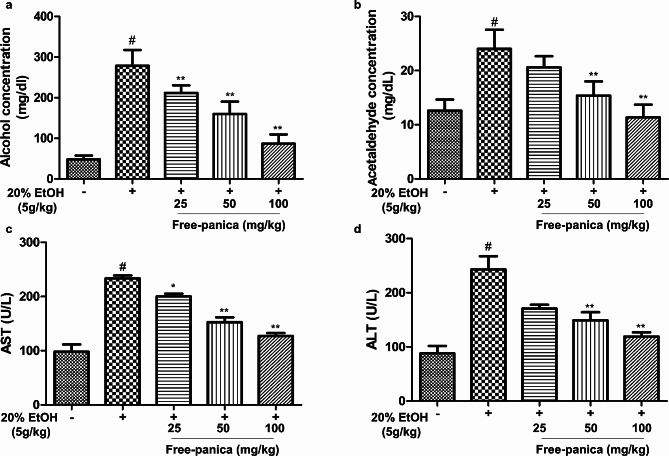 Figure 6
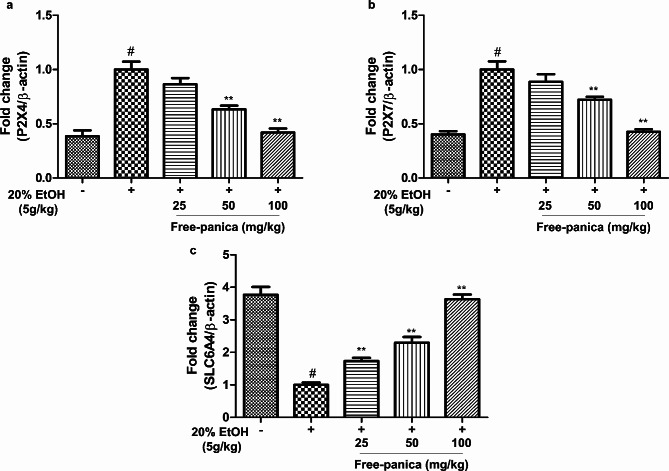 Figure 7
Peer Reviews
No public reviews on file for this paper yet. If you reviewed it on a platform where reviews are public (OpenReview, ICLR, NeurIPS, ICML), you can paste yours below so the community can read it here.
Videos
No videos yet. Explain this paper in a talk, walkthrough, or lecture? Add one.
Taxonomy
TopicsPiperaceae Chemical and Biological Studies · Phytochemistry and Bioactivity Studies · Cholinesterase and Neurodegenerative Diseases