Proteomics and Machine Learning in the Prediction and Explanation of Low Pectoralis Muscle Area
Nicholas A. Enzer, Joe Chiles, Stefanie Mason, Toru Shirahata, Victor Castro, Elizabeth Regan, Bina Choi, Nancy F. Yuan, Alejandro A. Diaz, George R. Washko, Merry-Lynn McDonald, Raul San José Estépar, Samuel Y. Ash

TL;DR
This study uses proteomics and machine learning to predict and explain the risk of low pectoralis muscle area, identifying biomarkers and subtypes of individuals at risk.
Contribution
The study introduces a novel approach combining proteomics and machine learning to predict and explain low muscle mass risk.
Findings
Eight biomarkers were identified as associated with low pectoralis muscle area.
A combined model using clinical and biomarker data achieved an AUC of 0.744.
Two distinct subtypes of individuals at risk for low PMA were identified.
Abstract
Low muscle mass is associated with numerous adverse outcomes independent of other associated comorbid diseases. We aimed to predict and understand an individual’s risk for developing low muscle mass using proteomics and machine learning. We identified 8 biomarkers associated with low pectoralis muscle area (PMA). We built 3 random forest classification models that used either clinical measures, feature selected biomarkers, or both to predict development of low PMA. The area under the receiver operating characteristic curve for each model was: clinical-only = 0.646, biomarker-only = 0.740, and combined = 0.744. We displayed the heterogenetic nature of an individual’s risk for developing low PMA and identified 2 distinct subtypes of participants who developed low PMA. While additional validation is required, our methods for identifying and understanding individual and group risk for low…
Genes, proteins, chemicals, diseases, species, mutations and cell lines named across the full text — each resolved to its canonical identifier and authoritative record.
Click any figure to enlarge with its caption.
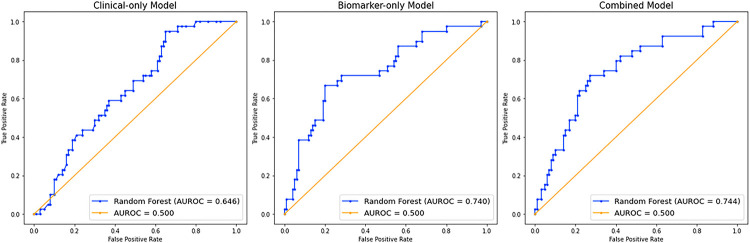 Figure 1
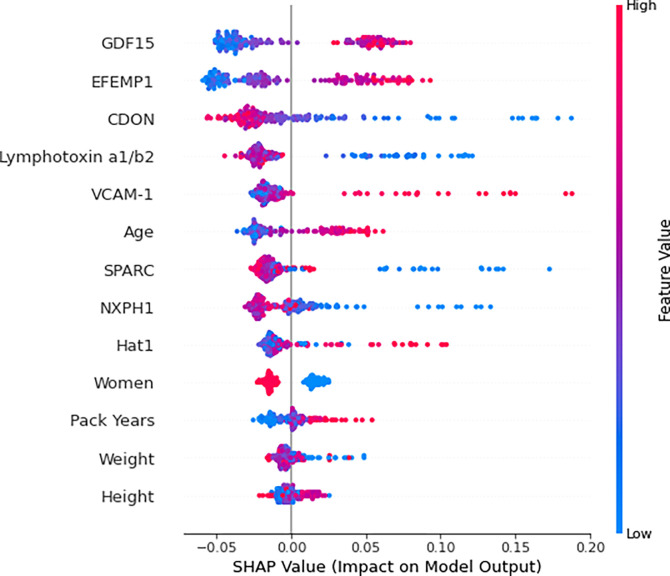 Figure 2
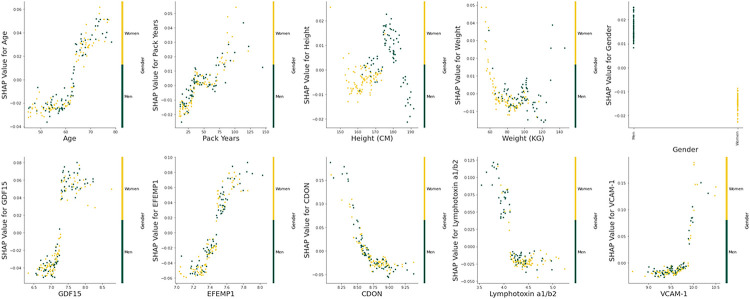 Figure 3
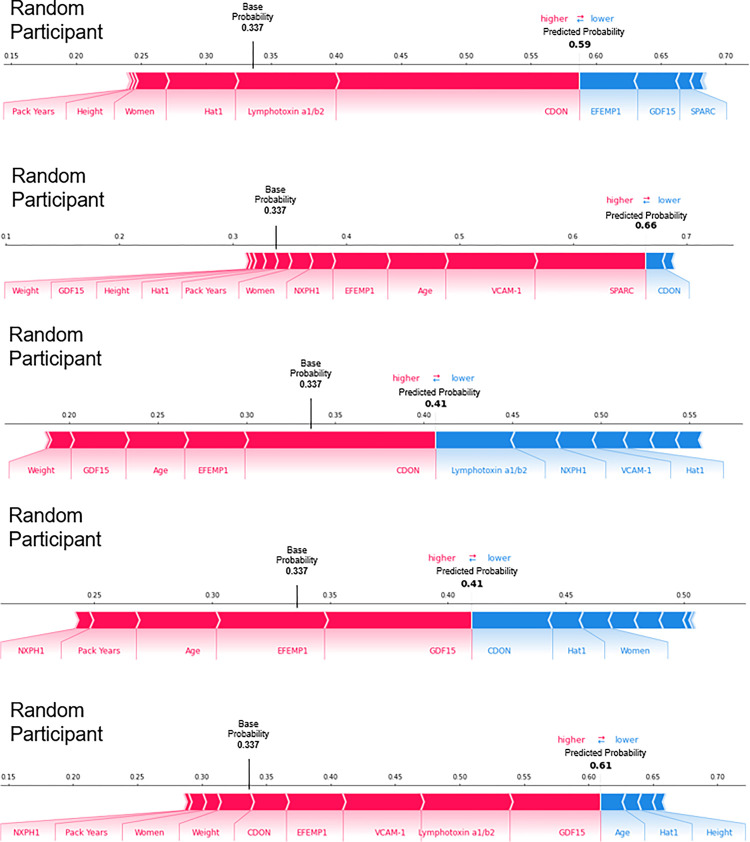 Figure 4
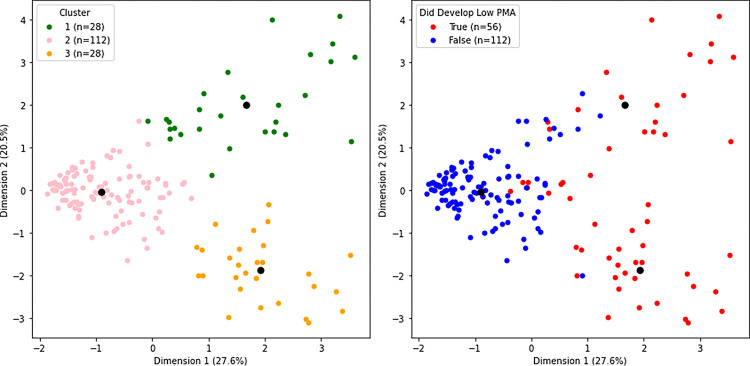 Figure 5
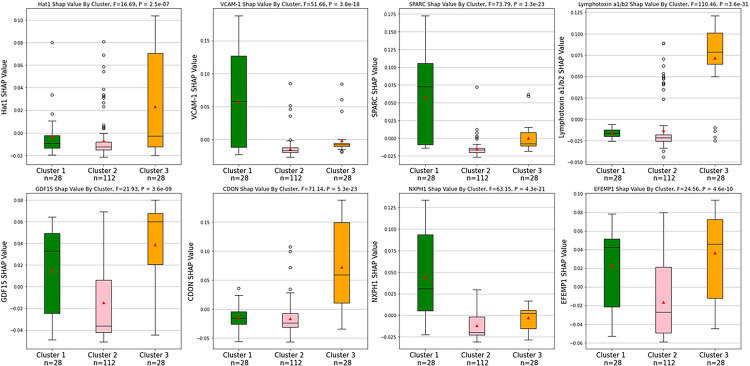 Figure 6
Peer Reviews
No public reviews on file for this paper yet. If you reviewed it on a platform where reviews are public (OpenReview, ICLR, NeurIPS, ICML), you can paste yours below so the community can read it here.
Videos
No videos yet. Explain this paper in a talk, walkthrough, or lecture? Add one.
Taxonomy
TopicsNutrition and Health in Aging · Chronic Obstructive Pulmonary Disease (COPD) Research · Body Composition Measurement Techniques