CausNet-partial : ‘Partial Generational Orderings’ based search for optimal sparse Bayesian networks via dynamic programming with parent set constraints
Nand Sharma, Joshua Millstein

TL;DR
This paper introduces CausNet-partial, a new algorithm that efficiently finds small and sparse Bayesian networks by reducing the search space, making it suitable for thousands of variables.
Contribution
The novel use of 'partial generational orderings' to optimize Bayesian network discovery with reduced runtime and scalability.
Findings
CausNet-partial outperforms three state-of-the-art algorithms in finding optimal Bayesian networks.
The method discovers small, sparse networks with drastically reduced runtime on both synthetic and real data.
CausNet-partial is highly scalable and applicable to thousands of variables with mixed data types.
Abstract
In our recent work, we developed a novel dynamic programming algorithm to find optimal Bayesian networks (BNs) with parent set constraints. This ‘generational orderings’ based dynamic programming search algorithm - CausNet - efficiently searches the space of possible BNs given the possible parent sets. The algorithm supports both continuous and categorical data, as well as continuous, binary and survival outcomes. In the present work, we develop a variant of CausNet - CausNet-partial - which searches the space of ‘partial generational orderings’, which further reduces the search space and is suited for finding smaller sparse optimal Bayesian networks; and can be applied to 1000s of variables. We test this method both on synthetic and real data. Our algorithm performs better than three state-of-art algorithms that are currently used extensively to find optimal BNs. We apply it to…
Genes, proteins, chemicals, diseases, species, mutations and cell lines named across the full text — each resolved to its canonical identifier and authoritative record.
Click any figure to enlarge with its caption.
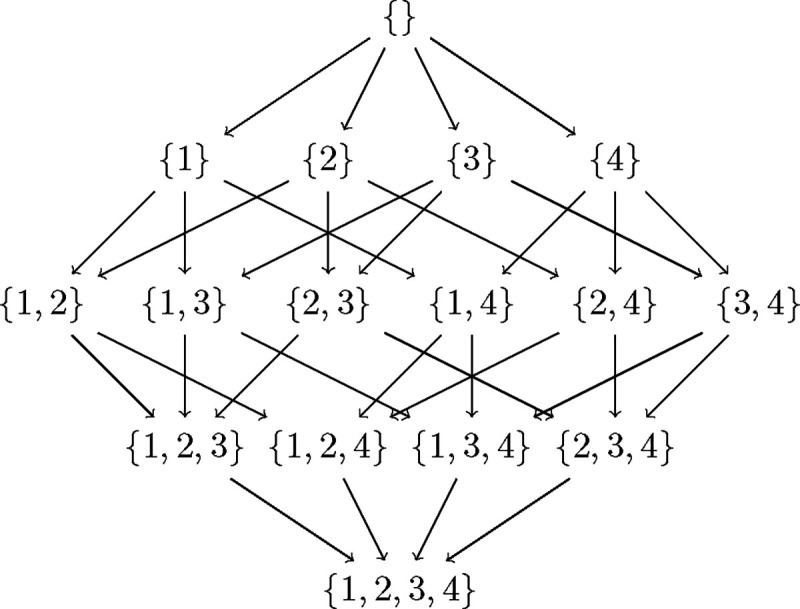 Figure 1
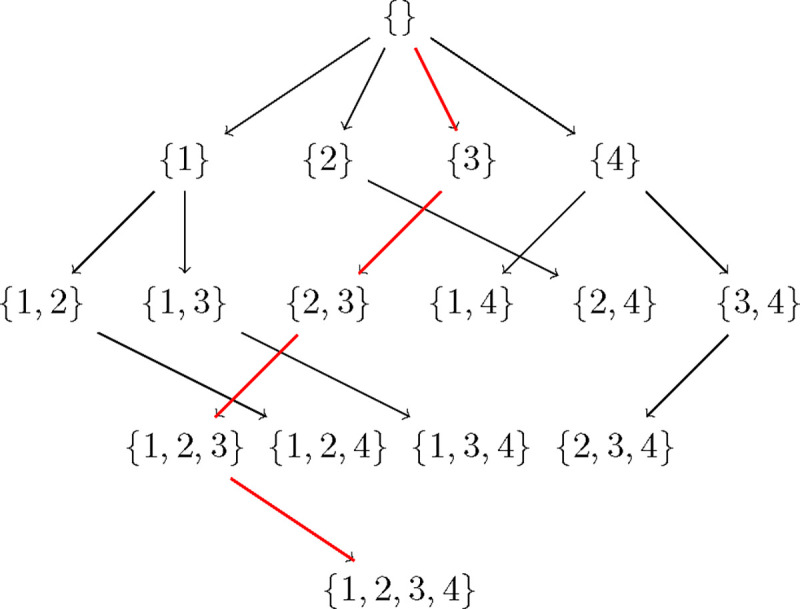 Figure 2
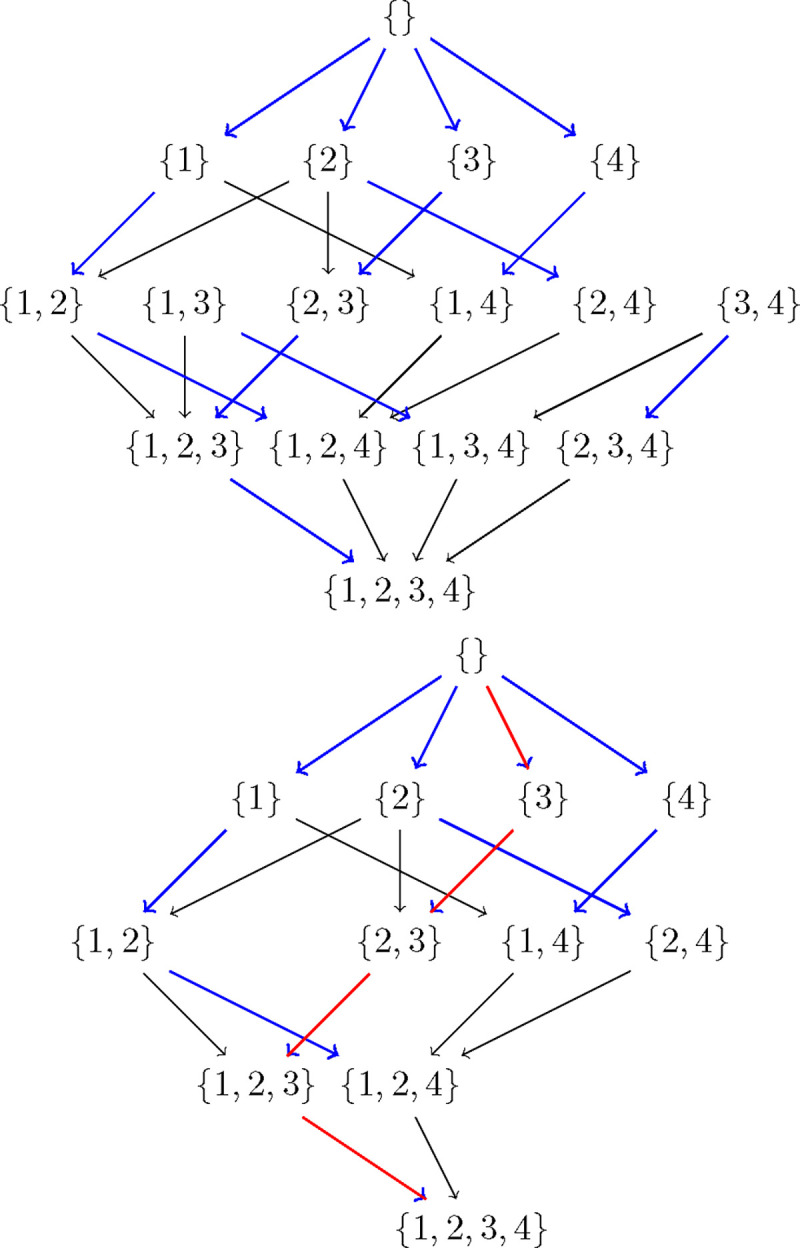 Figure 3
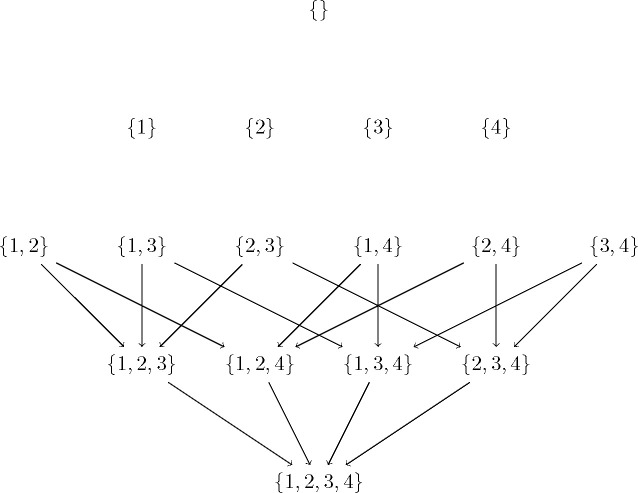 Figure 4
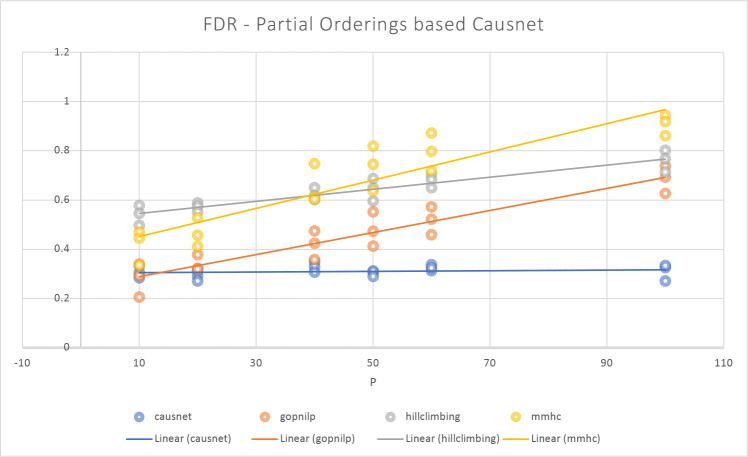 Figure 5
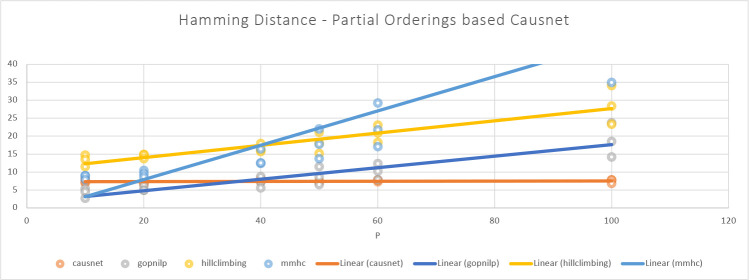 Figure 6
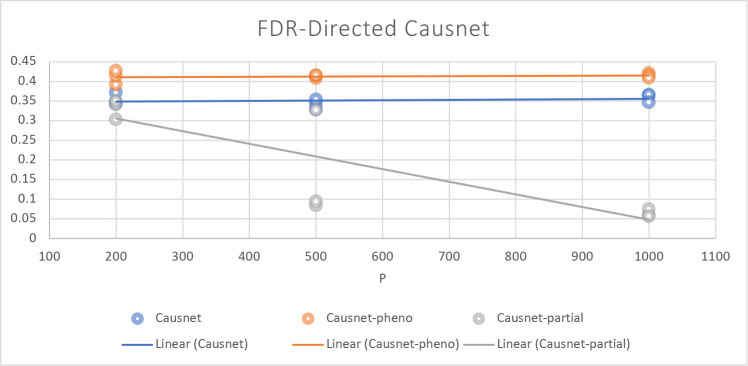 Figure 7
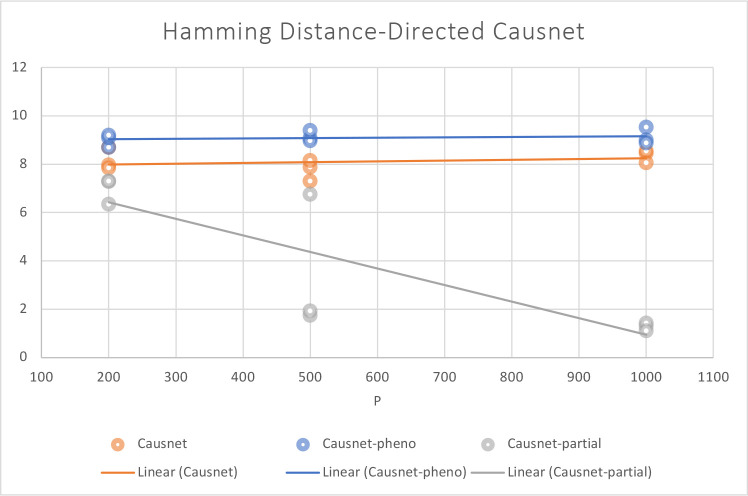 Figure 8
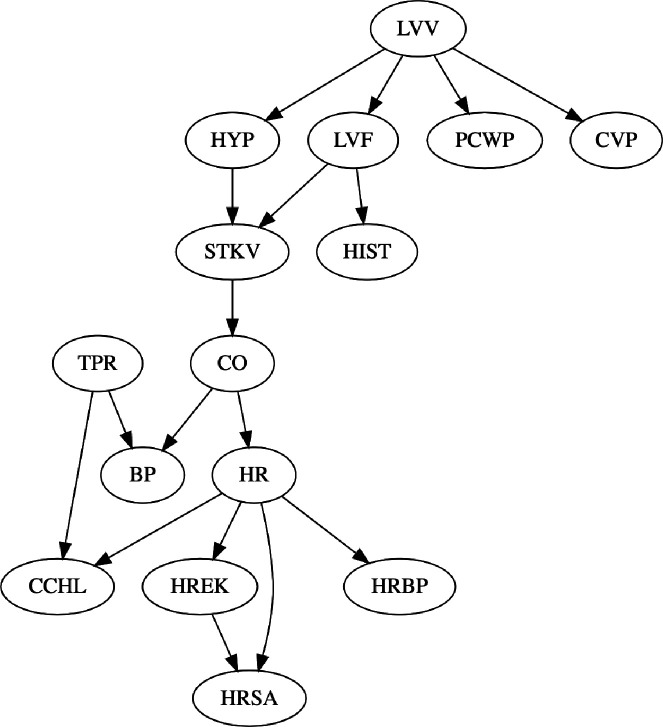 Figure 9
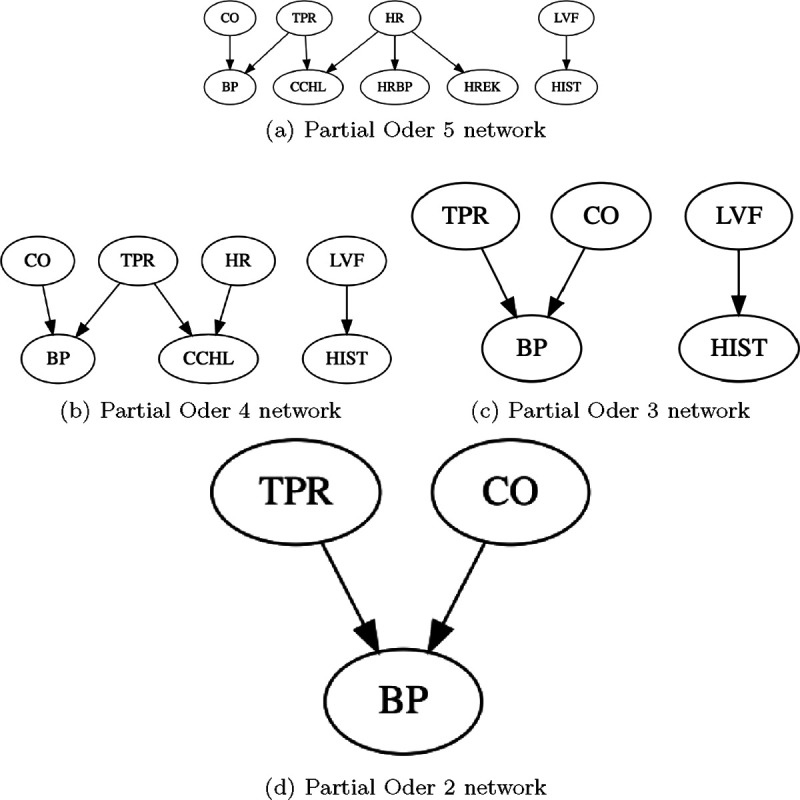 Figure 10
Peer Reviews
No public reviews on file for this paper yet. If you reviewed it on a platform where reviews are public (OpenReview, ICLR, NeurIPS, ICML), you can paste yours below so the community can read it here.
Videos
No videos yet. Explain this paper in a talk, walkthrough, or lecture? Add one.
Taxonomy
TopicsBayesian Modeling and Causal Inference · Multi-Criteria Decision Making · AI-based Problem Solving and Planning