Endocrine islet β-cell subtypes with differential function are derived from biochemically distinct embryonic endocrine islet progenitors that are regulated by maternal nutrients
guoqiang Gu, Monica Brown, Verda Agan, Simone Nevills, Ruiying Hu, Alan Simmons, Yanwen Xu, Yilin Yang, Mahircan Yagan, Sadia Najam, Prasanna Dadi, Leesa Sampson, Mark Magnuson, David Jacobson, Ken Lau, Emily Hodges

TL;DR
This study shows that different types of beta cells in the pancreas develop from distinct embryonic progenitors, and maternal nutrition affects their function, which could help in preventing diabetes.
Contribution
The study identifies biochemically distinct embryonic progenitors that give rise to functionally different beta-cell subtypes and links maternal nutrition to DNA methylation changes affecting these subtypes.
Findings
Embryonic islet progenitors with distinct gene expression and DNA methylation produce functionally different beta-cell subtypes in adult mice.
Maternal overnutrition reduces the proportion of high-function beta-cell progenitors by deregulating DNA methyl transferase 3a.
The gene signature defining mouse beta-cell subtypes can also classify human beta cells, with reduced high-function subtypes in diabetic donors.
Abstract
Endocrine islet b cells comprise heterogenous cell subsets. Yet when/how these subsets are produced and how stable they are remain unknown. Addressing these questions is important for preventing/curing diabetes, because lower numbers of b cells with better secretory function is a high risk of this disease. Using combinatorial cell lineage tracing, scRNA-seq, and DNA methylation analysis, we show here that embryonic islet progenitors with distinct gene expression and DNA methylation produce b-cell subtypes of different function and viability in adult mice. The subtype with better function is enriched for genes involved in vesicular production/trafficking, stress response, and Ca2+-secretion coupling, which further correspond to differential DNA methylation in putative enhancers of these genes. Maternal overnutrition, a major diabetes risk factor, reduces the proportion of endocrine…
Genes, proteins, chemicals, diseases, species, mutations and cell lines named across the full text — each resolved to its canonical identifier and authoritative record.
Click any figure to enlarge with its caption.
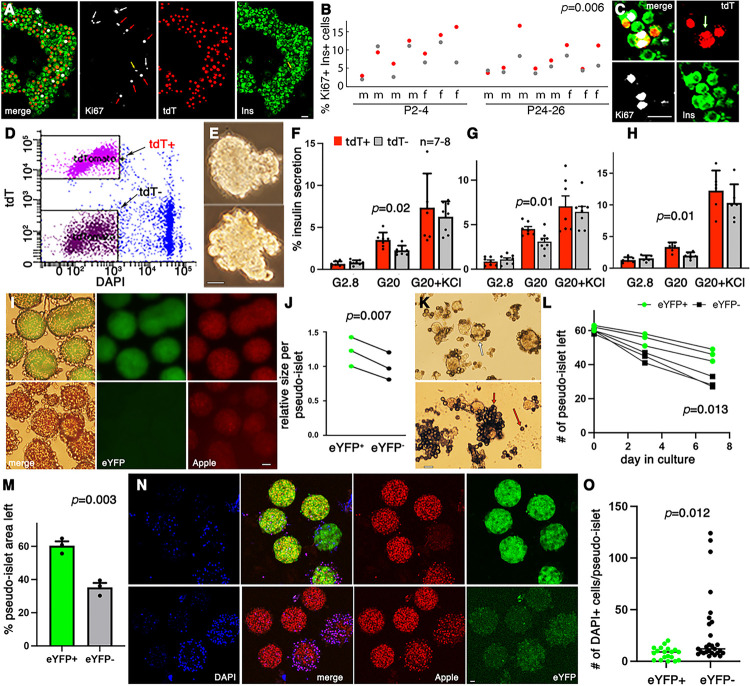 Figure 1
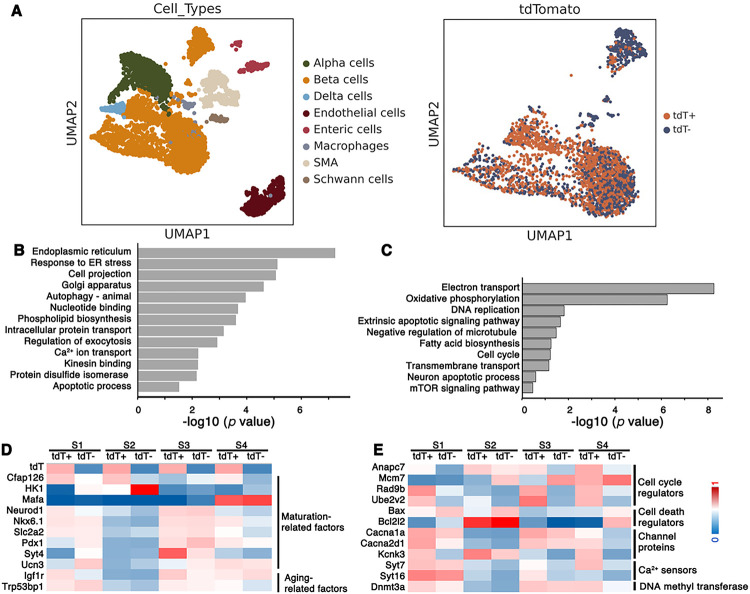 Figure 2
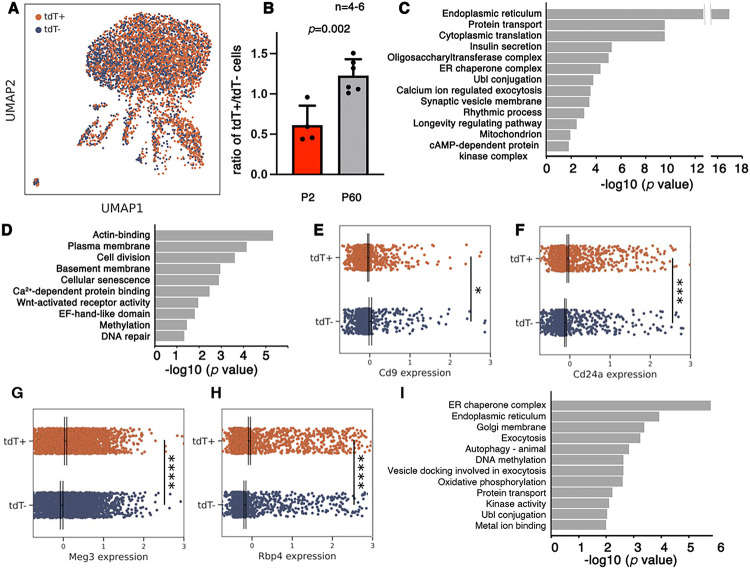 Figure 3
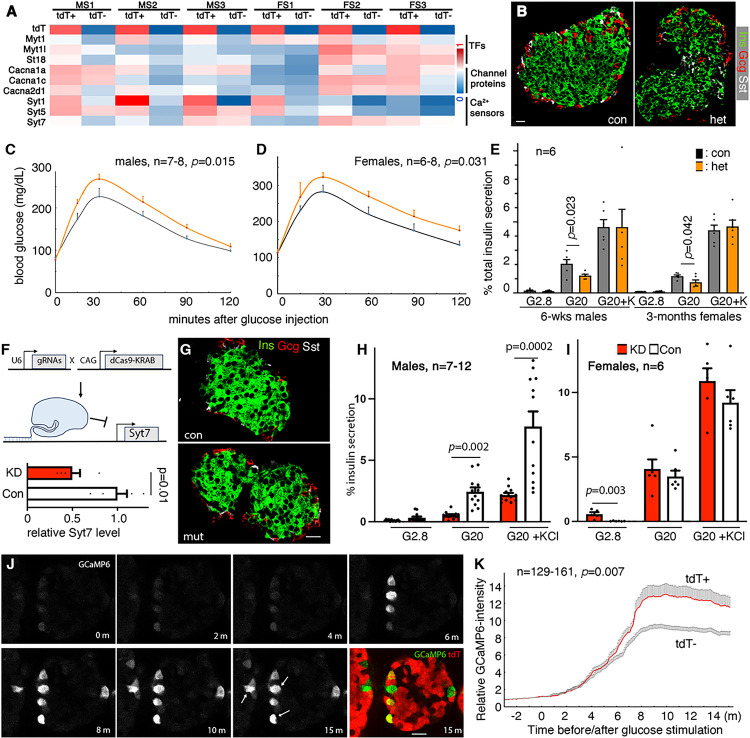 Figure 4
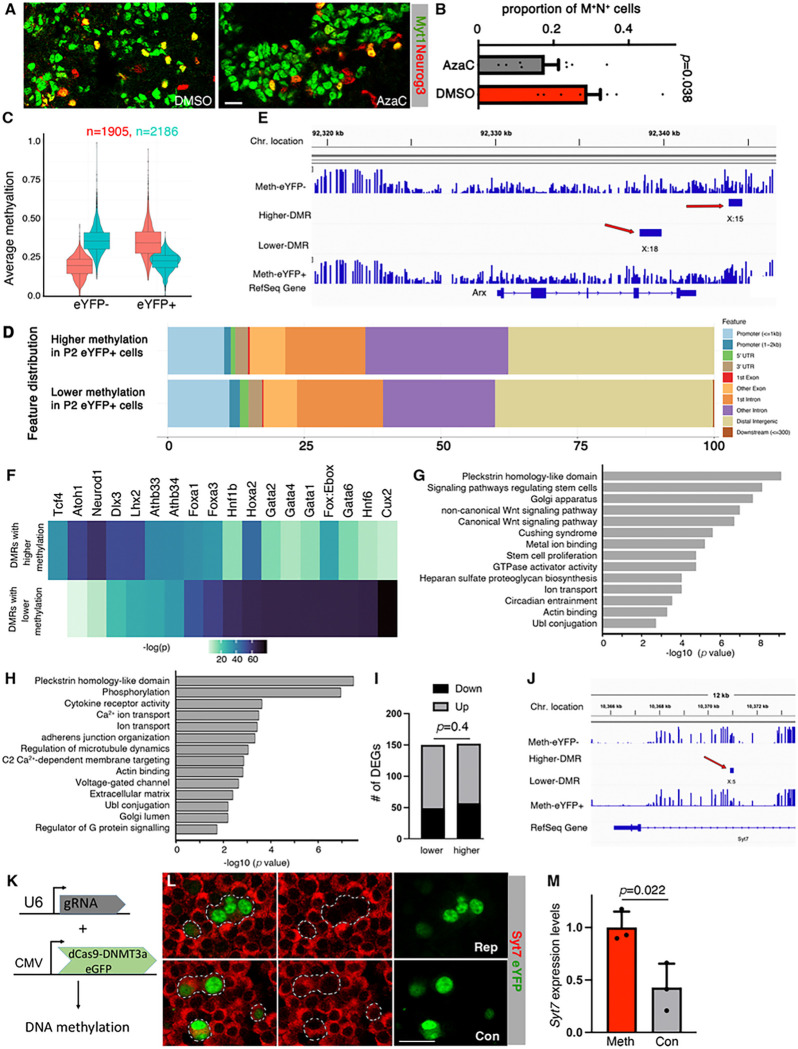 Figure 5
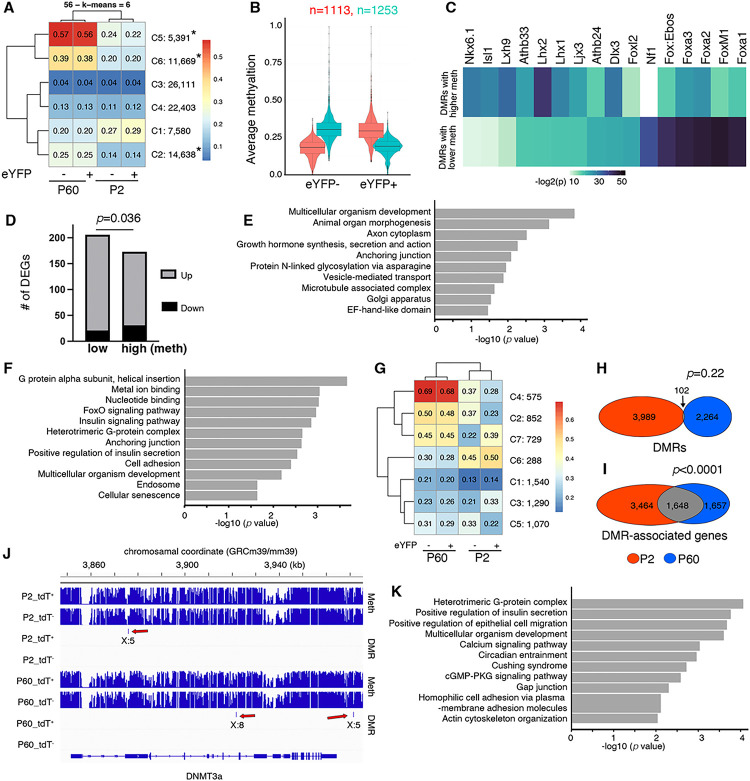 Figure 6
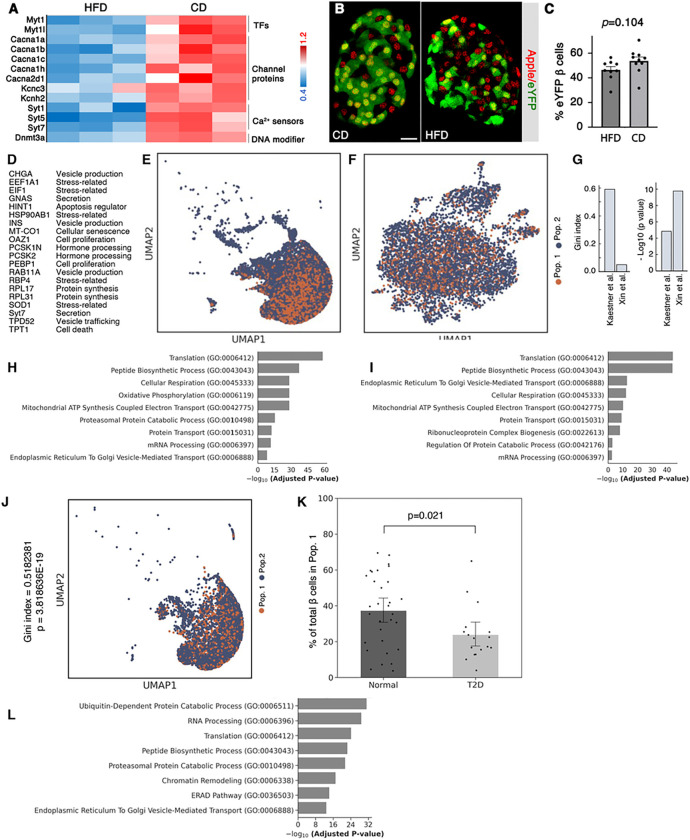 Figure 7
Peer Reviews
No public reviews on file for this paper yet. If you reviewed it on a platform where reviews are public (OpenReview, ICLR, NeurIPS, ICML), you can paste yours below so the community can read it here.
Videos
No videos yet. Explain this paper in a talk, walkthrough, or lecture? Add one.
Taxonomy
TopicsPancreatic function and diabetes · Diabetes and associated disorders · Diabetes Management and Research