
TL;DR
This paper discusses how mammalian nuclei can be reprogrammed to a totipotent-like state using amphibian oocytes, with potential applications in human stem cell therapy.
Contribution
The study demonstrates deterministic nuclear reprogramming of mammalian nuclei to a totipotency-like state using amphibian meiotic oocytes.
Findings
Amphibian meiotic oocytes can reprogram mammalian nuclei to a totipotency-like state.
This reprogramming method could lead to safe and high-performing stem cells for human therapies.
Abstract
First Person is a series of interviews with the first authors of a selection of papers published in Biology Open, helping researchers promote themselves alongside their papers. Ming-Hsuan Wen is first author on ‘ Deterministic nuclear reprogramming of mammalian nuclei to a totipotency-like state by Amphibian meiotic oocytes for stem cell therapy in humans’, published in BiO. Ming-Hsuan conducted the research described in this article while a PhD student and postdoc in Prof. John Gurdon's lab at Wellcome/Cancer Research UK Gurdon Institute, Cambridge, UK. She is now a Founder and CEO of NUWA Therapeutics, spun-out of University of Cambridge and a visiting researcher at the University of Cambridge in the lab of Prof. John Gurdon at Wellcome/Cancer Research UK Gurdon Institute, Cambridge, UK, investigating advancing the cellular reprogramming technology and providing safe and…
Genes, proteins, chemicals, diseases, species, mutations and cell lines named across the full text — each resolved to its canonical identifier and authoritative record.
Click any figure to enlarge with its caption.
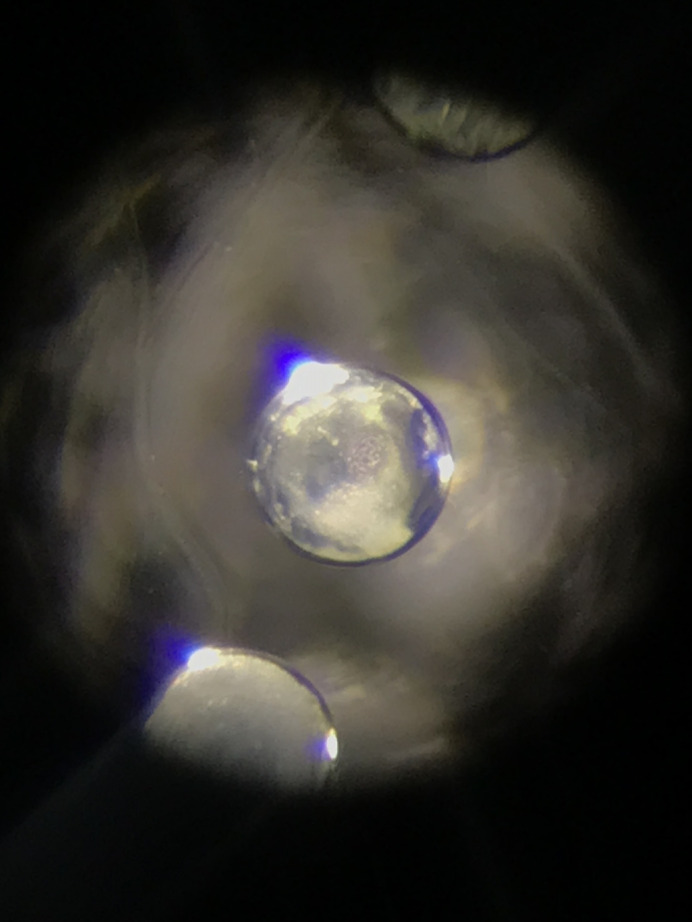 Figure 1
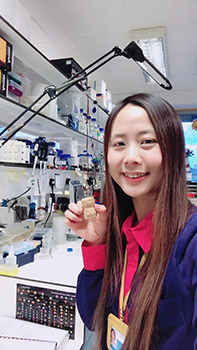 Figure 2
Peer Reviews
No public reviews on file for this paper yet. If you reviewed it on a platform where reviews are public (OpenReview, ICLR, NeurIPS, ICML), you can paste yours below so the community can read it here.
Videos
No videos yet. Explain this paper in a talk, walkthrough, or lecture? Add one.
Taxonomy
TopicsPluripotent Stem Cells Research · Microtubule and mitosis dynamics · Reproductive Biology and Fertility