Investigation of the Dynamic Behaviour of H2 and D2 in a Kinetic Quantum Sieving System
Dankun Yang, Sebastien Rochat, Matthew Krzystyniak, Alexander Kulak, Jacques Olivier, Valeska P. Ting, Mi Tian

TL;DR
Researchers studied how hydrogen isotopes H2 and D2 behave in a special porous material, finding that D2 moves more slowly and can be separated from H2 at low temperatures.
Contribution
The study demonstrates a novel method for hydrogen isotope separation using kinetic quantum effects in porous organic cages.
Findings
D2 has a diffusion coefficient about one-sixth that of H2 in the porous organic cages due to nuclear quantum effects.
At 77 K, D2 has longer residence times in the pores compared to H2.
Hydrogen isotope separation is feasible using temperature or pressure swings at liquid nitrogen temperatures.
Abstract
Porous organic cages (POCs) are nanoporous materials composed of discrete molecular units that have uniformly distributed functional pores. The intrinsic porosity of these structures can be tuned accurately at the nanoscale by altering the size of the porous molecules, particularly to an optimal size of 3.6 Å, to harness the kinetic quantum sieving effect. Previous research on POCs for isotope separation has predominantly centered on differences in the quantities of adsorbed isotopes. However, nuclear quantum effects also contribute significantly to the dynamics of the sorption process, offering additional opportunities for separating H2 and D2 at practical operational temperatures. In this study, our investigations into H2 and D2 sorption on POC samples revealed a higher uptake of D2 compared to that of H2 under identical conditions. We employed quasi-elastic neutron scattering to…
Genes, proteins, chemicals, diseases, species, mutations and cell lines named across the full text — each resolved to its canonical identifier and authoritative record.
Click any figure to enlarge with its caption.
 Figure 1
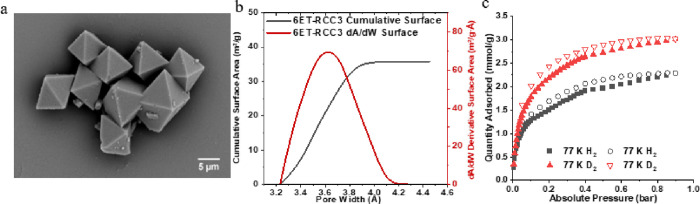 Figure 2
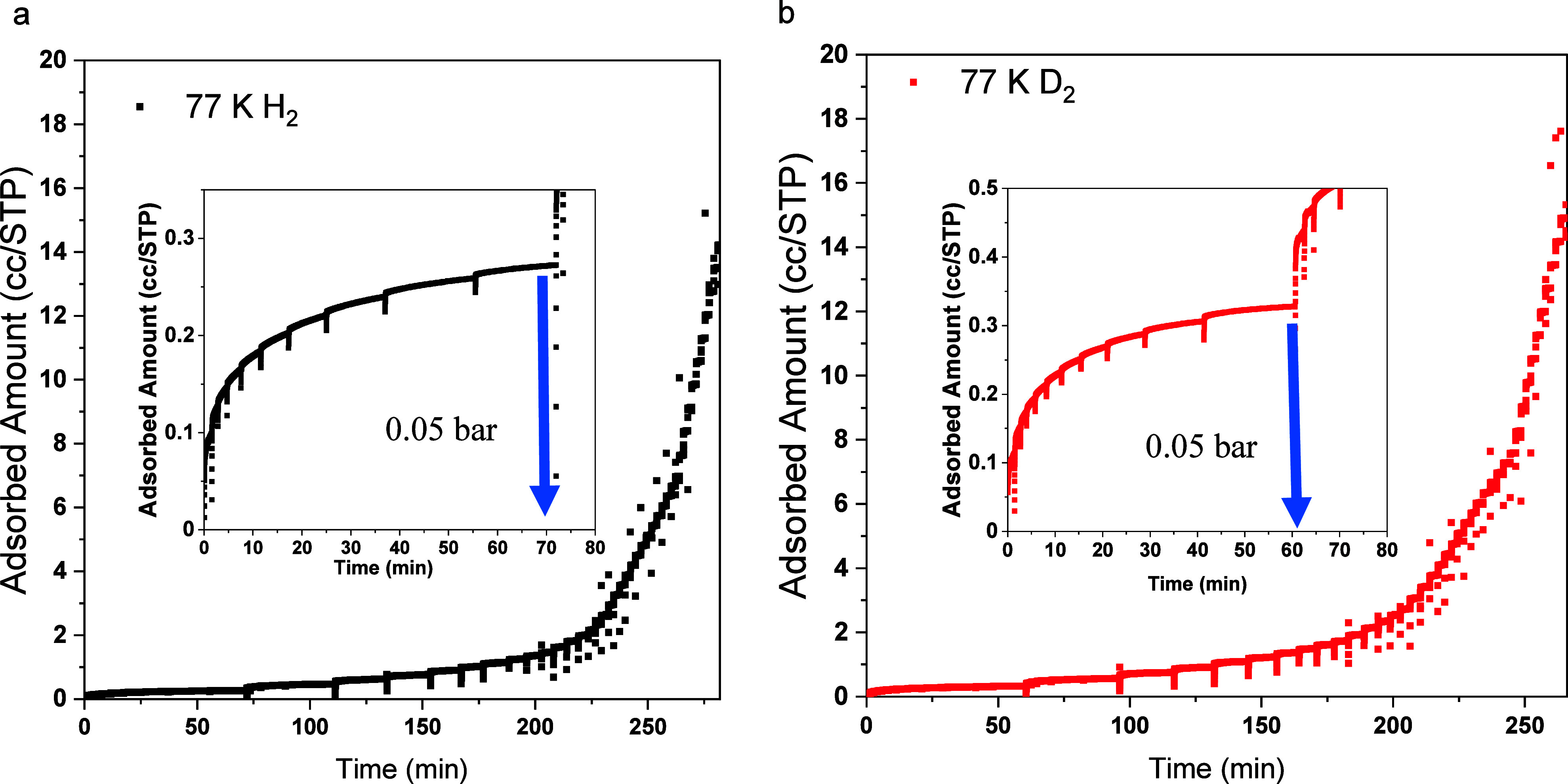 Figure 3
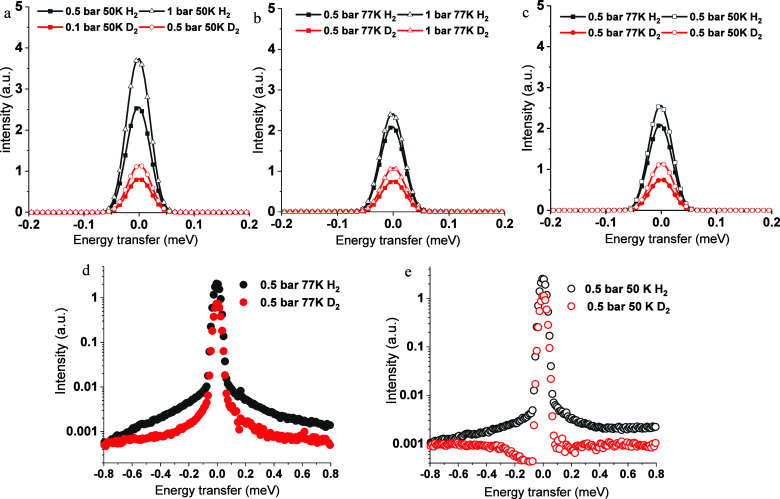 Figure 4
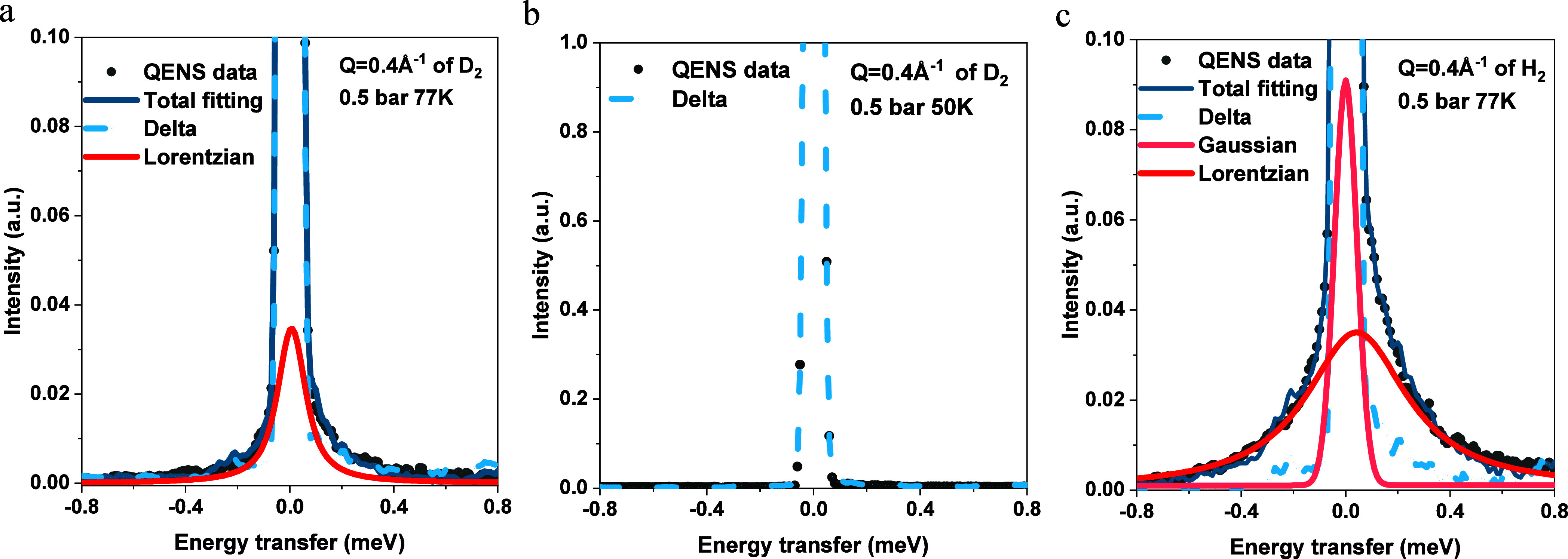 Figure 5
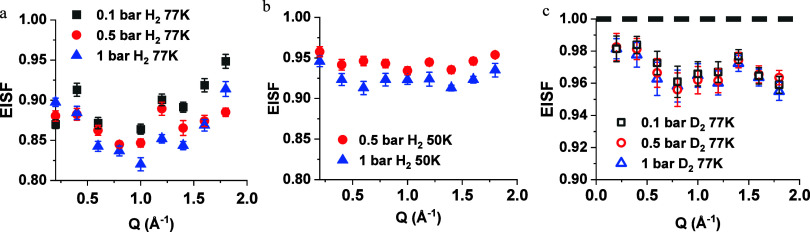 Figure 6
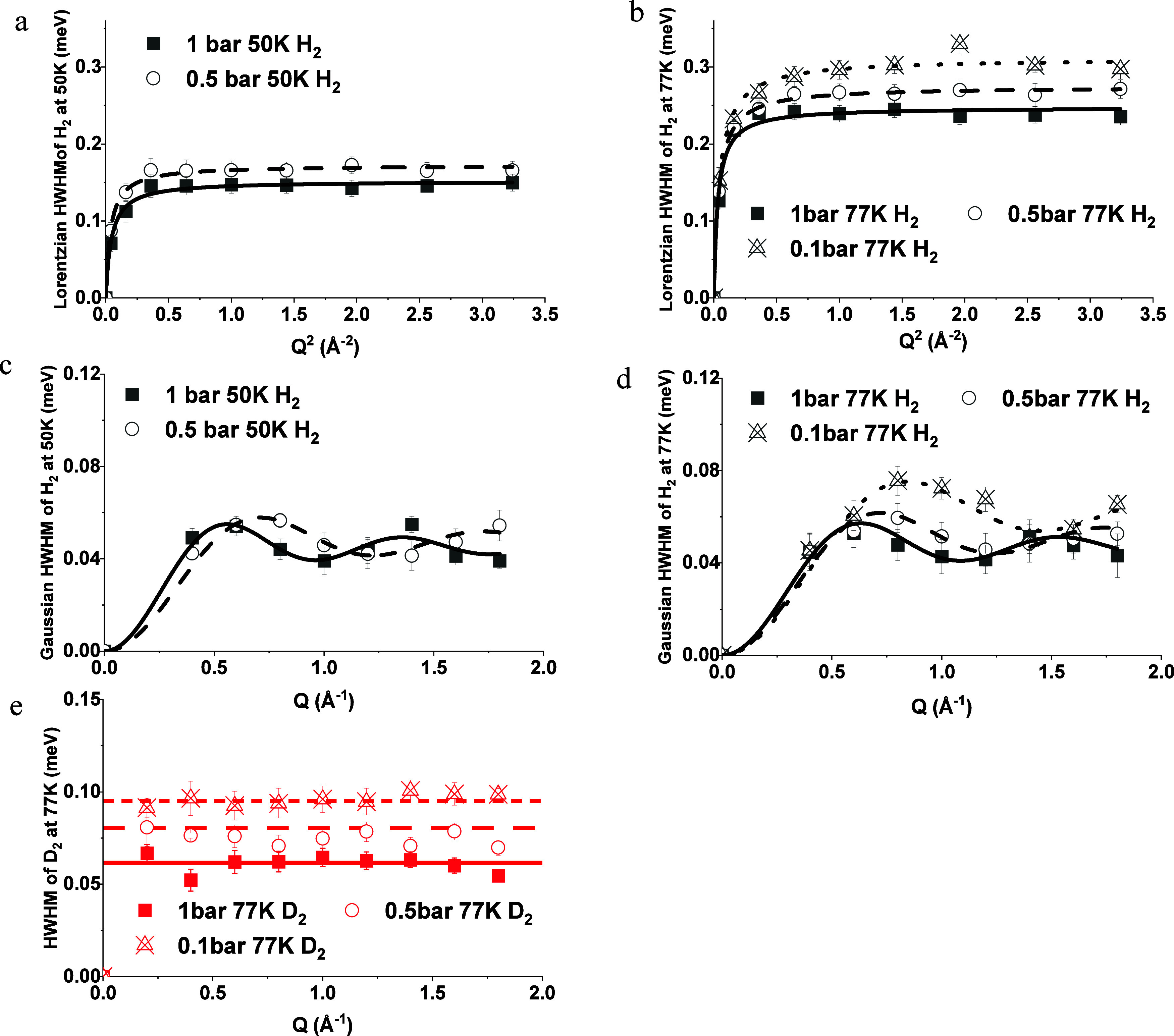 Figure 7
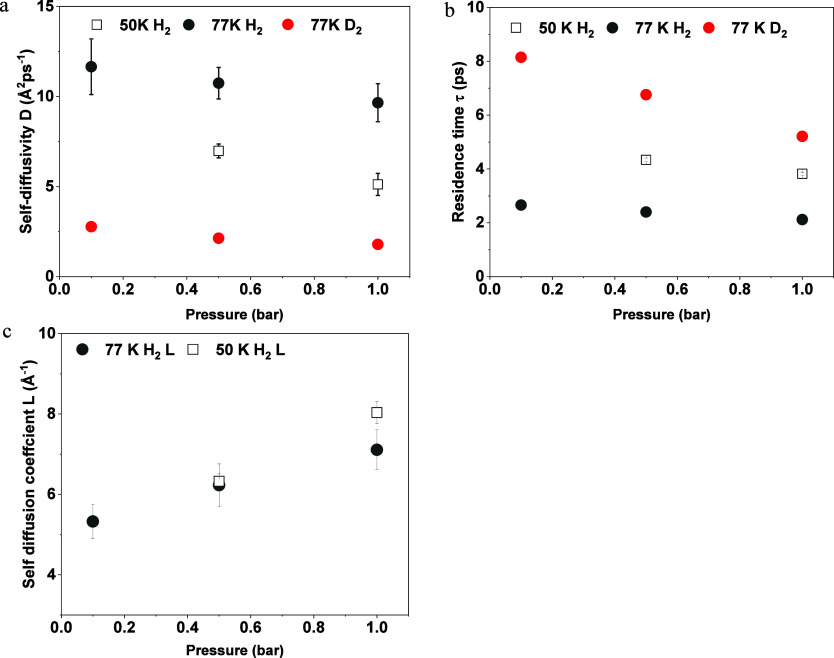 Figure 8
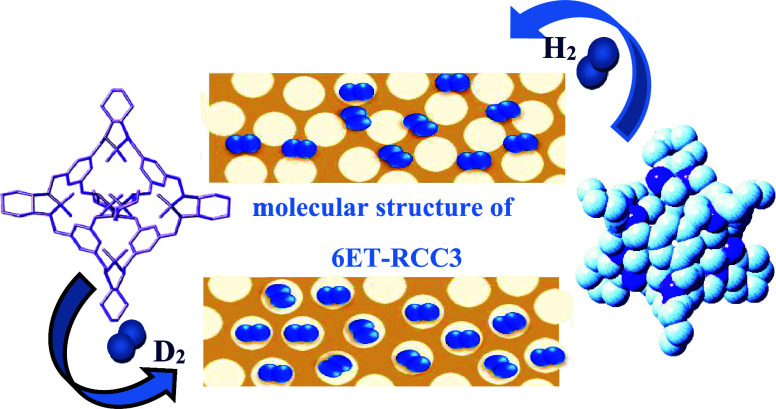 Figure 9
 Figure 10
 Figure 11
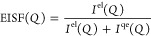 Figure 12
 Figure 13
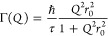 Figure 14
 Figure 15
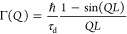 Figure 16
Peer Reviews
No public reviews on file for this paper yet. If you reviewed it on a platform where reviews are public (OpenReview, ICLR, NeurIPS, ICML), you can paste yours below so the community can read it here.
Videos
No videos yet. Explain this paper in a talk, walkthrough, or lecture? Add one.
Taxonomy
TopicsHistorical Studies of Medieval Iberia · Medieval Architecture and Archaeology · Historical Art and Architecture Studies