A Report of a Rare Case of Rapidly Progressing Immature Teratoma With Associated Splenic Metastasis and Gliomatosis Peritonei
Anusha Adkoli, Colton Smith, Timothy Kennedy, James Aikins, Eugenia Girda

TL;DR
A 21-year-old woman with a rapidly progressing immature teratoma and splenic metastasis was found to have mature teratoma and gliomatosis peritonei after surgery and treatment.
Contribution
This paper presents a rare clinical case highlighting the importance of recognizing gliomatosis peritonei in immature teratoma progression.
Findings
The patient's splenic and peritoneal lesions were ultimately diagnosed as mature teratoma and gliomatosis peritonei.
Immunohistochemistry confirmed the presence of mature neural tissue and absence of immature elements.
Secondary debulking surgery was effective in managing the disease progression.
Abstract
Gliomatosis peritonei (GP) is a rare condition of mature glial tissue within the peritoneum often associated with immature teratomas. This was a case of rapid progression of immature teratoma with splenic lesions and associated GP. The patient was a 21-year-old female who presented with abdominal pain and CT imaging showing suspected malignant teratoma. The patient underwent exploratory laparotomy with fertility-sparing debulking surgery and was diagnosed with stage IIIC grade 3 immature teratoma. She then received adjuvant chemotherapy with bleomycin, etoposide, and cisplatin. Surveillance imaging demonstrated a non-avid splenic lesion. The tumor markers remained normal. She underwent robotic splenectomy and partial peritonectomy with intra-operative findings revealing numerous peritoneal nodules. Follow-up surveillance imaging showed no further lesions. The final histopathology…
Genes, proteins, chemicals, diseases, species, mutations and cell lines named across the full text — each resolved to its canonical identifier and authoritative record.
Click any figure to enlarge with its caption.
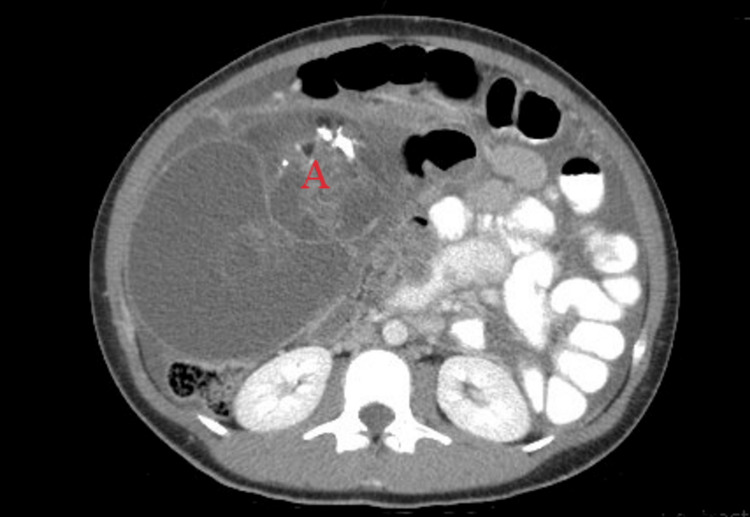 Figure 1
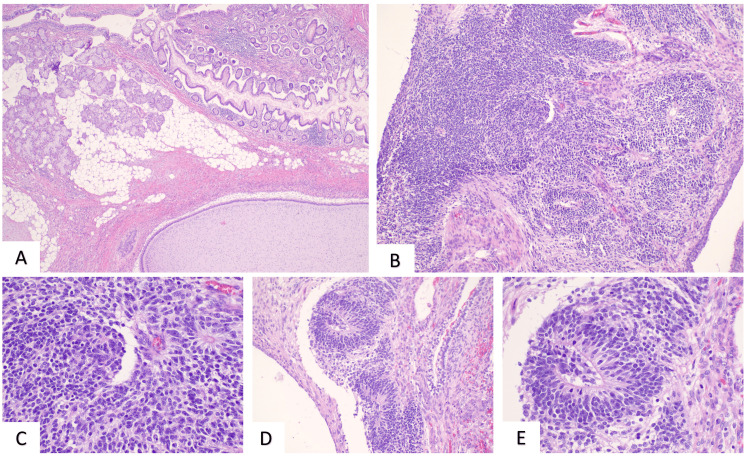 Figure 2
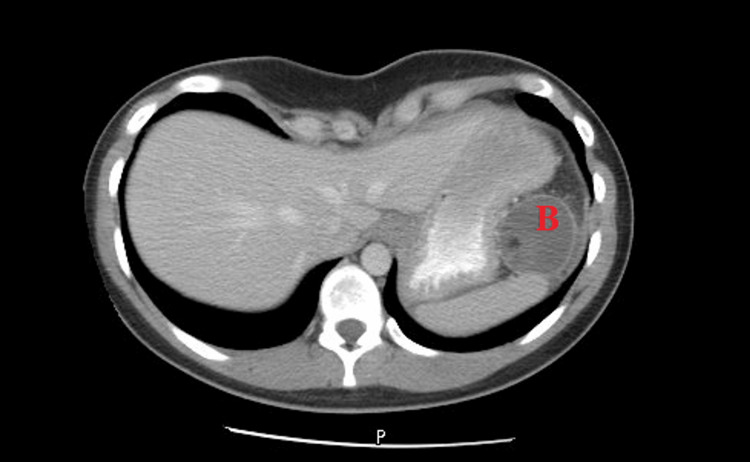 Figure 3
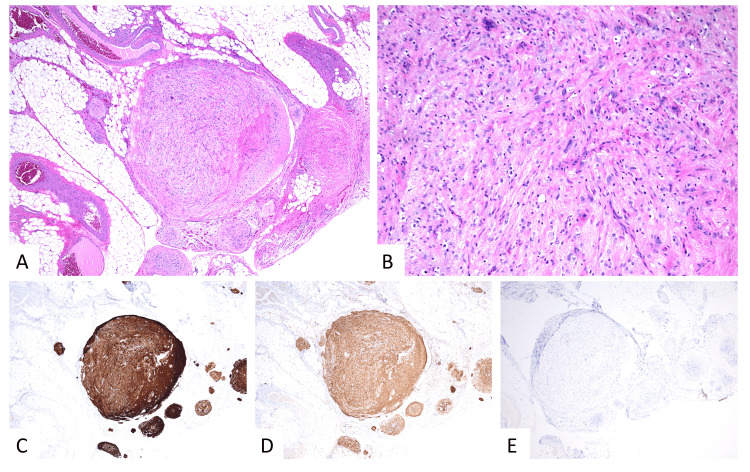 Figure 4
Peer Reviews
No public reviews on file for this paper yet. If you reviewed it on a platform where reviews are public (OpenReview, ICLR, NeurIPS, ICML), you can paste yours below so the community can read it here.
Videos
No videos yet. Explain this paper in a talk, walkthrough, or lecture? Add one.
Taxonomy
TopicsIntraperitoneal and Appendiceal Malignancies · Testicular diseases and treatments · Ovarian cancer diagnosis and treatment