A multiscale computational framework for the development of spines in molluscan shells
Derek E. Moulton, Nathanaël Aubert-Kato, Axel A. Almet, Atsuko Sato, Kirsten Hendrika ten Tusscher, James O'Dwyer, Kirsten Hendrika ten Tusscher, James O'Dwyer, Kirsten Hendrika ten Tusscher, James O'Dwyer

TL;DR
This paper introduces a computational framework that connects molecular and tissue-level models to understand how molluscan shell spines develop and vary across populations.
Contribution
A novel multiscale framework that integrates molecular and mechanical models to link genotype to phenotype in non-model organisms.
Findings
The framework reveals statistically significant differences in spine form among three populations of Turbo sazae.
Environmental differences may influence spine form through parametric changes in the multiscale model.
The method is modular and can be extended to other systems for multiscale analysis.
Abstract
From mathematical models of growth to computer simulations of pigmentation, the study of shell formation has given rise to an abundant number of models, working at various scales. Yet, attempts to combine those models have remained sparse, due to the challenge of combining categorically different approaches. In this paper, we propose a framework to streamline the process of combining the molecular and tissue scales of shell formation. We choose these levels as a proxy to link the genotype level, which is better described by molecular models, and the phenotype level, which is better described by tissue-level mechanics. We also show how to connect observations on shell populations to the approach, resulting in collections of molecular parameters that may be associated with different populations of real shell specimens. The approach is as follows: we use a Quality-Diversity algorithm, a…
Genes, proteins, chemicals, diseases, species, mutations and cell lines named across the full text — each resolved to its canonical identifier and authoritative record.
Click any figure to enlarge with its caption.
 Figure 1
 Figure 2
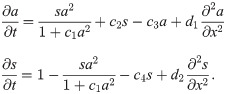 Figure 3
 Figure 4
 Figure 5
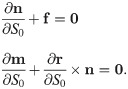 Figure 6
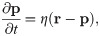 Figure 7
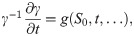 Figure 8
 Figure 9
 Figure 10
 Figure 11
 Figure 12
 Figure 13
 Figure 14
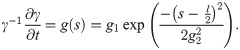 Figure 15
 Figure 16
 Figure 17
 Figure 18
 Figure 19
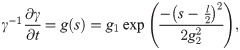 Figure 20
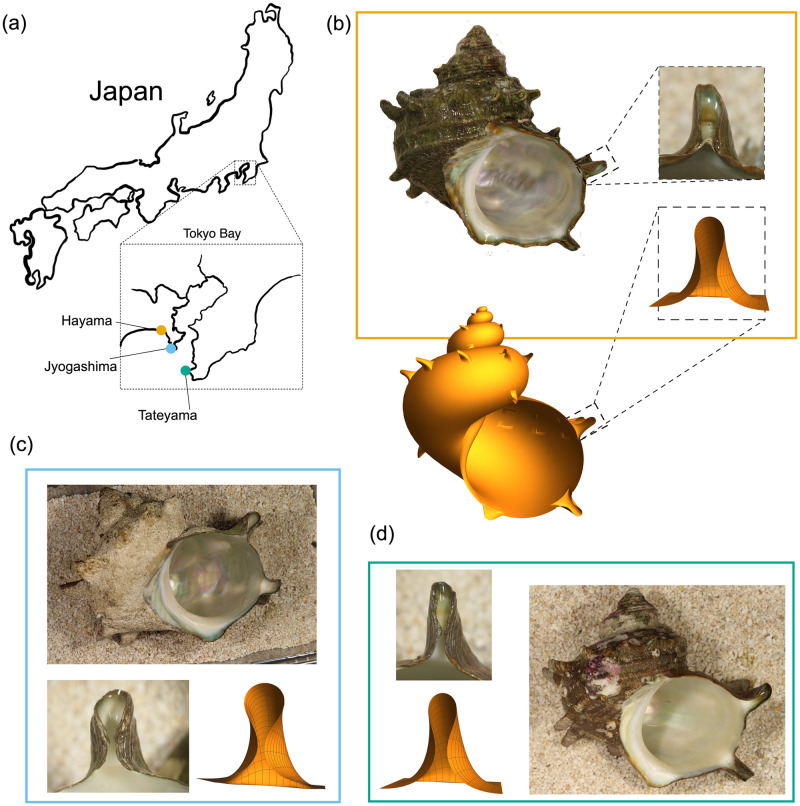 Figure 21
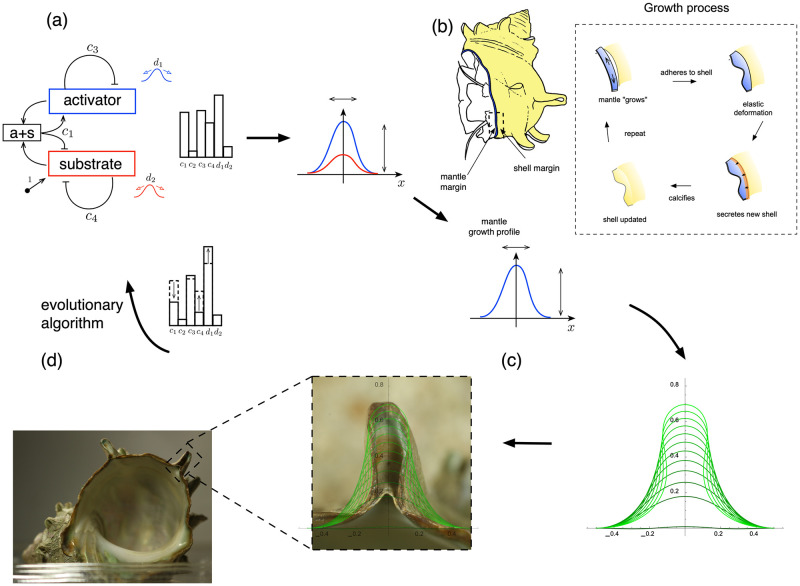 Figure 22
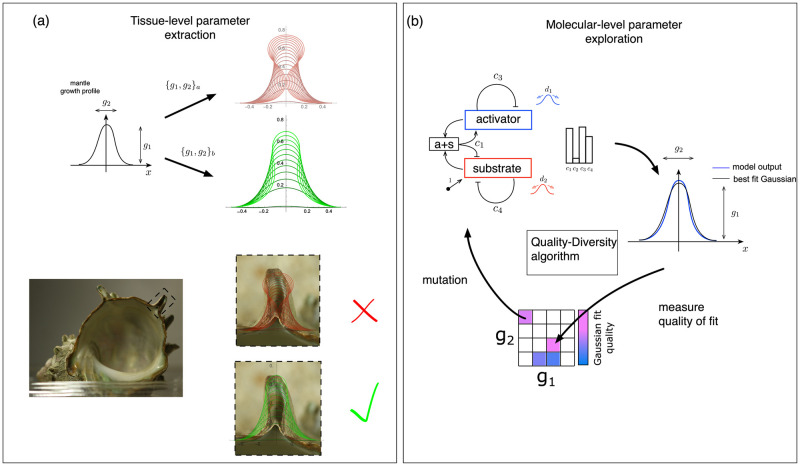 Figure 23
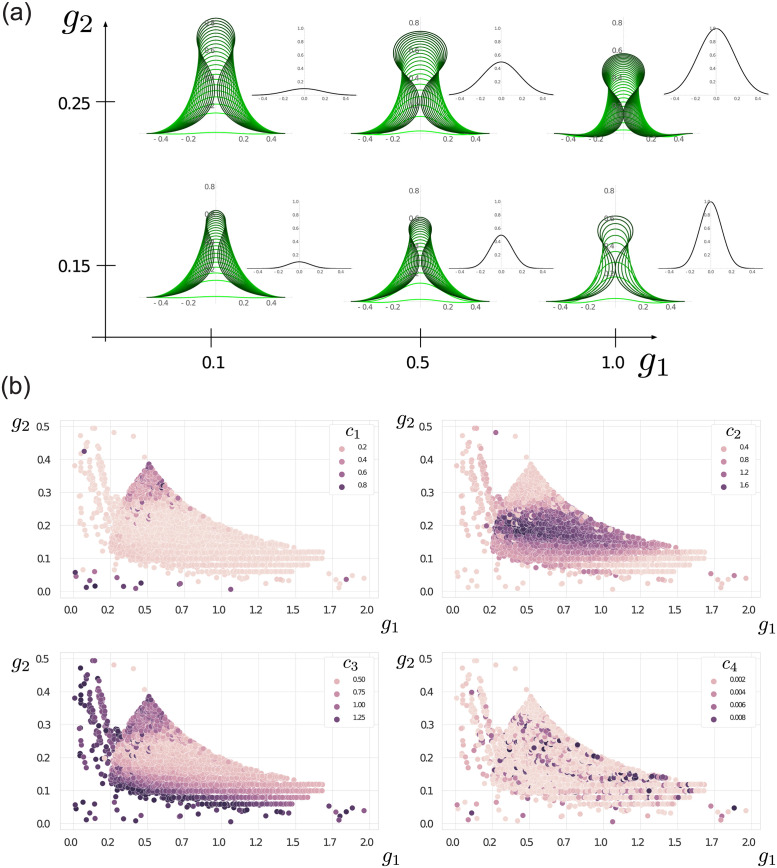 Figure 24
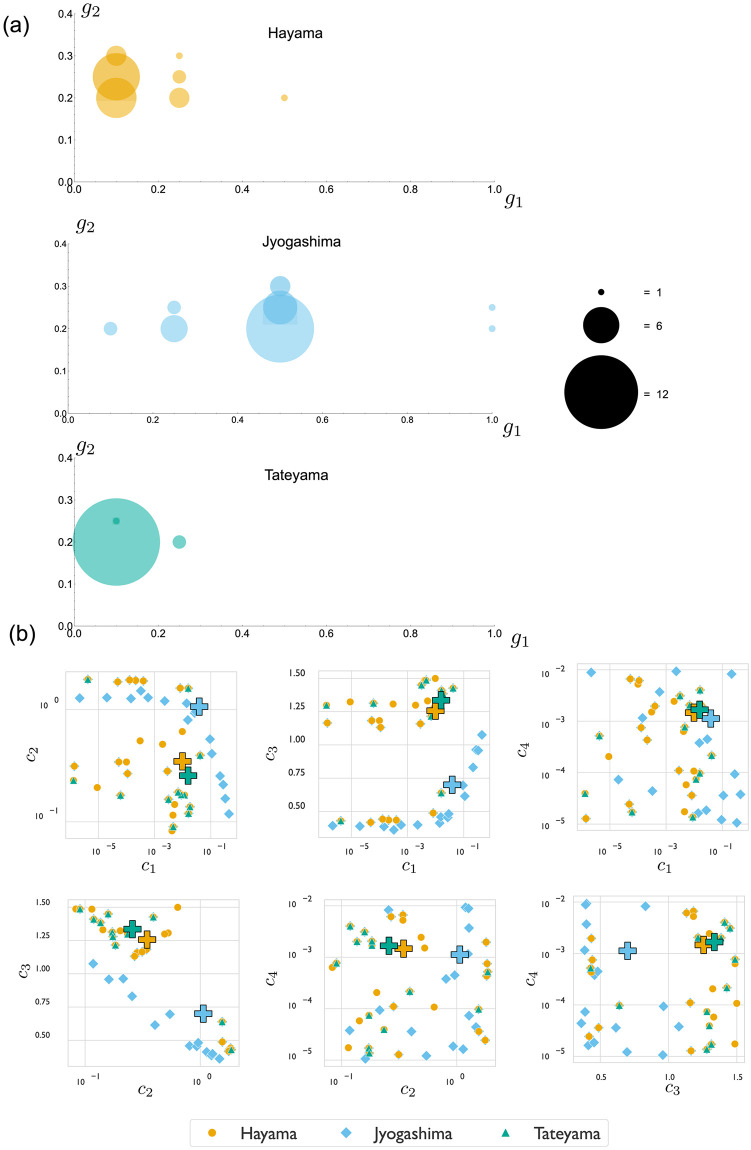 Figure 25
 Figure 26
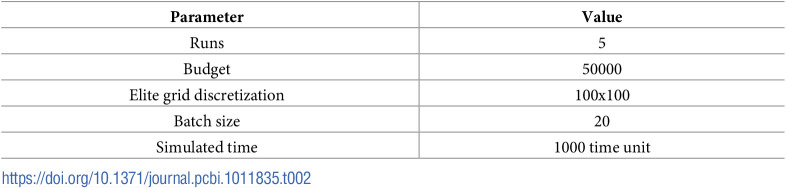 Figure 27
Peer Reviews
No public reviews on file for this paper yet. If you reviewed it on a platform where reviews are public (OpenReview, ICLR, NeurIPS, ICML), you can paste yours below so the community can read it here.
Videos
No videos yet. Explain this paper in a talk, walkthrough, or lecture? Add one.
Taxonomy
TopicsCellular Mechanics and Interactions · Calcium Carbonate Crystallization and Inhibition · Biocrusts and Microbial Ecology