Causes of death among women of reproductive age during the war in Tigray, Ethiopia
Hiluf Ebuy Abraha, Hale Teka, Awol Yemane Legesse, Mohamedawel Mohamedniguss Ebrahim, Mache Tsadik, Girmatsion Fisseha, Bereket Berhe, Brhane Ayele, Gebrehaweria Gebrekurstos, Tesfit Gebremeskel, Tsega Gebremariam, Martha Yemane Hadush, Tigist Hagos, Abraha Gebreegziabher

TL;DR
This study identifies the main causes of death among women of reproductive age during the war in Tigray, Ethiopia, highlighting the impact of conflict on maternal and infectious disease mortality.
Contribution
The study provides the first detailed analysis of causes of death among women of reproductive age during the Tigray conflict using a standardized verbal autopsy tool.
Findings
Infectious and maternal disorders accounted for 42.9% of deaths among women of reproductive age.
HIV/AIDS was the leading cause of death, responsible for 13.2% of all deaths.
Assault contributed to 13.2% of fatalities, indicating the impact of conflict-related violence.
Abstract
In resource-limited countries with weak healthcare systems, women of reproductive age are particularly vulnerable during times of conflict. In Tigray, Ethiopia, where a war broke out on 04 November 2020, there is a lack of information on causes of death (CoD) among women of reproductive age. This study aims to determine the underlying CoD among women of reproductive age during the armed conflict in Tigray. This community-based survey was carried out in six Tigray zones, excluding the western zone for security reasons. We used a multistage stratified cluster sampling method to select the smallest administrative unit known as Tabiya. Data were collected using a standardized 2022 WHO Verbal Autopsy (VA) tool. The collected data were analyzed using the InterVA model using R analytic software. The study reported both group-based and cause-specific mortality fractions. A total of 189,087…
Genes, proteins, chemicals, diseases, species, mutations and cell lines named across the full text — each resolved to its canonical identifier and authoritative record.
Click any figure to enlarge with its caption.
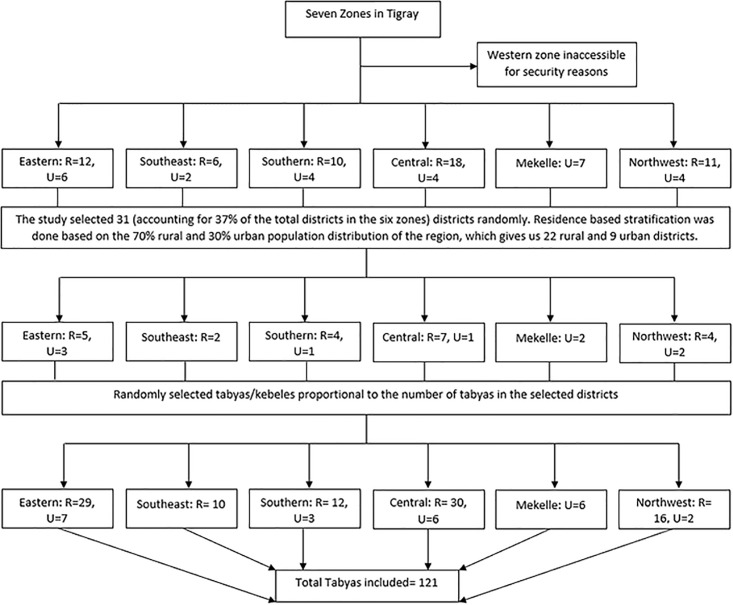 Figure 1
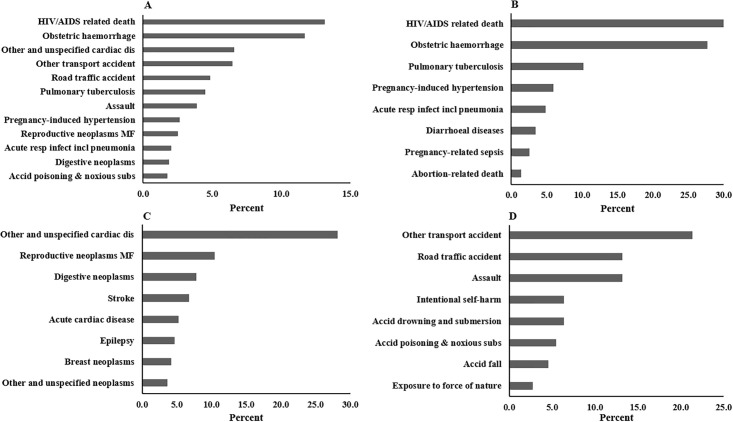 Figure 2
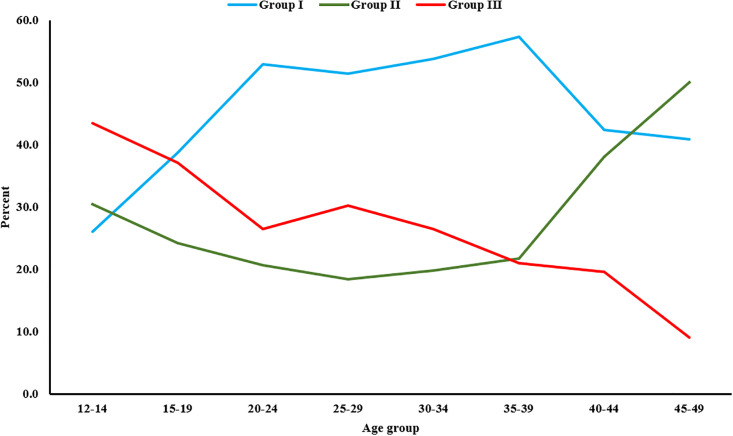 Figure 3
 Figure 4
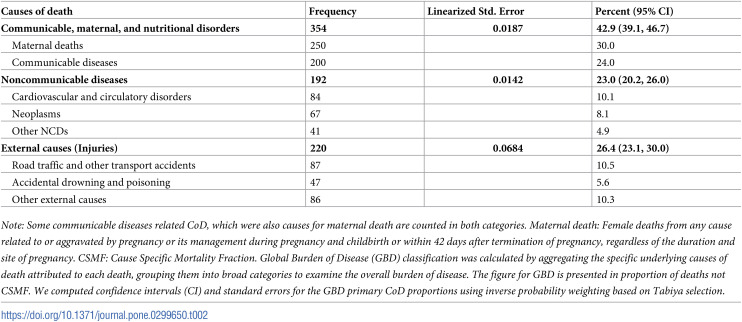 Figure 5
Peer Reviews
No public reviews on file for this paper yet. If you reviewed it on a platform where reviews are public (OpenReview, ICLR, NeurIPS, ICML), you can paste yours below so the community can read it here.
Videos
No videos yet. Explain this paper in a talk, walkthrough, or lecture? Add one.
Taxonomy
TopicsHealth and Conflict Studies · Global Maternal and Child Health · Global Health Care Issues