Mathematical expansion and clinical application of chronic kidney disease stage as vector field
Eiichiro Kanda, Bogdan I. Epureanu, Taiji Adachi, Tamaki Sasaki, Naoki Kashihara

TL;DR
This study introduces a new mathematical model to predict the risk of kidney failure by transforming chronic kidney disease stages into a vector field, improving accuracy over traditional methods.
Contribution
The novel CKD potential model uses vector field analysis to predict end-stage kidney disease risk more accurately than eGFR alone.
Findings
The CKD potential model achieved an adjusted AUC of 0.81 for ESKD prediction, outperforming eGFR.
The directional derivative of the model showed better ESKD prediction than eGFR change or slope.
The model's exponential association with ESKD risk was confirmed using Cox proportional hazards models.
Abstract
There are cases in which CKD progression is difficult to evaluate, because the changes in estimated glomerular filtration rate (eGFR) and proteinuria sometimes show opposite directions as CKD progresses. Indices and models that enable the easy and accurate risk prediction of end-stage-kidney disease (ESKD) are indispensable to CKD therapy. In this study, we investigated whether a CKD stage coordinate transformed into a vector field (CKD potential model) accurately predicts ESKD risk. Meta-analysis of large-scale cohort studies of CKD patients in PubMed was conducted to develop the model. The distance from CKD stage G2 A1 to a patient’s data on eGFR and proteinuria was defined as r. We developed the CKD potential model on the basis of the data from the meta-analysis of three previous cohort studies: ESKD risk = exp(r). Then, the model was validated using data from a cohort study of CKD…
Genes, proteins, chemicals, diseases, species, mutations and cell lines named across the full text — each resolved to its canonical identifier and authoritative record.
Click any figure to enlarge with its caption.
 Figure 1
 Figure 2
 Figure 3
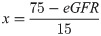 Figure 4
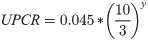 Figure 5
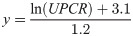 Figure 6
 Figure 7
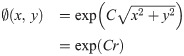 Figure 8
 Figure 9
 Figure 10
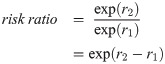 Figure 11
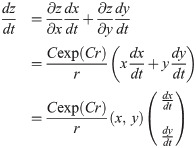 Figure 12
 Figure 13
 Figure 14
 Figure 15
 Figure 16
 Figure 17
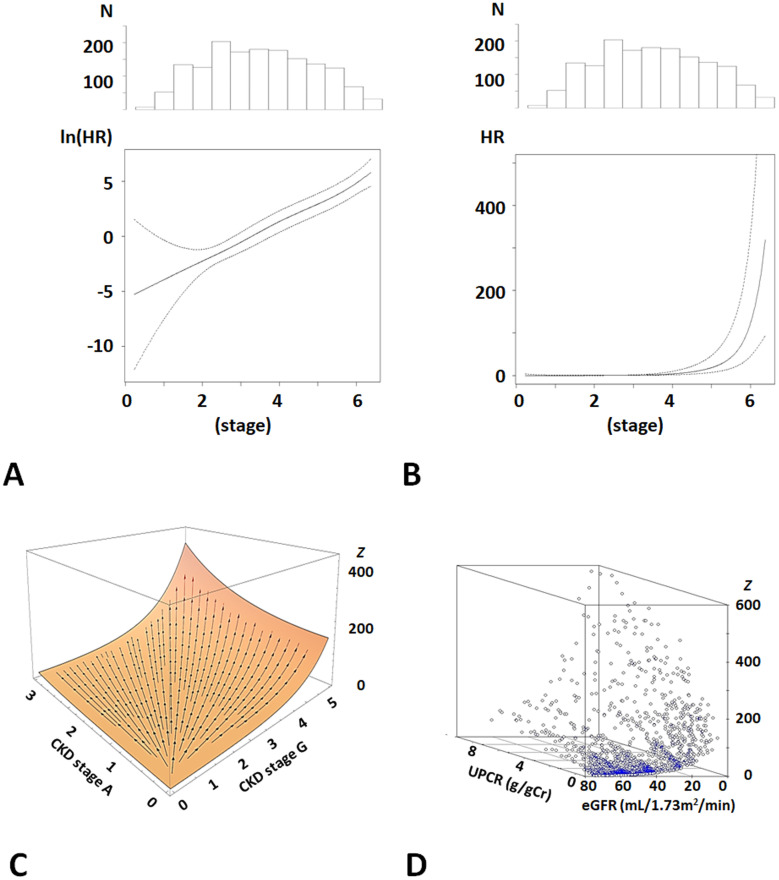 Figure 18
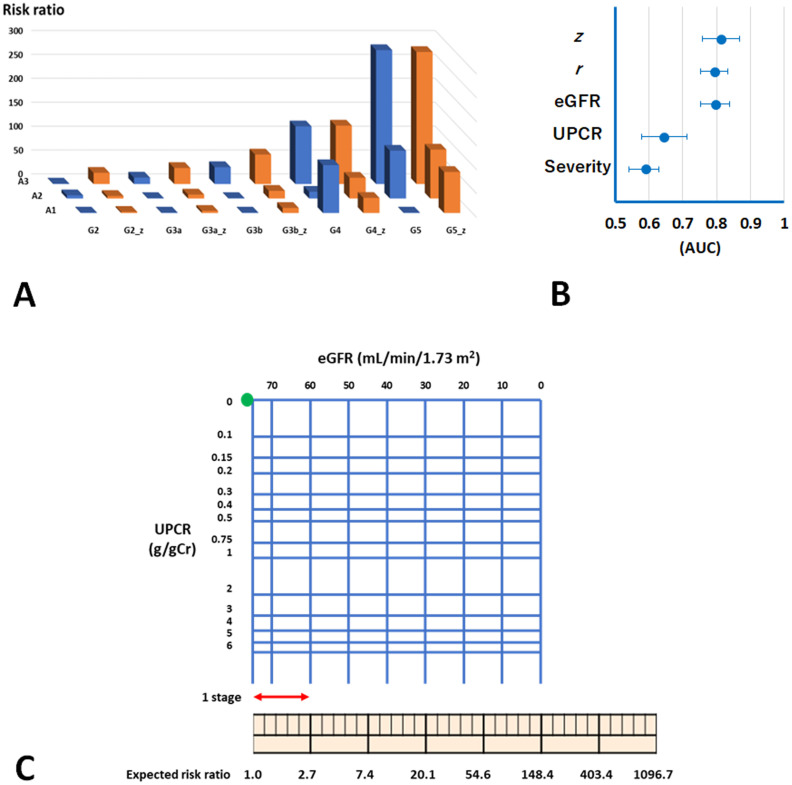 Figure 19
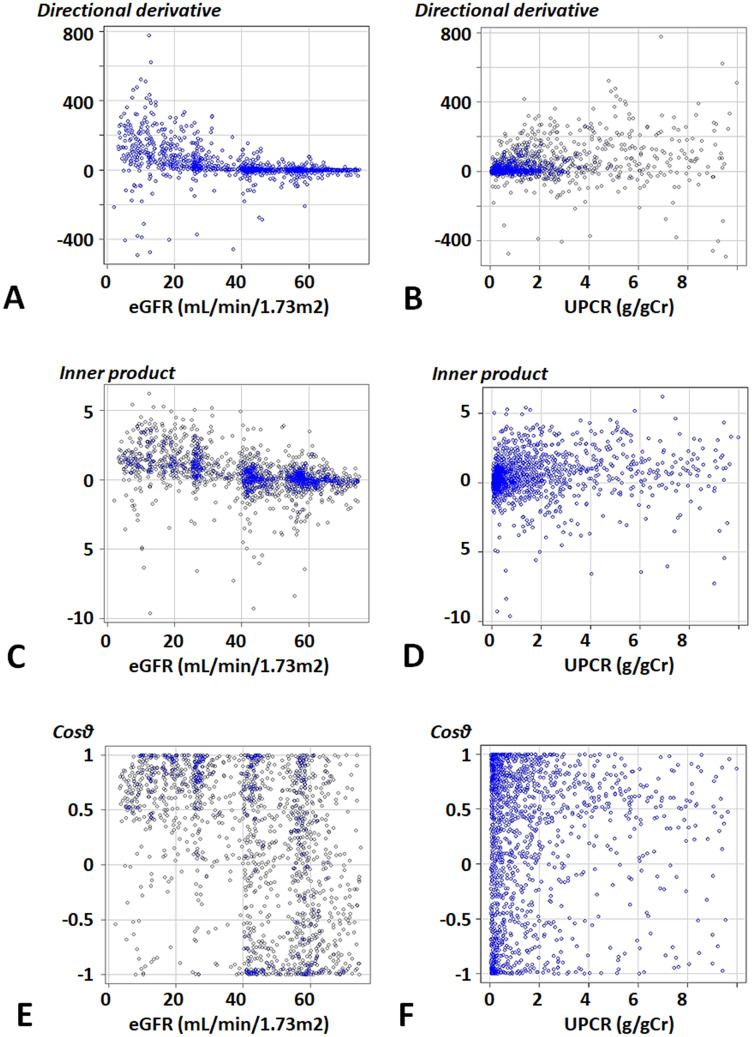 Figure 20
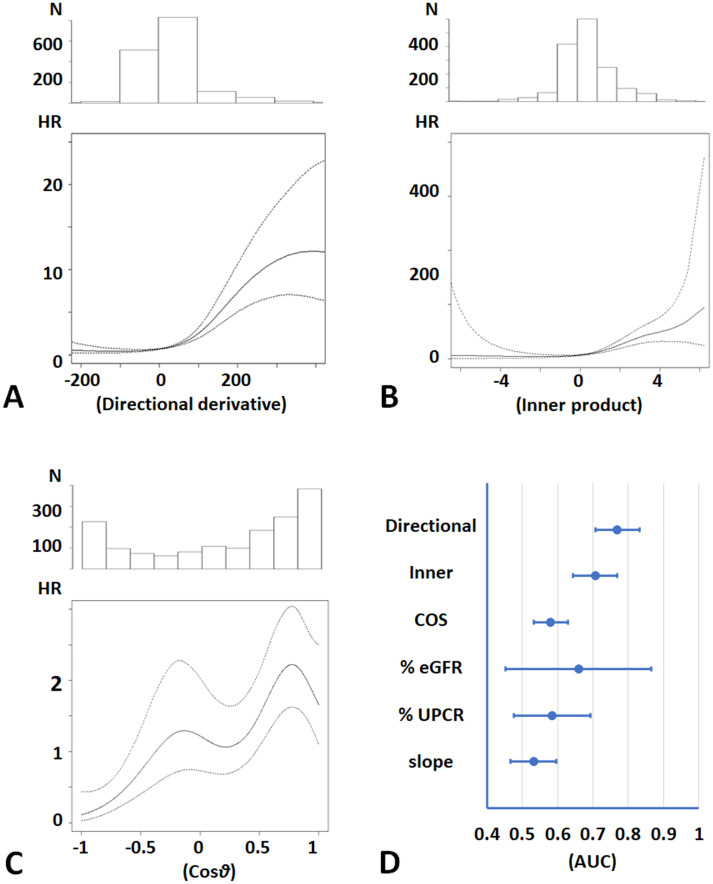 Figure 21
Peer Reviews
No public reviews on file for this paper yet. If you reviewed it on a platform where reviews are public (OpenReview, ICLR, NeurIPS, ICML), you can paste yours below so the community can read it here.
Videos
No videos yet. Explain this paper in a talk, walkthrough, or lecture? Add one.
Taxonomy
TopicsChronic Kidney Disease and Diabetes · Liver Disease Diagnosis and Treatment · Dialysis and Renal Disease Management