Automated assessment of infant motor development to predict infant age: The determination of objective metrics of spontaneous kicking
Katelyn Fry-Hilderbrand, Yu-Ping Chen, Ayanna Howard

TL;DR
This study uses wearable sensors to track infant kicking patterns and predict age, helping detect motor delays early.
Contribution
A novel method for assessing infant motor development using spontaneous kicking data from a wearable sensing suit.
Findings
Kinematic features like frequency and duration of kicks correlate significantly with infant age.
Preterm infants show different developmental kicking trends compared to term infants.
Normative kicking metrics were established using data from typically developing term infants.
Abstract
Though early intervention can improve outcomes for children with motor disabilities, delays in diagnosis can impact the success of intervention programs. Prior work indicates that spontaneous kicking patterns can be used to model typical infant motor development to assist in the early detection of motor delays. However, abnormalities in spontaneous movements are not well defined or readily observable through traditional functional assessments. In this research, a method is introduced for the early detection of delays through the assessment of spontaneous kicking data gathered using a wearable sensing suit. We present formulations of kinematic features identified in the clinical space, identify which features are significant predictors of infant age, and establish normative values. Finally, we offer an analysis of preterm (PT) infant data compared to normative values derived from term…
Genes, proteins, chemicals, diseases, species, mutations and cell lines named across the full text — each resolved to its canonical identifier and authoritative record.
Click any figure to enlarge with its caption.
 Figure 1
 Figure 2
 Figure 3
 Figure 4
 Figure 5
 Figure 6
 Figure 7
 Figure 8
 Figure 9
 Figure 10
 Figure 11
 Figure 12
 Figure 13
 Figure 14
 Figure 15
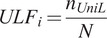 Figure 16
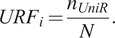 Figure 17
 Figure 18
 Figure 19
 Figure 20
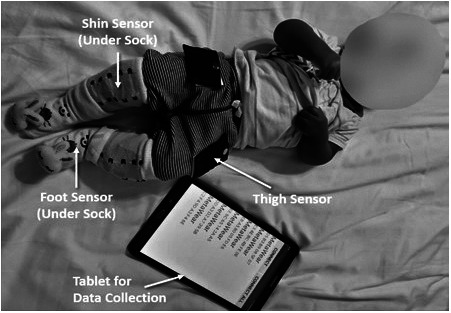 Figure 1
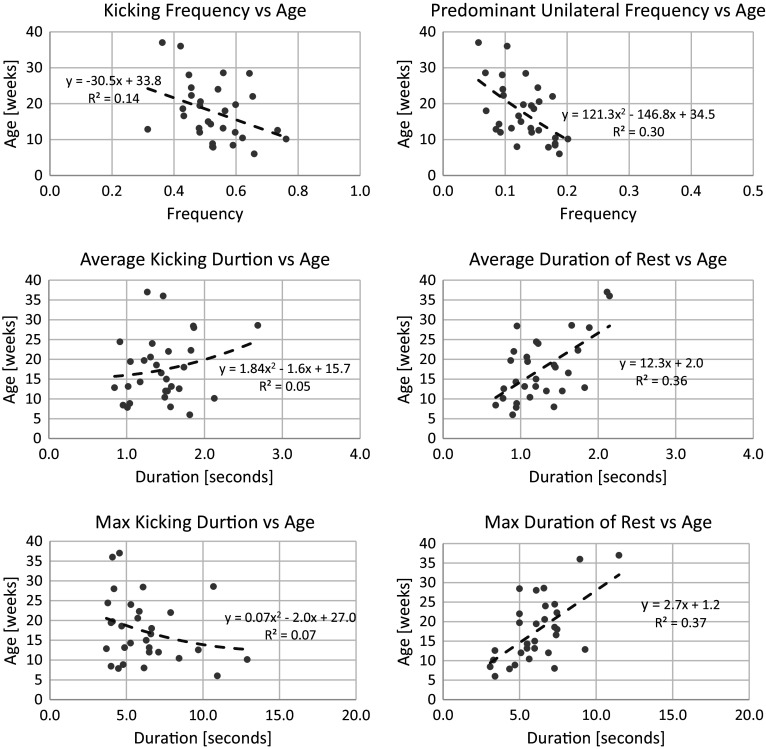 Figure 2
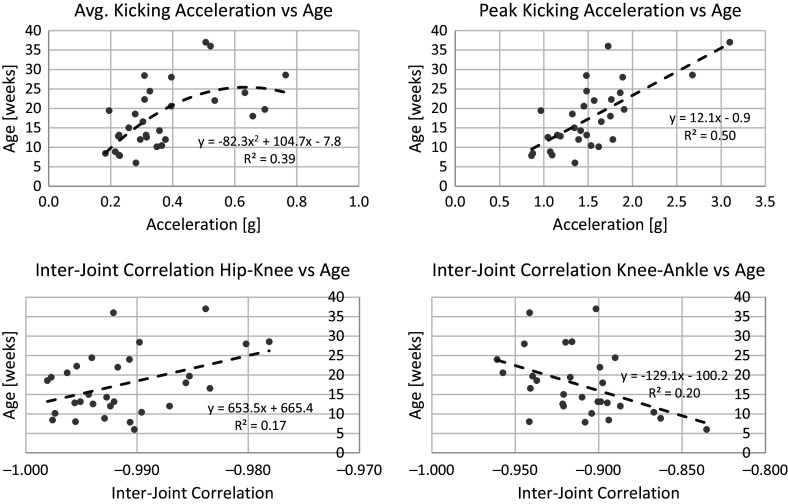 Figure 3
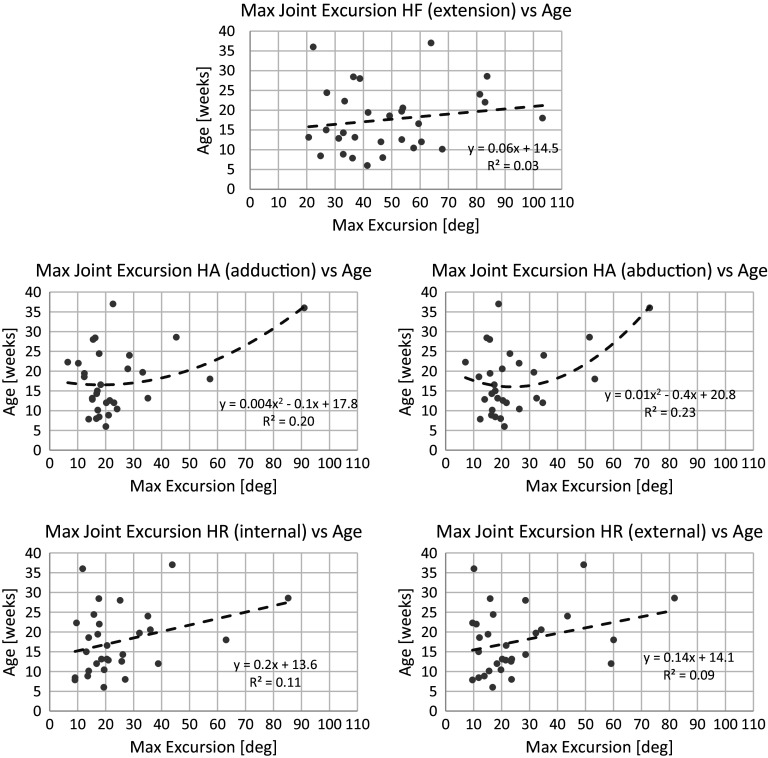 Figure 4
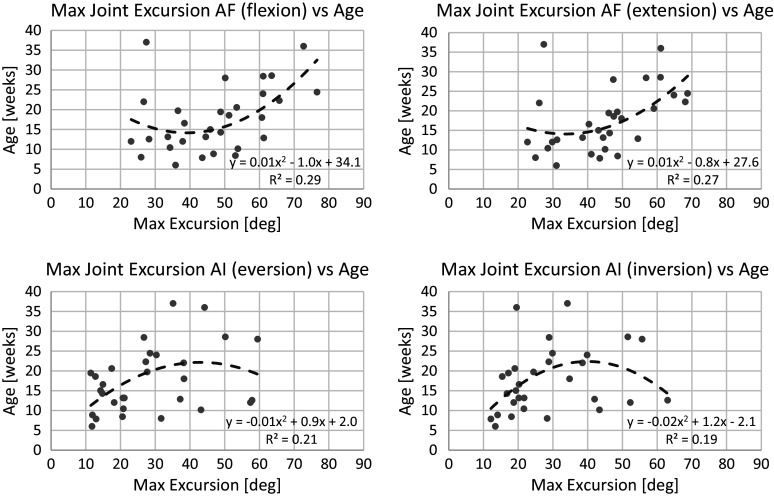 Figure 5
 Figure 26
 Figure 27
 Figure 28
 Figure 29
 Figure 30
 Figure 31
 Figure 32
 Figure 33
 Figure 34
 Figure 35
 Figure 36
 Figure 37
 Figure 38
 Figure 39
 Figure 40
 Figure 41
 Figure 42
 Figure 43
 Figure 44
 Figure 45
 Figure 46
 Figure 47
 Figure 48
 Figure 49
 Figure 50
Peer Reviews
No public reviews on file for this paper yet. If you reviewed it on a platform where reviews are public (OpenReview, ICLR, NeurIPS, ICML), you can paste yours below so the community can read it here.
Videos
No videos yet. Explain this paper in a talk, walkthrough, or lecture? Add one.
Taxonomy
TopicsInfant Development and Preterm Care · Cerebral Palsy and Movement Disorders · Family and Disability Support Research