Nursing management of patients dealing with spina bifida: from the prenatal diagnosis to adulthood / nursing intervention for the improvement of the impact of urinary and fecal incontinence on the quality of life of people dealing with spina bifida
Fabiana Calabrese, Antonio Poziello, Gennaro Spiezia, Tiziana Rotunno, Ciro Chervino, Anna Maria Iannicelli

TL;DR
This study explores how education and nursing support can improve the quality of life for people with spina bifida by managing urinary and fecal incontinence.
Contribution
The study introduces a questionnaire-based approach to assess and improve incontinence management education and autonomy in spina bifida patients.
Findings
80.8% of participants are autonomous in self-catheterization.
59.2% do not feel restrained by bladder incontinence.
57.6% struggle with fecal incontinence and lack autonomy in trans-anal irrigation.
Abstract
Urinary and fecal incontinence in people dealing with spina bifida, has inevitably an influence on the quality of life. In this analysis, the degree of education on how to manage incontinence and retention is studied, as well as the problems those might create and the consequential degree of autonomy and independence reached into the management of those. The main goal is to increase both nursing assistance and the education of the people dealing with spina bifida. A multiple-choice questionnaire with open questions, concerning the bowel and bladder management was structured by all the authors and shared by the Google Docs platform among the members of the ASBI (Associazione Spina Bifida Italia) by the secretariat of the association itself. 125 patients affected by Spina Bifida voluntarily decided to participate and complete the questionnaire. The questionnaire didn’t set any limits as…
Genes, proteins, chemicals, diseases, species, mutations and cell lines named across the full text — each resolved to its canonical identifier and authoritative record.
Click any figure to enlarge with its caption.
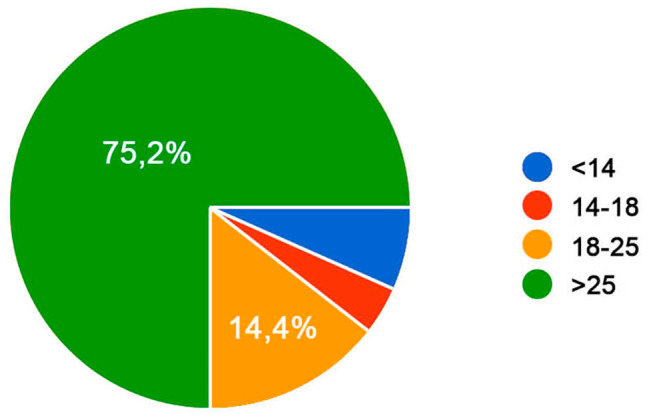 Figure 1
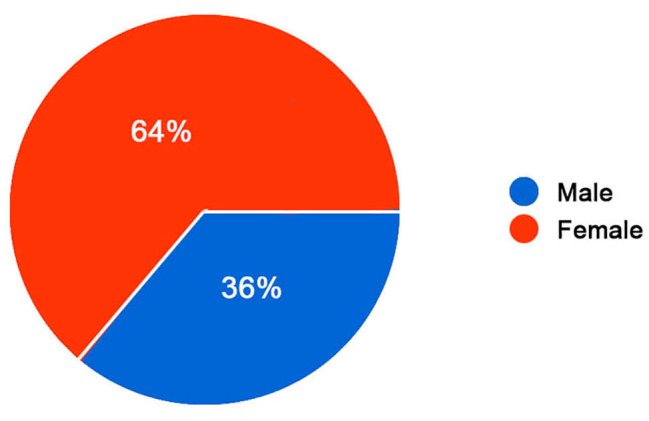 Figure 2
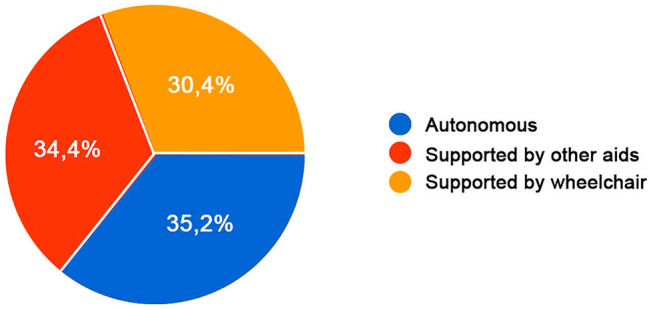 Figure 3
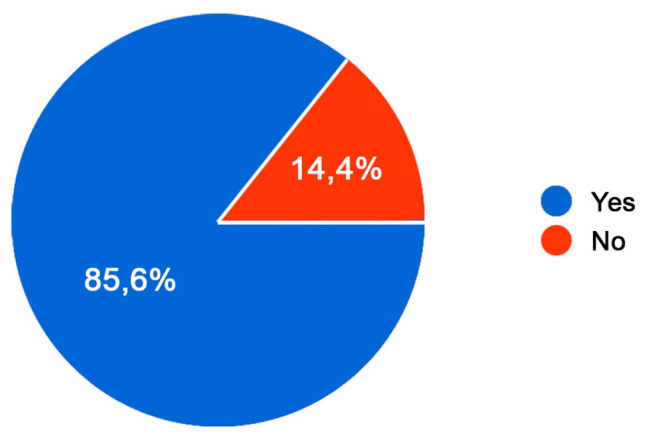 Figure 4
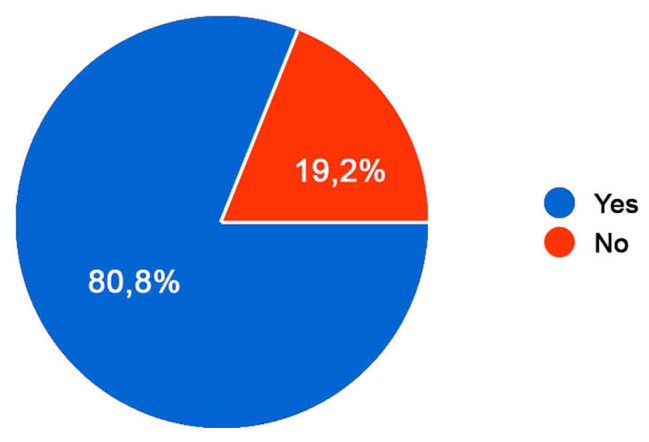 Figure 5
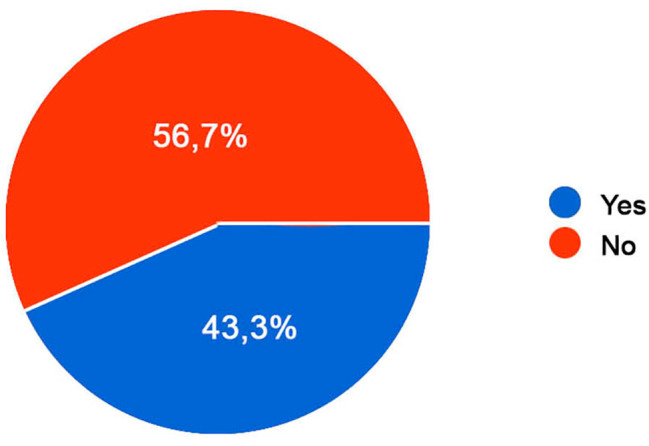 Figure 6
Peer Reviews
No public reviews on file for this paper yet. If you reviewed it on a platform where reviews are public (OpenReview, ICLR, NeurIPS, ICML), you can paste yours below so the community can read it here.
Videos
No videos yet. Explain this paper in a talk, walkthrough, or lecture? Add one.
Taxonomy
TopicsSpinal Dysraphism and Malformations · Cerebrospinal fluid and hydrocephalus · Grief, Bereavement, and Mental Health