Song and dance: a memetic angle on the evolution of musicality and music via case studies of a musemeplex in Saint-Saëns and ABBA
Steven Jan

TL;DR
This paper explores how music evolves through cultural and biological processes, using examples from Saint-Saëns and ABBA to show how musical ideas are passed down and transformed over time.
Contribution
The paper introduces a novel memetic framework for analyzing musical evolution, linking stylistic musical elements to embodied cognitive processes and biological evolution.
Findings
Singing-style and brilliant-style musemes are shaped by distinct cultural and biological evolutionary processes.
A melodic and harmonic link is identified between Saint-Saëns and ABBA, supported by shared musemes and implication-realisation structures.
Musemes may act as selection pressures on biological evolution, optimizing their own replication through coevolution with perceptual-cognitive systems.
Abstract
Applying the theory of memetics to music offers the prospect of reconciling general Darwinian principles with the style and structure of music. The nature of the units of cultural evolution in music—memes or, more specifically, musemes—can potentially shed light on the evolutionary processes and pressures attendant upon early-hominin musicality. That is, primarily conjunct, narrow-tessitura musemes (those conforming to Ratner's “singing style,” and its instrumental assimilations) and primarily disjunct, wide-tessitura musemes (those conforming to Ratner's “brilliant style,” and its vocal assimilations) appear to be the outcome of distinct cultural-evolutionary processes. Moreover, musemes in each category arguably acquire their fecundity (perceptual-cognitive salience, and thus transmissibility) by appealing to different music-underpinning brain and body subsystems. Given music's status…
Genes, proteins, chemicals, diseases, species, mutations and cell lines named across the full text — each resolved to its canonical identifier and authoritative record.
Click any figure to enlarge with its caption.
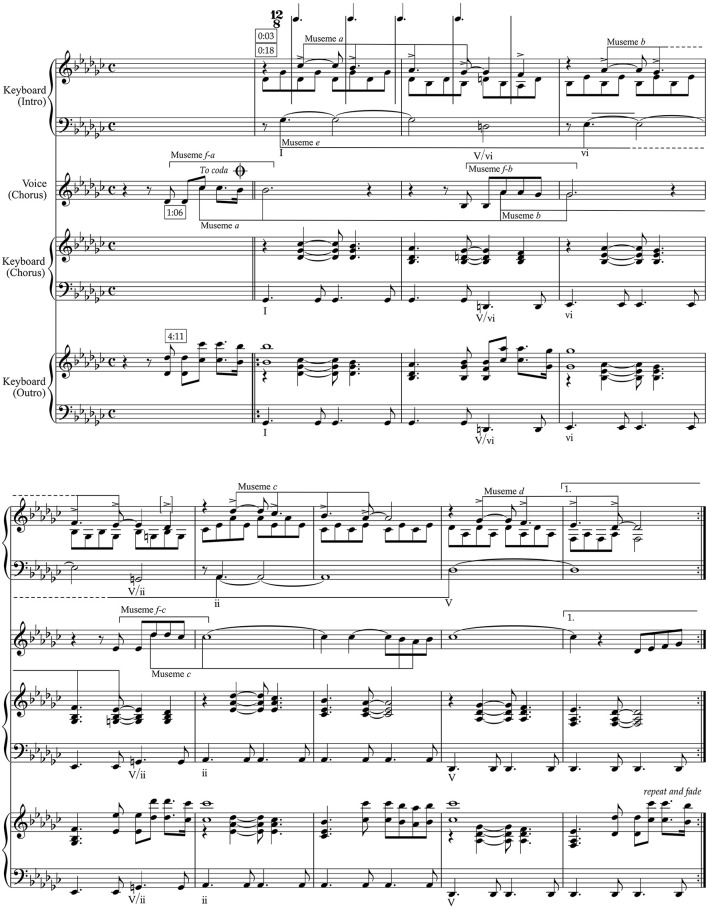 Figure 1
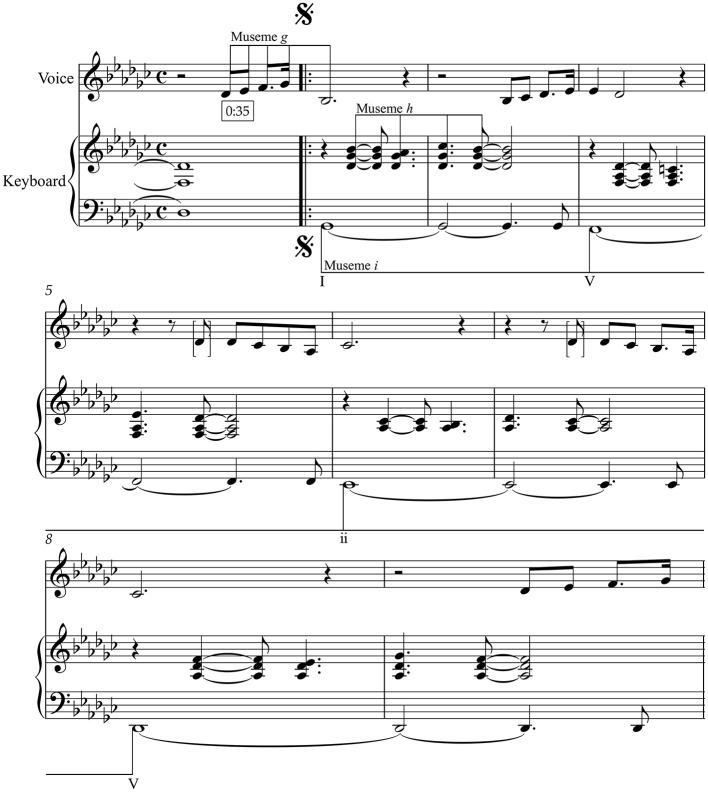 Figure 2
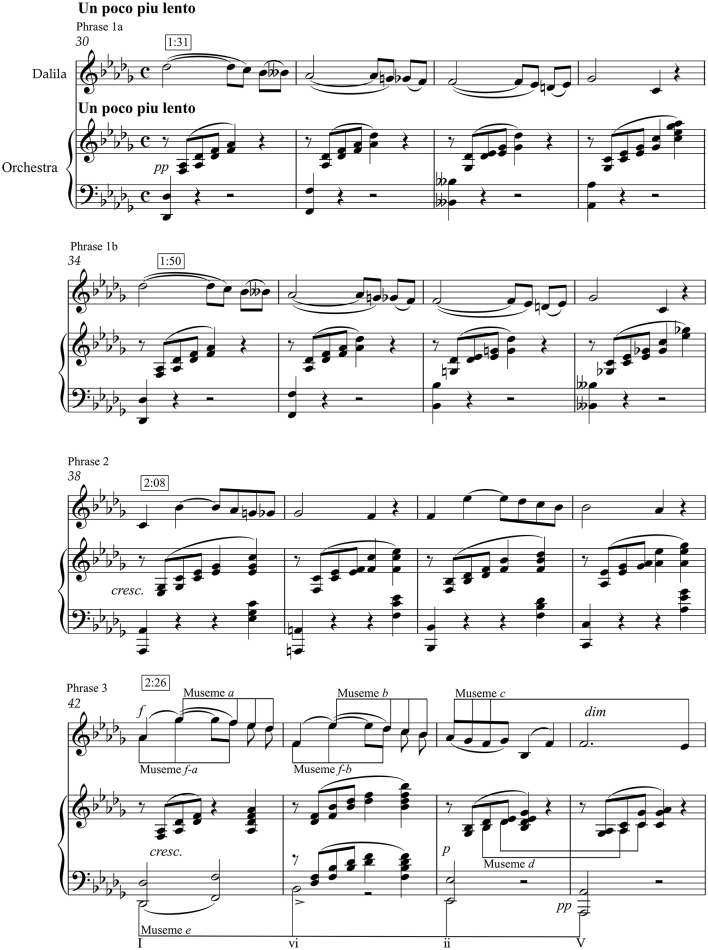 Figure 3
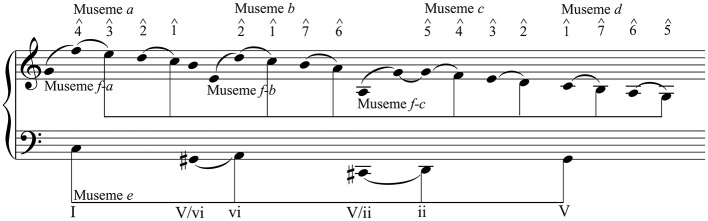 Figure 4
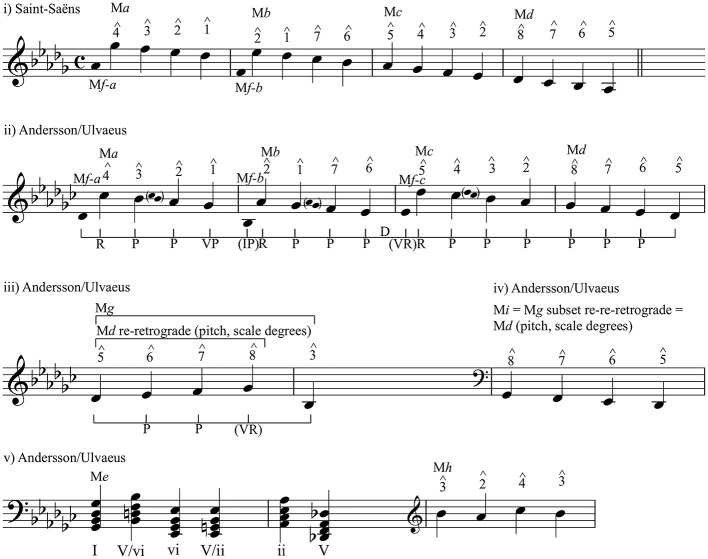 Figure 5
 Figure 6
Peer Reviews
No public reviews on file for this paper yet. If you reviewed it on a platform where reviews are public (OpenReview, ICLR, NeurIPS, ICML), you can paste yours below so the community can read it here.
Videos
No videos yet. Explain this paper in a talk, walkthrough, or lecture? Add one.
Taxonomy
TopicsAnimal Vocal Communication and Behavior · Neuroscience and Music Perception · Music Technology and Sound Studies