Sample efficient reinforcement learning with active learning for molecular design
Michael Dodds, Jeff Guo, Thomas Löhr, Alessandro Tibo, Ola Engkvist, Jon Paul Janet

TL;DR
This paper introduces an active learning system combined with reinforcement learning to accelerate molecular design, significantly reducing the computational effort needed to find high-quality molecules.
Contribution
The novel RL–AL approach improves sample efficiency in molecular design by integrating active learning with reinforcement learning.
Findings
RL–AL achieves a 5–66-fold increase in hits generated for a fixed oracle budget.
The method reduces computational time by 4–64-fold to find a specific number of hits.
Compounds from RL–AL show enriched multi-parameter scoring without reduced diversity.
Abstract
Reinforcement learning (RL) is a powerful and flexible paradigm for searching for solutions in high-dimensional action spaces. However, bridging the gap between playing computer games with thousands of simulated episodes and solving real scientific problems with complex and involved environments (up to actual laboratory experiments) requires improvements in terms of sample efficiency to make the most of expensive information. The discovery of new drugs is a major commercial application of RL, motivated by the very large nature of the chemical space and the need to perform multiparameter optimization (MPO) across different properties. In silico methods, such as virtual library screening (VS) and de novo molecular generation with RL, show great promise in accelerating this search. However, incorporation of increasingly complex computational models in these workflows requires increasing…
Genes, proteins, chemicals, diseases, species, mutations and cell lines named across the full text — each resolved to its canonical identifier and authoritative record.
Click any figure to enlarge with its caption.
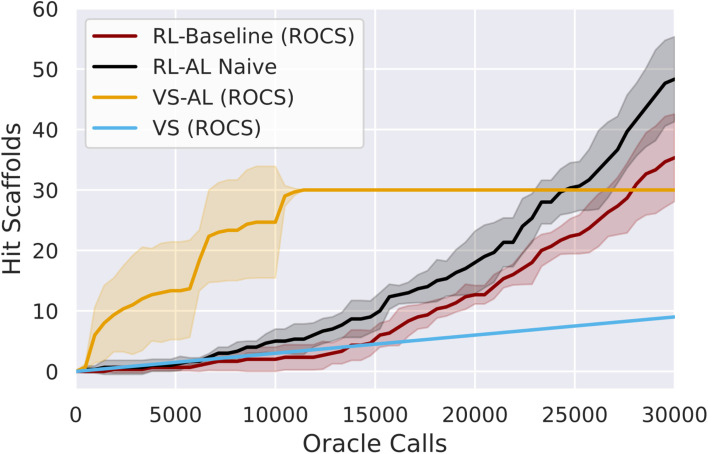 Figure 1
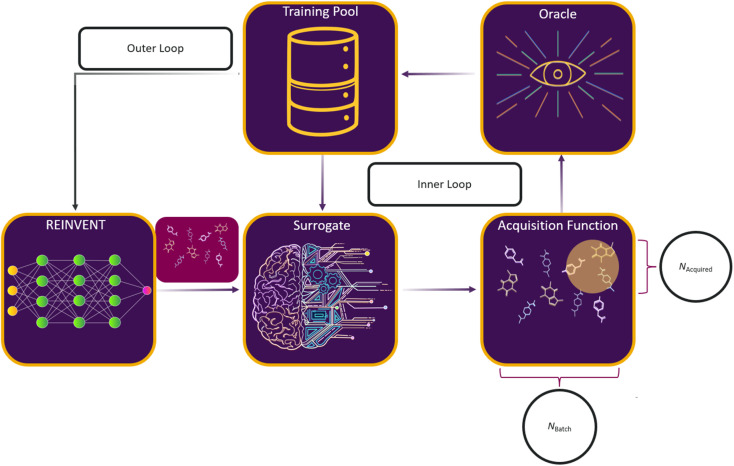 Figure 2
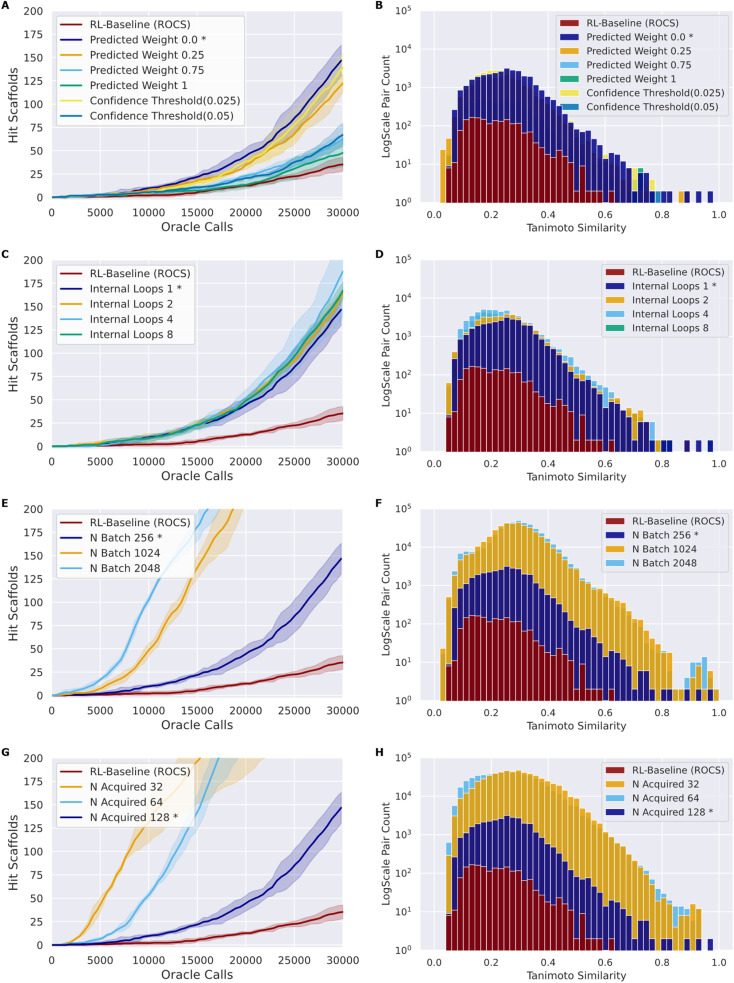 Figure 3
 Figure 4
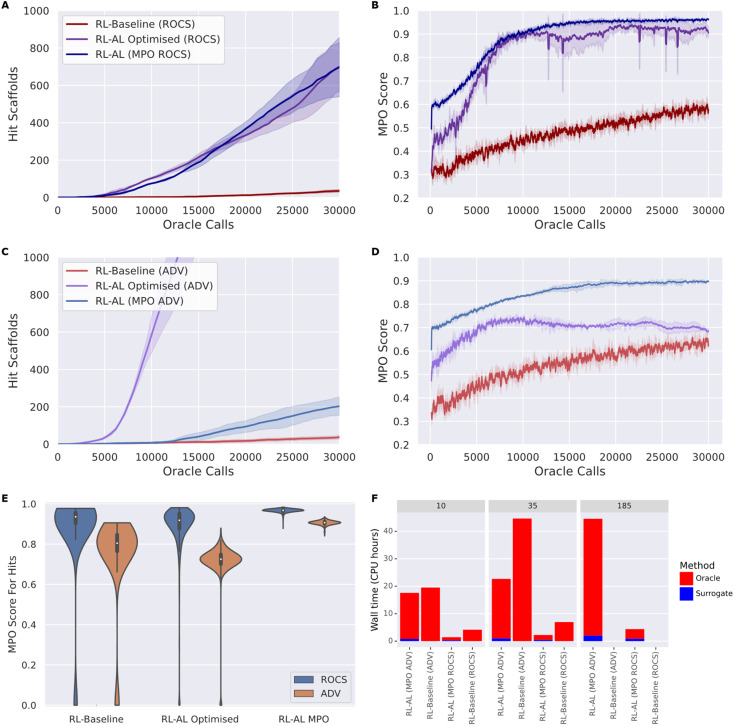 Figure 5
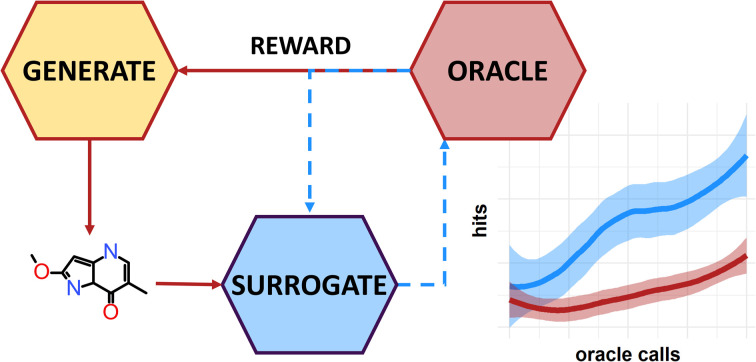 Figure 6
 Figure 7
 Figure 8
 Figure 9
 Figure 10
 Figure 11
 Figure 12
 Figure 13
 Figure 14
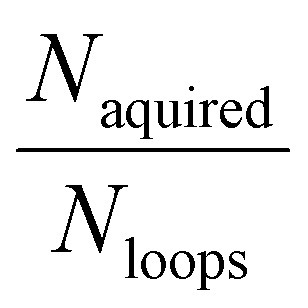 Figure 15
 Figure 16
 Figure 17
Peer Reviews
No public reviews on file for this paper yet. If you reviewed it on a platform where reviews are public (OpenReview, ICLR, NeurIPS, ICML), you can paste yours below so the community can read it here.
Videos
No videos yet. Explain this paper in a talk, walkthrough, or lecture? Add one.
Taxonomy
TopicsArchaeological and Historical Studies