Harti Hauora Tamariki: randomised controlled trial protocol for an opportunistic, holistic and family centred approach to improving outcomes for hospitalised children and their families in Aotearoa, New Zealand
Nina Scott, Polly E. Atatoa Carr, Amy R. Jones, Peter Sandiford, Bridgette Masters-Awatere, Helen Clark

TL;DR
This study aims to improve hospital outcomes for young Māori children and their families in New Zealand using a holistic wellbeing tool called Harti.
Contribution
The study introduces a culturally tailored, multifaceted intervention to address health inequities for Māori children in hospital settings.
Findings
The Harti tool will be evaluated for its effectiveness in identifying and addressing wellbeing needs of hospitalised children and families.
The trial will assess whether the intervention reduces hospital readmissions and improves access to preventative health services.
Results will provide high-quality evidence for implementing the programme nationwide to improve paediatric hospital services.
Abstract
Health and wellbeing inequities between the Indigenous Māori and non-Māori populations in Aotearoa, New Zealand continue to be unresolved. Within this context, and of particular concern, hospitalisations for diseases of poverty are increasing for tamariki Māori (Māori children). To provide hospitalised tamariki Māori, and their whānau (families) comprehensive support, a wellbeing needs assessment; the Harti Hauora Tamariki Tool (The Harti tool) was developed. The purpose of this study is to determine how effective the Harti tool is at identifying wellbeing needs, ensuring the documentation of needs, enabling access to services and improving wellbeing outcomes for tamariki and their whānau. The study uses a Kaupapa Māori methodology with qualitative and quantitative methods. Qualitative methods include in-depth interviews with whānau. This paper presents an overview of a randomised, two…
Genes, proteins, chemicals, diseases, species, mutations and cell lines named across the full text — each resolved to its canonical identifier and authoritative record.
Click any figure to enlarge with its caption.
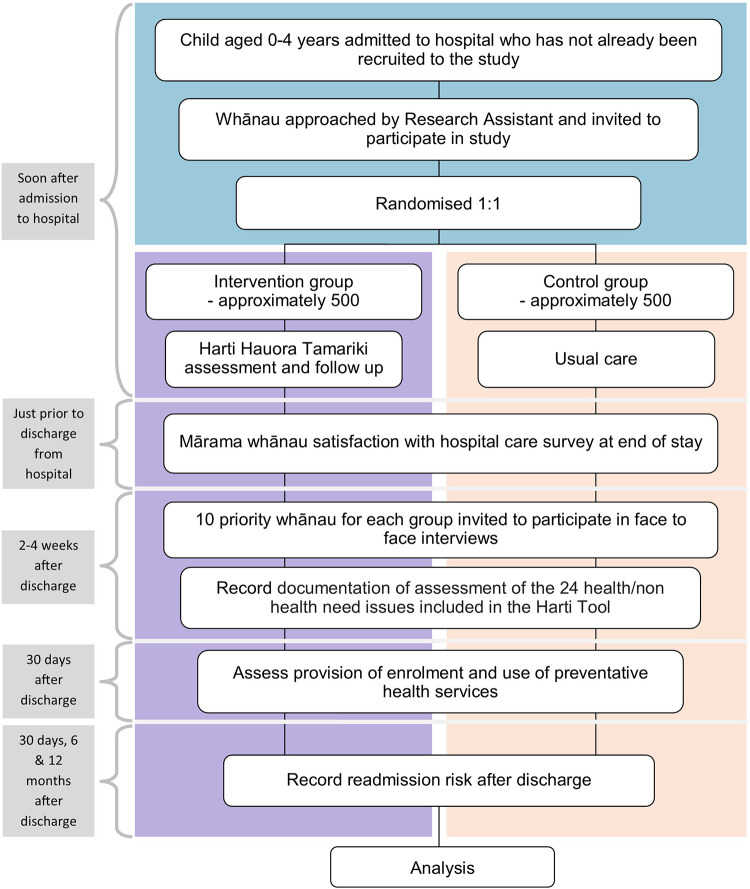 Figure 1
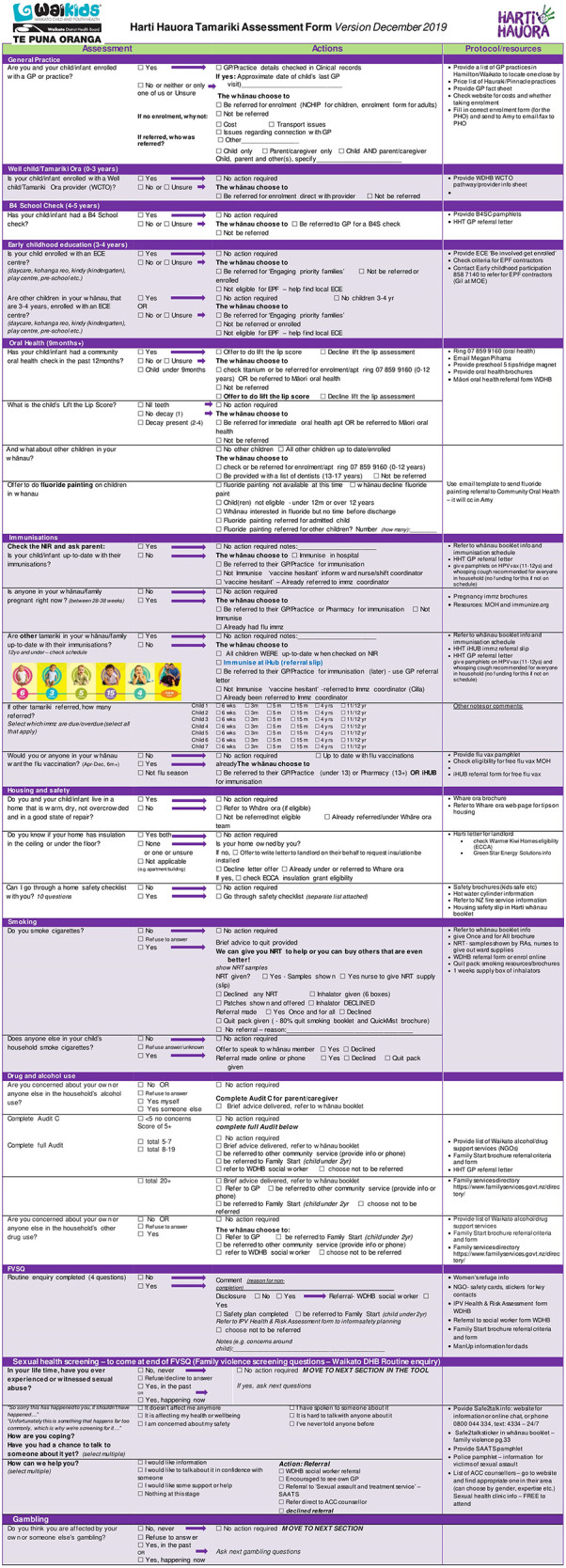 Figure 2
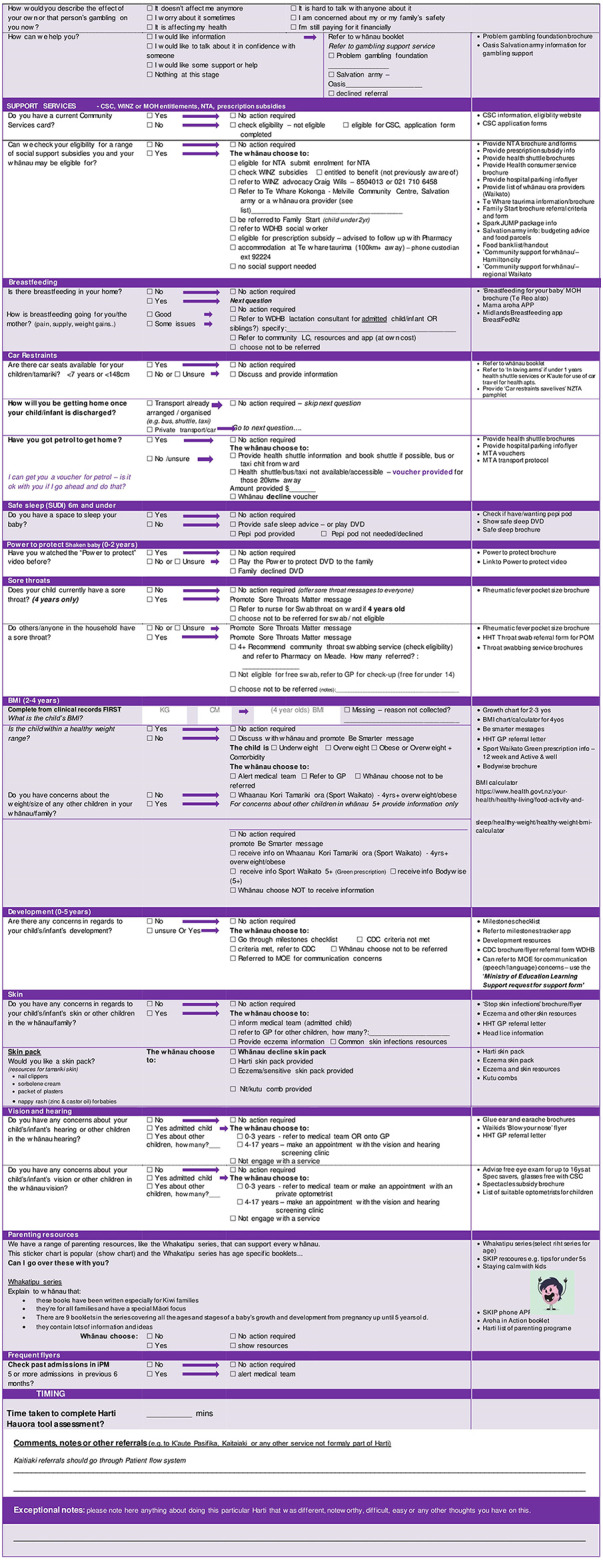 Figure 3
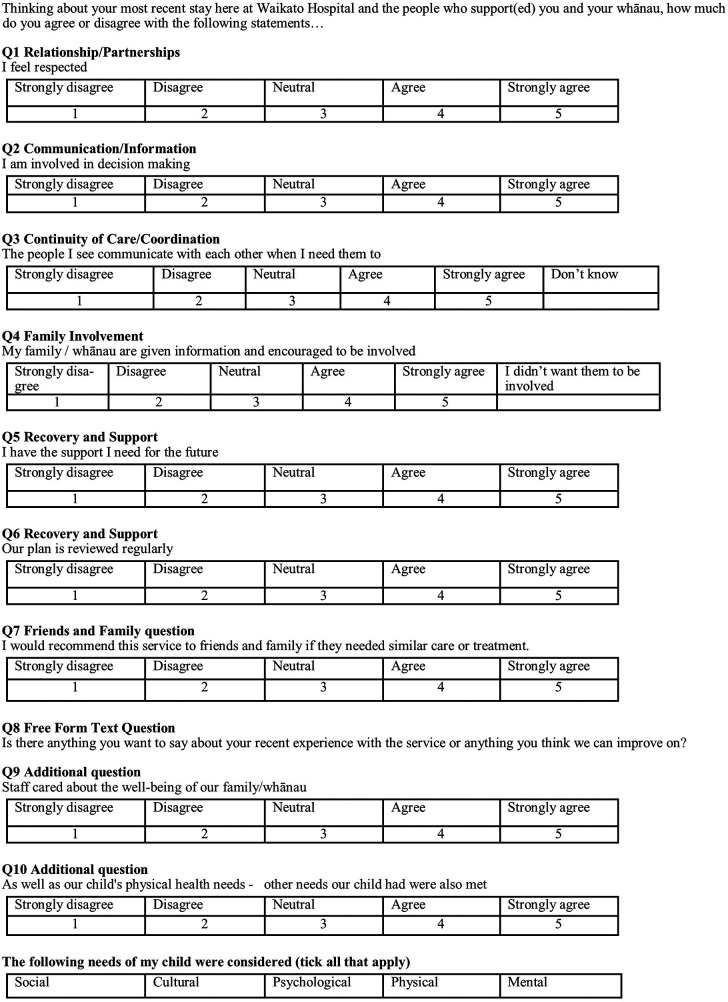 Figure 4
Peer Reviews
No public reviews on file for this paper yet. If you reviewed it on a platform where reviews are public (OpenReview, ICLR, NeurIPS, ICML), you can paste yours below so the community can read it here.
Videos
No videos yet. Explain this paper in a talk, walkthrough, or lecture? Add one.
Taxonomy
TopicsFood Security and Health in Diverse Populations · Emergency and Acute Care Studies · Indigenous Health, Education, and Rights