Functional analysis of chromatin-associated proteins in Sordaria macrospora reveals similar roles for RTT109 and ASF1 in development and DNA damage response
Jan Breuer, David Emanuel Antunes Ferreira, Mike Kramer, Jonas Bollermann, Minou Nowrousian

TL;DR
This study explores the roles of chromatin-associated proteins RTT109 and ASF1 in a fungus, finding they share functions in development and DNA damage response.
Contribution
The study reveals functional similarities between RTT109 and ASF1 in Sordaria macrospora during development and DNA damage response.
Findings
RTT109 and ASF1 deletion mutants show similar developmental arrest and loss of H3K56 acetylation.
Both RTT109 and ASF1 mutants are sensitive to methyl methanesulfonate but not hydroxyurea.
CHK2 mutants are resistant to methyl methanesulfonate but sensitive to hydroxyurea.
Abstract
We performed a functional analysis of two potential partners of ASF1, a highly conserved histone chaperone that plays a crucial role in the sexual development and DNA damage resistance in the ascomycete Sordaria macrospora. ASF1 is known to be involved in nucleosome assembly and disassembly, binding histones H3 and H4 during transcription, replication and DNA repair and has direct and indirect roles in histone recycling and modification as well as DNA methylation, acting as a chromatin modifier hub for a large network of chromatin-associated proteins. Here, we functionally characterized two of these proteins, RTT109 and CHK2. RTT109 is a fungal-specific histone acetyltransferase, while CHK2 is an ortholog to PRD-4, a checkpoint kinase of Neurospora crassa that performs similar cell cycle checkpoint functions as yeast RAD53. Through the generation and characterization of deletion…
Genes, proteins, chemicals, diseases, species, mutations and cell lines named across the full text — each resolved to its canonical identifier and authoritative record.
Click any figure to enlarge with its caption.
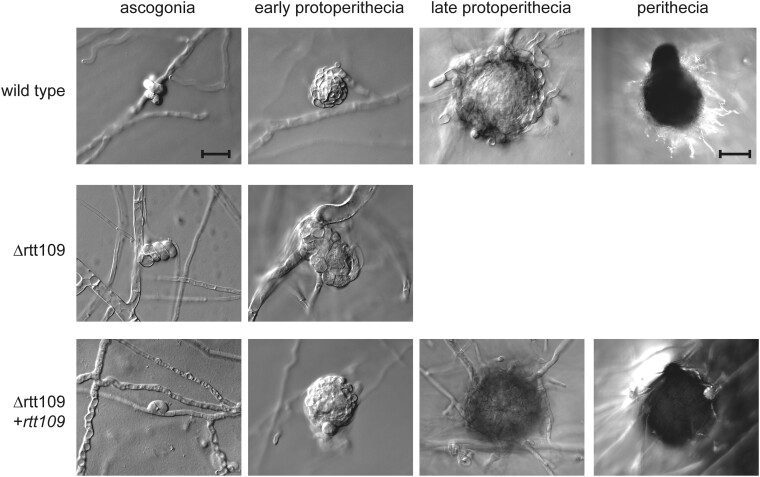 Figure 1
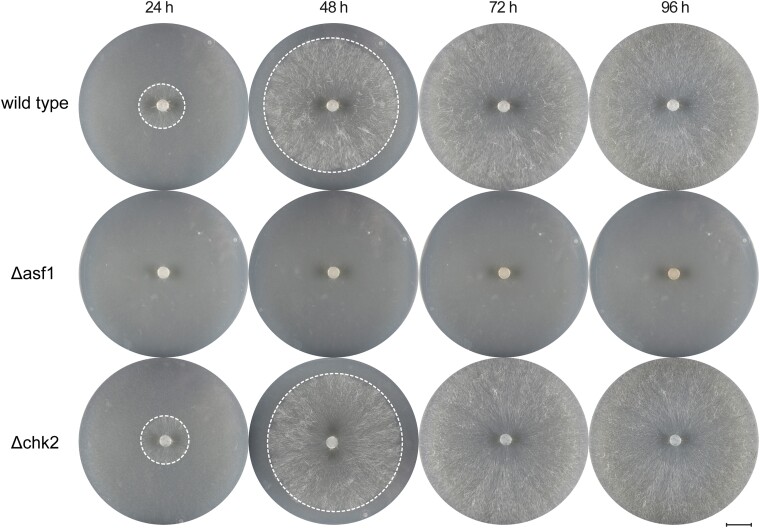 Figure 2
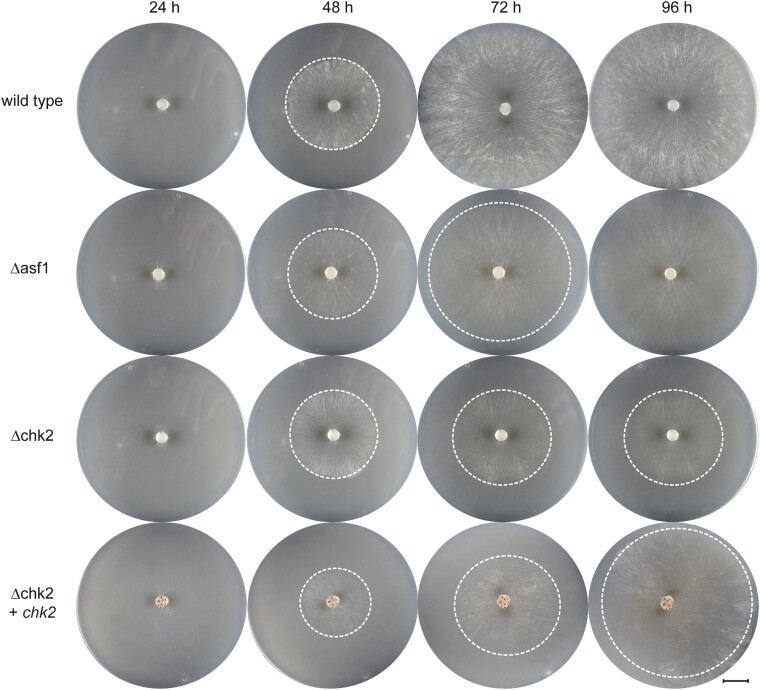 Figure 3
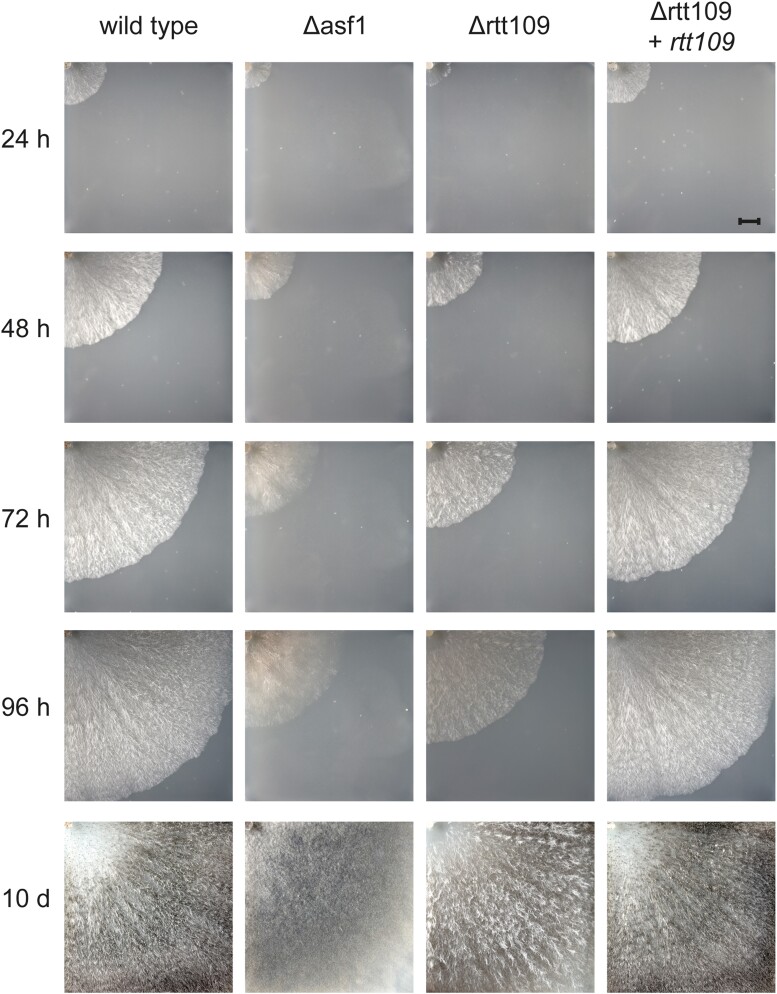 Figure 4
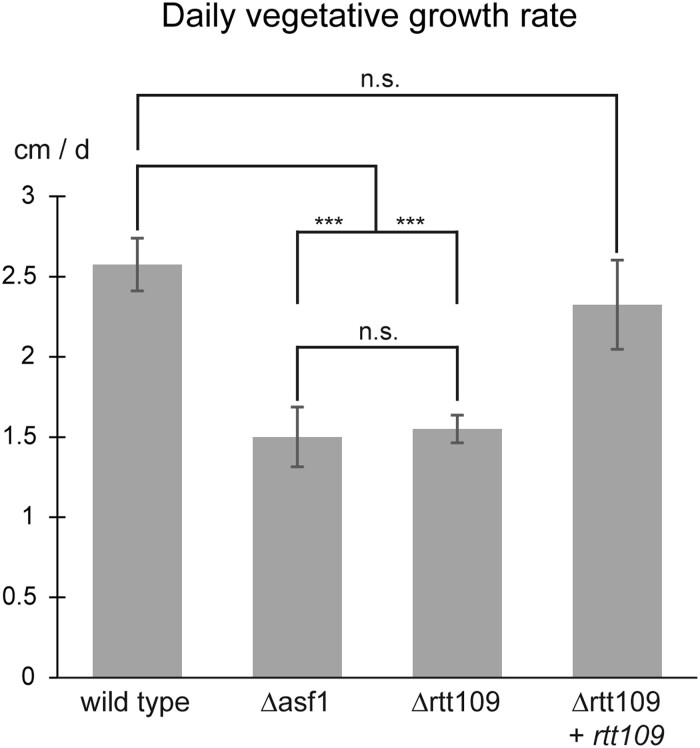 Figure 5
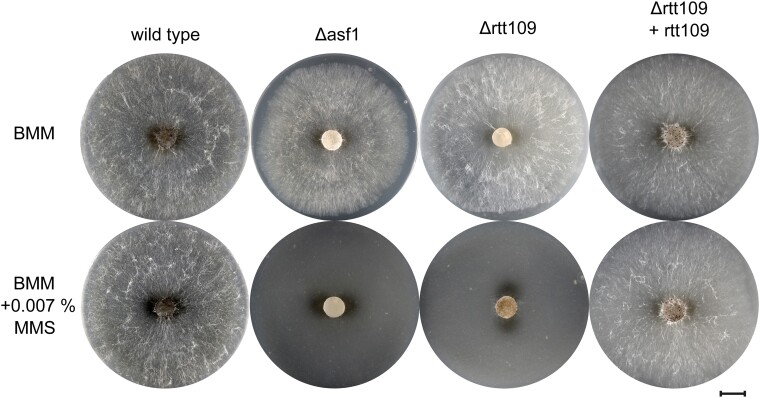 Figure 6
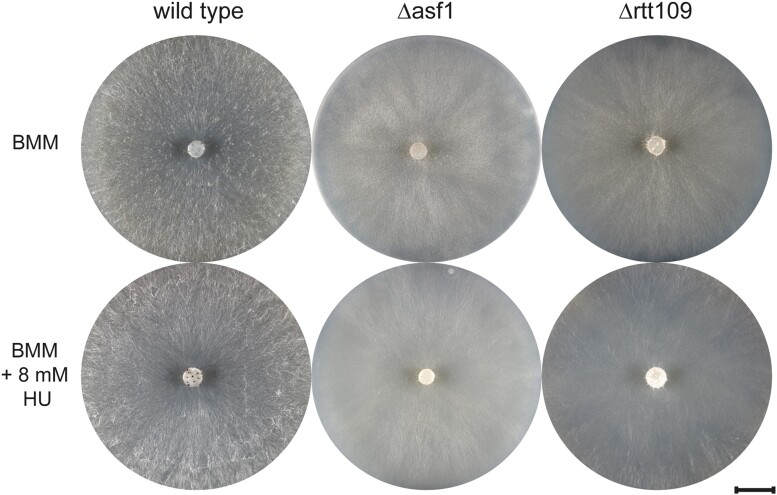 Figure 7
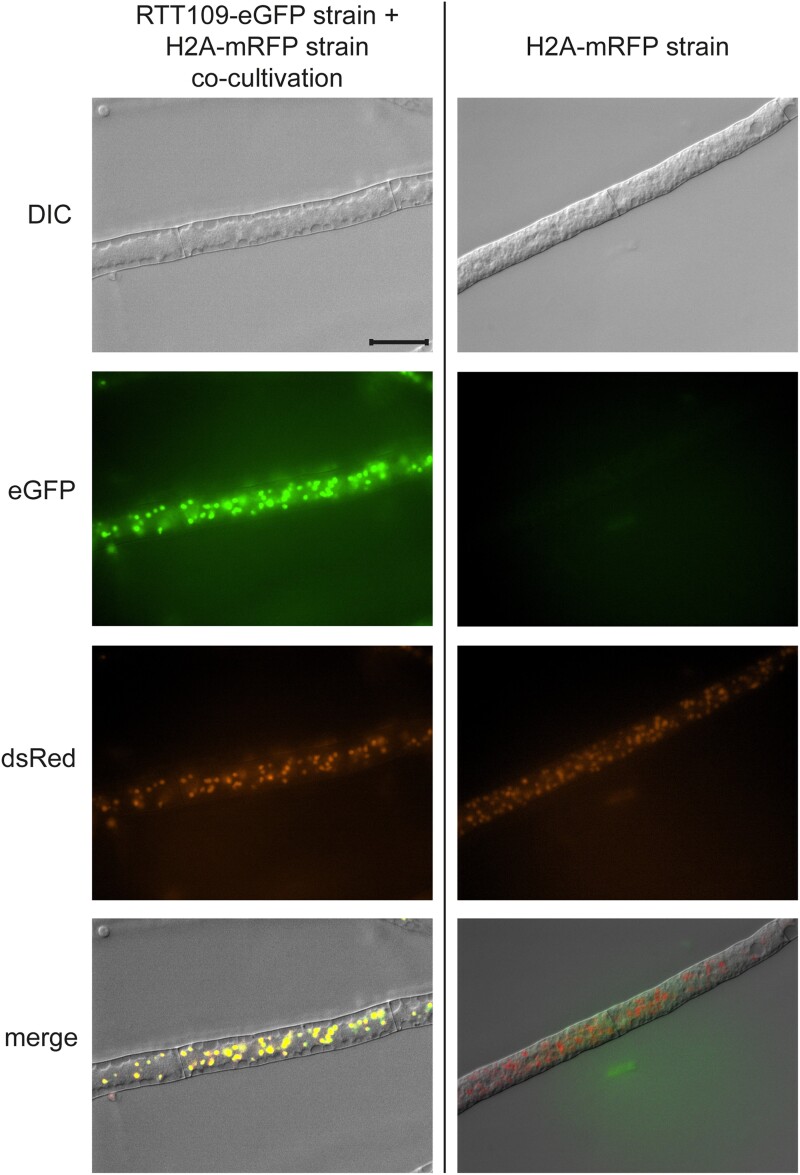 Figure 8
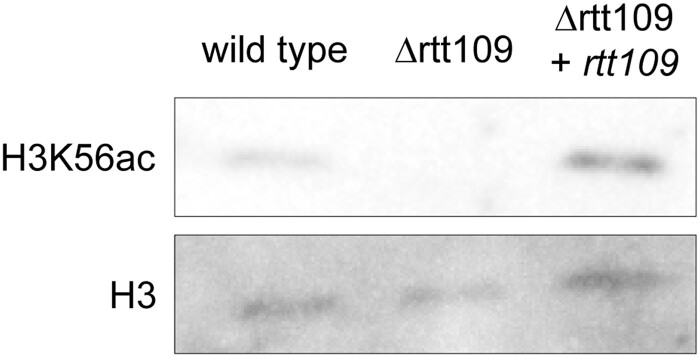 Figure 9
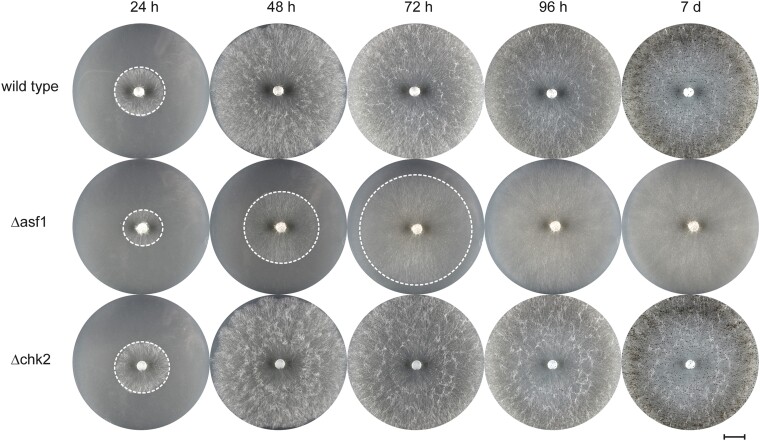 Figure 10
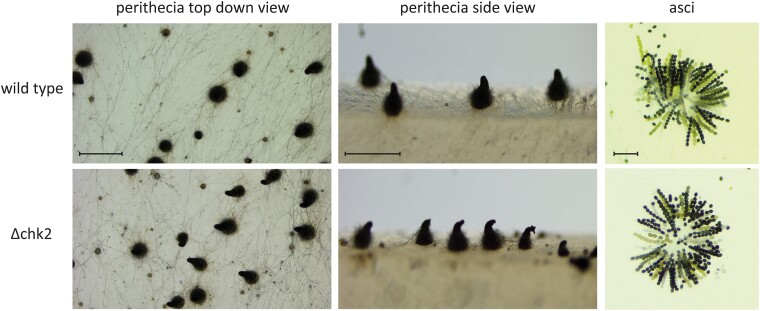 Figure 11
Peer Reviews
No public reviews on file for this paper yet. If you reviewed it on a platform where reviews are public (OpenReview, ICLR, NeurIPS, ICML), you can paste yours below so the community can read it here.
Videos
No videos yet. Explain this paper in a talk, walkthrough, or lecture? Add one.
Taxonomy
TopicsInsect Resistance and Genetics · Protist diversity and phylogeny · CRISPR and Genetic Engineering