A PRISMA-IPD systematic review and meta-analysis: does age and follow-up improve active range of motion of the wrist and forearm following pediatric upper extremity cerebral palsy surgery?
Amy X. Song, Anthony Saad, Lauren Hutnik, Onrina Chandra, Aleksandra McGrath, Alice Chu

TL;DR
This study finds that older age at surgery and longer follow-up time are linked to smaller improvements in wrist and forearm movement after surgery for cerebral palsy in children.
Contribution
The study provides new evidence on how age and follow-up duration affect surgical outcomes in pediatric cerebral palsy patients.
Findings
Older age at surgery correlates with less improvement in forearm supination and wrist flexion.
Longer follow-up time is associated with better outcomes in forearm supination and wrist extension.
Follow-up time shows a negative association with forearm pronation and wrist flexion improvements.
Abstract
Surgical treatments such as tendon transfers and muscle lengthening play a significant role in cerebral palsy management,but timing of upper extremity cerebral palsy surgery remains controversial. This study systematically reviews the current literature and investigates the correlation between age at surgery and follow-up time with surgical outcomes in pediatric upper extremity cerebral palsy patients. A comprehensive search of PubMed, Cochrane, Web of Science, and CINAHL databases was performed from inception to July 2020 and articles were screened using PRISMA guidelines to include full-text, English papers. Data analysis was performed using itemized data points for age at surgery, follow-up length, and surgery outcomes, reported as changes in active forearm and wrist motion. A 3D linear model was performed, to analyze the relationship between age, follow-up length, and surgery…
Genes, proteins, chemicals, diseases, species, mutations and cell lines named across the full text — each resolved to its canonical identifier and authoritative record.
Click any figure to enlarge with its caption.
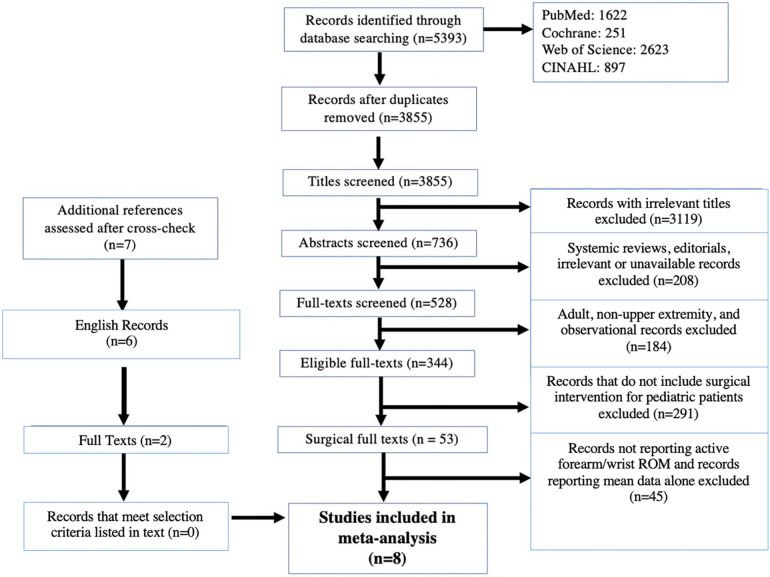 Figure 1
 Figure 2
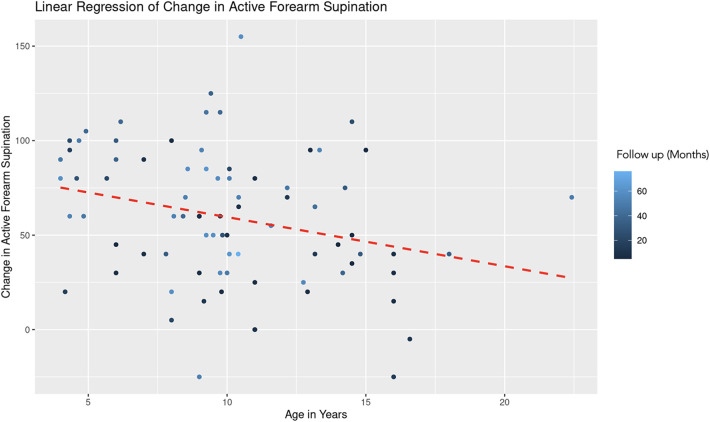 Figure 3
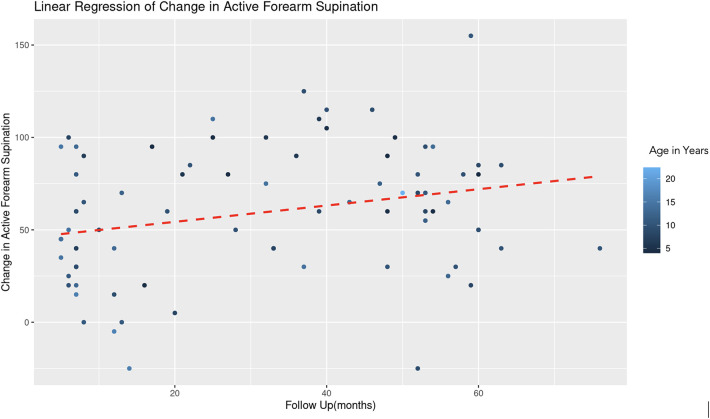 Figure 4
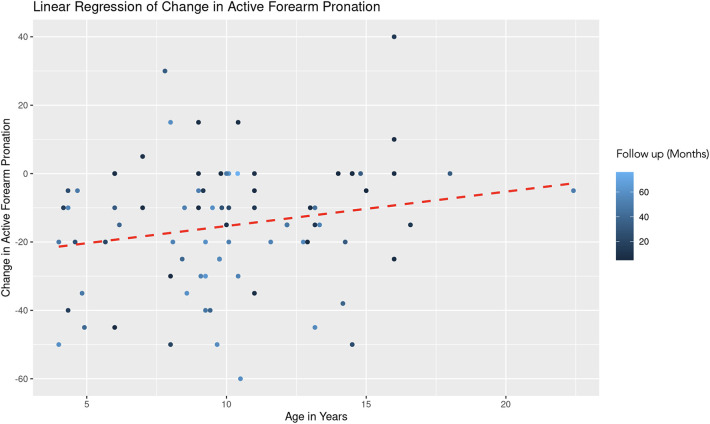 Figure 5
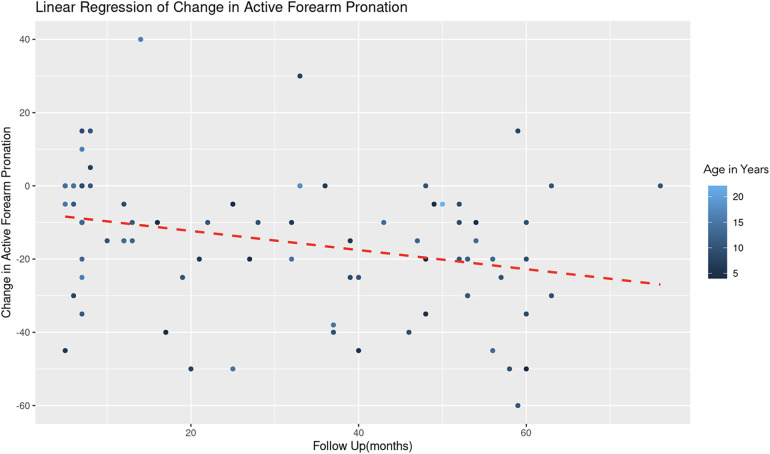 Figure 6
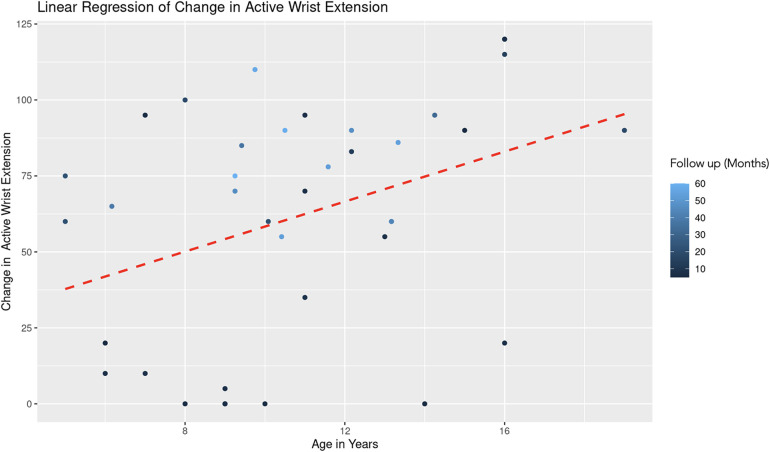 Figure 7
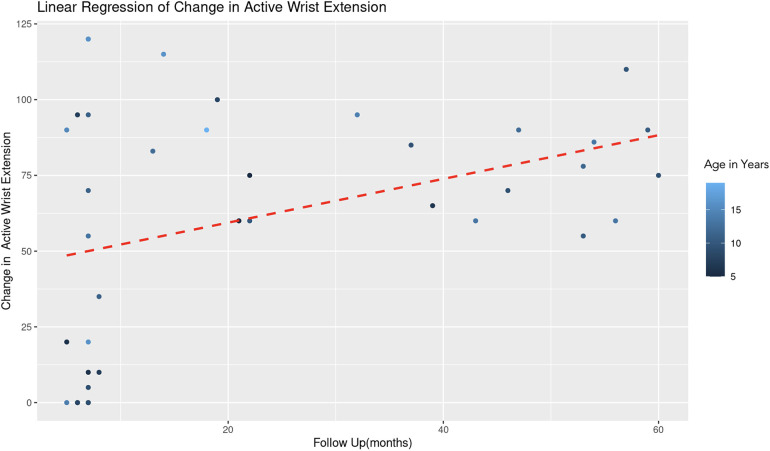 Figure 8
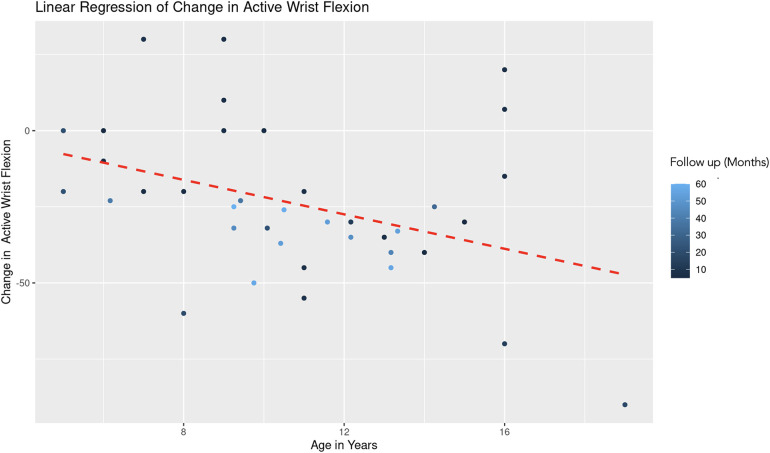 Figure 9
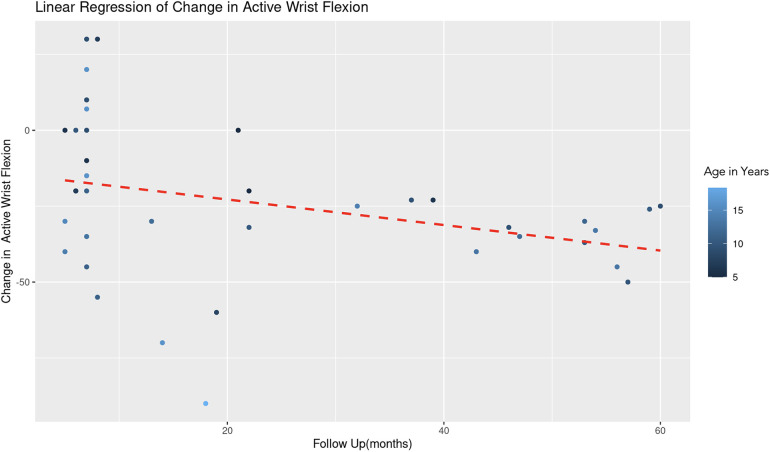 Figure 10
Peer Reviews
No public reviews on file for this paper yet. If you reviewed it on a platform where reviews are public (OpenReview, ICLR, NeurIPS, ICML), you can paste yours below so the community can read it here.
Videos
No videos yet. Explain this paper in a talk, walkthrough, or lecture? Add one.
Taxonomy
TopicsCerebral Palsy and Movement Disorders · Botulinum Toxin and Related Neurological Disorders · Nerve Injury and Rehabilitation