Antifatigue Effects of the Aqueous Extracts of Myrtle Berries, Apple and Clove: An Animal Study
Akram Alembagheri, Homa Hajimehdipoor, Mona Khoramjouy, Somayeh Esmaeili, Mehrdad Faizi

TL;DR
This study shows that myrtle berries reduce fatigue in rats, likely due to their antioxidant and anti-inflammatory properties.
Contribution
The study demonstrates the antifatigue effects of myrtle berries in two animal models of fatigue.
Findings
Myrtle extract increased swimming time and reduced markers of oxidative stress and inflammation.
The highest dose of myrtle extract significantly lowered LDH levels and improved movement in open-field tests.
Apple and clove extracts also showed some antifatigue effects, but myrtle was most effective.
Abstract
Fatigue is one of the most prevalent symptoms, increasing worldwide with no specific medication for fatigue. Iranian traditional medicine (ITM), or Persian medicine, is a reliable source for discovering natural medicine for diseases and their symptoms. Myrtus communis L. (Myrtle), Malus domestica Borkh. (Apple), and Syzygium aromaticum (L.) Merr. & L. M. Perry (Clove) have been utilized as brain and heart tonics in ITM. Based on ITM, cardiac tonics decrease fatigue by enhancing heart function and increasing blood flow to tissues. These plants, particularly myrtle berries, have been utilized as potent enlivening agents that reduce mental fatigue. This study aims to investigate the effects of aqueous extracts of these plants on weight-loaded forced swimming (WLFS) tests and three doses of aqueous myrtle extract in an animal model of chronic sleep deprivation-induced fatigue. Five groups…
Genes, proteins, chemicals, diseases, species, mutations and cell lines named across the full text — each resolved to its canonical identifier and authoritative record.
Click any figure to enlarge with its caption.
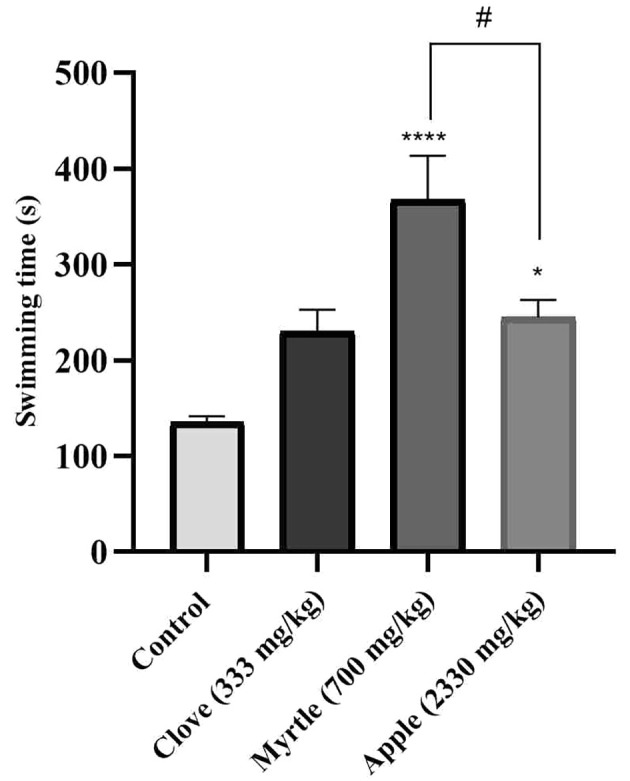 Figure 1
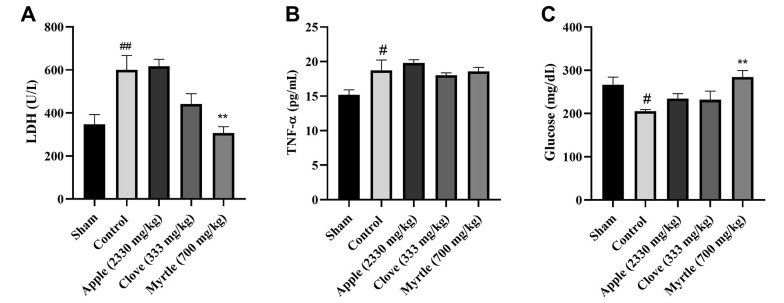 Figure 2
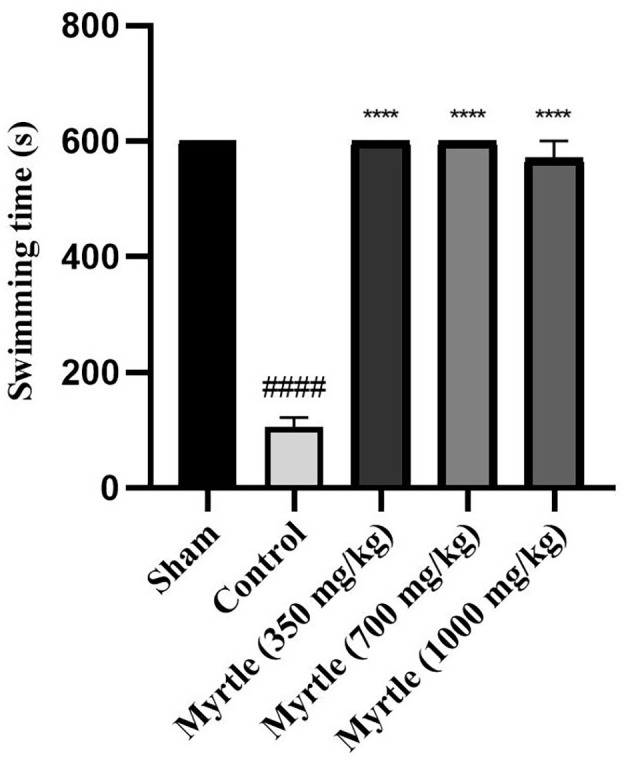 Figure 3
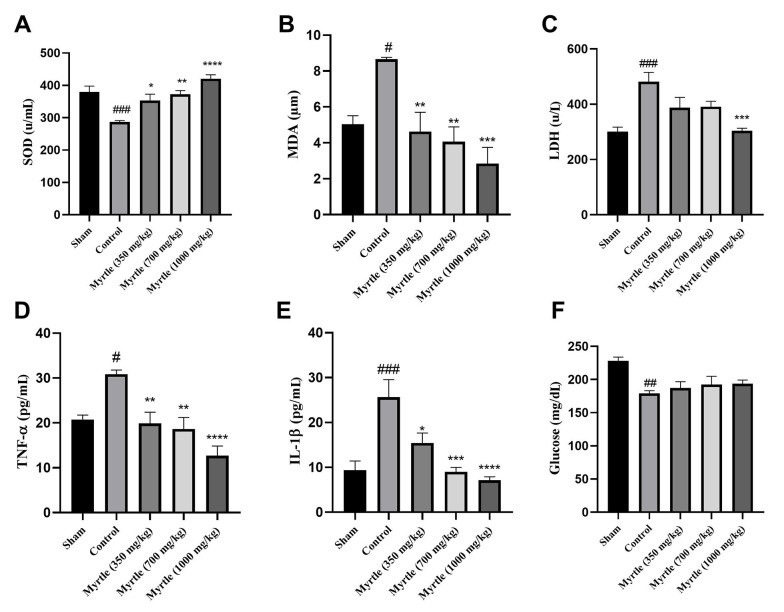 Figure 4
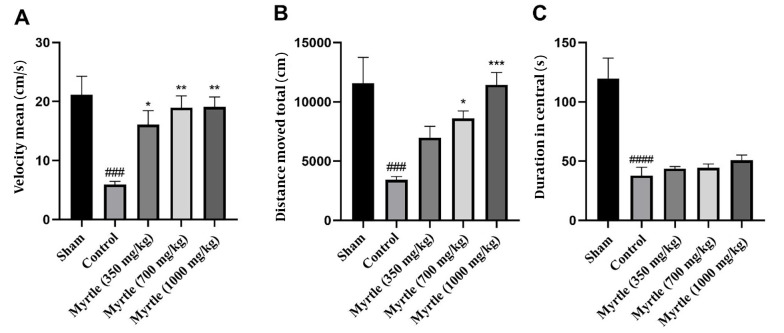 Figure 5
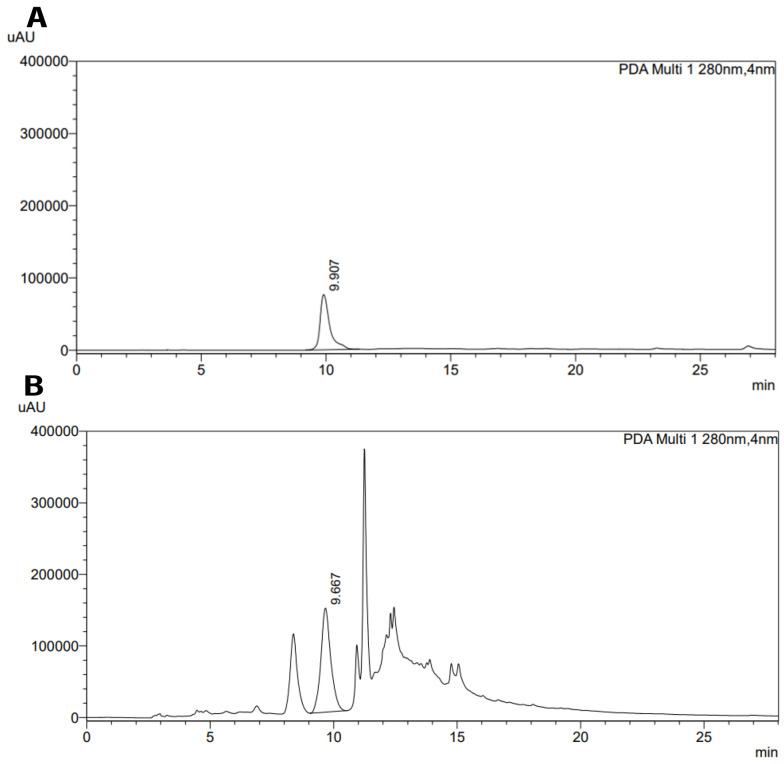 Figure 6
Peer Reviews
No public reviews on file for this paper yet. If you reviewed it on a platform where reviews are public (OpenReview, ICLR, NeurIPS, ICML), you can paste yours below so the community can read it here.
Videos
No videos yet. Explain this paper in a talk, walkthrough, or lecture? Add one.
Taxonomy
TopicsExercise and Physiological Responses · Antioxidant Activity and Oxidative Stress · Medicinal Plants and Bioactive Compounds