Too much information? Males convey parasite levels using more signal modalities than females utilise
Arka Pal, Mihir Joshi, Maria Thaker

TL;DR
Male geckos use both visual and chemical signals to show their parasite levels, but females only respond to the chemical signals.
Contribution
This study shows that while males use multiple signals to indicate parasite levels, only chemical signals influence female behavior.
Findings
Ectoparasite levels are negatively correlated with body condition in both male and female geckos.
Male geckos with higher parasite loads have less vibrant gular patches and chemical secretions with fewer aromatic compounds.
Females prefer males with lower parasite loads based on their chemical signals, not visual ones.
Abstract
Elaborate sexual signals are thought to have evolved and be maintained to serve as honest indicators of signaller quality. One measure of quality is health, which can be affected by parasite infection. Cnemaspis mysoriensis is a diurnal gecko that is often infested with ectoparasites in the wild, and males of this species express visual (coloured gular patches) and chemical (femoral gland secretions) traits that receivers could assess during social interactions. In this paper, we tested whether ectoparasites affect individual health, and whether signal quality is an indicator of ectoparasite levels. In wild lizards, we found that ectoparasite level was negatively correlated with body condition in both sexes. Moreover, some characteristics of both visual and chemical traits in males were strongly associated with ectoparasite levels. Specifically, males with higher ectoparasite levels had…
Genes, proteins, chemicals, diseases, species, mutations and cell lines named across the full text — each resolved to its canonical identifier and authoritative record.
Click any figure to enlarge with its caption.
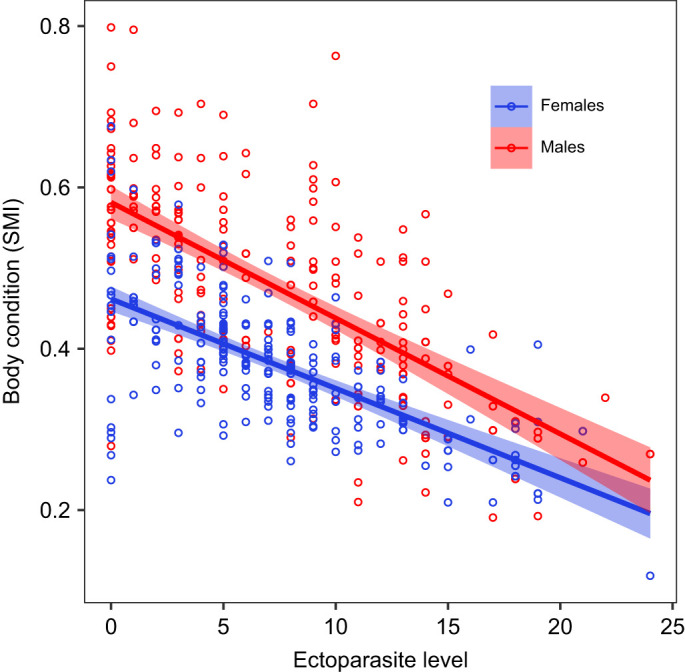 Figure 1
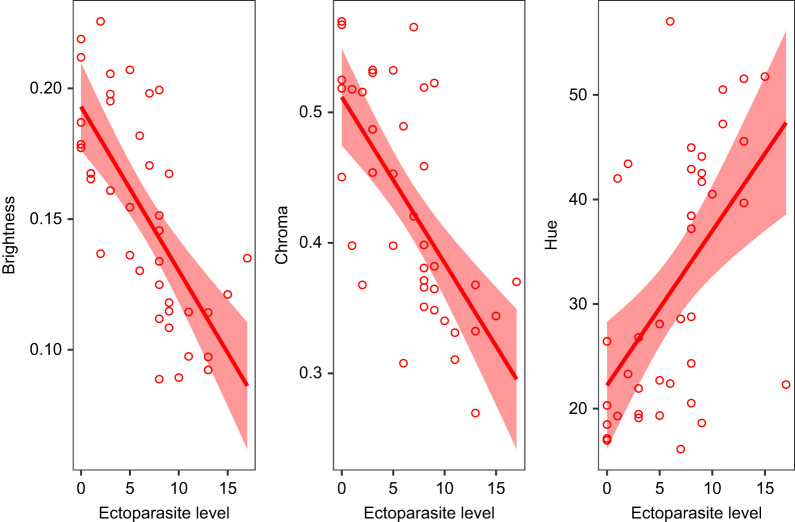 Figure 2
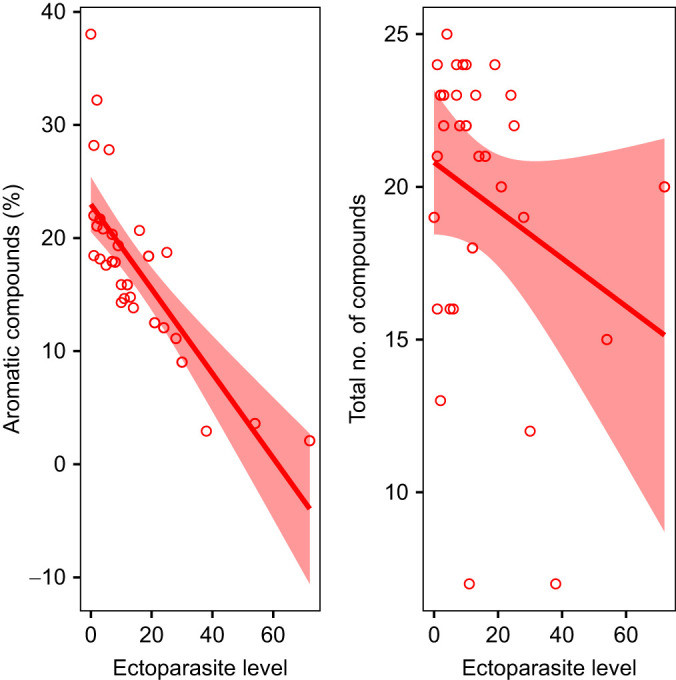 Figure 3
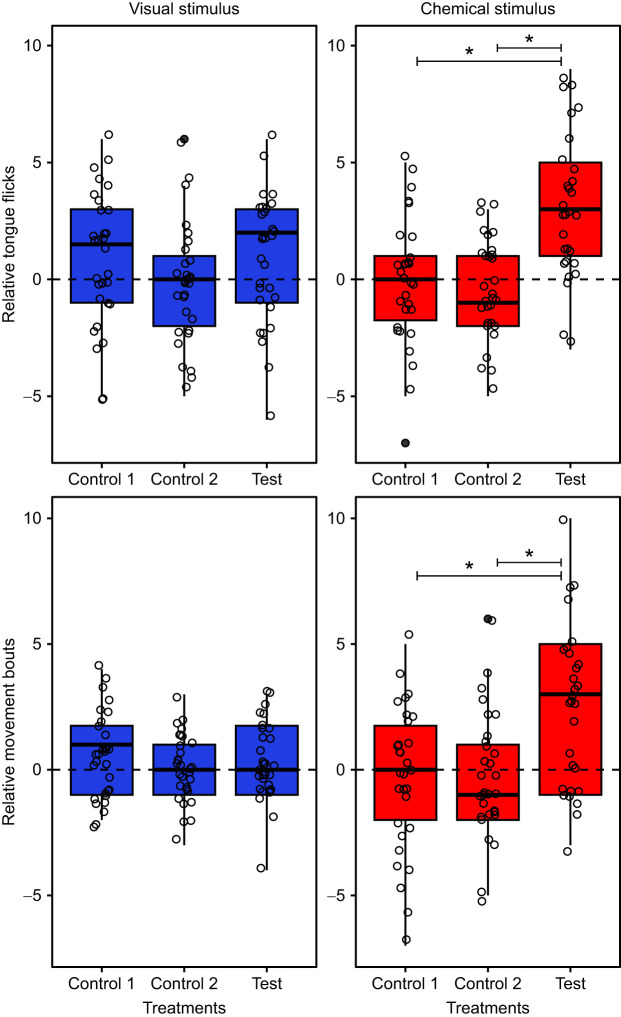 Figure 4
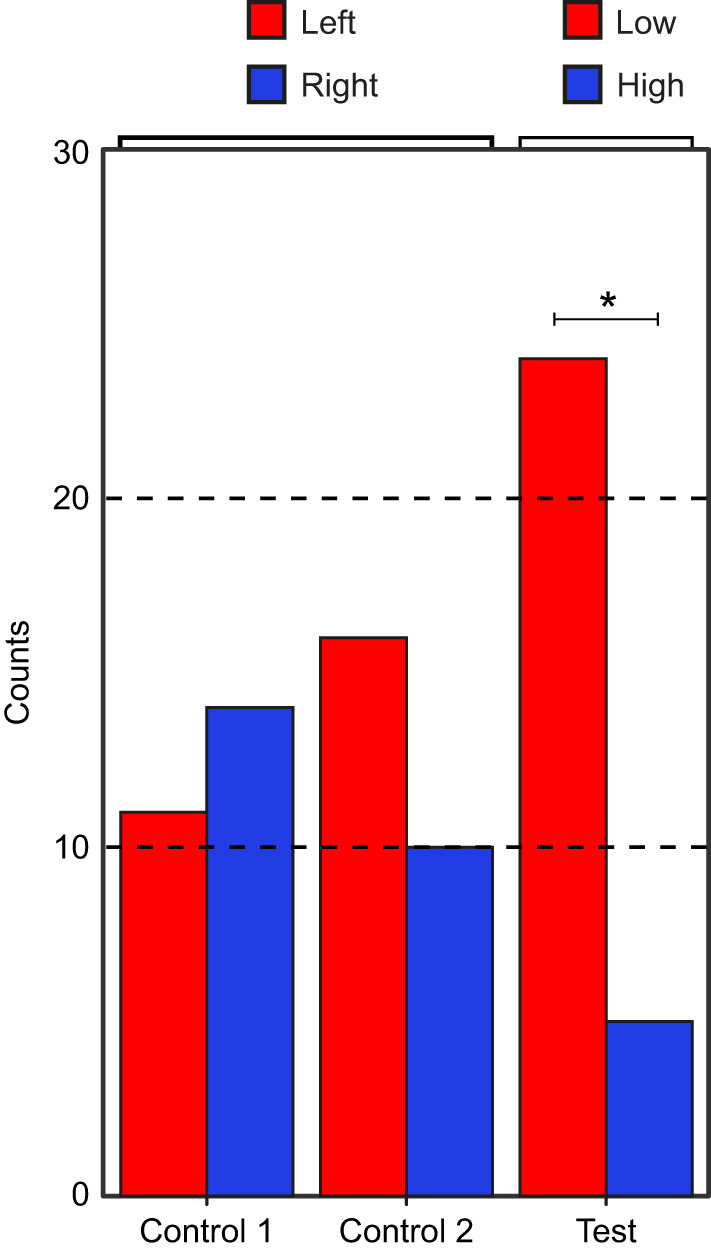 Figure 5
Peer Reviews
No public reviews on file for this paper yet. If you reviewed it on a platform where reviews are public (OpenReview, ICLR, NeurIPS, ICML), you can paste yours below so the community can read it here.
Videos
No videos yet. Explain this paper in a talk, walkthrough, or lecture? Add one.
Taxonomy
TopicsAnimal Behavior and Reproduction · Plant and animal studies · Amphibian and Reptile Biology