Artificial Targets: a versatile cell-free platform to characterize CAR T cell function in vitro
Xueting Wang, Nicholas J. A. Tokarew, Nadine Borgelt, Ramona Siemer, Cristiane Casonato Melo, Christian Langer, Ioannis Kasampalidis, Isabella E. Y. Ogusuku, Toni Cathomen, Isabel Gessner, Christian Dose, Jonathan A. Fauerbach, Anne Richter, César Evaristo

TL;DR
Researchers developed a synthetic bead-based platform called Artificial Targets to better assess CAR T cell function in the lab, offering a more reliable and flexible alternative to traditional cell lines.
Contribution
A novel synthetic bead-based platform for standardized and efficient in vitro characterization of CAR T cell function.
Findings
Artificial Targets induce CAR T cell activation as measured by CD69 and CD137 upregulation.
The platform mimics target cell line responses, including cytotoxic activity and cytokine secretion.
Artificial Targets show limited unspecific T cell proliferation and can modulate CAR T cell responses via costimulatory molecules.
Abstract
Cancer immunotherapies using chimeric antigen receptor (CAR) T cells have tremendous potential and proven clinical efficacy against a number of malignancies. Research and development are emerging to deepen the knowledge of CAR T cell efficacy and extend the therapeutic potential of this novel therapy. To this end, functional characterization of CAR T cells plays a central role in consecutive phases across fundamental research and therapeutic development, with increasing needs for standardization. The functional characterization of CAR T cells is typically achieved by assessing critical effector functions, following co-culture with cell lines expressing the target antigen. However, the use of target cell lines poses several limitations, including alterations in cell fitness, metabolic state or genetic drift due to handling and culturing of the cells, which would increase variabilities…
Genes, proteins, chemicals, diseases, species, mutations and cell lines named across the full text — each resolved to its canonical identifier and authoritative record.
Click any figure to enlarge with its caption.
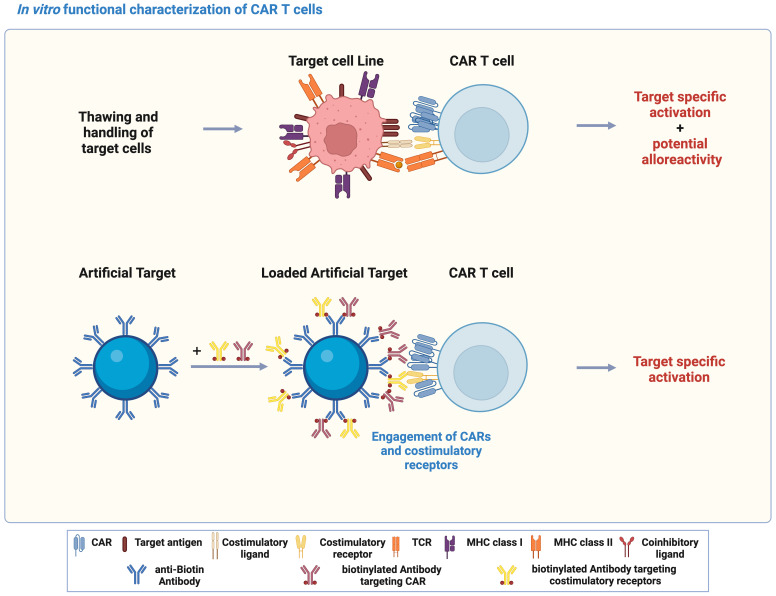 Figure 1
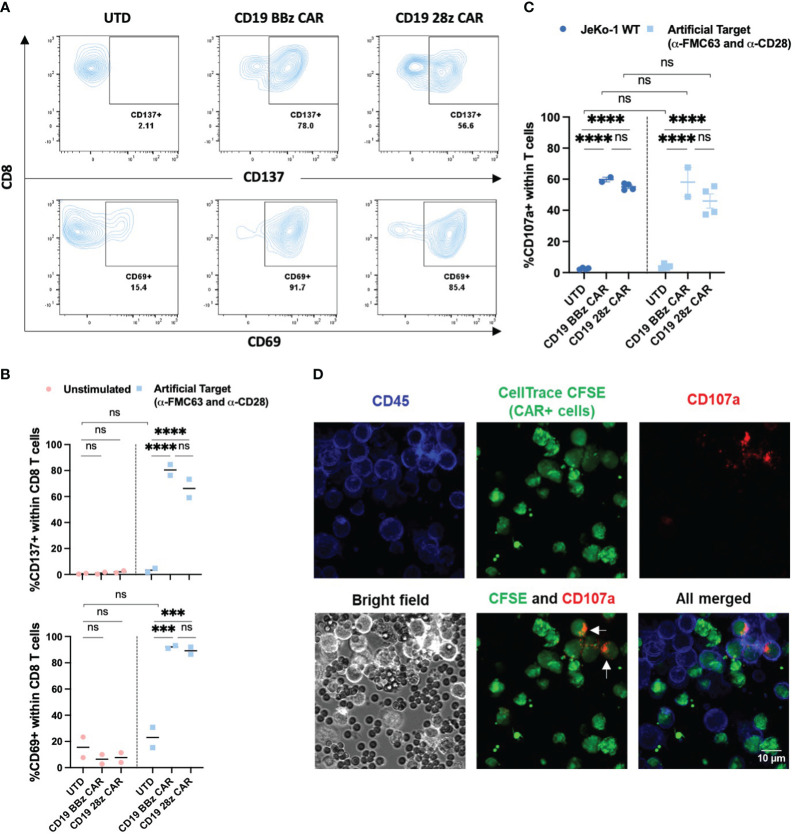 Figure 2
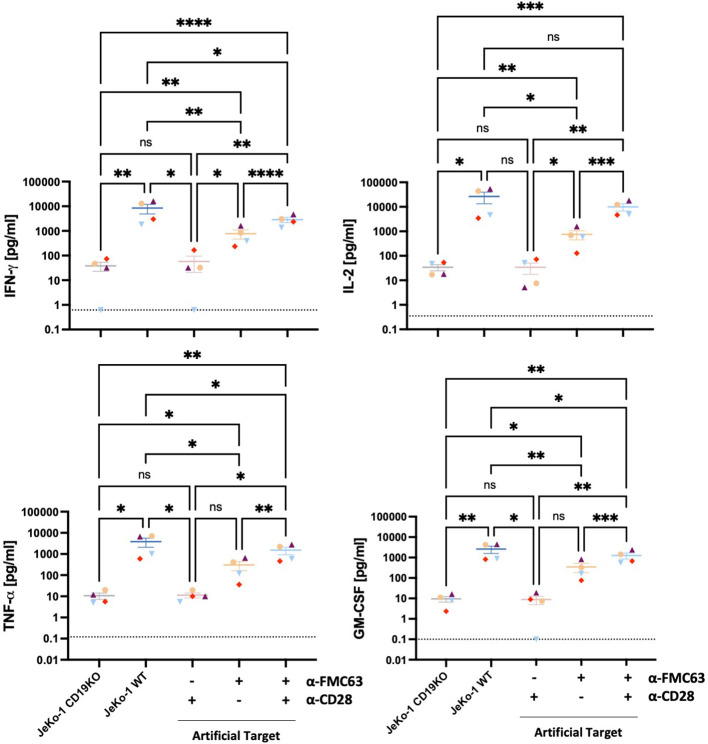 Figure 3
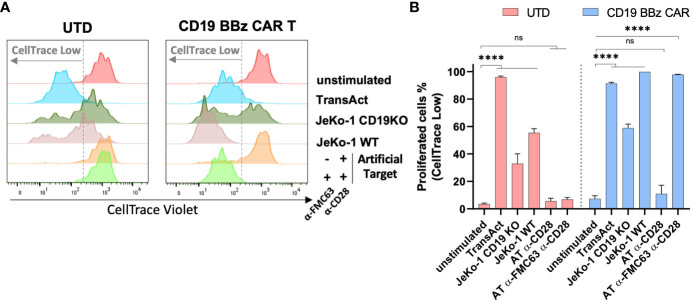 Figure 4
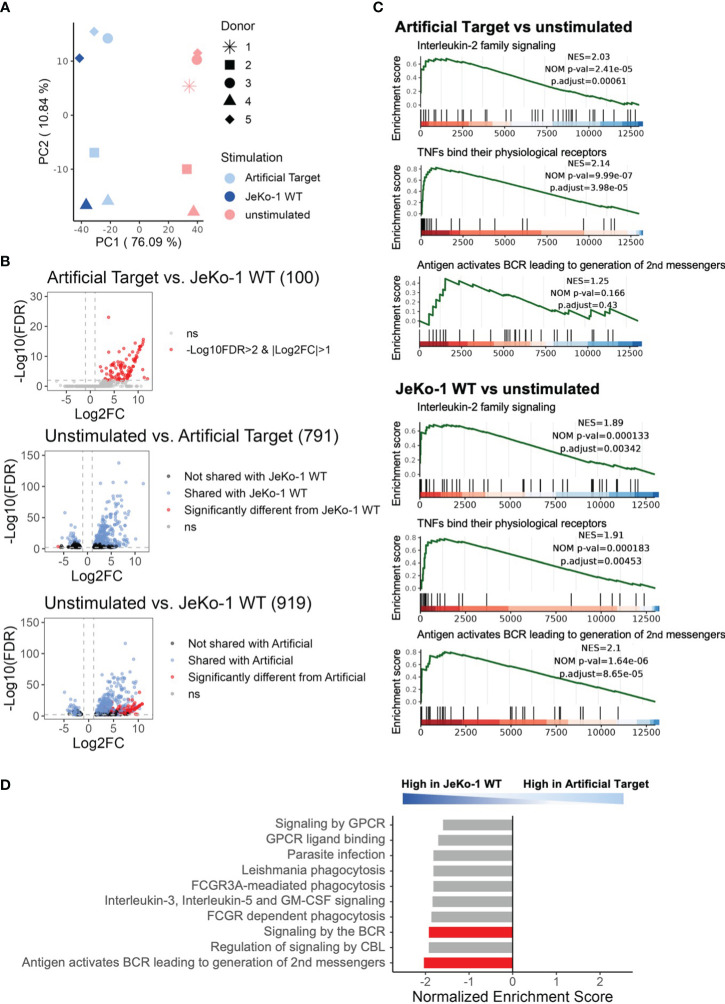 Figure 5
Peer Reviews
No public reviews on file for this paper yet. If you reviewed it on a platform where reviews are public (OpenReview, ICLR, NeurIPS, ICML), you can paste yours below so the community can read it here.
Videos
No videos yet. Explain this paper in a talk, walkthrough, or lecture? Add one.
Taxonomy
TopicsCAR-T cell therapy research · Nanowire Synthesis and Applications · Immune Cell Function and Interaction