Process Simulation and Optimization on Ionic Liquids
Jose Palomar, Jesús Lemus, Pablo Navarro, Cristian Moya, Rubén Santiago, Daniel Hospital-Benito, Elisa Hernández

TL;DR
This review discusses how process simulations help optimize ionic liquid technologies for industrial applications like CO2 capture and gas separation.
Contribution
The paper compiles over 300 studies showing how simulations guide the development and industrial use of ionic liquids.
Findings
Simulation methods like COSMO-SAC/RS and UNIFAC in Aspen Plus improve IL-based process design.
Process simulations help identify optimal ILs for CO2 capture, gas separation, and biorefinery applications.
Technoeconomic and environmental analyses via simulation enhance the competitiveness of IL technologies.
Abstract
Ionic liquids (ILs) are promising alternative compounds that enable the development of technologies based on their unique properties as solvents or catalysts. These technologies require integrated product and process designs to select ILs with optimal process performances at an industrial scale to promote cost-effective and sustainable technologies. The digital era and multiscale research methodologies have changed the paradigm from experiment-oriented to hybrid experimental–computational developments guided by process engineering. This Review summarizes the relevant contributions (>300 research papers) of process simulations to advance IL-based technology developments by guiding experimental research efforts and enhancing industrial transferability. Robust simulation methodologies, mostly based on predictive COSMO-SAC/RS and UNIFAC models in Aspen Plus software, were applied to analyze…
Genes, proteins, chemicals, diseases, species, mutations and cell lines named across the full text — each resolved to its canonical identifier and authoritative record.
Click any figure to enlarge with its caption.
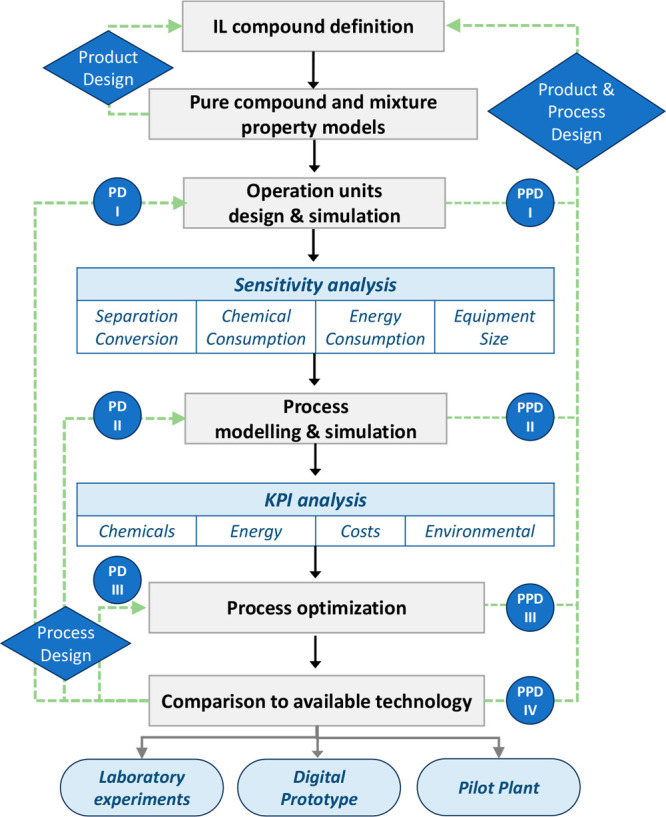 Figure 1
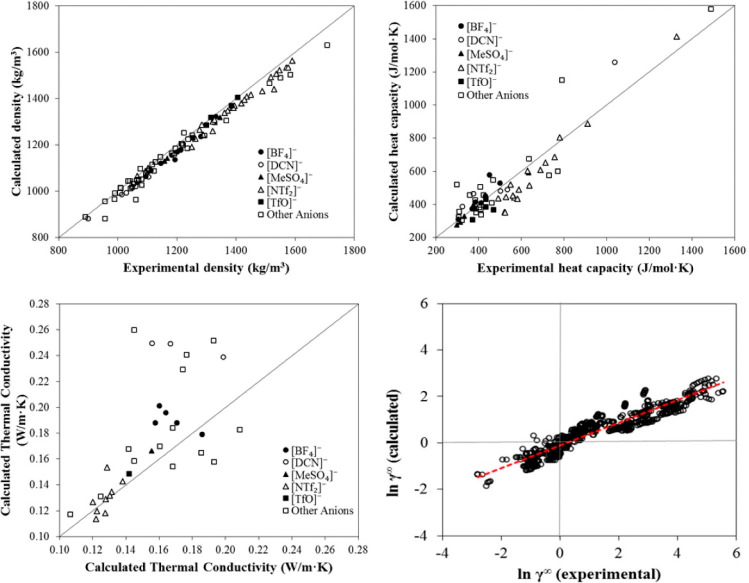 Figure 2
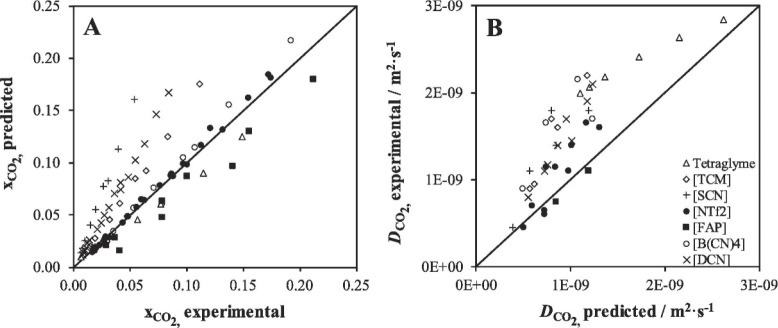 Figure 3
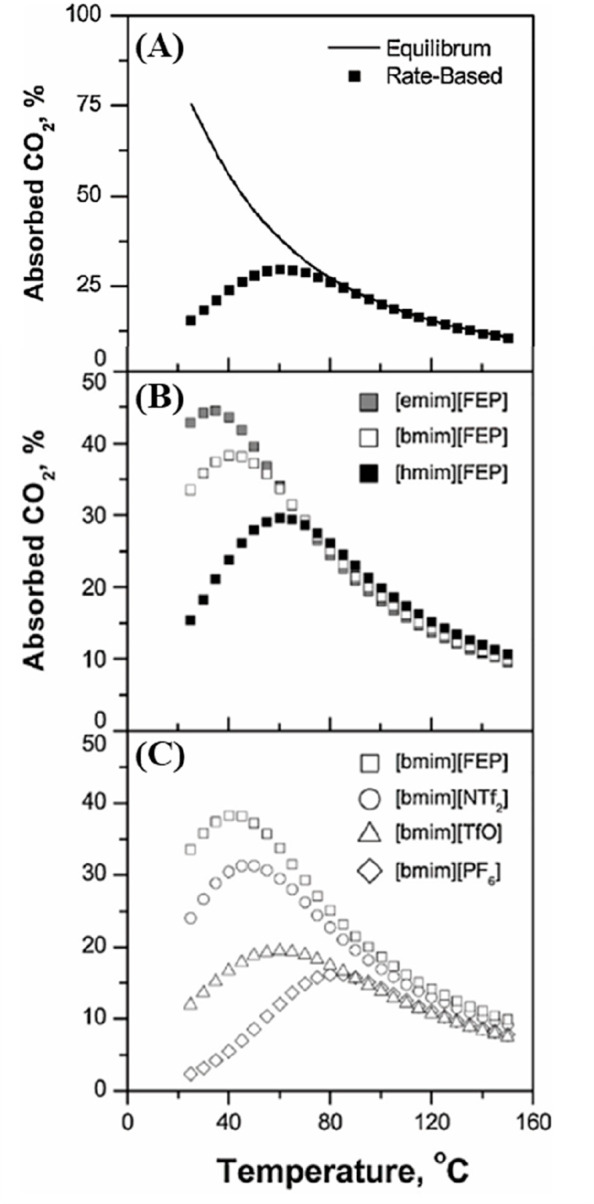 Figure 4
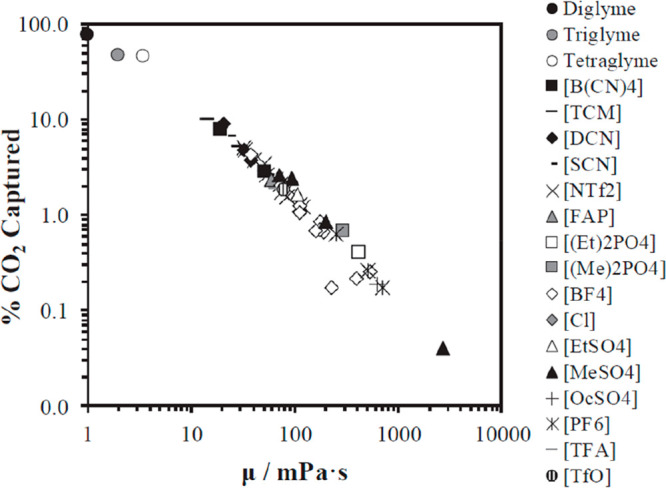 Figure 5
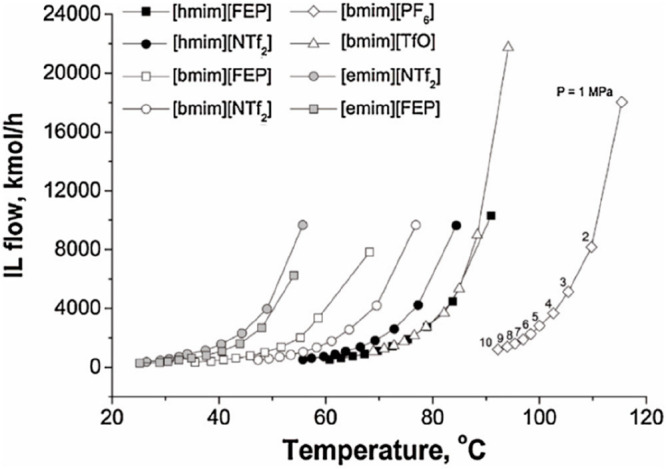 Figure 6
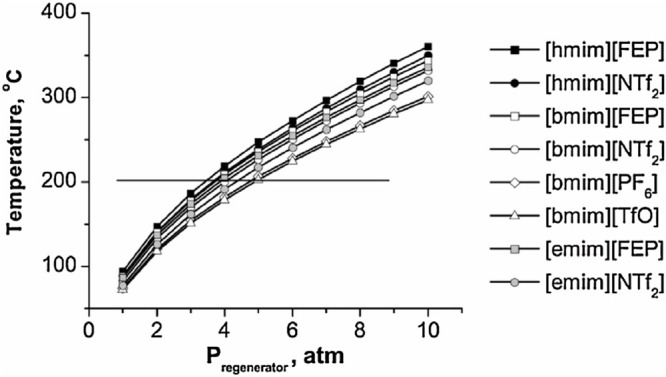 Figure 7
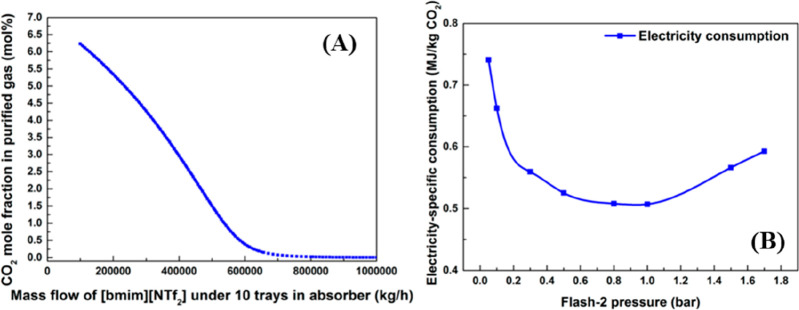 Figure 8
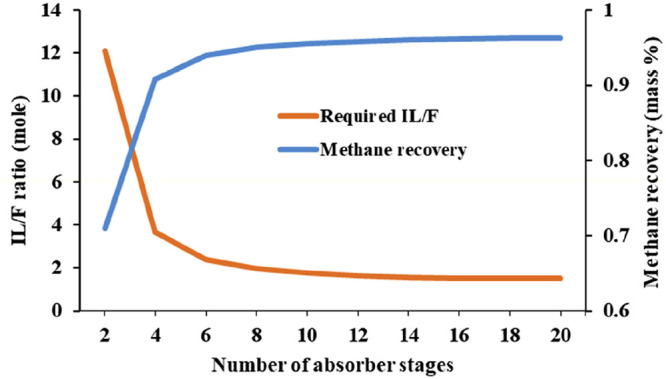 Figure 9
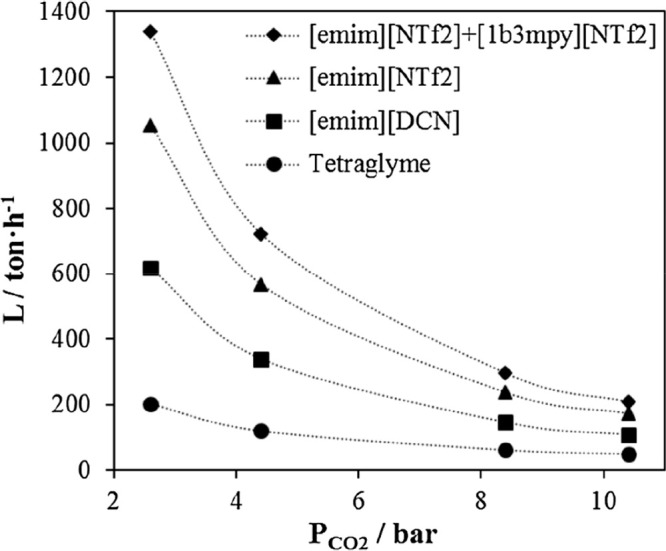 Figure 10
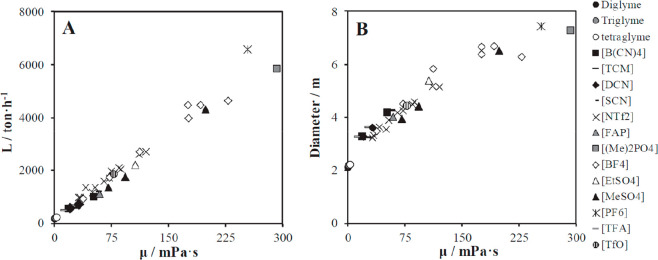 Figure 11
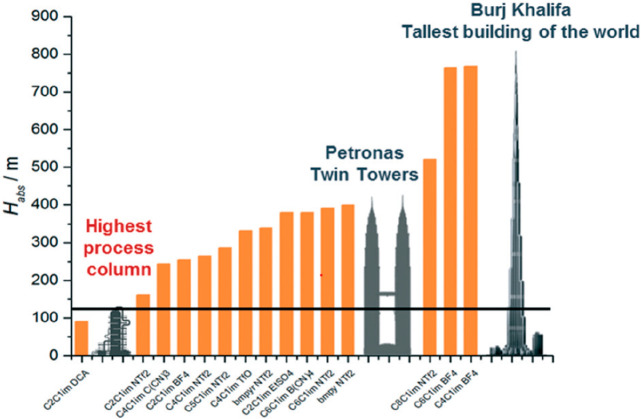 Figure 12
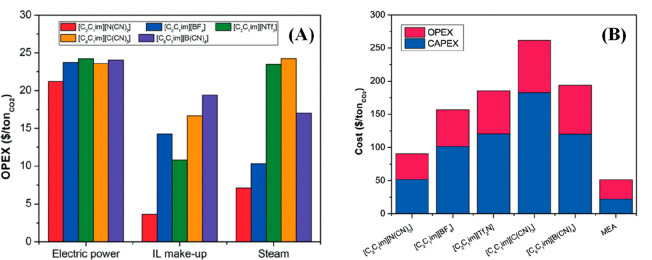 Figure 13
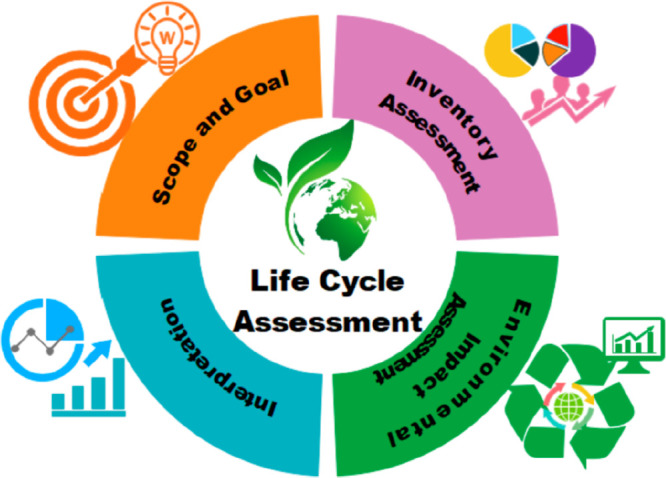 Figure 14
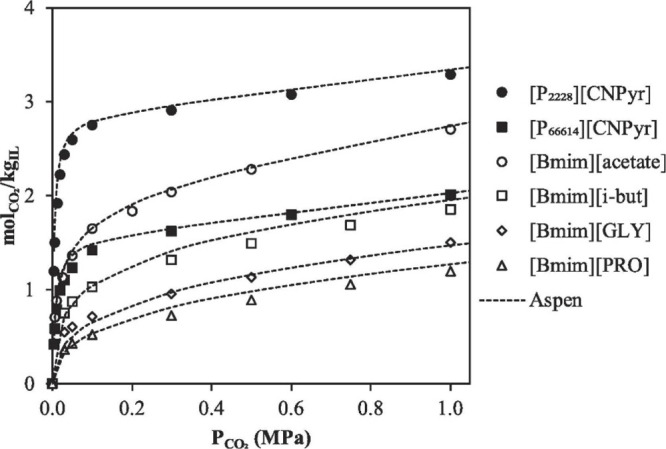 Figure 15
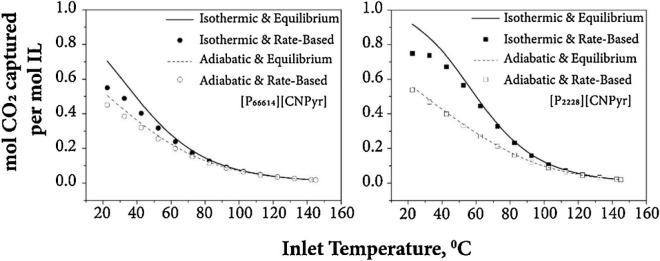 Figure 16
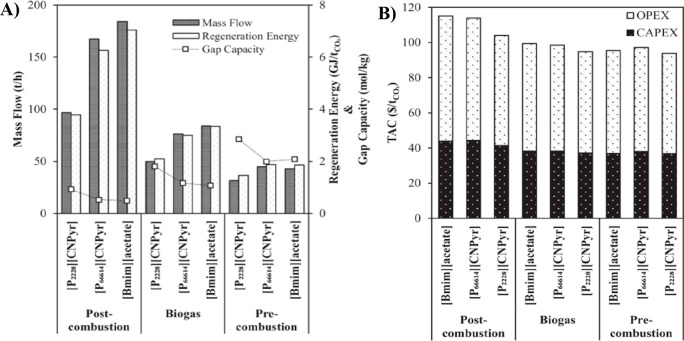 Figure 17
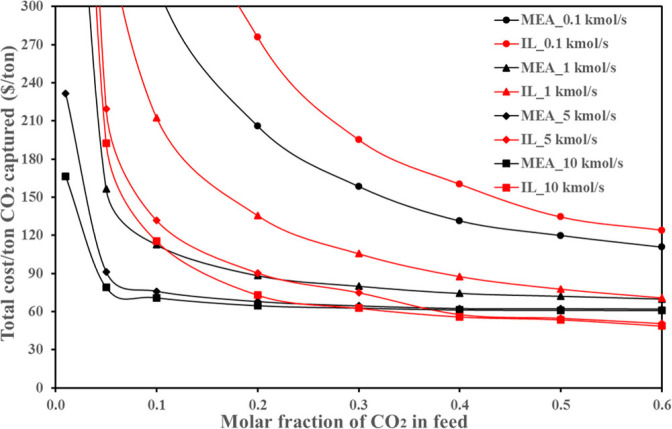 Figure 18
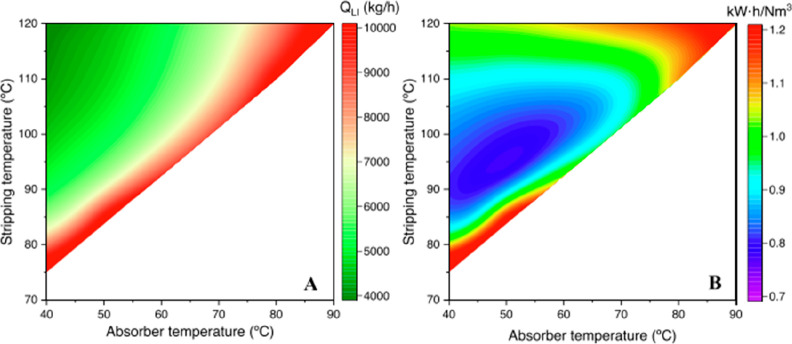 Figure 19
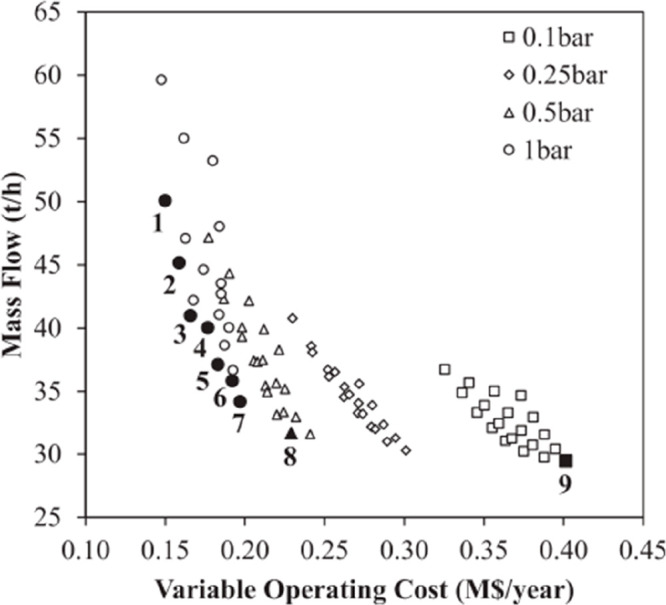 Figure 20
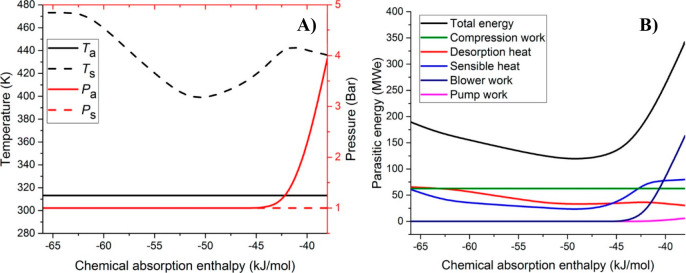 Figure 21
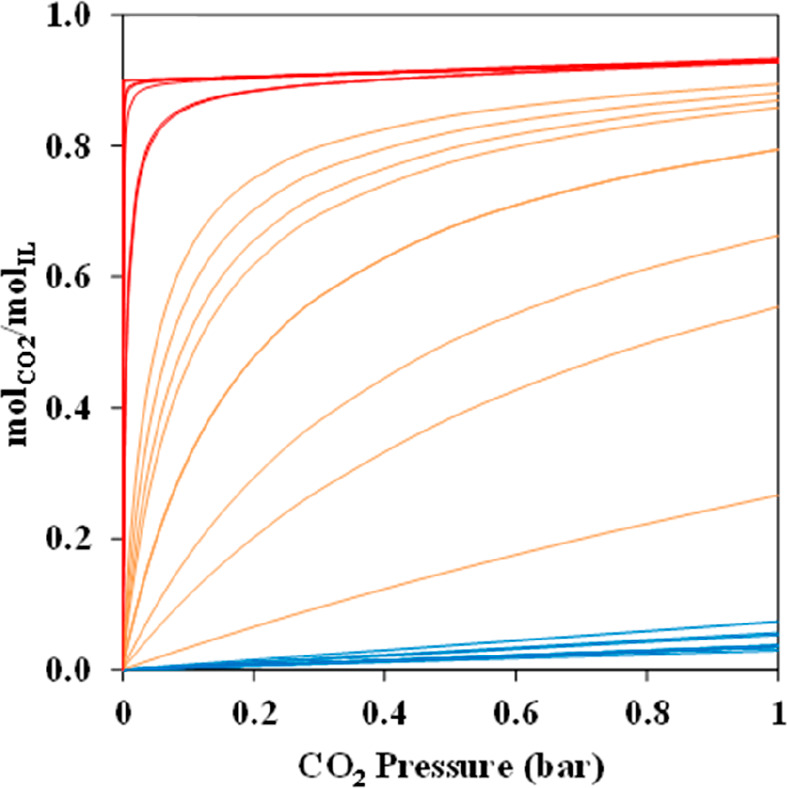 Figure 22
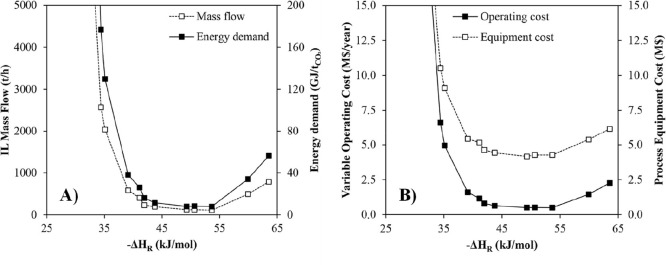 Figure 23
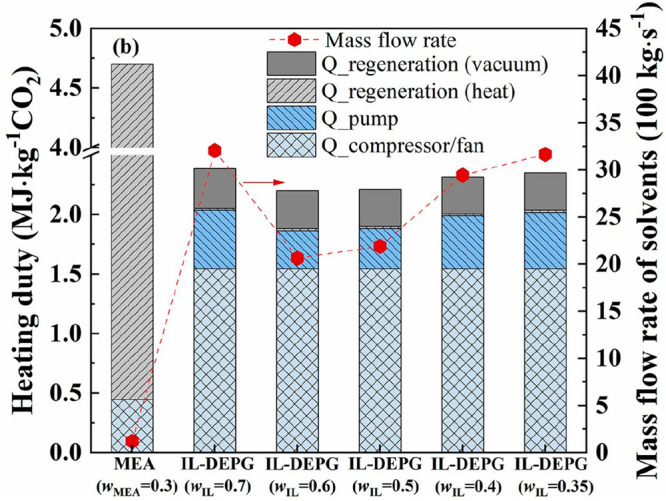 Figure 24
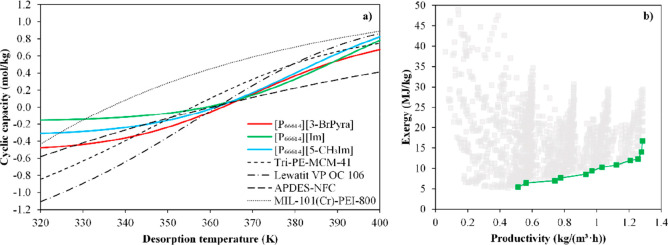 Figure 25
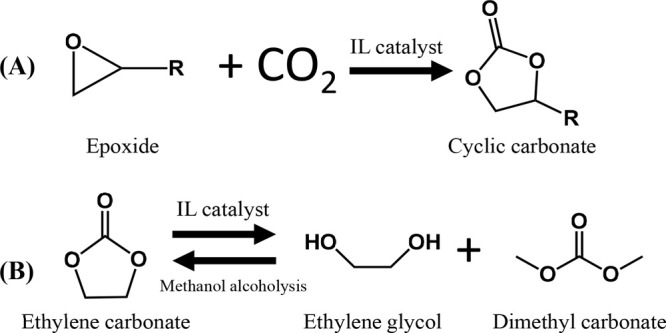 Figure 26
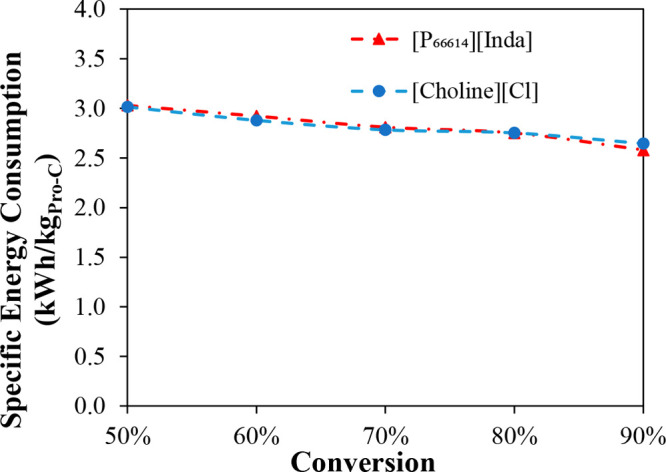 Figure 27
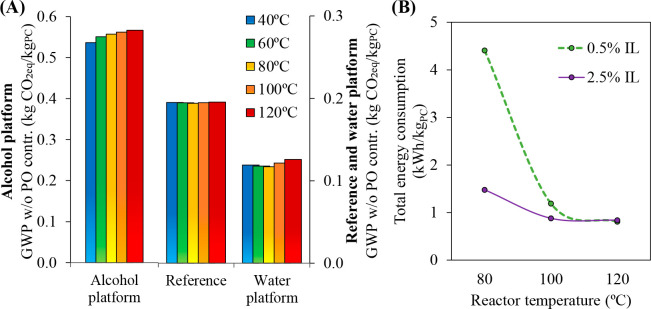 Figure 28
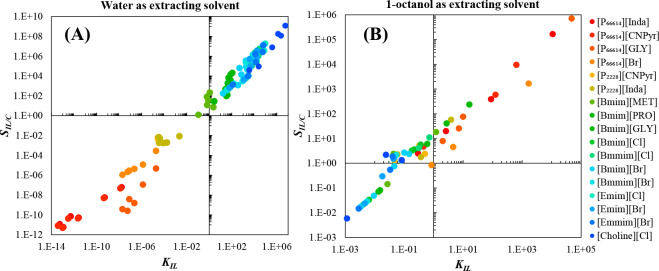 Figure 29
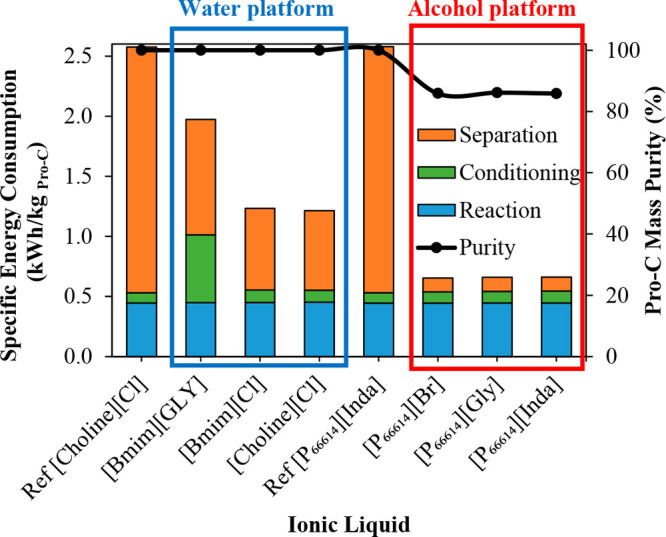 Figure 30
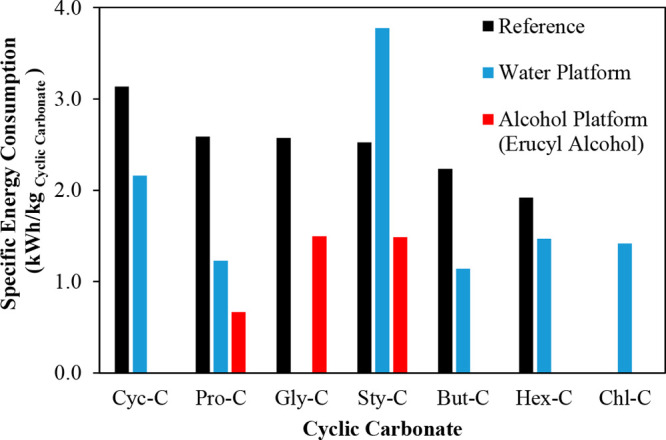 Figure 31
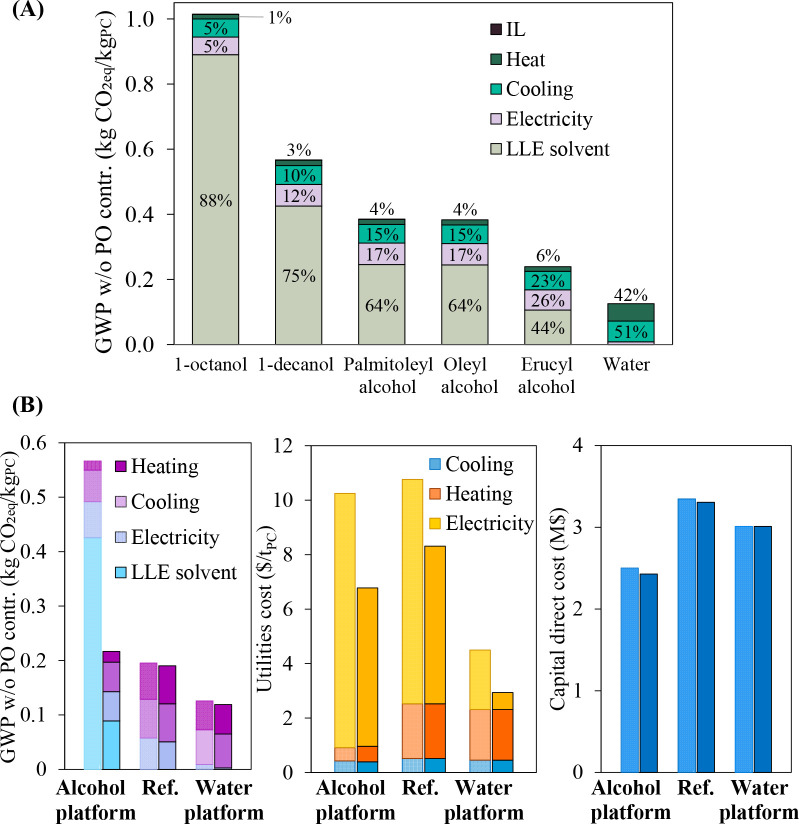 Figure 32
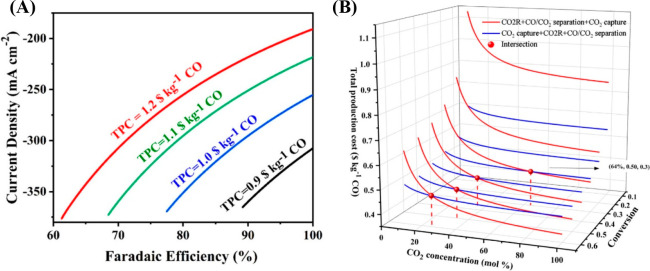 Figure 33
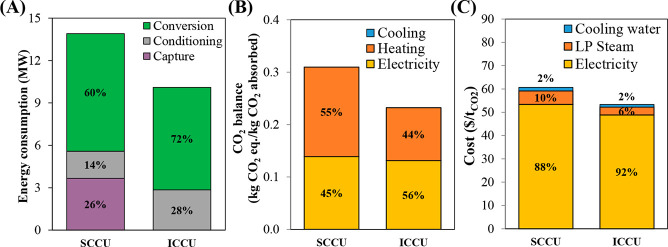 Figure 34
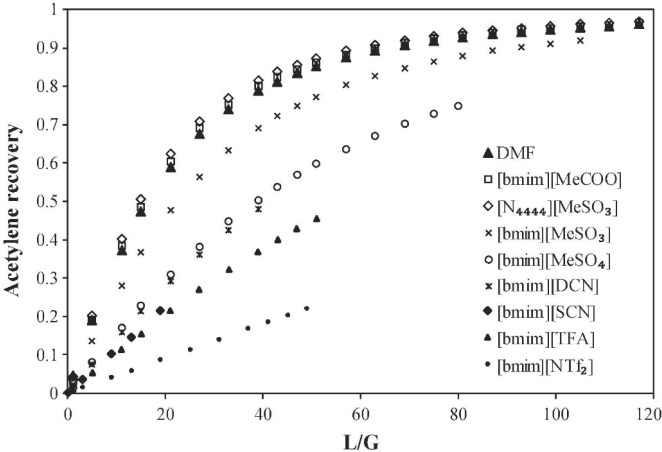 Figure 35
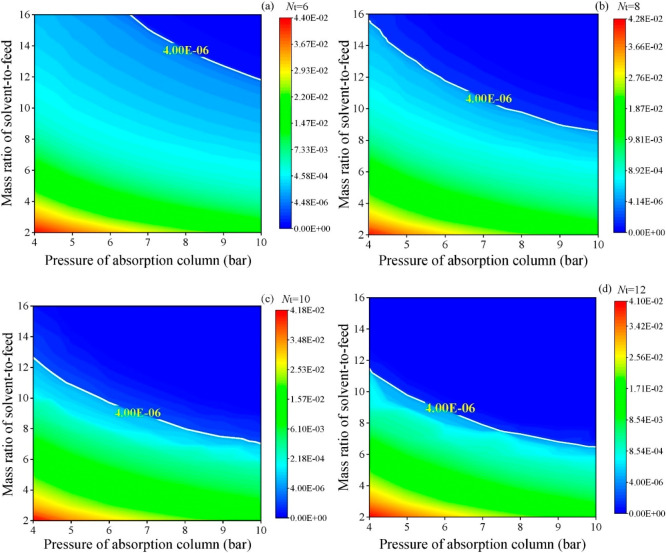 Figure 36
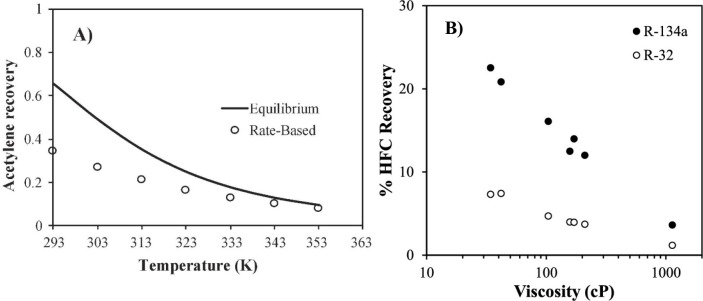 Figure 37
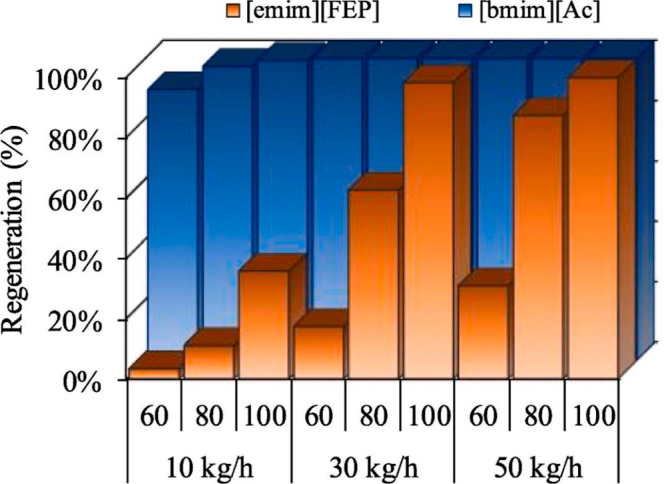 Figure 38
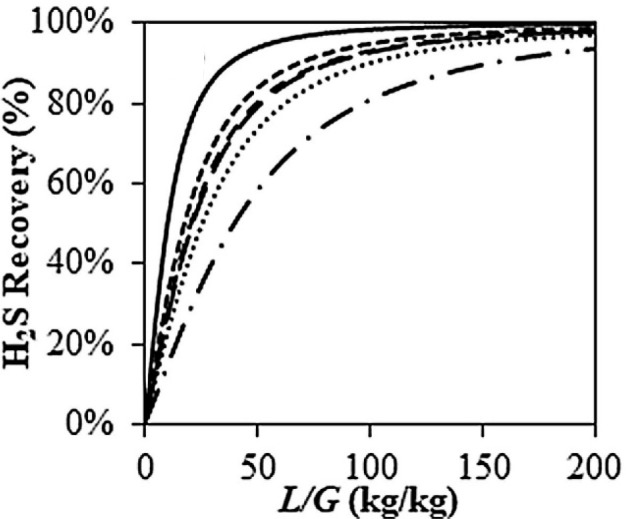 Figure 39
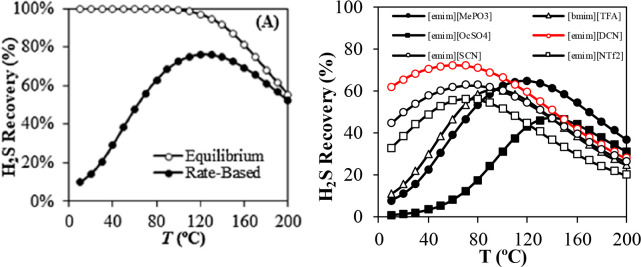 Figure 40
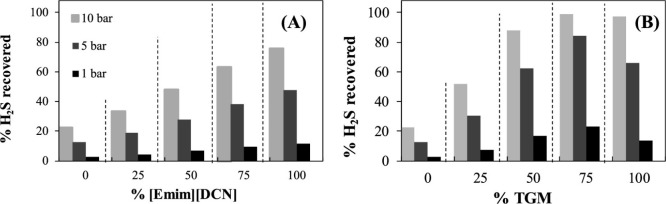 Figure 41
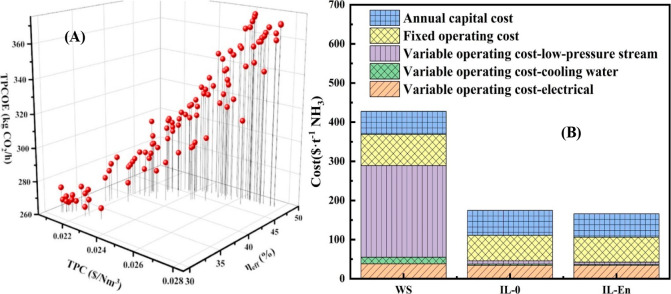 Figure 42
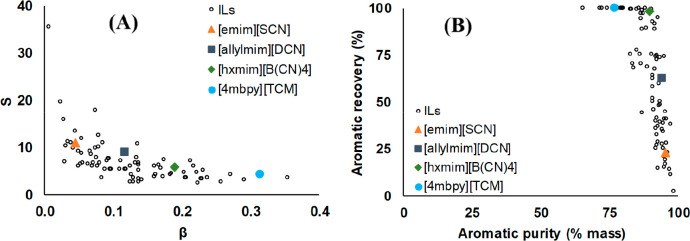 Figure 43
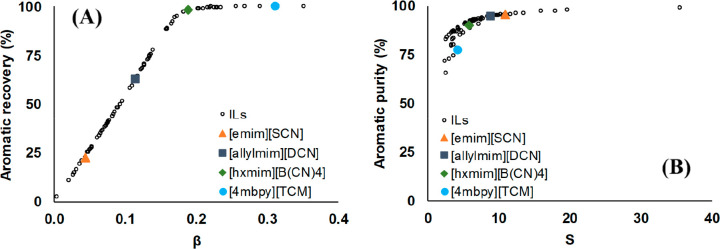 Figure 44
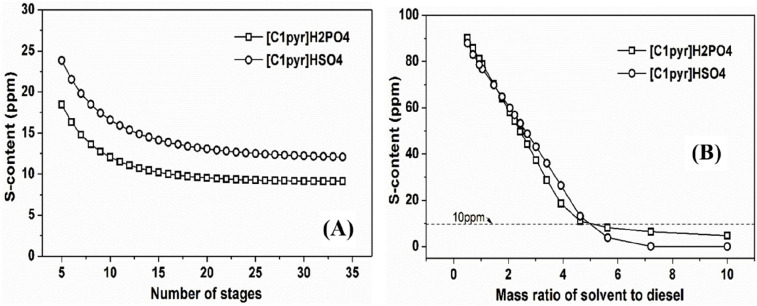 Figure 45
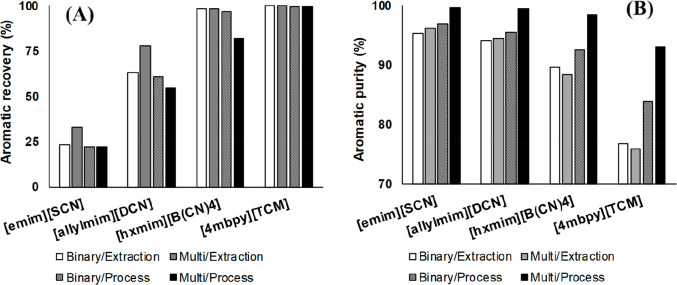 Figure 46
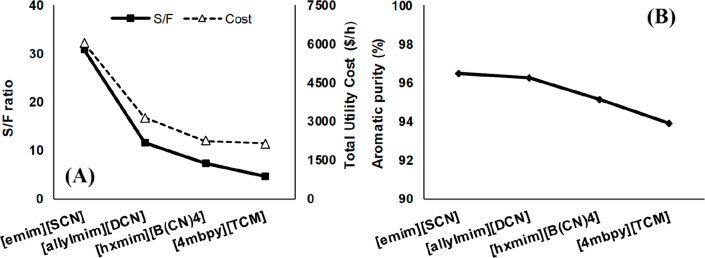 Figure 47
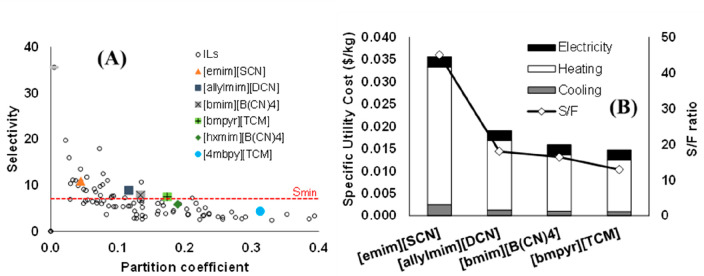 Figure 48
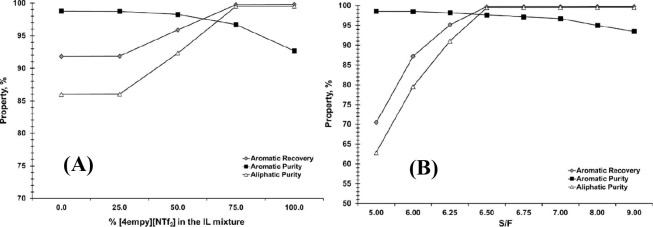 Figure 49
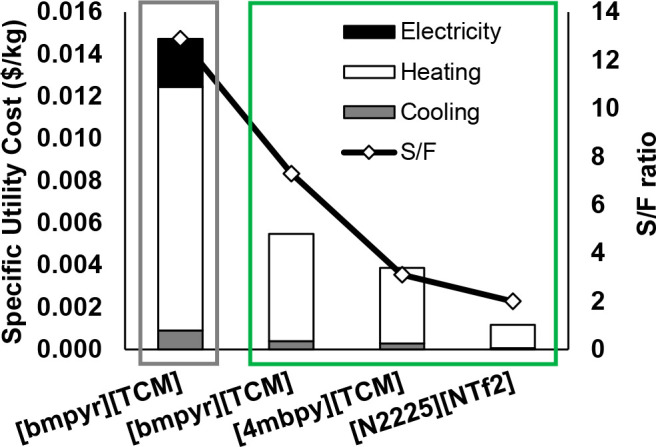 Figure 50
Peer Reviews
No public reviews on file for this paper yet. If you reviewed it on a platform where reviews are public (OpenReview, ICLR, NeurIPS, ICML), you can paste yours below so the community can read it here.
Videos
No videos yet. Explain this paper in a talk, walkthrough, or lecture? Add one.
Taxonomy
TopicsSocial Sciences and Policies