A Bayesian Bernoulli-Exponential joint model for binary longitudinal outcomes and informative time with applications to bladder cancer recurrence data
Michael Safo Oduro

TL;DR
The paper introduces a new Bayesian model to analyze binary health outcomes and irregular visit times, showing it works well for bladder cancer recurrence data.
Contribution
A novel Bayesian Bernoulli-Exponential joint model is proposed for binary longitudinal outcomes and informative visit times.
Findings
The model converges well in simulations for small to medium sample sizes with less varying time sequences.
It performs better in larger samples when time sequences are less variable.
Application to bladder cancer data showed prior recurrence significantly affects future recurrence probability.
Abstract
A variety of methods exist for the analysis of longitudinal data, many of which are characterized with the assumption of fixed visit time points for study individuals. This, however is not always a tenable assumption. Phenomenon that alter subject visit patterns such as adverse events due to investigative treatment administered, travel or any other emergencies may result in unbalanced data and varying individual visit time points. Visit times can be considered informative, because subsequent or current subject outcomes can change or be adapted due to previous subject outcomes. In this paper, a Bayesian Bernoulli-Exponential model for analyzing joint binary outcomes and exponentially distributed informative visit times is developed. Via statistical simulations, the influence of controlled variations in visit patterns, prior and sample size schemes on model performance is assessed. As an…
Genes, proteins, chemicals, diseases, species, mutations and cell lines named across the full text — each resolved to its canonical identifier and authoritative record.
Click any figure to enlarge with its caption.
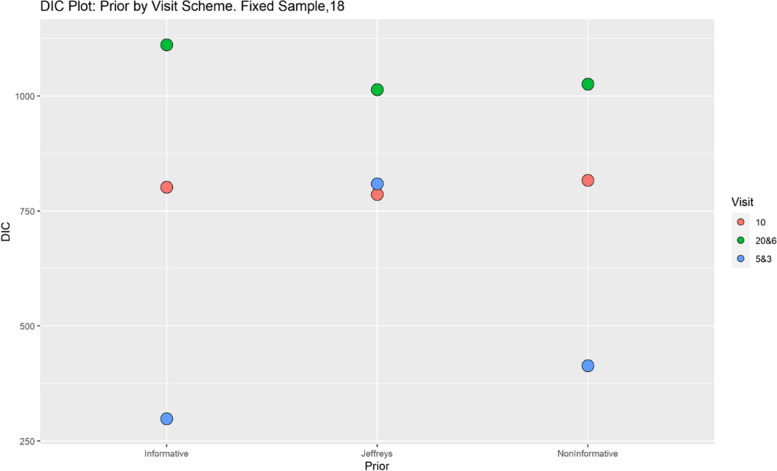 Figure 1
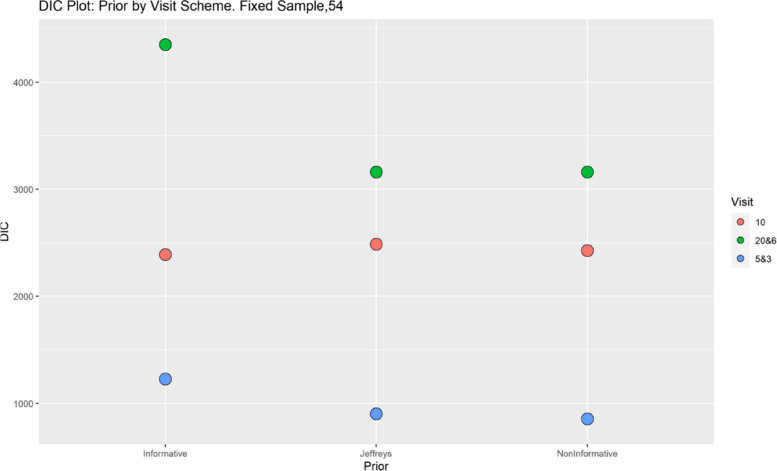 Figure 2
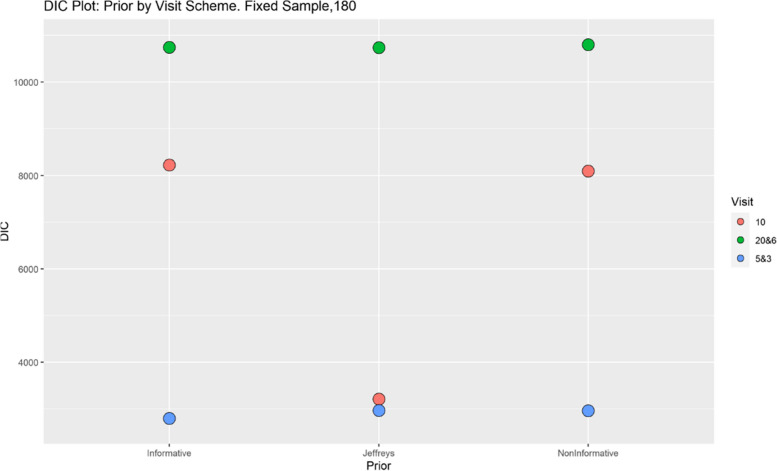 Figure 3
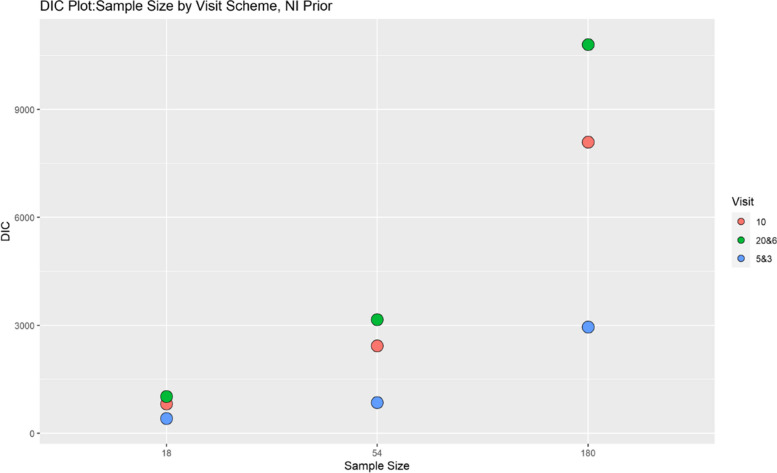 Figure 4
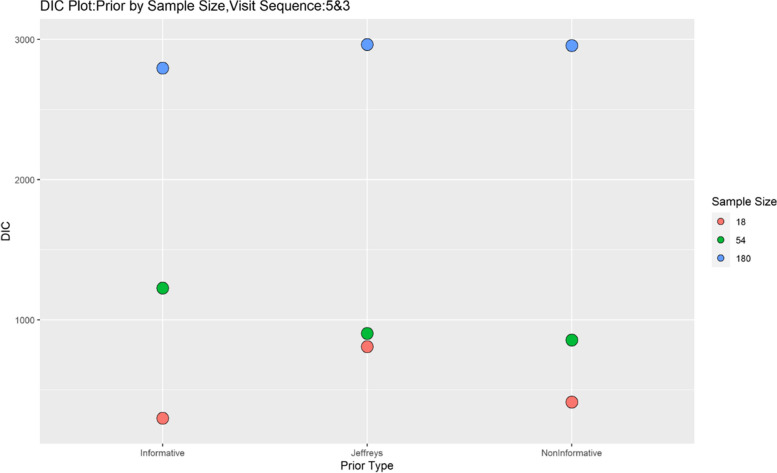 Figure 5
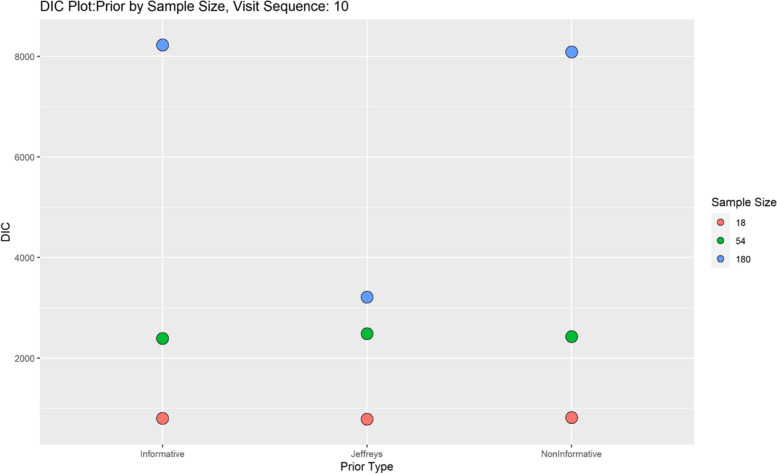 Figure 6
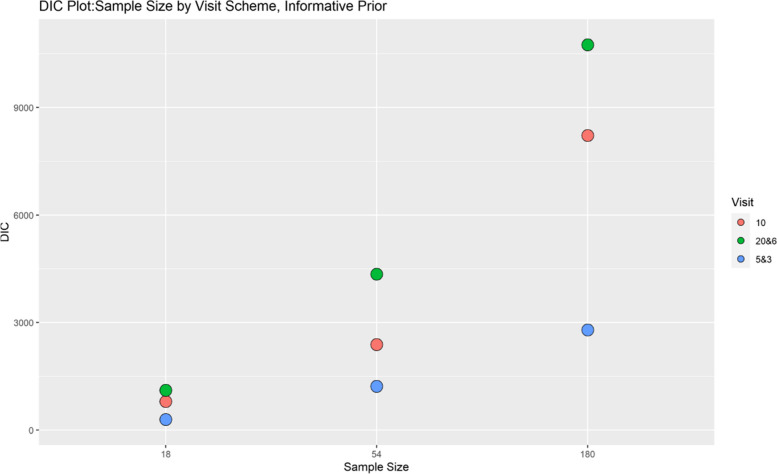 Figure 7
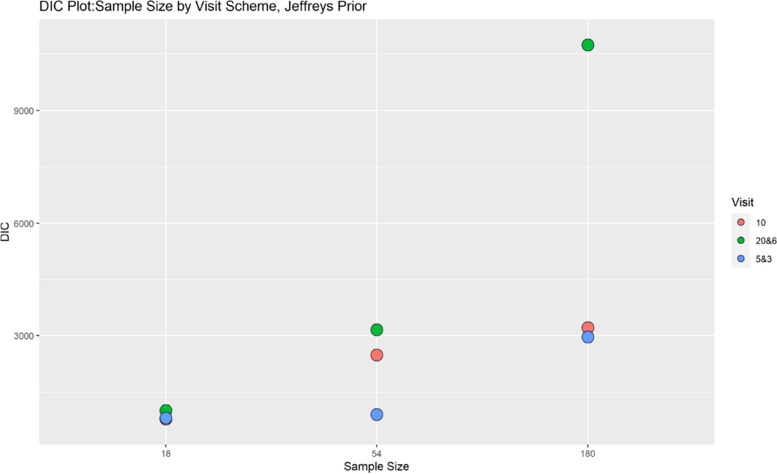 Figure 8
Peer Reviews
No public reviews on file for this paper yet. If you reviewed it on a platform where reviews are public (OpenReview, ICLR, NeurIPS, ICML), you can paste yours below so the community can read it here.
Videos
No videos yet. Explain this paper in a talk, walkthrough, or lecture? Add one.
Taxonomy
TopicsStatistical Methods and Inference · Statistical Methods and Bayesian Inference · Bayesian Methods and Mixture Models