Individually optimized estimation of energy expenditure in rescue workers using a tri-axial accelerometer and heart rate monitor
Hitomi Ogata, Yutaro Negishi, Nao Koizumi, Hisashi Nagayama, Miki Kaneko, Ken Kiyono, Naomi Omi

TL;DR
This study improves energy expenditure estimation for rescue workers using wearable devices, helping manage food and health during disaster relief.
Contribution
A new individually optimized method for estimating energy expenditure using tri-axial accelerometers and heart rate data in heavy-load physical labor.
Findings
Combining accelerometer and HR data increased energy expenditure estimates by 133-143% compared to using accelerometers alone.
The method was tested on 27 rescue workers during simulated operations over two days.
The approach can improve nutrition and healthcare management in disaster relief scenarios.
Abstract
Objectives: This study aimed to provide an improved energy expenditure estimation for heavy-load physical labor using accelerometer data and heart rate (HR) measured by wearables and to support food preparation and supply management for disaster relief and rescue operations as an expedition team. Methods: To achieve an individually optimized estimation for energy expenditure, a model equation parameter was determined based on the measurements of physical activity and HR during simulated rescue operations. The metabolic equivalent of task (MET), which was measured by using a tri-axial accelerometer and individual HR, was used, where two (minimum and maximum) or three (minimum, intermediate, and maximum) representative reference points were selected for each individual model fitting. In demonstrating the applicability of our approach in a realistic situation, accelerometer-based METs and…
Genes, proteins, chemicals, diseases, species, mutations and cell lines named across the full text — each resolved to its canonical identifier and authoritative record.
Click any figure to enlarge with its caption.
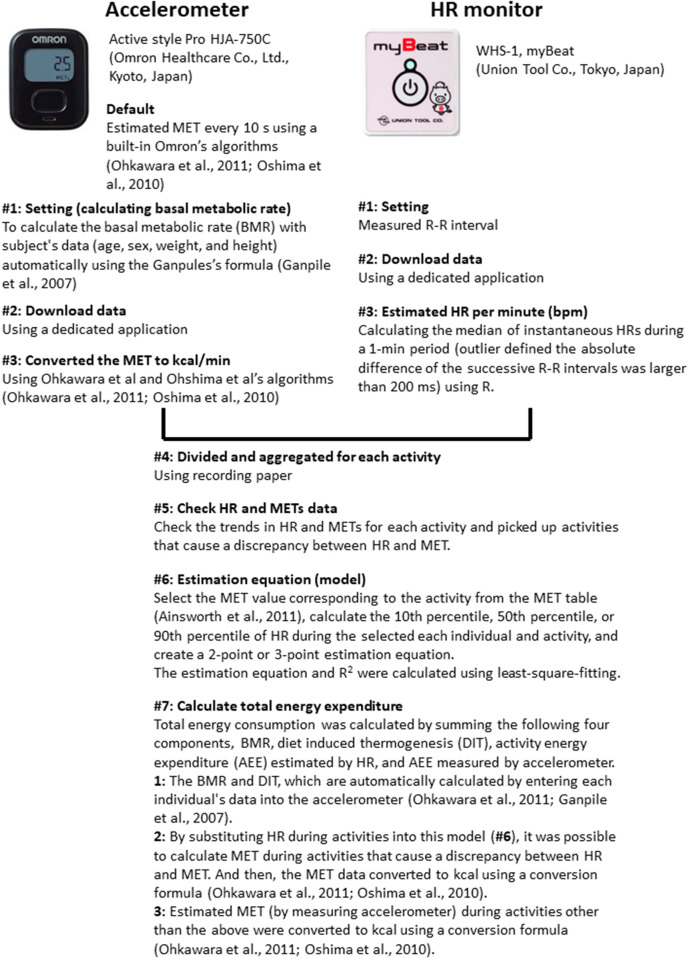 Figure 1
 Figure 2
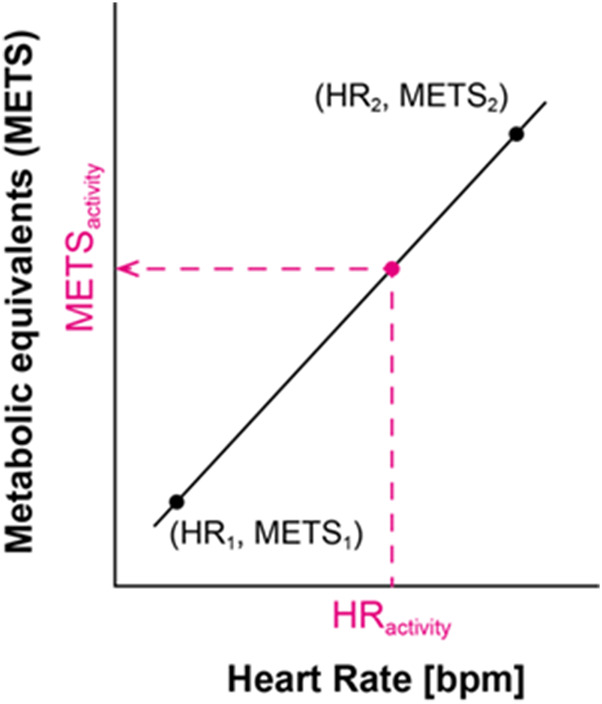 Figure 3
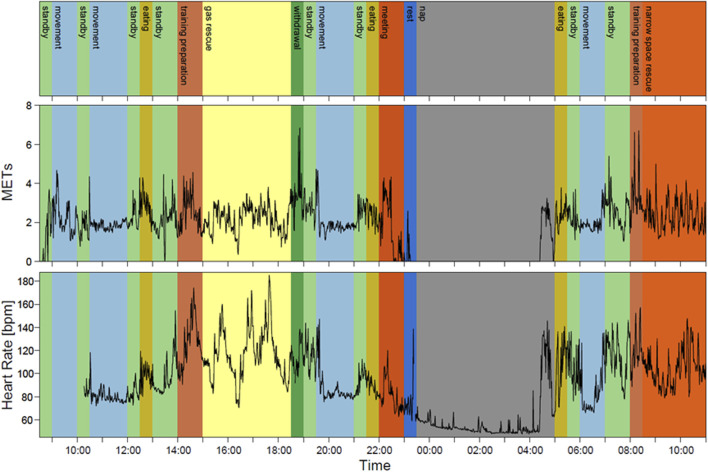 Figure 4
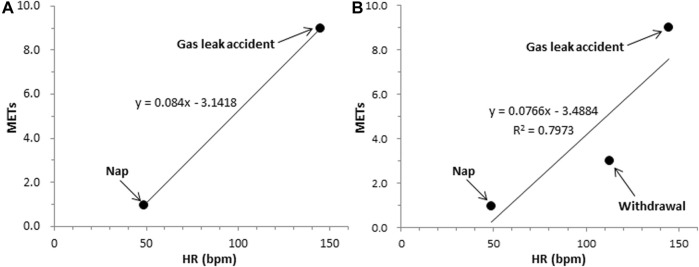 Figure 5
Peer Reviews
No public reviews on file for this paper yet. If you reviewed it on a platform where reviews are public (OpenReview, ICLR, NeurIPS, ICML), you can paste yours below so the community can read it here.
Videos
No videos yet. Explain this paper in a talk, walkthrough, or lecture? Add one.
Taxonomy
TopicsForeign Language Teaching Methods · Educational Methods and Teacher Development · Psycholinguistics and Behavioral Studies