Reactions of hypobromous acid with dimethyl selenide, dimethyl diselenide and other organic selenium compounds: kinetics and product formation
Emanuel Müller, Urs von Gunten, Julie Tolu, Sylvain Bouchet, Lenny H. E. Winkel

TL;DR
This study examines how different organic selenium compounds react with hypobromous acid, finding that selenomethionine reacts very quickly.
Contribution
The study reports new kinetic data on the reactivity of various organic selenium compounds with HOBr, highlighting selenomethionine's significant reactivity.
Findings
Selenomethionine (SeMet) has a high reactivity with HOBr, suggesting it may act as a quencher of HOBr.
Dimethyl selenide (DMSe) reacts with HOBr but less rapidly than dimethyl sulfide (DMS), making it less relevant for marine DMSe abatement.
Phenyl-selenides like diphenyl diselenide (DPDSe) also show significant reactivity with HOBr.
Abstract
Selenium (Se) is an essential micronutrient for many living organisms particularly due to its unique redox properties. We recently found that the sulfur (S) analog for dimethyl selenide (DMSe), i.e. dimethyl sulfide (DMS), reacts fast with the marine oxidant hypobromous acid (HOBr) which likely serves as a sink of marine DMS. Here we investigated the reactivity of HOBr with dimethyl selenide and dimethyl diselenide (DMDSe), which are the main volatile Se compounds biogenically produced in marine waters. In addition, the reactivity of HOBr with further organic Se compounds was tested, i.e., SeMet (as N-acetylated-SeMet), and selenocystine (SeCys2 as N-acetylated-SeCys2), as well as the phenyl-analogs of DMSe and DMDSe, respectively, diphenyl selenide (DPSe) and diphenyl diselenide (DPDSe). Apparent second-order rate constants at pH 8 for the reactions of HOBr with the studied Se…
Genes, proteins, chemicals, diseases, species, mutations and cell lines named across the full text — each resolved to its canonical identifier and authoritative record.
Click any figure to enlarge with its caption.
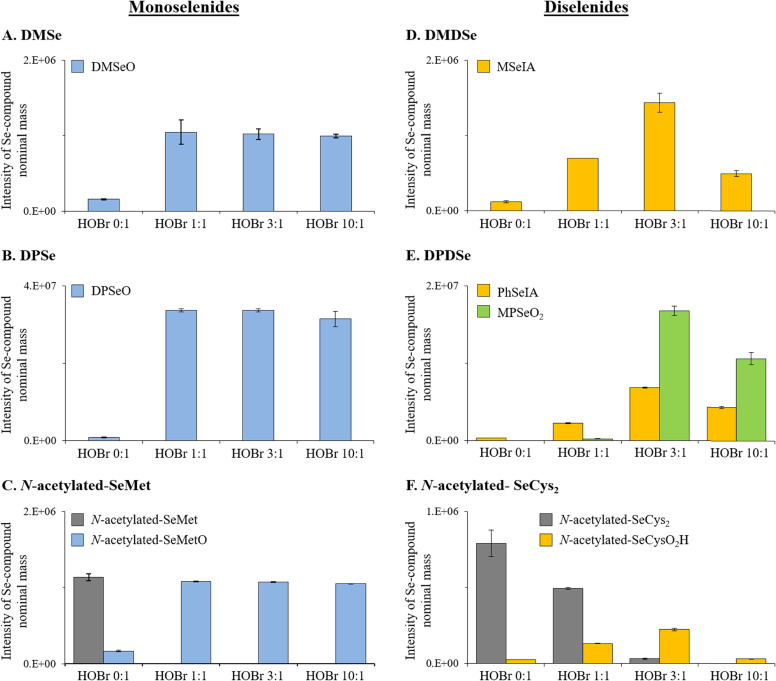 Figure 1
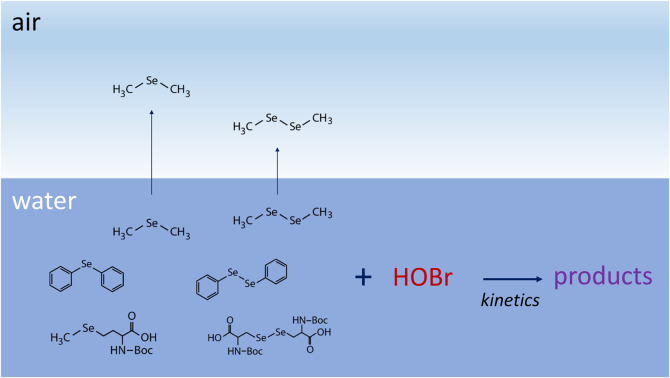 Figure 2
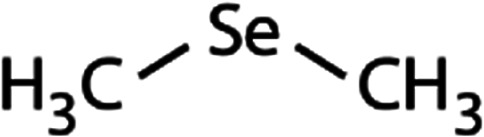 Figure 3
 Figure 4
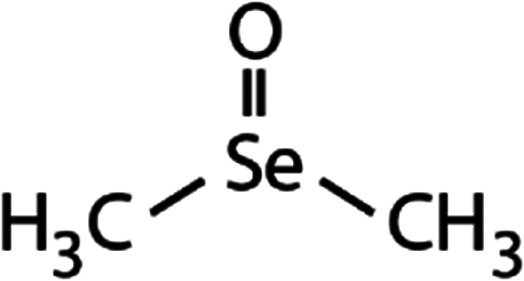 Figure 5
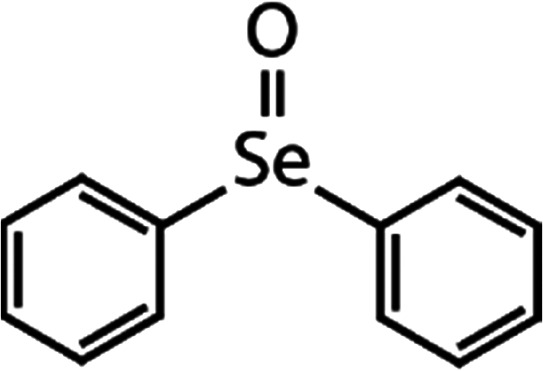 Figure 6
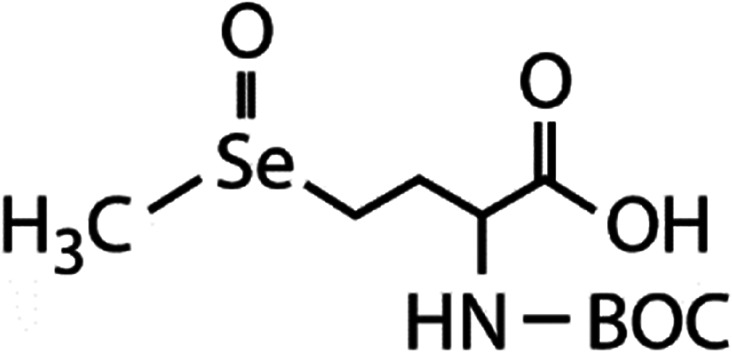 Figure 7
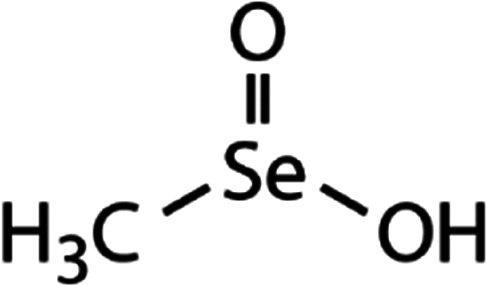 Figure 8
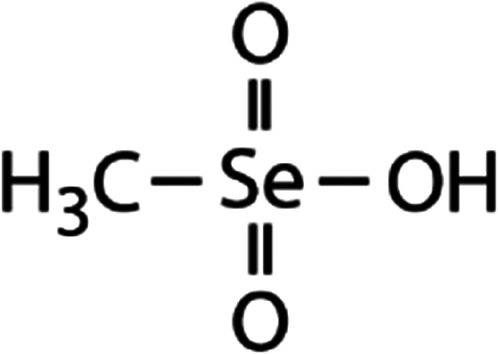 Figure 9
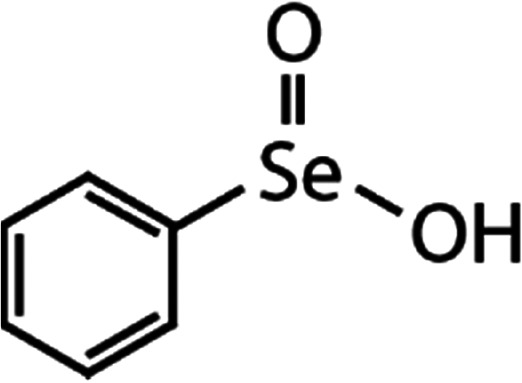 Figure 10
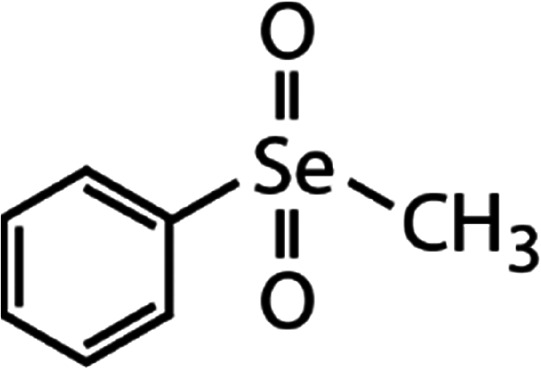 Figure 11
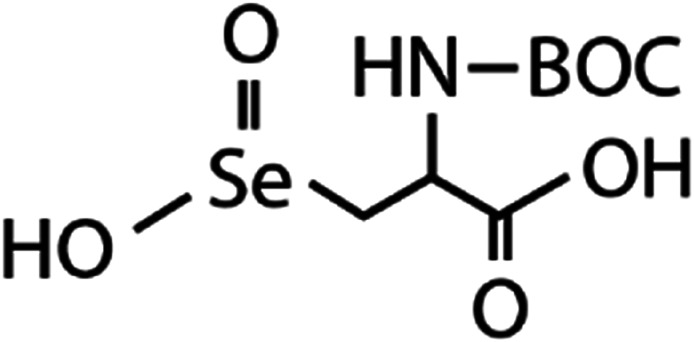 Figure 12
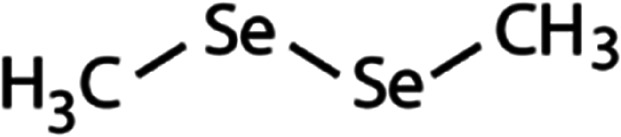 Figure 13
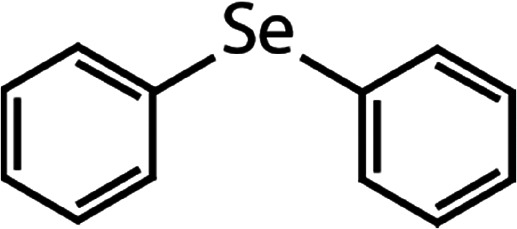 Figure 14
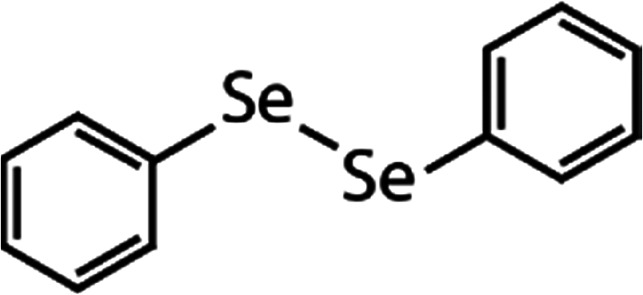 Figure 15
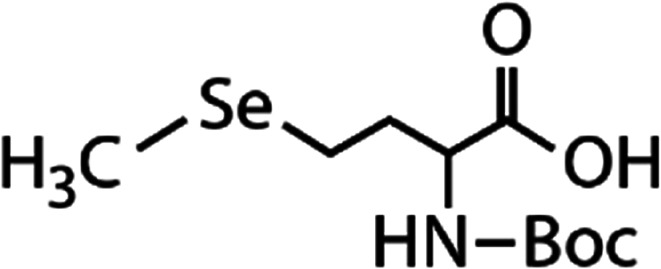 Figure 16
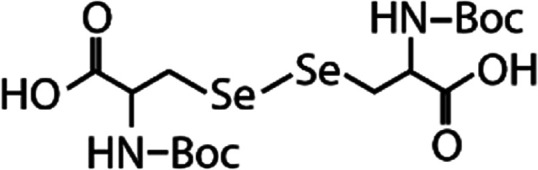 Figure 17
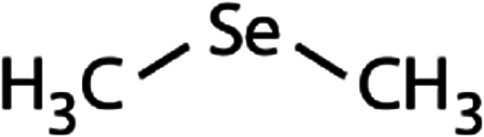 Figure 18
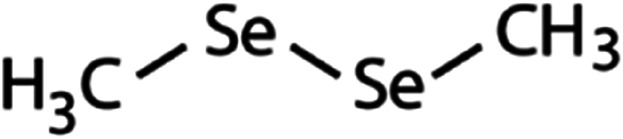 Figure 19
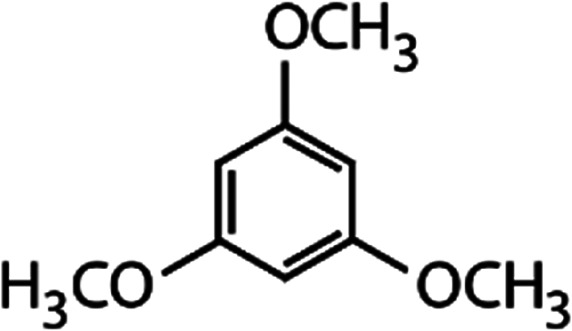 Figure 20
Peer Reviews
No public reviews on file for this paper yet. If you reviewed it on a platform where reviews are public (OpenReview, ICLR, NeurIPS, ICML), you can paste yours below so the community can read it here.
Videos
No videos yet. Explain this paper in a talk, walkthrough, or lecture? Add one.
Taxonomy
TopicsSelenium in Biological Systems · Organoselenium and organotellurium chemistry · Sulfur Compounds in Biology