Carotid Blood Flow as a Surrogate for Pulse Contour Analysis in Assessment of Fluid Responsiveness: A Prospective, Observational, Single-Centre Study (Contour Study)
Anirban Karmarkar, Divya Pal, Deepak Govil, Sweta J Patel, Jagadeesh KN, Rahul Harne, Anant Vikram Pachisia, Pooja Tyagi, Devireddy Madhav Reddy, Keerti Brar

TL;DR
This study compares carotid blood flow and pulse contour analysis for measuring cardiac output in post-surgery patients to assess fluid responsiveness.
Contribution
The study demonstrates that carotid blood flow can serve as a non-invasive surrogate for pulse contour analysis in predicting fluid responsiveness.
Findings
Carotid blood flow measurements showed significant changes pre- and post-fluid bolus administration.
There was a strong positive correlation between pulse contour analysis and carotid blood flow measurements of cardiac output.
Both methods showed significant increases in cardiac output after passive leg raise and fluid administration.
Abstract
Background and objectives The quest for an accurate and reliable non-invasive method of assessing cardiac output in critically ill patients is still ongoing. Carotid artery Doppler is a promising non-invasive, reproducible, and feasible bedside monitor. So we compared the change in cardiac output derived from arterial pressure waveforms (pulse contour analysis) with that from carotid artery Doppler-derived measurements, in post-major elective abdominal surgery patients. Materials and methods We conducted a prospective observational study in 30 adult post-major elective abdominal surgery patients admitted to the Gastroenterology and Liver Transplant intensive care unit postoperatively on mechanical ventilator support, who were found to be fluid responsive clinically on passive leg raise (PLR) test. Demographics and vasopressor support were recorded. Hemodynamic parameters including…
Genes, proteins, chemicals, diseases, species, mutations and cell lines named across the full text — each resolved to its canonical identifier and authoritative record.
Click any figure to enlarge with its caption.
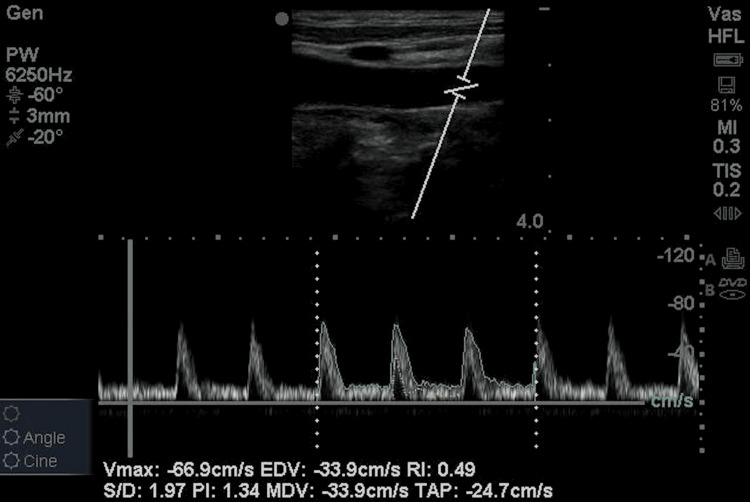 Figure 1
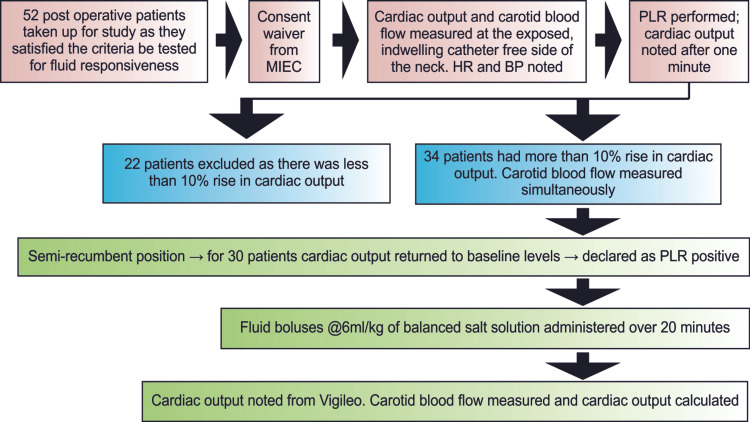 Figure 2
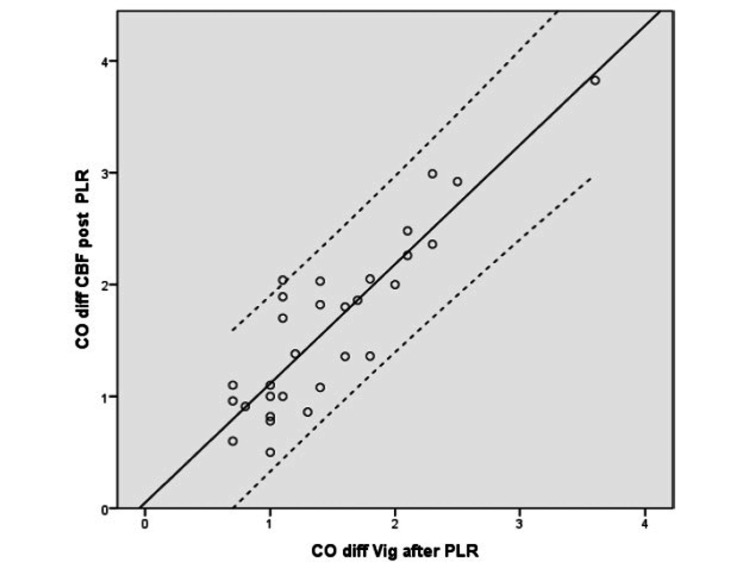 Figure 3
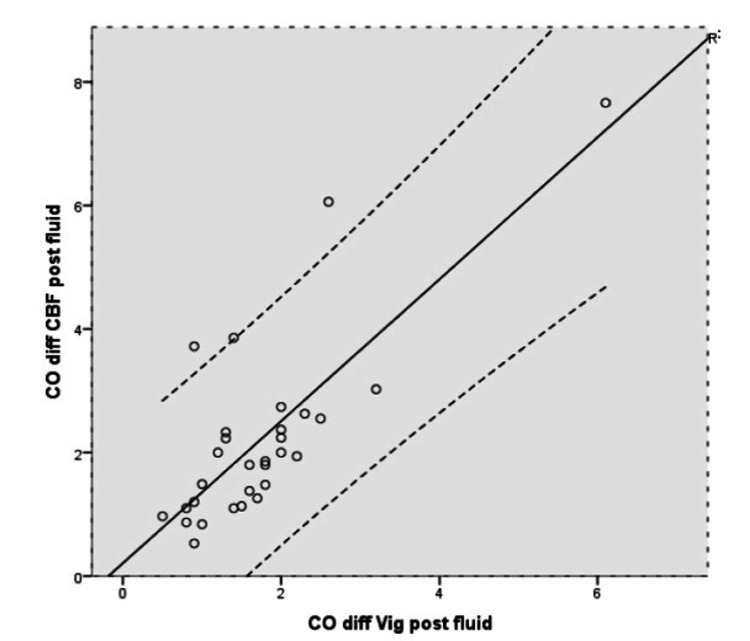 Figure 4
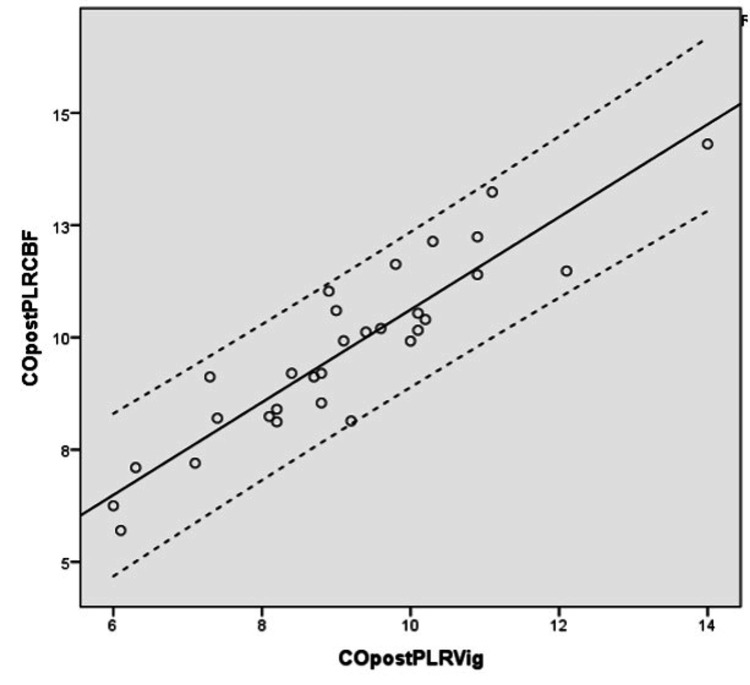 Figure 5
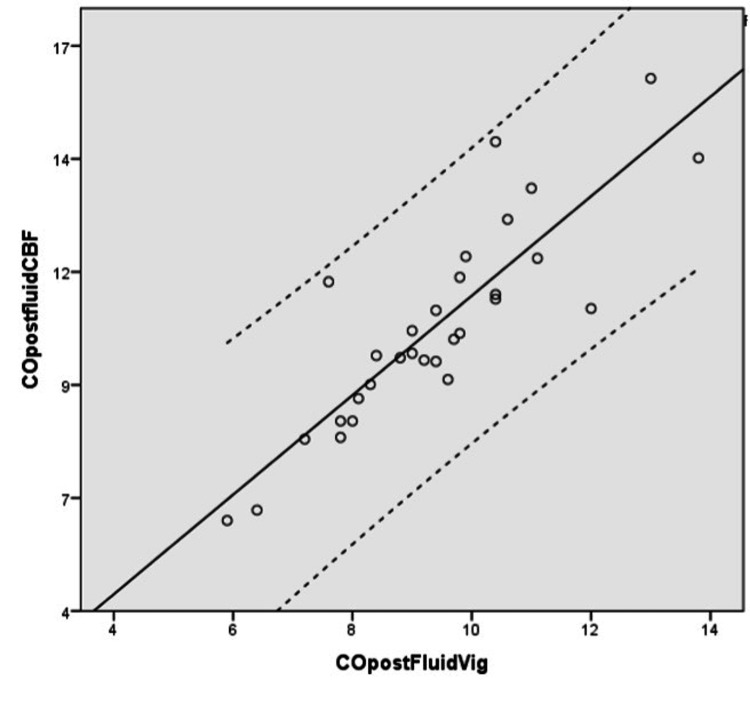 Figure 6
Peer Reviews
No public reviews on file for this paper yet. If you reviewed it on a platform where reviews are public (OpenReview, ICLR, NeurIPS, ICML), you can paste yours below so the community can read it here.
Videos
No videos yet. Explain this paper in a talk, walkthrough, or lecture? Add one.
Taxonomy
TopicsHemodynamic Monitoring and Therapy · Cardiovascular Health and Disease Prevention · Blood Pressure and Hypertension Studies