Wellbeing Impact Study of High-Speed 2 (WISH2): Protocol for a mixed-methods examination of the impact of major transport infrastructure development on mental health and wellbeing
Katherine I. Morley, Lucy Hocking, Catherine L. Saunders, Jennifer W. Bousfield, Jennifer Bostock, James Brimicombe, Thomas Burgoine, Jessica Dawney, Joanna Hofman, Daniel Lee, Roger Mackett, William Phillips, Jon Sussex, Stephen Morris, Marianne Clemence, Marianne Clemence

TL;DR
This study examines how building a high-speed rail in the UK affects mental health and wellbeing over 10 years, using surveys, interviews, and health data.
Contribution
The study introduces a comprehensive, mixed-methods approach to assess mental health and wellbeing impacts of transport infrastructure across different development stages and population groups.
Findings
The study will track mental health changes in populations near the high-speed rail development over a decade.
It will explore how different stages of infrastructure development affect mental health differently across communities.
Findings will inform strategies to mitigate negative mental health impacts of large-scale transport projects.
Abstract
Although research has demonstrated that transport infrastructure development can have positive and negative health-related impacts, most of this research has not considered mental health and wellbeing separately from physical health. There is also limited understanding of whether and how any effects might be experienced differently across population groups, whether this differs according to the stage of development (e.g. planning, construction), and how changes to planned infrastructure may affect mental health and wellbeing. This paper presents a protocol for the Wellbeing Impact Study of HS2 (WISH2), which seeks to address these questions using a high-speed rail development in the UK as an applied example. WISH2 is a 10-year, integrated, longitudinal, mixed-methods project using general practices (primary medical care providers in the UK) as an avenue for participant recruitment and…
Genes, proteins, chemicals, diseases, species, mutations and cell lines named across the full text — each resolved to its canonical identifier and authoritative record.
Click any figure to enlarge with its caption.
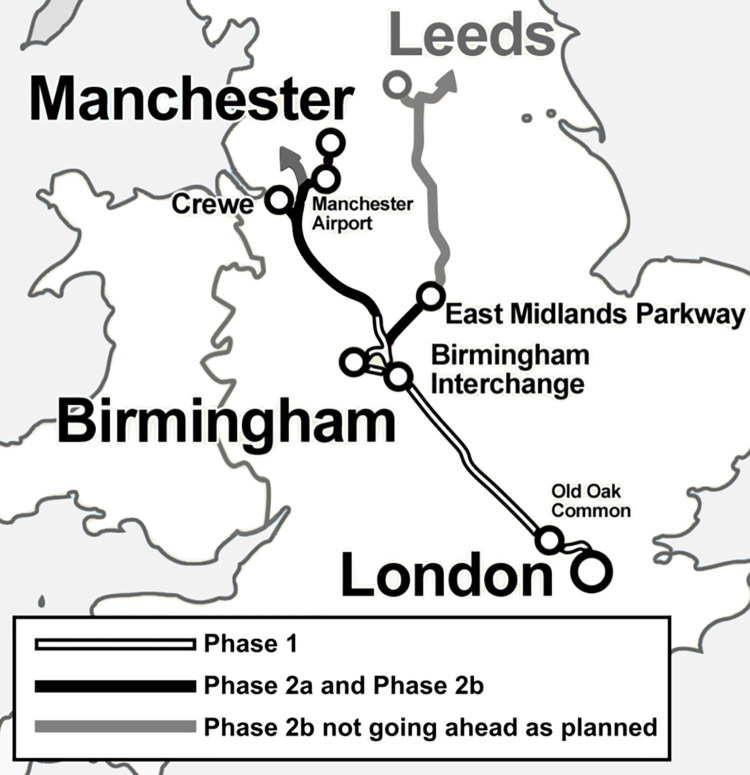 Figure 1
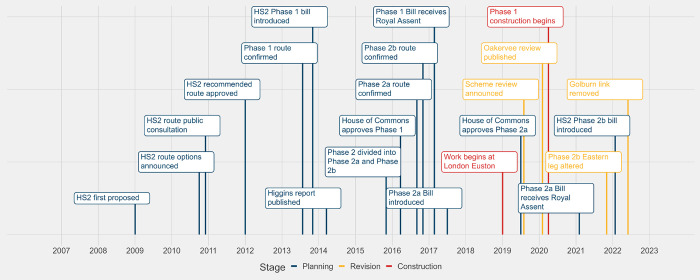 Figure 2
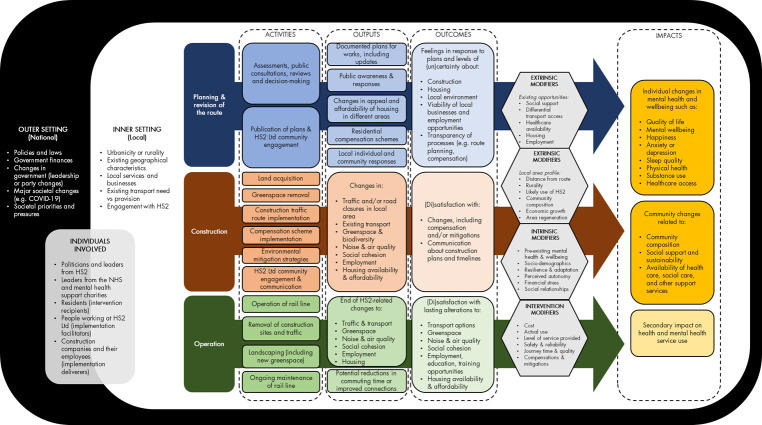 Figure 3
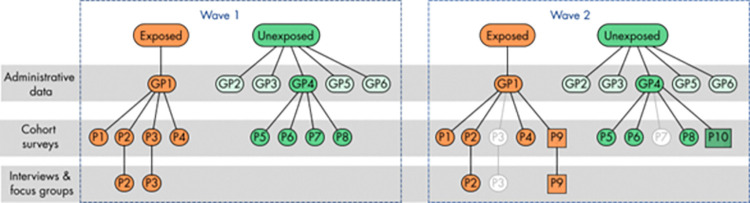 Figure 4
 Figure 5
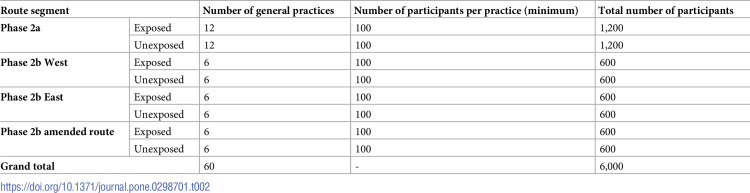 Figure 6
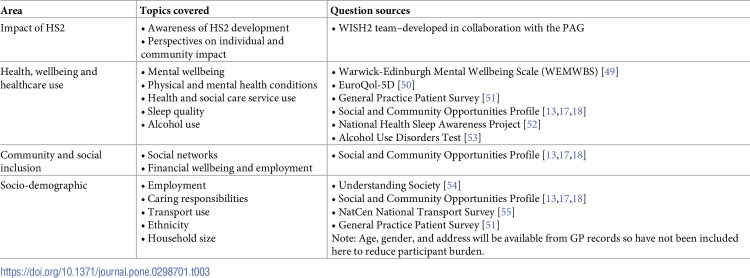 Figure 7
Peer Reviews
No public reviews on file for this paper yet. If you reviewed it on a platform where reviews are public (OpenReview, ICLR, NeurIPS, ICML), you can paste yours below so the community can read it here.
Videos
No videos yet. Explain this paper in a talk, walkthrough, or lecture? Add one.
Taxonomy
TopicsUrban Transport and Accessibility · Health disparities and outcomes · Noise Effects and Management