Who should decide how limited healthcare resources are prioritized? Autonomous technology as a compelling alternative to humans
Jonathan J. Rolison, Peter L. T. Gooding, Riccardo Russo, Kathryn E. Buchanan

TL;DR
The paper explores whether autonomous technology or humans should prioritize limited healthcare resources, finding that people prefer technology when it performs well.
Contribution
The study introduces a novel framework for understanding public perception of autonomous systems in healthcare decision-making.
Findings
Autonomous computer programs are perceived as more bias-free and error-free compared to human staff.
Better performance of autonomous systems can shift public preference toward using them for resource allocation.
Preferences for decision-makers depend on the perceived qualities of agency, emotional experience, bias-free, and error-free.
Abstract
Who should decide how limited resources are prioritized? We ask this question in a healthcare context where patients must be prioritized according to their need and where advances in autonomous artificial intelligence-based technology offer a compelling alternative to decisions by humans. Qualitative (Study 1a; N = 50) and quantitative (Study 1b; N = 800) analysis identified agency, emotional experience, bias-free, and error-free as four main qualities describing people’s perceptions of autonomous computer programs (ACPs) and human staff members (HSMs). Yet, the qualities were not perceived to be possessed equally by HSMs and ACPs. HSMs were endorsed with human qualities of agency and emotional experience, whereas ACPs were perceived as more capable than HSMs of bias- and error-free decision-making. Consequently, better than average (Study 2; N = 371), or relatively better (Studies 3, N…
Genes, proteins, chemicals, diseases, species, mutations and cell lines named across the full text — each resolved to its canonical identifier and authoritative record.
Click any figure to enlarge with its caption.
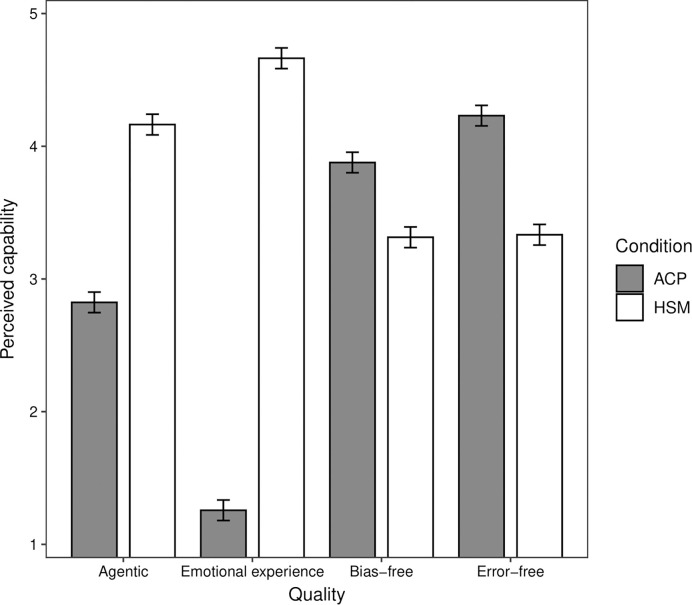 Figure 1
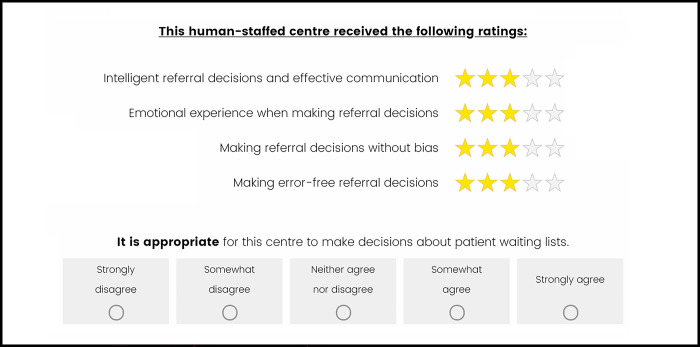 Figure 2
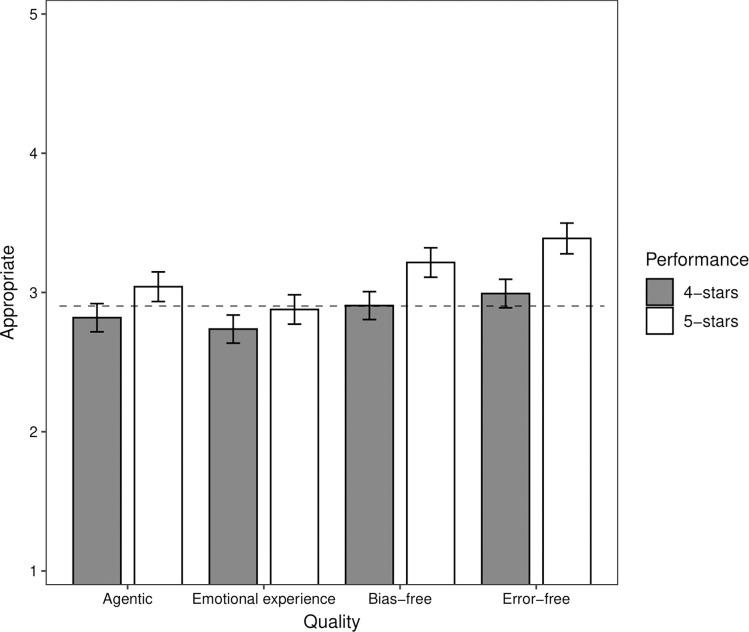 Figure 3
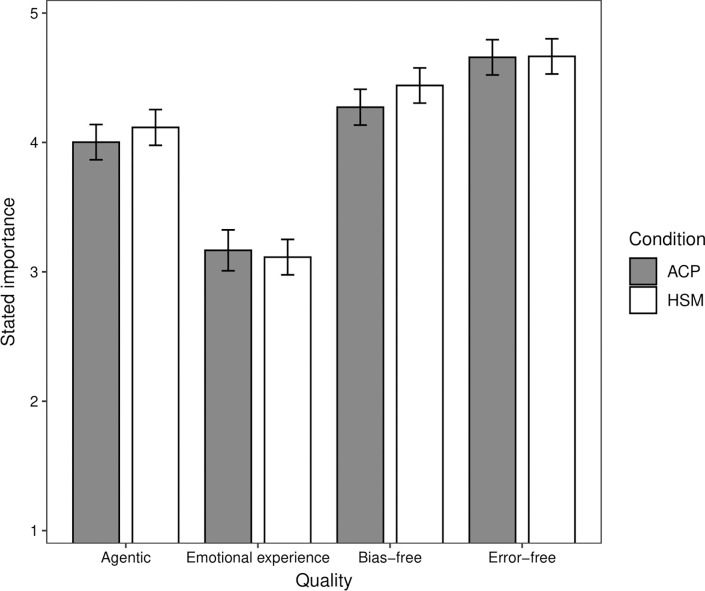 Figure 4
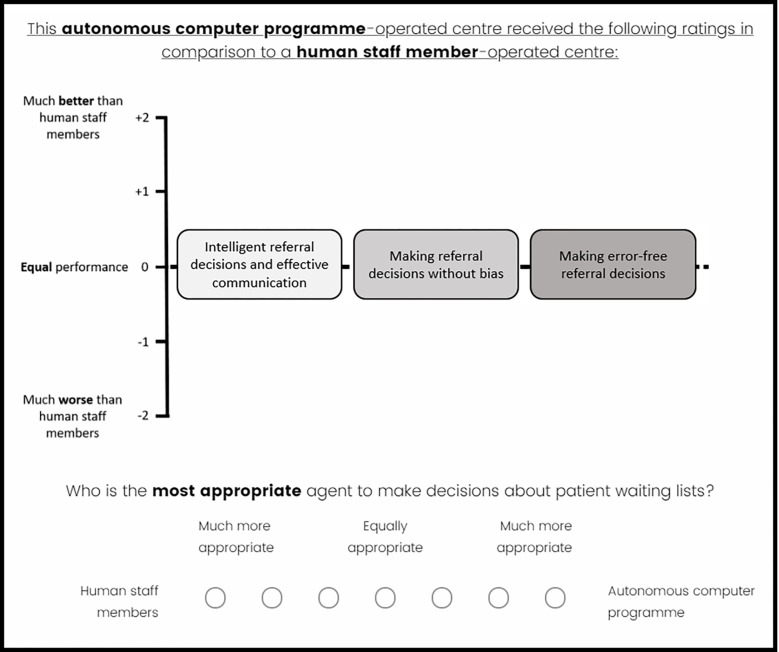 Figure 5
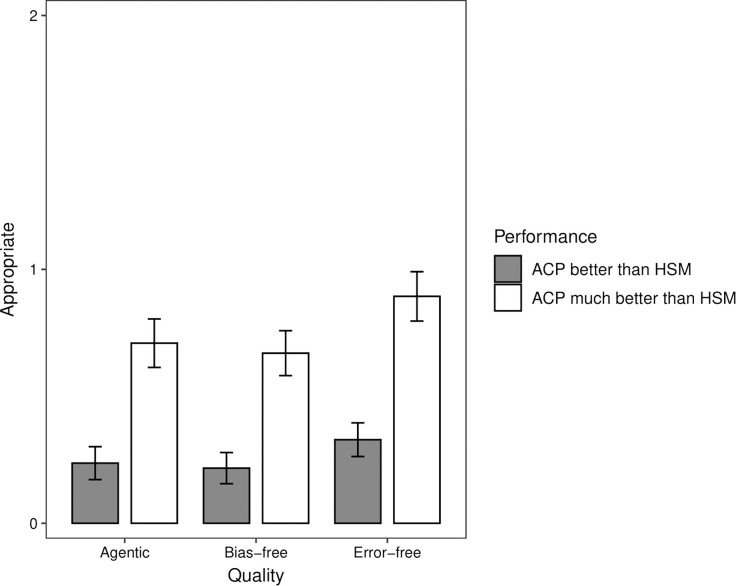 Figure 6
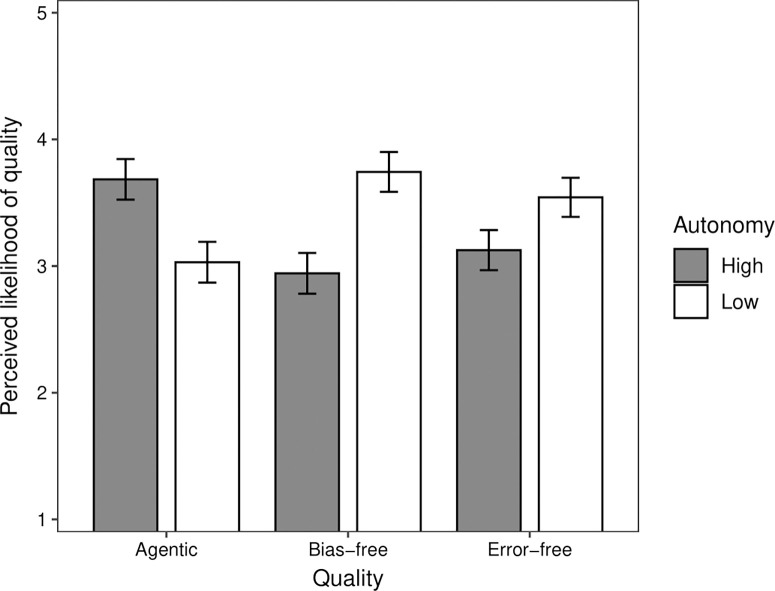 Figure 7
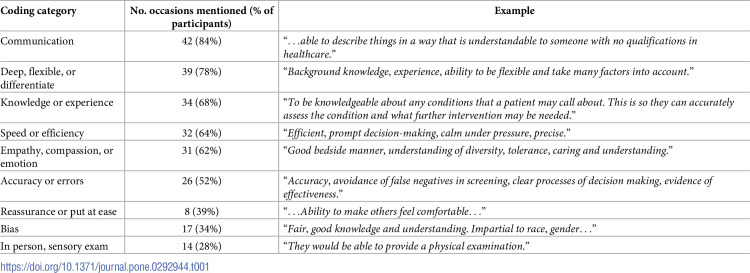 Figure 8
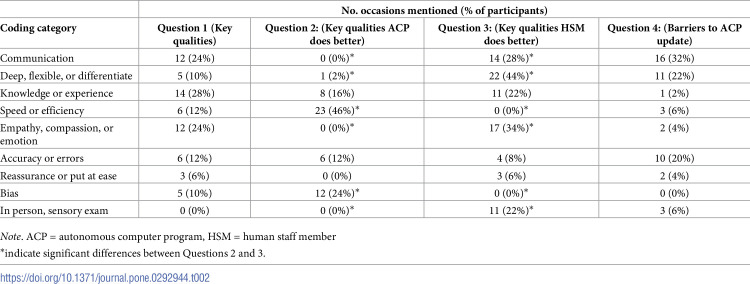 Figure 9
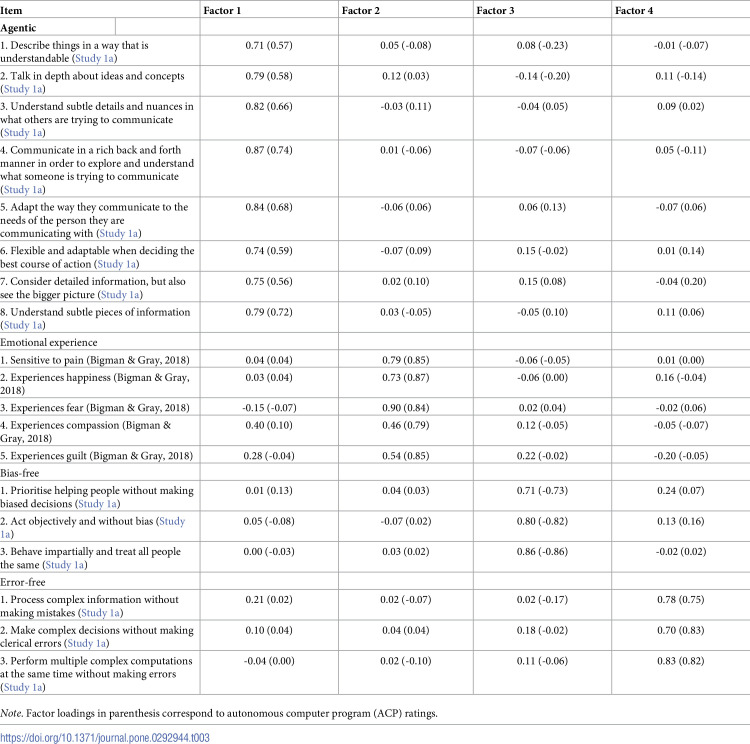 Figure 10
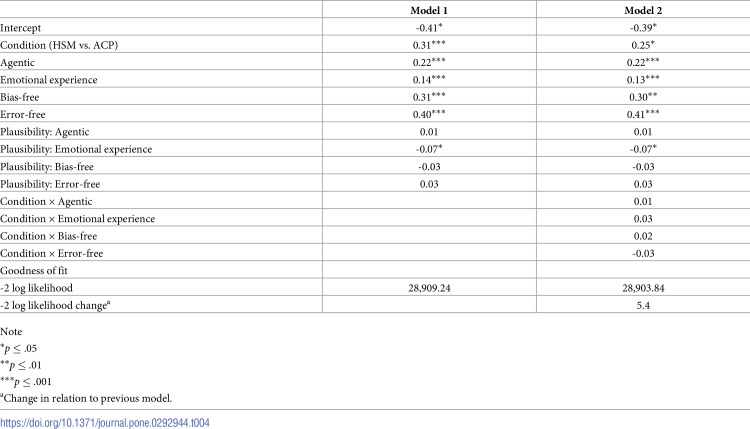 Figure 11
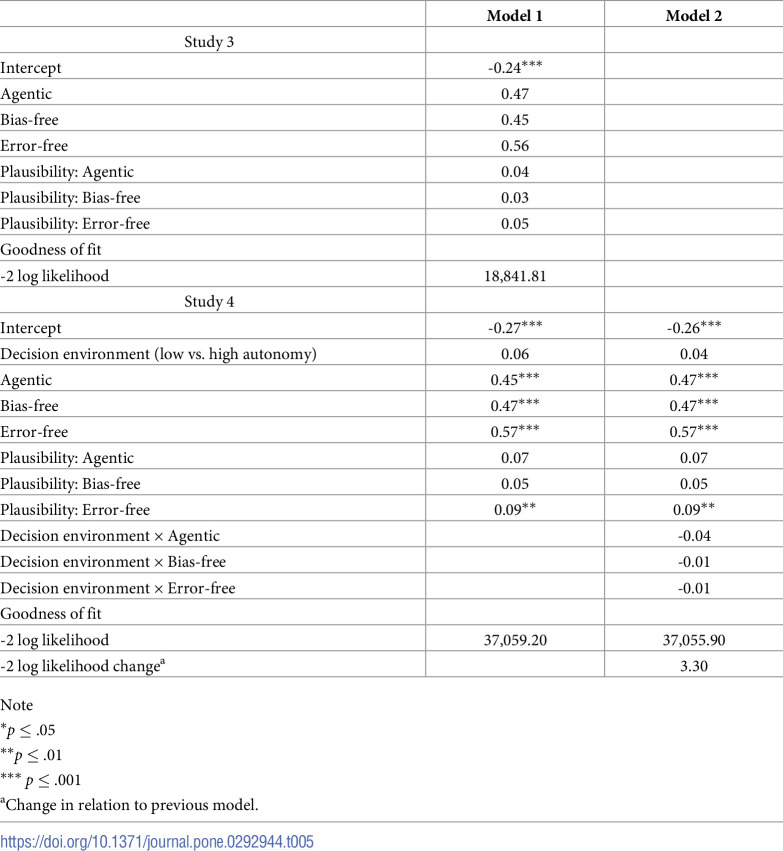 Figure 12
Peer Reviews
No public reviews on file for this paper yet. If you reviewed it on a platform where reviews are public (OpenReview, ICLR, NeurIPS, ICML), you can paste yours below so the community can read it here.
Videos
No videos yet. Explain this paper in a talk, walkthrough, or lecture? Add one.
Taxonomy
TopicsPsychology of Moral and Emotional Judgment · Ethics and Social Impacts of AI · Death Anxiety and Social Exclusion