George Howard Darwin and the “public” interpretation of The Tides
Edwin D. Rose

TL;DR
This paper explores how George Howard Darwin adapted his scientific work on tides for public lectures and a book to reach broader audiences in the early 20th century.
Contribution
The paper connects public lecturing and book production as intertwined practices of knowledge dissemination through Darwin's work.
Findings
Darwin used diverse material culture in lectures that later informed his published book.
The Tides was widely printed and translated, showing its broad appeal.
Darwin's lectures were consistently well-attended, indicating strong public interest.
Abstract
Processes of adapting complex information for broad audiences became a pressing concern by the turn of the twentieth century. Channels of communication ranged from public lectures to printed books designed to serve a social class eager for self-improvement. Through analyzing a course of public lectures given by George Howard Darwin (1845–1912) for the Lowell Institute in Boston and the monograph he based on these, The Tides and Kindred Phenomena of the Solar System (1898), this article connects the important practices of public lecturing and book production–two aspects of knowledge dissemination that tend to be studied as separate entities. Darwin, Plumian Professor of Astronomy at the University of Cambridge and son of the famous naturalist, relied on a diverse material culture when lecturing and producing a book. Giving a new account of Darwin’s scientific work through exploring his…
Genes, proteins, chemicals, diseases, species, mutations and cell lines named across the full text — each resolved to its canonical identifier and authoritative record.
Click any figure to enlarge with its caption.
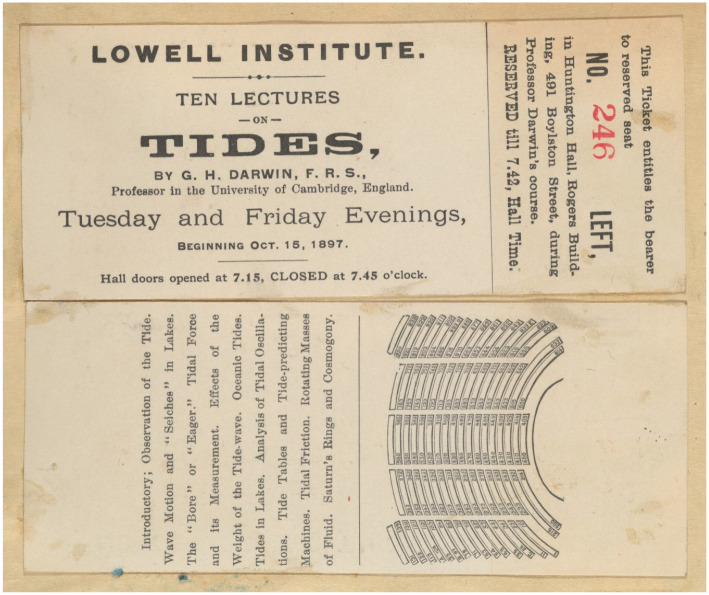 Figure 1
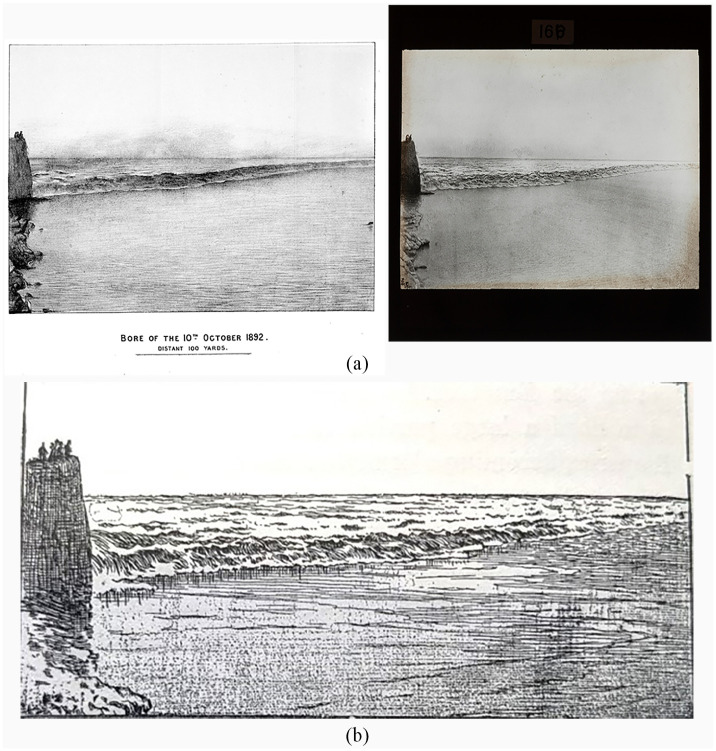 Figure 2
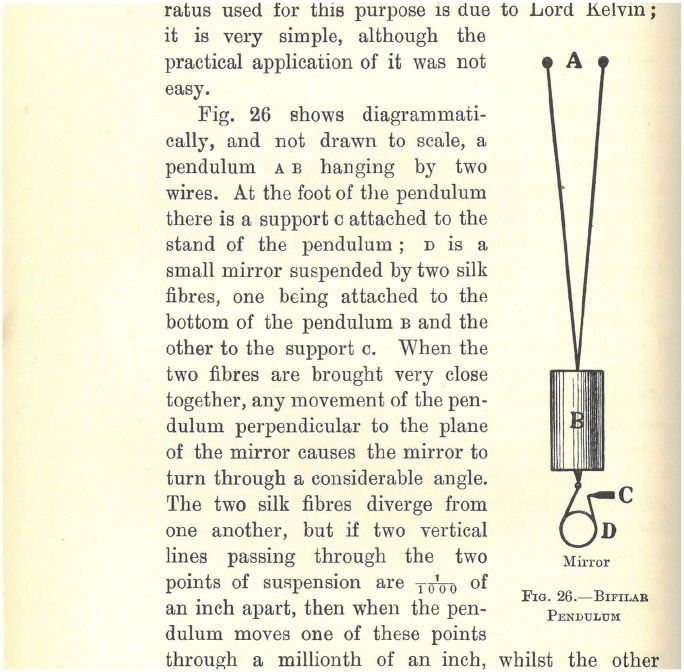 Figure 3
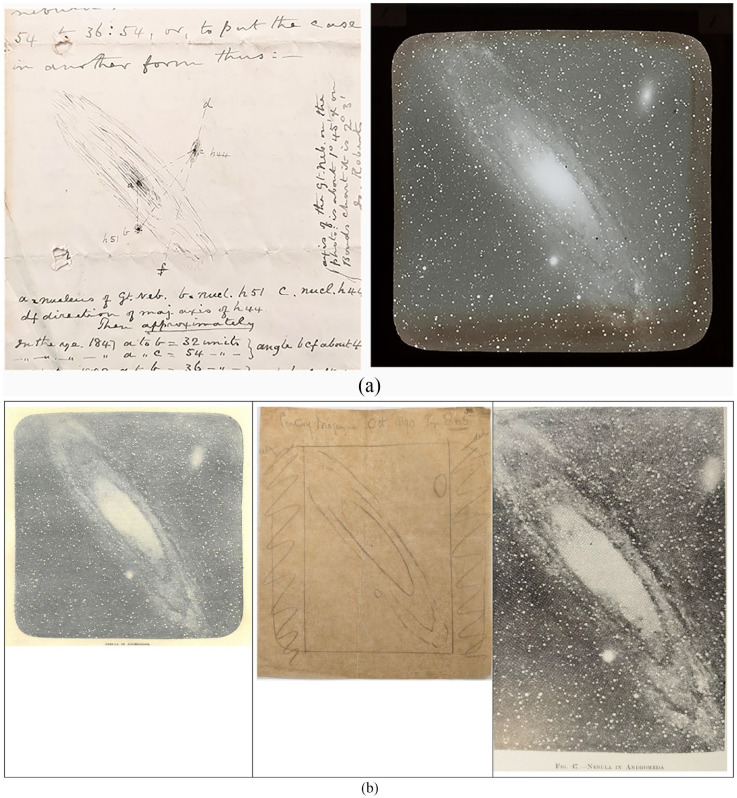 Figure 4
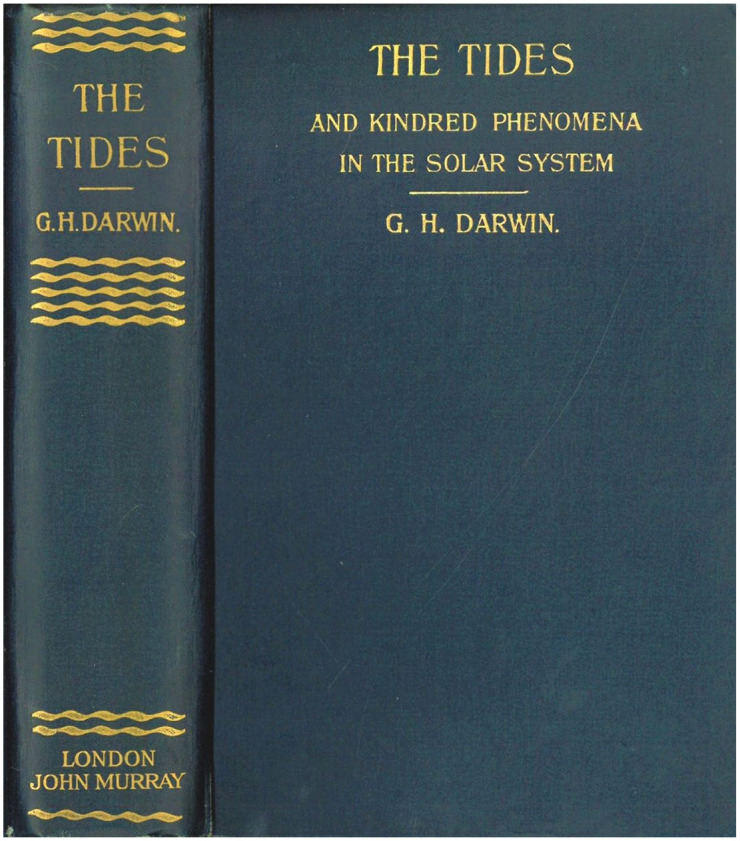 Figure 5
 Figure 6
Peer Reviews
No public reviews on file for this paper yet. If you reviewed it on a platform where reviews are public (OpenReview, ICLR, NeurIPS, ICML), you can paste yours below so the community can read it here.
Videos
No videos yet. Explain this paper in a talk, walkthrough, or lecture? Add one.
Taxonomy
TopicsHistory of Science and Natural History · Evolution and Science Education · History of Science and Medicine