Development of a Novel DGT Passive Sampler for Measuring Cs-137 In Situ in Marine Environments
Ahmed Elsenbawy, Jacqueline M. Pates, Nariman H. M. Kamel, Tarek Morsi, Mohammed Mekewi, Ayman El-gamal, Nabawia A. Moussa, Hao Zhang

TL;DR
A new DGT passive sampler using potassium zinc hexacyanoferrate was developed to accurately measure Cs-137 in seawater over long periods.
Contribution
A novel DGT sampler with a KZFCN binding layer that overcomes ion competition and high pH challenges in seawater.
Findings
The KZFCN-DGT sampler works effectively in a pH range of 2–12 and ionic strength up to 0.75 M.
The sampler showed good precision (RSD = 13%) and accuracy (relative error = 8.5%) over 4 weeks.
The Cs+ diffusion coefficient in the gel was consistent with literature values.
Abstract
Cs-137 is the most released fission product in the marine environment. It is important to develop a robust in situ technique for its monitoring. The existing diffusive gradients in thin films (DGT) passive sampling techniques for in situ measurement of Cs+ have some limitations due to the ion competition and high pH of seawater. A new DGT sampler based on potassium zinc hexacyanoferrate (KZFCN) as a binding layer has been developed and investigated for the measurement of the time-weighted average concentration of Cs-137 in seawater. This binding layer proved a working pH range of 2–12 and an ionic strength of up to 0.75 M. Two types of diffusive gels were tested and agarose gel (AGE) was chosen for the KZFCN-DGT sampler. The measured Cs+ diffusion coefficient (1.71 × 10⁻⁵ cm2·s–1 at 25 °C) in the diffusive gel from seawater was within the expected range published in the literature. The…
Genes, proteins, chemicals, diseases, species, mutations and cell lines named across the full text — each resolved to its canonical identifier and authoritative record.
Click any figure to enlarge with its caption.
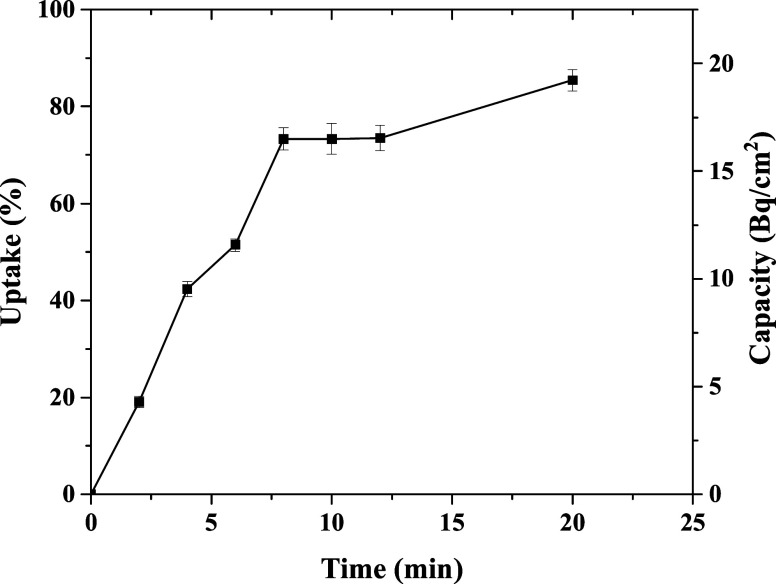 Figure 1
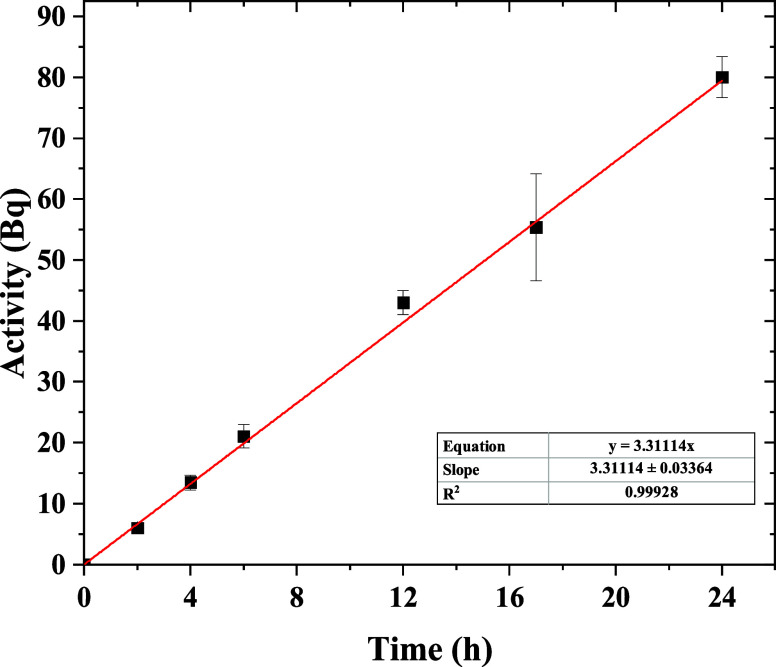 Figure 2
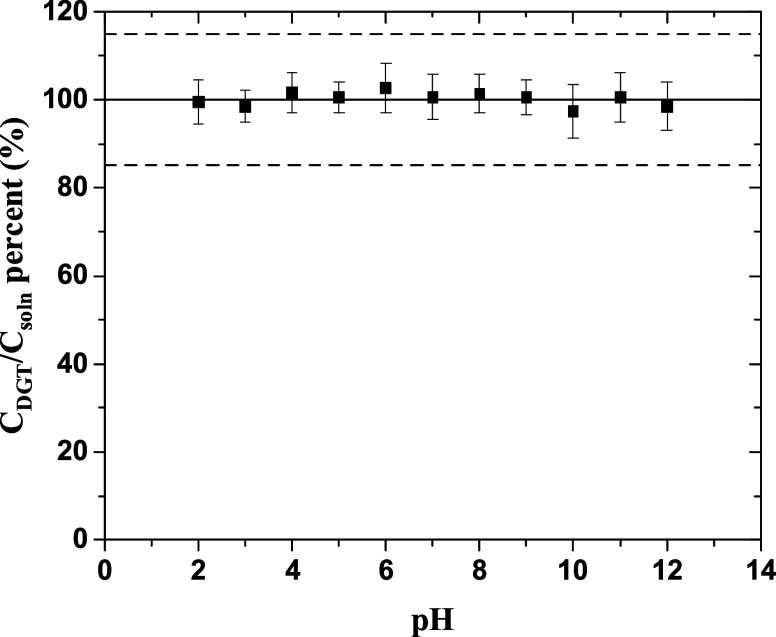 Figure 3
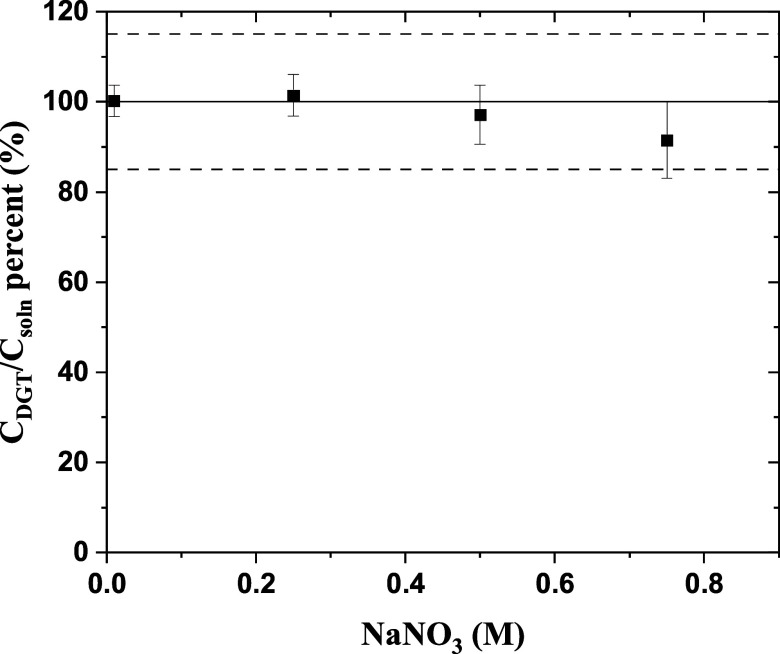 Figure 4
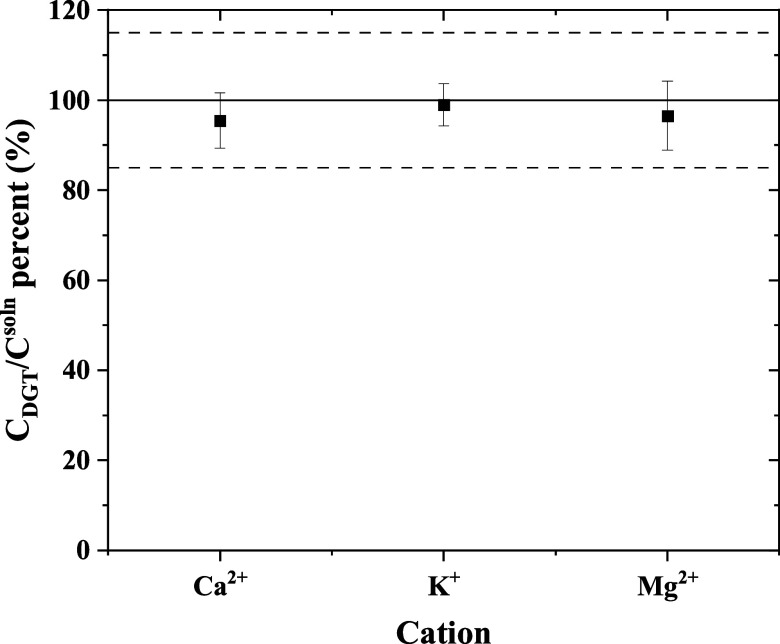 Figure 5
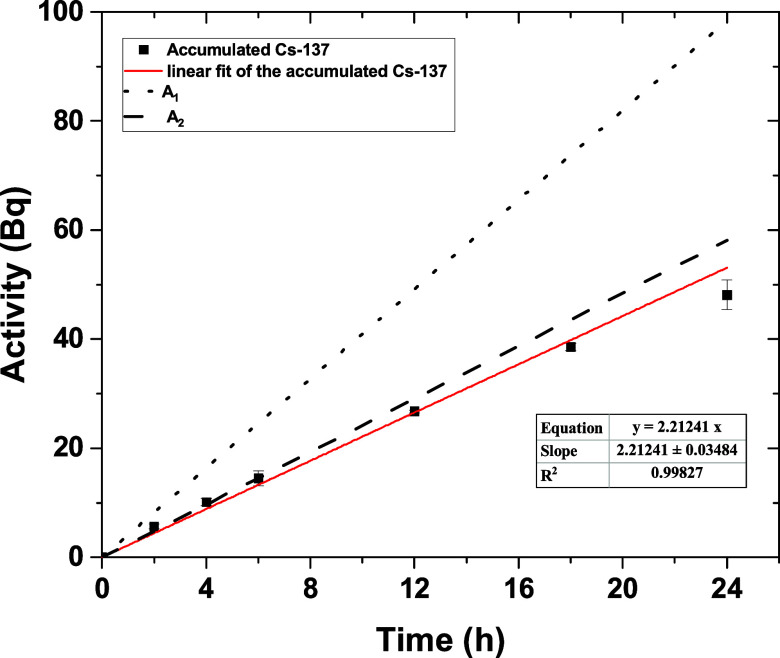 Figure 6
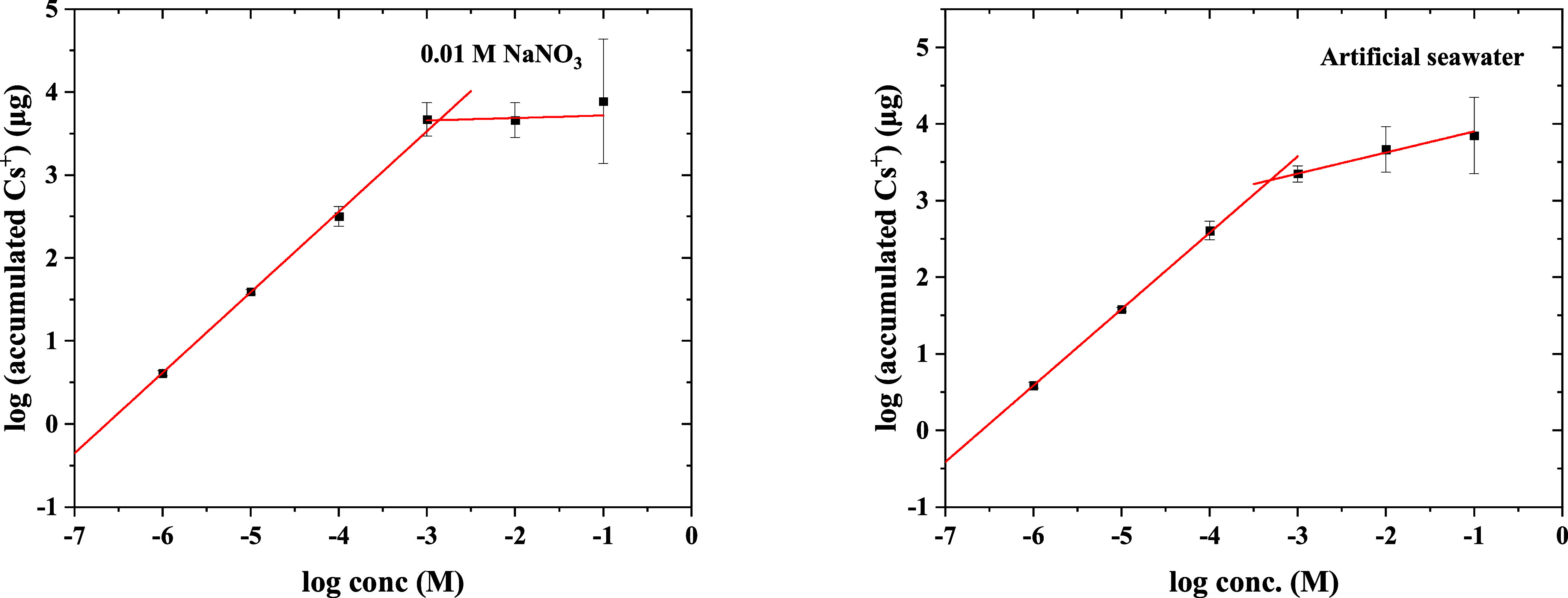 Figure 7
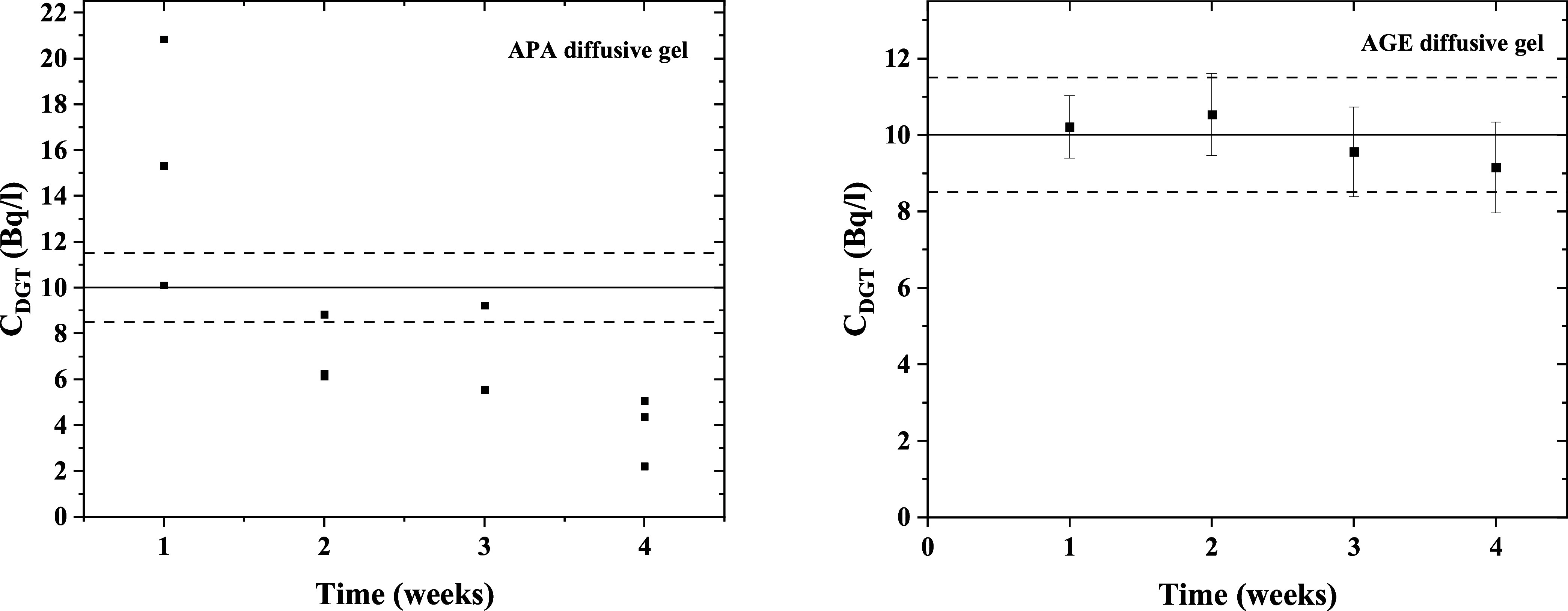 Figure 8
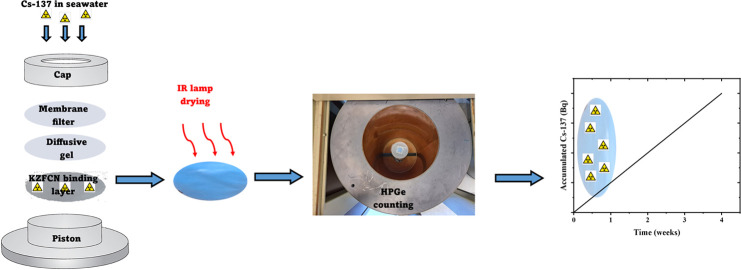 Figure 9
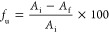 Figure 10
 Figure 11
 Figure 12
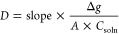 Figure 13
 Figure 14
 Figure 15
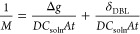 Figure 16
 Figure 17
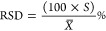 Figure 18
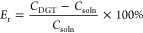 Figure 19
Peer Reviews
No public reviews on file for this paper yet. If you reviewed it on a platform where reviews are public (OpenReview, ICLR, NeurIPS, ICML), you can paste yours below so the community can read it here.
Videos
No videos yet. Explain this paper in a talk, walkthrough, or lecture? Add one.
Taxonomy
TopicsRadioactive contamination and transfer · Radiation Detection and Scintillator Technologies · Nuclear Physics and Applications