Uncovering rearrangements in the Tibetan antelope via population-derived genome refinement and comparative analysis with homologous species
Jiarui Chen, Shuwen Wang, Dong Wang, Yunkang Chiu, Nan Yang, Xinming Lian, Zicheng Zhao, Qing Wei

TL;DR
This study improves the Tibetan antelope genome and identifies unique genetic rearrangements, offering insights into its adaptation to high-altitude environments.
Contribution
A refined genome assembly and the first reconstruction of the X-chromosome in the Tibetan antelope, revealing 182 unique rearrangements.
Findings
The refined genome has a scaffold N50 of 3.2 Mbp, a 1.15-fold improvement over the previous version.
Comparative analysis identified 182 unique genome rearrangements in the Tibetan antelope.
The study reconstructed the X-chromosome for the first time in this species.
Abstract
Introduction: The Tibetan antelope (Pantholops hodgsonii) is a remarkable mammal thriving in the extreme Qinghai-Tibet Plateau conditions. Despite the availability of its genome sequence, limitations in the scaffold-level assembly have hindered a comprehensive understanding of its genomics. Moreover, comparative analyses with other Bovidae species are lacking, along with insights into genome rearrangements in the Tibetan antelope. Methods: Addressing these gaps, we present a multifaceted approach by refining the Tibetan Antelope genome through linkage disequilibrium analysis with data from 15 newly sequenced samples. Results: The scaffold N50 of the refined reference is 3.2 Mbp, surpassing the previous version by 1.15-fold. Our annotation analysis resulted in 50,750 genes, encompassing 29,324 novel genes not previously study. Comparative analyses reveal 182 unique rearrangements…
Genes, proteins, chemicals, diseases, species, mutations and cell lines named across the full text — each resolved to its canonical identifier and authoritative record.
Click any figure to enlarge with its caption.
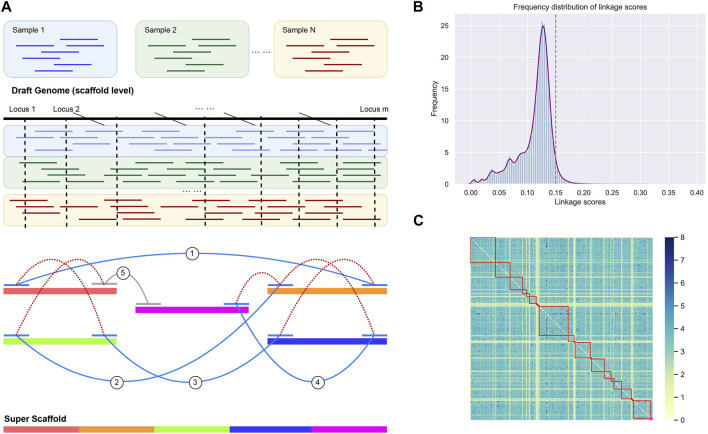 Figure 1
 Figure 2
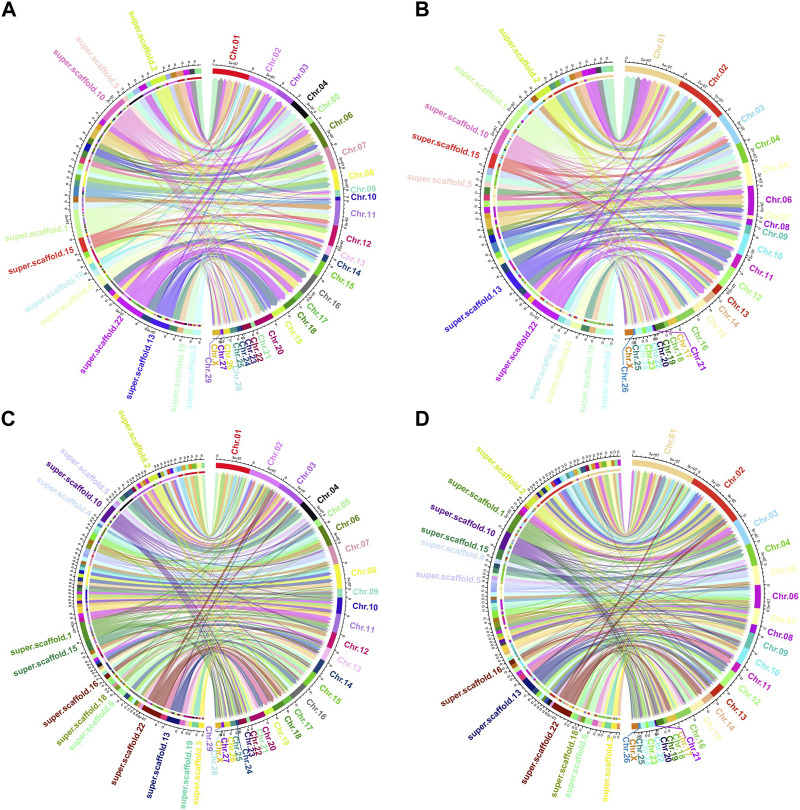 Figure 3
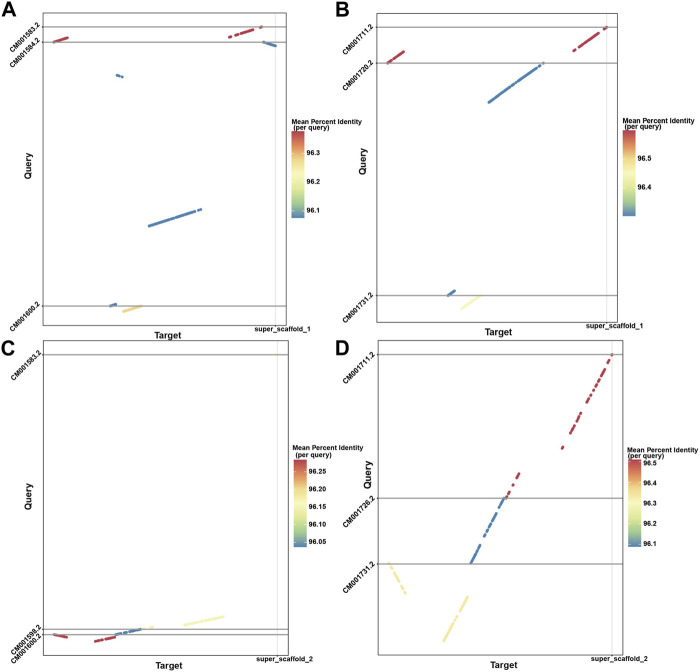 Figure 4
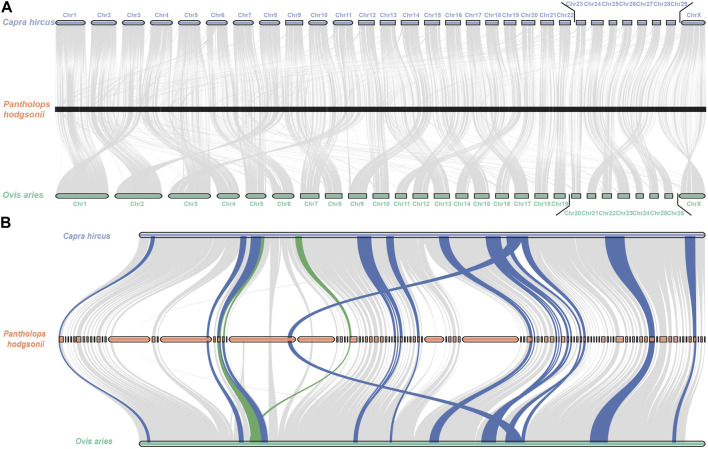 Figure 5
Peer Reviews
No public reviews on file for this paper yet. If you reviewed it on a platform where reviews are public (OpenReview, ICLR, NeurIPS, ICML), you can paste yours below so the community can read it here.
Videos
No videos yet. Explain this paper in a talk, walkthrough, or lecture? Add one.
Taxonomy
TopicsGenomics and Phylogenetic Studies · Genetic diversity and population structure · Chromosomal and Genetic Variations